
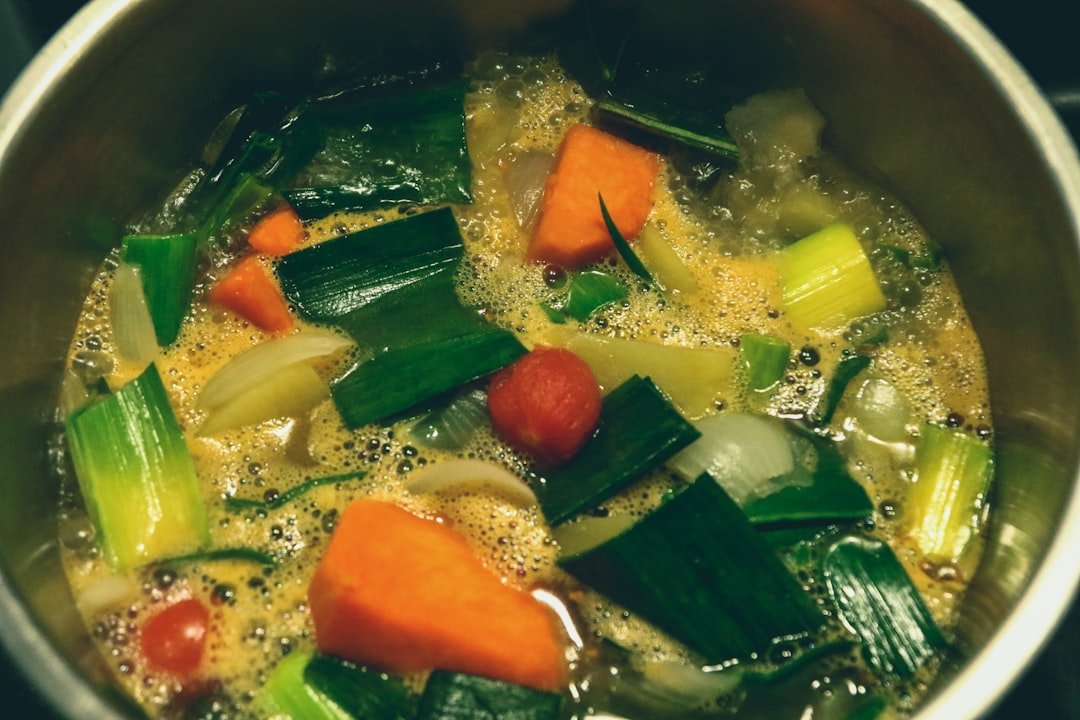
Are you craving a warm, comforting bowl of soup that feels rich and creamy without being heavy? Making creamy soup with vegetables is easier than you think, and it’s a great way to enjoy healthy ingredients in a delicious form.
Imagine savoring every spoonful, knowing you made it yourself with fresh veggies and simple steps. In this guide, you’ll discover how to turn everyday vegetables into a silky, flavorful soup that will satisfy your taste buds and nourish your body.
Keep reading, and you’ll soon be whipping up creamy vegetable soups that impress both your family and friends.
Choosing The Right Vegetables
Picking the right vegetables is key to making creamy soup delicious. The type of vegetables affects the flavor and texture.
Use fresh and suitable vegetables to get a smooth and tasty soup every time you cook.
Seasonal Selections
Choosing vegetables that are in season ensures better taste and nutrition. Seasonal vegetables are often cheaper and fresher.
- Spring: peas, asparagus, spinach
- Summer: zucchini, tomatoes, bell peppers
- Fall: pumpkin, carrots, sweet potatoes
- Winter: kale, cauliflower, leeks
Flavor Combinations
Some vegetables blend well together to create a creamy soup with rich flavors. Knowing these pairs helps you mix tasty ingredients.
| Vegetable 1 | Vegetable 2 | Notes |
| Carrots | Sweet potatoes | Sweet and smooth |
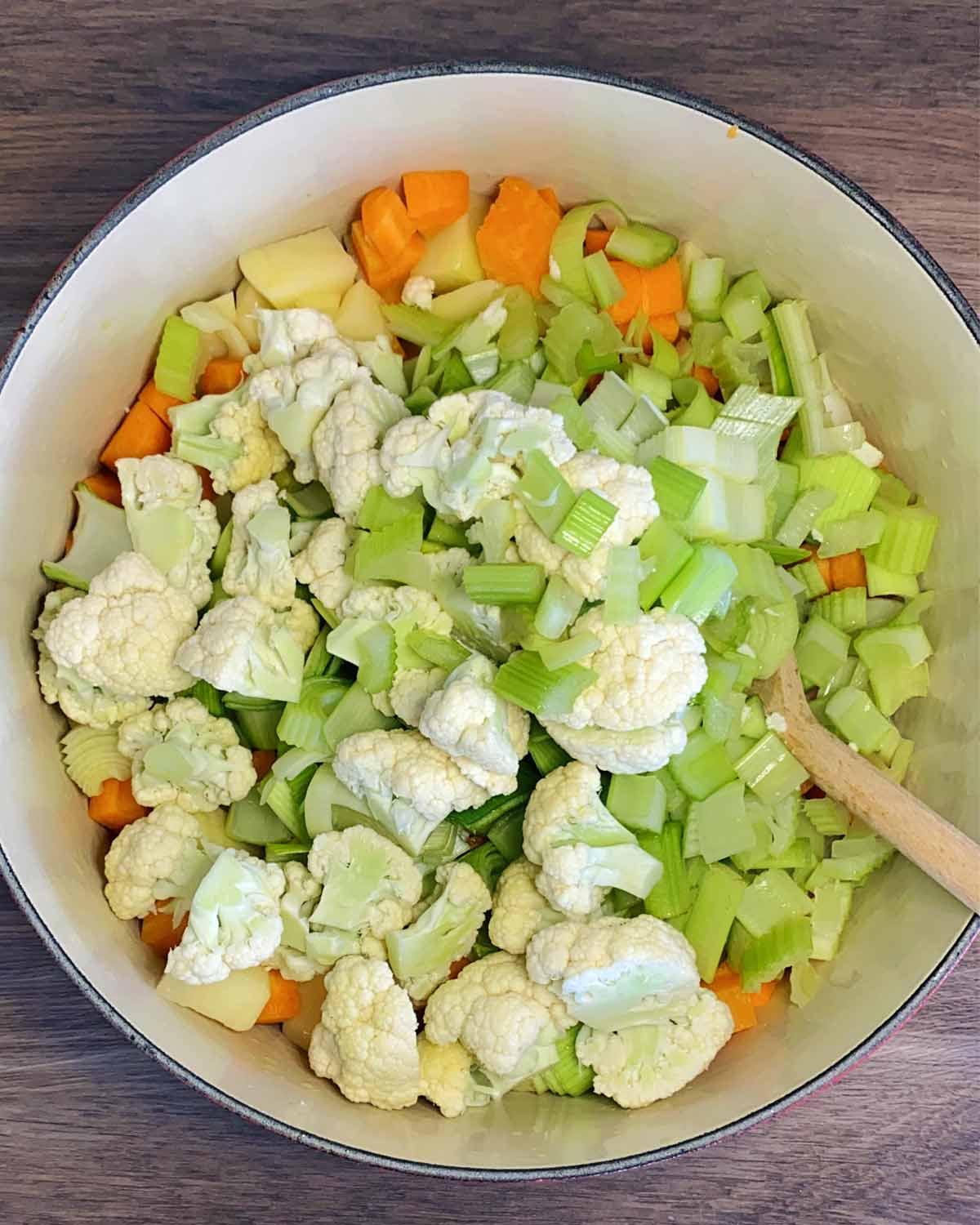
| Cauliflower | Leeks | Mild and creamy |
| Broccoli | Cheddar cheese | Sharp and rich |
| Spinach | Peas | Fresh and light |
Credit: hungryhealthyhappy.com
Essential Ingredients For Creaminess
Making creamy vegetable soup needs the right ingredients. Creaminess gives the soup a smooth and rich texture.
This guide explains key dairy and non-dairy options to make your soup creamy and tasty.
Dairy Options
Dairy products add natural creaminess and flavor to vegetable soups. They blend well with many vegetables.
- Cream: Heavy cream or half-and-half makes soup rich and smooth.
- Milk: Whole milk adds light creaminess without too much fat.
- Butter: Adds a silky texture and enhances flavor when melted in soup.
- Cheese: Soft cheeses like cream cheese or grated Parmesan melt into a creamy base.
Non-dairy Alternatives
Non-dairy choices give creaminess without using animal products. These are great for lactose intolerance or vegan diets.
| Ingredient | Description | How to Use |
| Coconut Milk | Rich and creamy with a mild coconut flavor. | Add directly or simmer with vegetables. |
| Cashew Cream | Blended soaked cashews make a smooth creamy base. | Blend soaked cashews with water, then stir in soup. |
| Silken Tofu | Soft tofu blends into a thick, creamy texture. | Puree tofu and mix into warm soup. |
| Oat Milk | Light and slightly sweet dairy-free milk. | Use as a substitute for milk or cream. |
Preparing Vegetables For Soup
Preparing vegetables correctly is key to making creamy soup taste great. Good preparation helps vegetables cook evenly and blend smoothly.
Choosing the right size and cooking method brings out the best flavors. This guide explains chopping techniques and cooking methods for soup vegetables.
Chopping Techniques
Cut vegetables into small, even pieces to help them cook well. Small pieces soften faster, making the soup creamy without lumps.
Use a sharp knife and a stable cutting board. Take your time to make clean cuts to keep the vegetables fresh and safe.
- Dice vegetables like carrots and celery into small cubes.
- Slice onions and garlic thinly for easy cooking.
- Chop leafy greens coarsely to keep texture.
- Keep pieces uniform to ensure even cooking.
Cooking Methods
Cooking vegetables gently helps keep their flavor and nutrients. Soft vegetables blend better into a creamy soup.
Simmer vegetables in broth or water until soft. Avoid boiling hard to keep the texture smooth.
- Sauté onions and garlic first to add flavor.
- Simmer root vegetables until tender.
- Add delicate vegetables last to prevent overcooking.
- Use low heat to keep flavors mild and fresh.
Building Flavor With Herbs And Spices
Making creamy soup with vegetables tastes better with the right herbs and spices. These add depth and warmth to your dish. They can turn simple ingredients into a rich, comforting meal.
Using fresh or dried herbs and spices lets you control the flavor. You can make your soup mild or spicy, sweet or savory. Learning which herbs and spices work well together helps you create delicious soups every time.
Herb Pairings
Herbs give your creamy vegetable soup a fresh and earthy taste. Choose herbs that match the vegetables you use. For example, rosemary and thyme go well with root vegetables like carrots and potatoes.
Fresh herbs add brightness, while dried herbs bring a deeper flavor. Add fresh herbs near the end of cooking to keep their aroma. Dried herbs should be added earlier to release their flavor fully.
- Basil and parsley work well with tomatoes and zucchini.
- Dill pairs nicely with potatoes and peas.
- Thyme and rosemary suit hearty vegetables like mushrooms and carrots.
- Chives add a mild onion flavor to most vegetable soups.
Spice Blends
Spice blends add warmth and complexity to creamy vegetable soups. Use simple blends like curry powder or garam masala for a mild kick. You can also create your own mix with common spices.
Adding spices early helps release their flavors into the soup. Toasting whole spices before adding them can make the taste stronger. Start with small amounts, then adjust to your liking.
- Curry powder adds a warm, slightly spicy flavor.
- Garam masala gives a sweet and spicy note.
- Cumin and coriander mix well for an earthy taste.
- Smoked paprika adds a smoky depth without heat.
Step-by-step Cooking Process
Making creamy soup with vegetables is simple and fun. This guide shows you how to cook it step by step.
Follow these steps to get a smooth, tasty soup with fresh vegetables and rich flavor.
Sautéing Vegetables
Start by heating oil or butter in a large pot over medium heat. Add chopped onions, carrots, and celery.
Cook the vegetables until they are soft and fragrant. This usually takes about 5 to 7 minutes. Stir often to avoid burning.
- Use a medium heat to cook evenly
- Keep stirring to prevent sticking
- Cook until vegetables are tender, not browned
Simmering For Flavor
After sautéing, add your chopped vegetables and broth to the pot. Bring everything to a boil.
Lower the heat and let the soup simmer. This helps the flavors blend well. Simmer for about 20 minutes or until vegetables are soft.
- Use vegetable or chicken broth
- Keep the heat low to simmer gently
- Check vegetables for softness before blending

Credit: barefeetinthekitchen.com
Blending For Perfect Consistency
Making creamy vegetable soup requires the right blending technique. Blending helps mix ingredients evenly.
The goal is to get a smooth, creamy texture without lumps. This improves the soup’s taste and look.
Choosing The Right Blender
Pick a blender that can handle hot soup safely. Some blenders have special lids for hot liquids.
High-speed blenders make smoother soup faster. Immersion blenders are good for blending directly in the pot.
- Use a blender with strong blades
- Check if the blender can handle hot ingredients
- Immersion blenders reduce cleanup
- High-speed blenders create very smooth texture
Achieving Smooth Texture
Start blending the soup slowly to avoid splashes. Increase speed gradually to break down vegetables well.
Blend for at least one to two minutes. If the soup is too thick, add broth or water to thin it out.
- Blend in short bursts to check texture
- Add liquid if soup is too thick
- Use a fine sieve for extra smoothness
- Stir soup after blending for even consistency
Garnishing And Serving Ideas
Adding the right garnish makes creamy vegetable soup look and taste better. Small touches can add color and texture.
Serving your soup with simple ideas can make the meal more inviting and enjoyable.
Creative Toppings
Toppings add flavor and crunch to creamy vegetable soup. Choose from fresh herbs, crunchy seeds, or creamy swirls.
- Chopped fresh parsley or chives for a green touch
- Toasted pumpkin seeds for crunch
- A drizzle of olive oil or cream for richness
- Croutons seasoned with garlic or herbs
- Grated cheese like Parmesan or cheddar
- Sprinkle of chili flakes for spice
Serving Suggestions
Serve creamy vegetable soup with sides that balance flavors and textures. Warm bread or fresh salad works well.
| Side Dish | Why It Works |
| Crusty bread | Soaks up soup and adds chewiness |
| Garlic toast | Adds a savory, crunchy contrast |
| Simple green salad | Offers freshness and lightness |
| Roasted nuts | Provide extra crunch and flavor |
| Cheese platter | Complements creamy texture with saltiness |

Credit: www.funfoodfrolic.com
Storage And Reheating Tips
Storing and reheating creamy vegetable soup correctly keeps it fresh and tasty. Follow simple steps to keep your soup safe and delicious.
Proper storage slows down spoilage. Reheating the soup the right way preserves its creamy texture and flavor.
Best Practices For Storage
Cool the soup to room temperature before storing. Use airtight containers to keep out air and moisture. Label containers with the date to track freshness.
- Store soup in small portions for easy reheating
- Keep soup in the refrigerator for up to 3 days
- Freeze soup for longer storage, up to 3 months
- Use freezer-safe containers or bags to prevent freezer burn
Reheating Techniques
Reheat soup gently to keep the cream smooth. Stir often to heat evenly and avoid burning. Use the stove or microwave depending on your time.
| Method | Instructions | Tips |
| Stove | Heat on low to medium heat, stir often | Use a heavy-bottom pot to prevent sticking |
| Microwave | Heat in short bursts, stirring after each | Cover with a microwave-safe lid to keep moisture |
| Slow Cooker | Heat on low for 2 to 3 hours | Stir once or twice for even warming |
Frequently Asked Questions
What Vegetables Work Best For Creamy Soup?
Root vegetables like potatoes, carrots, and celery blend smoothly. Leafy greens and squash also add rich flavors. Choose fresh, seasonal veggies for the best taste and texture.
How Do You Make Vegetable Soup Creamy Without Cream?
Use blended cooked vegetables or potatoes for natural creaminess. Adding coconut milk or cashews can also thicken the soup healthily. Avoid heavy cream for a lighter option.
Can I Make Creamy Soup Vegan-friendly?
Yes, use plant-based milk like almond or oat milk. Blend vegetables for thickness and use vegetable broth. Skip dairy to keep the soup fully vegan.
How Long Should I Cook Vegetables For Creamy Soup?
Simmer vegetables until they are tender, usually 20-30 minutes. This softens them, making blending easier and the soup smooth. Avoid overcooking to retain flavor.
Conclusion
Making creamy vegetable soup is simple and fun. Choose fresh veggies for the best taste. Cook them well to bring out natural flavors. Blend until smooth and add cream or milk for richness. Season with salt and pepper to suit your taste.
Serve warm and enjoy a healthy, comforting meal. This soup is perfect for any day or season. Try different vegetables to find your favorite mix. Fresh, creamy soup always feels like a warm hug. Give it a try and enjoy every spoonful.