
Are you craving a rich, creamy risotto but worried it might be too tricky to make? You’re not alone.
Many people think risotto is a complicated dish reserved for expert chefs. The truth is, you can create a delicious, velvety risotto right in your own kitchen without stress. You’ll discover simple steps and insider tips that make the process easy and enjoyable.
Get ready to impress yourself—and anyone you share your meal with—with a perfectly creamy risotto every time. Keep reading to unlock the secrets!
Ingredients For Creamy Risotto
Making creamy risotto starts with using the right ingredients. Each one adds flavor and texture.
Choosing fresh and quality ingredients helps you cook risotto easily and with great taste.
Arborio Rice
Arborio rice is the best choice for risotto. It has a high starch content that makes the dish creamy.
This rice absorbs liquid slowly, allowing you to stir and create a smooth texture.
Broth Or Stock
Use warm broth to cook the rice. Chicken, vegetable, or beef broth works well.
Broth adds flavor and keeps the risotto moist while cooking.
Onion And Garlic
Chopped onion and garlic add a savory base to the risotto. They give a rich flavor.
Sauté them gently before adding rice for the best taste.
White Wine
White wine adds a slight tang and depth of flavor to risotto. It helps balance the creaminess.
Add wine after toasting the rice and let it absorb fully before adding broth.
Butter And Olive Oil
Use butter and olive oil to sauté ingredients and finish the risotto. They create a smooth texture.
Butter adds richness, while olive oil helps cook without burning.
Parmesan Cheese
Grated Parmesan cheese adds a salty and creamy finish to risotto. Stir it in at the end.
It melts into the rice, making the dish rich and smooth.
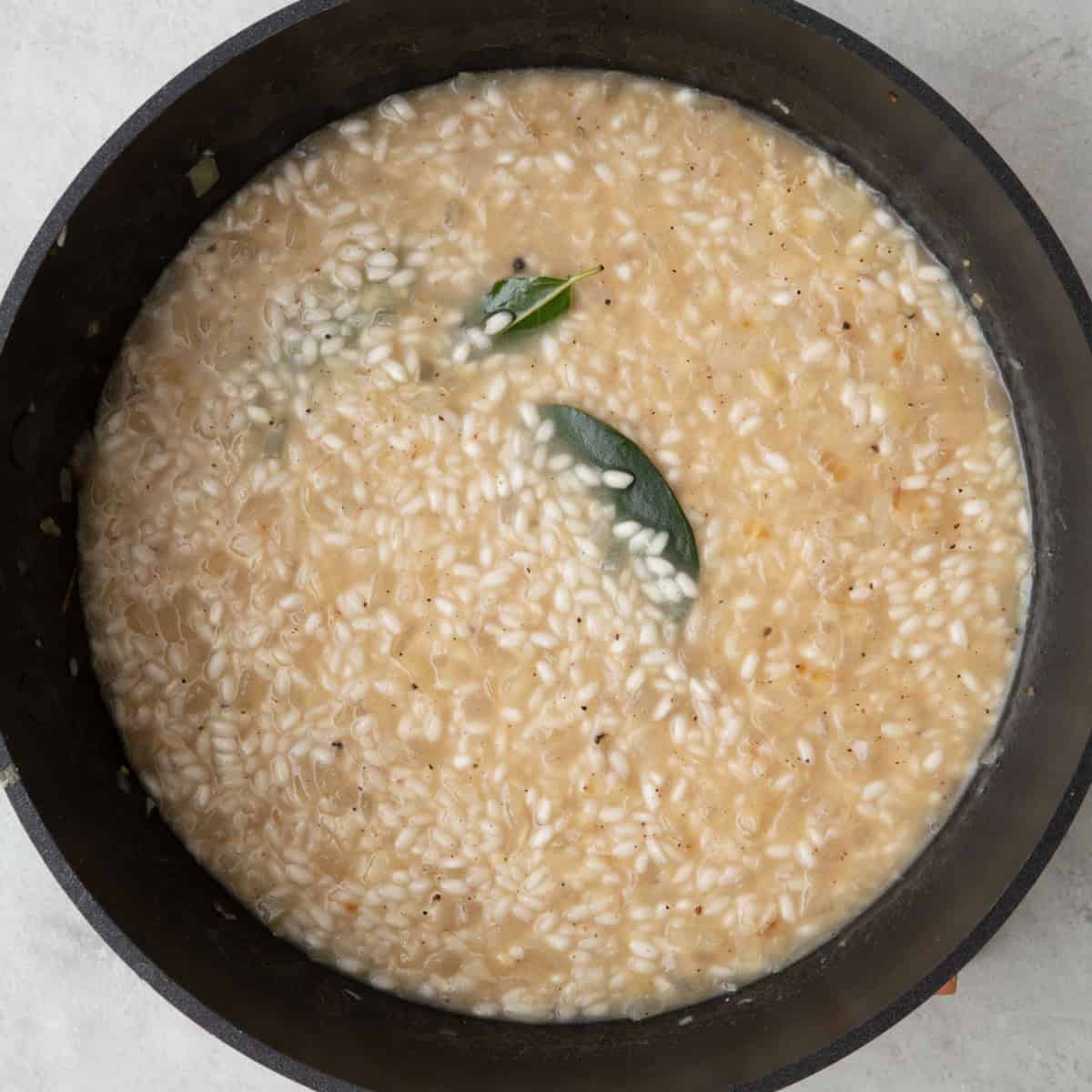
Credit: feelgoodfoodie.net
Choosing The Right Rice
Picking the right rice is key to making creamy risotto. The type of rice affects texture and taste.
Some rices absorb more liquid and release starch. This makes the risotto smooth and rich.
Arborio Rice
Arborio is the most common rice for risotto. It has a short, plump shape and high starch content.
This rice absorbs liquids well. It creates a creamy and thick texture without falling apart.
Carnaroli Rice
Carnaroli rice is often called the “king” of risotto rice. It has a firmer texture than Arborio.
It absorbs liquid slowly and keeps its shape better. This makes a creamy but slightly firm risotto.
Vialone Nano Rice
Vialone Nano is a smaller, round rice. It cooks faster and absorbs flavors well.
This rice makes a soft and creamy risotto. It is popular in the Veneto region of Italy.
Why Long Grain Rice Is Not Ideal
Long grain rice has less starch. It stays separate and does not become creamy.
Using long grain rice can make risotto dry and less smooth. Avoid it for best results.
Essential Tools For Cooking
Making creamy risotto is easier with the right tools. These tools help you cook evenly and stir well.
Using proper kitchen equipment saves time and makes the dish taste better. Let’s look at what you need.
Heavy-bottomed Pan
A heavy-bottomed pan spreads heat evenly. It prevents rice from burning or sticking. Choose a wide pan for easy stirring.
Wooden Spoon Or Silicone Spatula
Use a wooden spoon or silicone spatula to stir risotto gently. These tools won’t scratch your pan. They help mix ingredients without breaking rice grains.
Measuring Cups And Spoons
Measuring cups and spoons help you add the right amounts of broth, rice, and seasonings. This keeps the risotto creamy and balanced.
Ladle For Adding Broth
A ladle makes adding hot broth easy and safe. It lets you control the liquid amount. Pour broth little by little for perfect texture.
Kitchen Timer
A timer helps you cook risotto for the right time. It prevents overcooking or undercooking. Set it for short intervals to check rice texture often.
Tools Comparison Table
| Tool | Purpose | Why It Helps |
| Heavy-Bottomed Pan | Cook rice evenly | Prevents burning and sticking |
| Wooden Spoon or Silicone Spatula | Stir ingredients | Gentle mixing without damage |
| Measuring Cups and Spoons | Measure ingredients | Ensures correct liquid and seasoning |
| Ladle | Add broth safely | Controls liquid addition smoothly |
| Kitchen Timer | Track cooking time | Prevents over/undercooking |
Preparing The Base
Making creamy risotto starts with building a good base. The flavors from the base give the dish its rich taste.
Two key parts of this base are sautéing onions and garlic and selecting the right broth or stock.
Sautéing Onions And Garlic
Start by heating oil or butter in a pan over medium heat. Add finely chopped onions and cook them until they are soft and translucent. This usually takes about five minutes.
Next, add minced garlic and stir it for one to two minutes. Be careful not to burn the garlic as it will taste bitter and ruin the dish.
- Use a mild oil like olive oil or butter for richer flavor.
- Cook onions slowly to bring out natural sweetness.
- Stir often to avoid burning.
- Add garlic last since it cooks quickly.
Selecting Broth Or Stock
Broth or stock adds moisture and deep flavor to the risotto. Choose between chicken, vegetable, or beef stock based on your recipe.
| Type | Flavor Profile | Best Use |
| Chicken Stock | Light and savory | Classic risotto with chicken or mushrooms |
| Vegetable Stock | Fresh and mild | Vegetarian or vegan risotto |
| Beef Stock | Rich and bold | Hearty risotto with red meat or strong cheeses |
Cooking The Rice
Cooking rice for risotto needs care to get a creamy texture. The rice must cook slowly to absorb flavors well.
You use broth to cook the rice. Adding it correctly helps create the perfect risotto.
Adding Broth Gradually
Add warm broth to the rice little by little. This helps the rice soak up the liquid slowly.
- Keep broth warm on low heat.
- Add a small ladle of broth to the rice.
- Wait until the rice absorbs the broth before adding more.
- Repeat until the rice is soft and creamy.
- Keep stirring gently as you add broth.
Stirring Techniques
Stirring rice helps release starch for creaminess. Use a gentle, steady motion.
| Stirring Tip | Reason |
| Stir gently | Prevents breaking grains |
| Use a wooden spoon | Better control and less heat transfer |
| Keep stirring often | Helps cook evenly and release starch |
| Do not rush | Slow stirring aids creamy texture |

Credit: sugarspunrun.com
Achieving The Perfect Texture
Making creamy risotto means getting the right soft and smooth feel. The rice should be tender but still a bit firm inside.
To get this texture, you need to control how you cook the rice and test it as you go.
Timing And Consistency
Cook the risotto slowly by adding warm broth little by little. Stir often to release the rice’s starch.
Keep the heat medium-low to avoid cooking the rice too fast or burning the bottom.
- Add broth in small amounts, waiting for it to absorb each time
- Stir regularly to make the rice creamy
- Keep the heat steady and avoid rushing the process
Testing For Doneness
Check the rice often to see if it is tender but still has a slight bite. This is called “al dente.”
Use a spoon to taste the rice. It should feel soft outside and firm inside without crunch.
- Take a small spoonful of risotto
- Let it cool a moment before tasting
- Look for creamy texture with a slight firmness inside
- If it is too hard, keep cooking and adding broth
- If it is too soft, remove from heat immediately
Enhancing Flavor
Making creamy risotto is easy with a few simple tips to boost flavor. Small additions can make your dish taste rich and delicious.
Using the right ingredients and techniques helps bring out the best taste in every bite. Let’s explore some ways to enhance your risotto flavor.
Incorporating Cheese
Cheese adds creaminess and depth to risotto. It melts smoothly and blends with the rice for a silky texture.
- Parmesan is the classic choice for its sharp and salty taste.
- Pecorino Romano adds a stronger, tangy flavor.
- Mozzarella offers a mild, creamy melt for a softer taste.
- Fontina can give a nutty and smooth finish.
Add cheese at the end of cooking. Stir gently so it melts evenly without clumping.
Adding Herbs And Spices
Fresh herbs and spices lift risotto with bright and earthy notes. They balance the creaminess and add aroma.
| Herb/Spice | Flavor Profile | How to Use |
| Basil | Sweet and slightly peppery | Add chopped fresh leaves before serving |
| Thyme | Earthy and minty | Stir in whole sprigs during cooking, remove before serving |
| Black Pepper | Warm and pungent | Grind fresh over risotto just before eating |
| Nutmeg | Sweet and nutty | Grate a small pinch into the risotto at the end |
Serving Suggestions
Creamy risotto is a delicious dish that pairs well with many foods. You can serve it as a main or a side.
Choosing the right proteins and garnishes will make your meal more enjoyable and complete.
Pairing With Proteins
Risotto goes well with many proteins. Pick ones that balance its creamy texture and mild flavor.
- Grilled chicken adds a smoky taste
- Sautéed shrimp offers a light seafood flavor
- Seared scallops bring a tender, sweet touch
- Roasted pork pairs nicely with rich risotto
- Pan-fried mushrooms are great for a vegetarian option
Garnishing Options
Garnishes add color and texture to risotto. They make the dish more inviting and tasty.
- Fresh herbs like parsley or basil brighten the flavor
- Grated Parmesan cheese adds a salty, creamy note
- Toasted pine nuts give a crunchy contrast
- Drizzle of truffle oil enhances the aroma
- Lemon zest adds a fresh and zesty finish
Common Mistakes To Avoid
Making creamy risotto needs care and attention. Many cooks face problems that affect texture and taste.
Avoiding common mistakes helps you cook risotto easily and enjoy every bite.
Using The Wrong Rice
Choosing the right rice is key to creamy risotto. Arborio, Carnaroli, or Vialone Nano work best. Other types do not release enough starch.
Skipping The Toasting Step
Toasting rice in oil or butter before adding liquid helps seal the grains. It adds flavor and prevents mushy risotto.
Adding Broth All At Once
Pouring broth gradually keeps the rice cooking evenly. Adding all broth quickly causes uneven cooking and sticky texture.
- Add warm broth little by little
- Stir often to release starch
- Wait for the liquid to absorb before adding more
Overcooking Or Undercooking Rice
Risotto must be creamy but with a firm center. Cooking time varies but usually takes 18 to 20 minutes.
| Mistake | Result |
| Overcooked | Mushy and sticky texture |
| Undercooked | Hard grains, unpleasant bite |
Not Stirring Enough
Stirring releases starch from rice, creating creaminess. Not stirring enough leads to dry or uneven risotto.
Adding Cheese Too Early
Cheese melts best when added off the heat at the end. Adding it too soon can make risotto oily or clumpy.
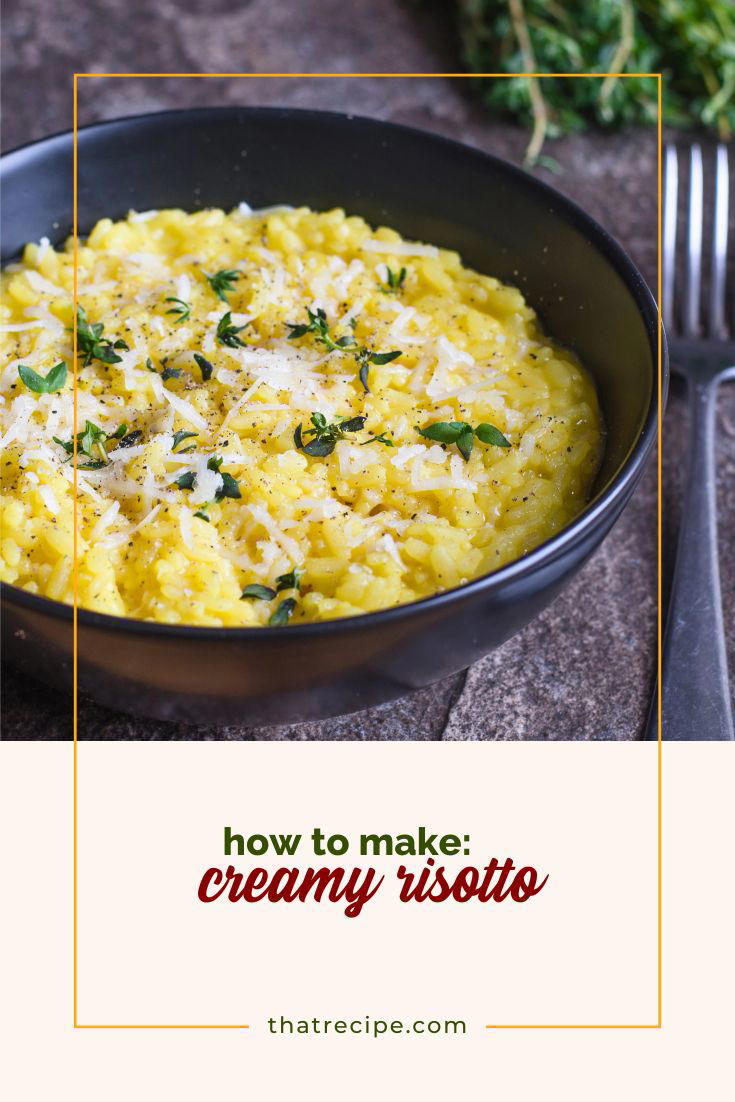
Credit: www.msn.com
Frequently Asked Questions
What Type Of Rice Is Best For Creamy Risotto?
Arborio rice is best for creamy risotto. It has high starch content, which creates a smooth, creamy texture. Other types like Carnaroli or Vialone Nano also work well for authentic results.
How Long Does It Take To Cook Risotto Perfectly?
Cooking risotto usually takes 18 to 20 minutes. Stir constantly and add broth gradually for even cooking and creamy consistency. Overcooking can make it mushy.
Can I Use Regular Broth For Risotto?
Yes, regular chicken or vegetable broth works well. Homemade broth enhances flavor, but store-bought broth is a convenient option. Warm the broth before adding it to the rice.
How Much Butter And Cheese Should I Add?
Add about 2 tablespoons of butter and ½ cup of Parmesan cheese. Stir in at the end for richness and smooth texture. Adjust quantity to taste.
Conclusion
Making creamy risotto is simple with the right steps. Stir gently and add broth bit by bit. Patience helps the rice cook perfectly. Use good ingredients for the best taste. Practice a few times to feel confident. Soon, you will enjoy a warm, smooth dish.
Cooking risotto can be fun and rewarding. Give it a try and savor every bite.