
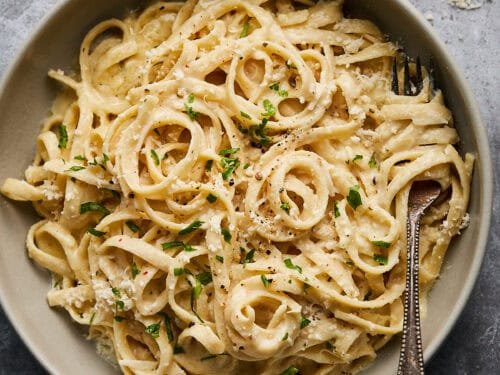
Craving a rich, smooth pasta sauce that feels like a warm hug on your plate? You’re in the right place.
Making creamy pasta sauce at home is easier than you think, and it can turn any simple meal into something special. Imagine coating every strand of pasta with a silky, flavorful sauce that leaves you wanting more. Ready to discover the secret steps and tips that will help you create this delicious sauce from scratch?
Keep reading—you’re about to become your own kitchen hero.
Choosing The Right Ingredients
Making creamy pasta sauce starts with picking the best ingredients. The right choices create a smooth and tasty sauce.
Focus on cream, cheese, and herbs. Each adds flavor and texture to your dish.
Selecting The Perfect Cream
Use heavy cream or whipping cream for a thick and rich sauce. Light cream makes a thinner sauce but still tastes good.
- Heavy cream: thick, rich, perfect for creamy texture
- Whipping cream: slightly lighter, still creamy
- Half-and-half: less fat, thinner sauce
- Milk: lowest fat, may need thickening
Picking The Best Cheese
Cheese adds flavor and creaminess. Choose one that melts well and tastes good with pasta.
| Cheese Type | Texture | Flavor |
| Parmesan | Hard, finely grated | Nutty, salty |
| Mozzarella | Soft, stretchy | Mild, milky |
| Fontina | Soft, melts easily | Buttery, mild |
| Cheddar | Firm, melts well | Sharp, rich |
Essential Herbs And Spices
Herbs and spices add depth and freshness. Use them to balance the cream and cheese flavors.
- Basil: sweet and fresh
- Parsley: bright and mild
- Oregano: warm and slightly bitter
- Garlic powder: strong and savory
- Black pepper: sharp and spicy
Preparing The Base
The base of a creamy pasta sauce is key to its smooth texture and rich flavor. Preparing it carefully makes your sauce taste better.
This section explains how to start with sautéing garlic and onions and then thicken the sauce by creating a roux.
Sautéing Garlic And Onions
Sautéing garlic and onions adds aroma and sweetness to the sauce. It is important to cook them gently to avoid burning.
- Heat olive oil or butter in a pan over medium heat.
- Add finely chopped onions and cook until translucent.
- Add minced garlic and sauté for about 30 seconds until fragrant.
- Stir often to prevent sticking or burning.
- Remove from heat once golden and soft.
Creating A Roux For Thickness
A roux is a mixture of fat and flour used to thicken the sauce. It gives the sauce a creamy and smooth consistency.
| Ingredient | Amount | Purpose |
|---|---|---|
| Butter or oil | 2 tablespoons | Fat to cook flour and add richness |
| All-purpose flour | 2 tablespoons | Thickening agent |
| Milk or cream | 1 cup | Liquid to create smooth sauce |
To make the roux, melt butter in a pan and stir in flour. Cook for two minutes, stirring constantly. Slowly add milk while whisking to avoid lumps.
Incorporating Cream For Richness
Cream adds a smooth and rich texture to pasta sauce. It helps blend flavors and makes the sauce taste better.
Knowing when and how to add cream can change the sauce’s consistency. This guide focuses on timing and balancing cream with broth.
Timing The Cream Addition
Add cream near the end of cooking to keep it from curdling. Too much heat can break the cream and change the sauce’s texture.
- Cook your base sauce first, like tomatoes or garlic.
- Lower the heat before adding cream.
- Stir cream in slowly to blend well.
- Heat gently without boiling after adding cream.
Balancing Cream With Broth
Broth can thin the sauce and add flavor. Mixing cream and broth in the right way gives a smooth and tasty sauce.
| Ingredient | Purpose | Tip |
|---|---|---|
| Cream | Adds richness and smoothness | Use heavy cream for best results |
| Broth | Adds flavor and thins sauce | Use chicken or vegetable broth |
| Ratio | Balance thickness and flavor | Start with 1 part broth to 2 parts cream |

Credit: www.aheadofthyme.com
Enhancing Flavor With Cheese
Cheese adds richness and depth to creamy pasta sauces. Its melting quality makes the sauce smooth and flavorful.
Choosing the right cheese and melting it carefully can change the taste and texture of your sauce. Let’s explore how to do it well.
Melting Cheese Into The Sauce
Adding cheese at the right time helps it melt evenly. Stir cheese into warm sauce off the heat to avoid clumps.
- Grate cheese finely for quick melting
- Remove sauce from heat before adding cheese
- Stir gently until cheese blends smoothly
- Avoid boiling the sauce after adding cheese
Choosing Between Parmesan And Other Varieties
| Cheese Type | Flavor Profile | Best Use in Sauce |
| Parmesan | Nutty, sharp | Grated for finishing sauce |
| Mozzarella | Mild, creamy | Melts for creaminess |
| Cheddar | Sharp, tangy | For bold sauces |
| Gruyere | Sweet, nutty | Smooth melting texture |
Each cheese adds a unique taste. Parmesan adds sharpness, while mozzarella makes sauce creamy. Choose based on flavor you want.
Adding Seasonings And Herbs
Seasonings and herbs make creamy pasta sauce taste fresh and rich. They add flavor without extra calories.
Use simple herbs and seasonings to enhance the sauce’s creaminess. Small amounts can change the taste a lot.
Infusing With Fresh Basil
Fresh basil adds a sweet and slightly spicy flavor to creamy pasta sauce. Add it near the end of cooking.
Chop basil leaves finely or tear them with your hands. Stir the basil into the sauce and let it cook for 1-2 minutes.
- Use fresh basil for best flavor
- Add basil at the last minute to keep flavor bright
- Try adding whole leaves as garnish for a fresh look
Adjusting Salt And Pepper
Salt and pepper balance the flavors in creamy pasta sauce. Add them slowly and taste as you go.
Too much salt can make the sauce too salty. Pepper adds a slight heat and depth to the taste.
- Start with a small pinch of salt
- Add freshly ground black pepper for best flavor
- Taste the sauce after each addition
- Adjust seasonings before serving
Achieving The Perfect Consistency
Making creamy pasta sauce is about finding the right thickness. The sauce should coat the pasta well without being too runny or too thick.
Consistency depends on ingredients and cooking techniques. Small changes can improve how the sauce feels on your dish.
Thickening Techniques
There are simple ways to thicken your pasta sauce. Each technique changes the texture and richness slightly.
- Use heavy cream or half-and-half for a rich, smooth sauce.
- Simmer the sauce to reduce water and make it thicker.
- Add a small amount of flour or cornstarch mixed with cold water.
- Stir in grated cheese to thicken and add flavor.
- Blend cooked vegetables like cauliflower for natural creaminess.
Troubleshooting Common Issues
Sauce can become too thin or too thick. Fix these problems with simple adjustments.
- If the sauce is too runny, simmer it longer to evaporate water.
- For very thin sauce, add a slurry of flour or cornstarch slowly while stirring.
- If the sauce is too thick, stir in a bit of milk or pasta water.
- To avoid lumps, mix thickening agents with cold liquid before adding.
- Keep stirring gently to prevent sauce from sticking or burning.
Pairing Sauce With Pasta
Creamy pasta sauce is rich and smooth. Choosing the right pasta helps the sauce stick well.
Good pairing makes every bite tasty and balanced. Let’s explore how to match sauce and pasta.
Choosing The Right Pasta Type
Thick sauces need sturdy pasta shapes to hold the sauce. Thin sauces work better with delicate pasta.
Some pasta shapes trap sauce inside. Others let sauce coat the outside evenly.
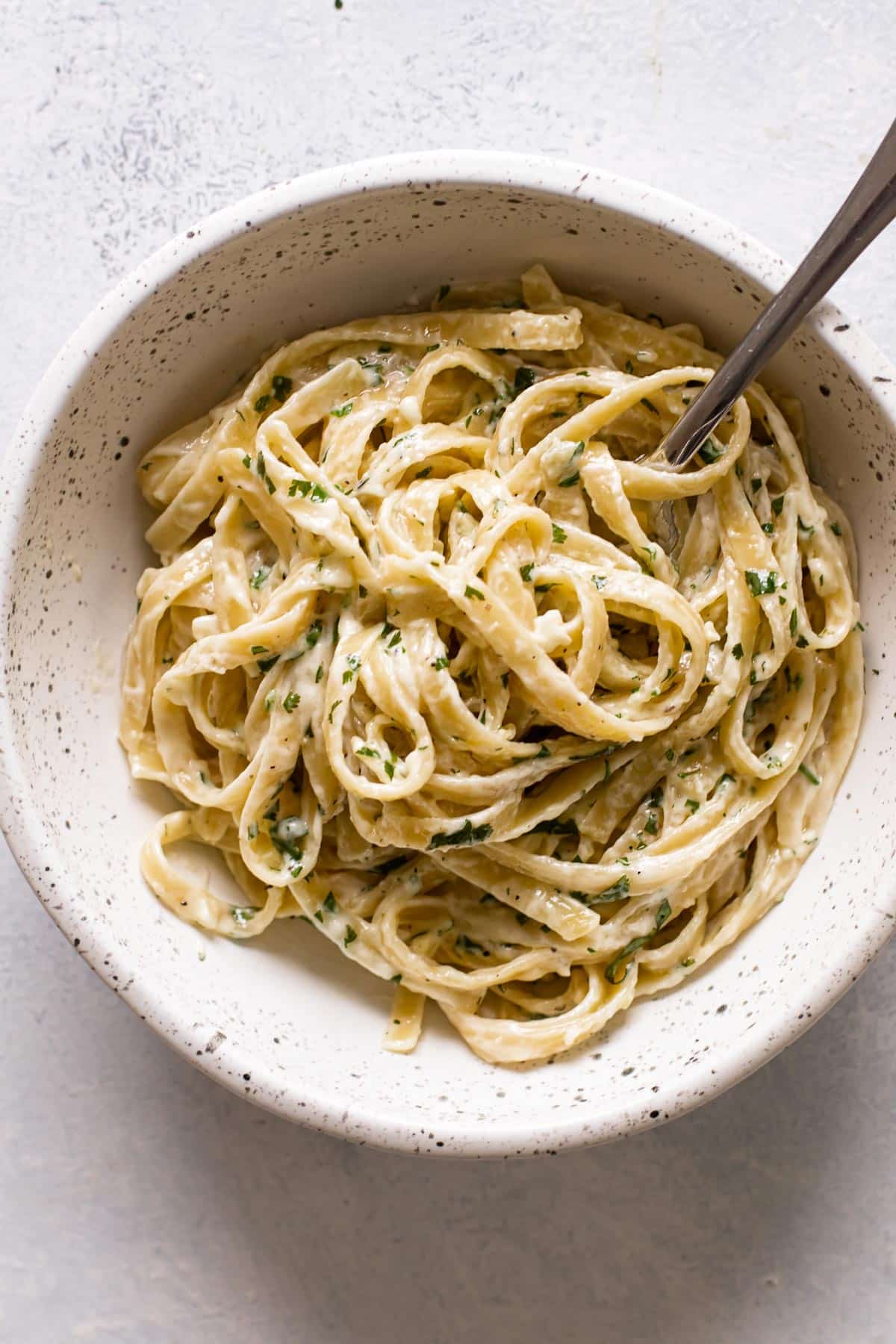
- Fettuccine and tagliatelle hold creamy sauces well
- Shells and rigatoni trap sauce inside their curves
- Spaghetti works with light creamy sauces
- Penne has ridges that catch sauce nicely
Tossing Techniques For Even Coating
Toss pasta gently with sauce to cover every strand. Stirring too hard may break pasta.
Use the cooking water to loosen thick sauce. Add a little water while tossing for smooth coating.
- Drain pasta but save some cooking water
- Mix pasta and sauce in a warm pan
- Add cooking water slowly to adjust thickness
- Toss pasta with sauce using tongs or a spoon
- Serve immediately for best texture
Credit: www.girlgonegourmet.com
Serving And Presentation Tips
Serving creamy pasta sauce well makes the dish more enjoyable. Presentation adds to the taste experience.
Simple touches can make your pasta look inviting and delicious. Use fresh ingredients and good plating ideas.
Garnishing With Fresh Ingredients
Fresh garnishes add color and flavor to creamy pasta sauce. They make the dish look lively and fresh.
Try to add herbs or vegetables just before serving. This keeps them bright and crisp on top of the pasta.
- Chopped fresh basil or parsley adds a green touch
- Grated Parmesan cheese gives a salty finish
- Thin slices of cherry tomatoes add sweetness and color
- Cracked black pepper adds contrast and aroma
Plating For Visual Appeal
How you plate creamy pasta sauce affects how good it looks. Use simple tricks to make your plate neat and attractive.
Use a wide, shallow bowl or plate to show the sauce and pasta. Arrange pasta in a small mound in the center.
- Twirl pasta with a fork for a tidy shape
- Leave some sauce visible on top and around the edges
- Wipe plate edges clean for a professional look
- Add a small garnish on top for height and color

Credit: parade.com
Frequently Asked Questions
What Ingredients Make Pasta Sauce Creamy?
Creamy pasta sauce typically includes heavy cream, butter, and cheese. These ingredients add richness and smooth texture to the sauce.
How Do I Prevent Pasta Sauce From Being Watery?
Simmer the sauce to reduce excess liquid. Use thickening agents like cream or cheese for a richer consistency.
Can I Make Creamy Pasta Sauce Without Cream?
Yes, you can use milk and flour or cashew cream as alternatives to heavy cream for a creamy texture.
How Long Should I Cook Creamy Pasta Sauce?
Cook the sauce on low heat for about 10-15 minutes. Stir occasionally to prevent burning and ensure smoothness.
Conclusion
Creamy pasta sauce is easy to make at home. Use fresh ingredients and simple steps. Stir gently to get the perfect texture. Taste often and adjust flavors as needed. Serve hot with your favorite pasta. Enjoy a delicious meal that feels special.
Cooking can be fun and relaxing. Try different herbs or cheeses for variety. Practice makes your sauce better each time. You will love making creamy pasta sauce yourself.