
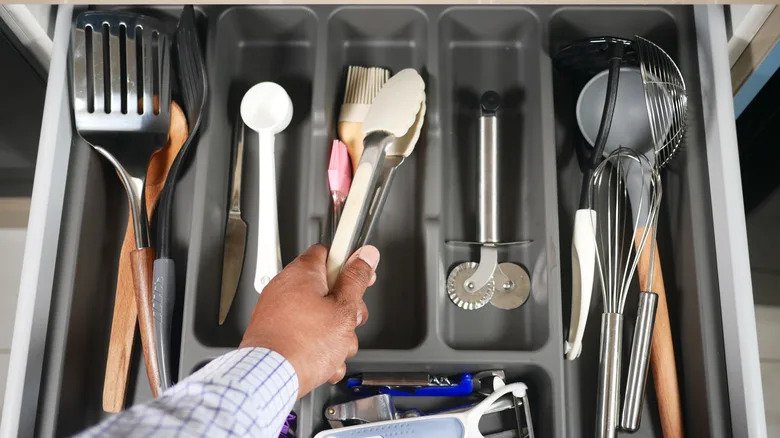
Your utensil trays do more than just hold your forks and spoons—they keep your kitchen organized and your cooking smooth. But if they get dirty or cluttered, finding what you need becomes a frustrating task.
What if you could keep your utensil trays spotless and neat with simple steps that save you time and stress every day? You’ll discover easy and effective ways to maintain your utensil trays so they always look fresh and work perfectly for you.
Stick with me, and you’ll never have to dig through a messy drawer again.
Credit: www.lemon8-app.com
Choosing The Right Utensil Tray
Keeping your kitchen organized starts with a good utensil tray. A well-chosen tray makes finding utensils easy and fast. Let’s explore how to pick the perfect one.
Consider the material, size, and compartments when choosing a utensil tray. These factors ensure the tray fits your needs and lasts longer.
Materials That Resist Stains
Stain-resistant materials keep your tray looking new. They prevent marks from sauces and oils. Choose wisely to avoid frequent cleaning.
- Plastic trays are easy to clean and lightweight.
- Stainless steel trays resist stains and are durable.
- Bamboo trays are eco-friendly and naturally stain-resistant.
Sizes And Compartments
Size and compartments affect how well utensils fit in the tray. Measure your drawer before buying. Ensure it fits and meets your storage needs.
More compartments help organize different utensils. Look for adjustable options for flexibility. A well-compartmented tray saves time during meal prep.
| Small Trays | Fit in compact drawers |
| Medium Trays | Provide more space for utensils |
| Large Trays | Best for large kitchens with many utensils |
Daily Cleaning Habits
Keeping utensil trays clean every day helps prevent germs and bad smells. It also makes your kitchen look neat and fresh.
Simple daily habits can keep your trays in good shape. These habits save time and avoid hard cleaning later.
Wiping After Use
Wipe the utensil trays right after you use them. This stops dirt and spills from drying and sticking.
Use a clean cloth or paper towel to wipe the trays gently. This keeps them clean and ready for the next use.
- Use a damp cloth for light cleaning
- Dry the tray with a soft towel
- Wipe corners and edges carefully
- Do this daily for best results
Removing Food Residue
Food residue can build up on trays if not cleaned well. Remove all leftover bits to keep trays hygienic.
Use warm water and mild soap to clean trays with stuck food. Scrub gently with a soft brush if needed.
- Soak trays in warm, soapy water for 10 minutes
- Use a brush to remove stuck food
- Rinse trays with clean water
- Dry trays completely before use
Deep Cleaning Techniques
Utensil trays often collect food crumbs and grease. Regular deep cleaning helps keep them hygienic and looking new.
Deep cleaning removes hidden dirt and prevents bad odors. It also stops bacteria from growing.
Soaking Methods
Soaking utensil trays loosens stuck food and grime. Use warm water and a cleaning agent for best results.
Fill a basin with warm water and add a few drops of dish soap. Soak the tray for 15 to 30 minutes.
- Use a soft brush to scrub after soaking
- Rinse well with clean water
- Dry with a clean cloth before use
Using Natural Cleaners
Natural cleaners are safe and effective for cleaning trays. They avoid harsh chemicals and keep surfaces safe.
Common natural cleaners include vinegar, baking soda, and lemon juice. These help break down grease and remove stains.
- Sprinkle baking soda on the tray, then add vinegar to fizz away dirt
- Rub lemon juice on stains to lighten marks
- Rinse thoroughly after using natural cleaners
Preventing Mold And Mildew
Utensil trays can easily gather moisture. Moisture leads to mold and mildew growth. Keeping trays clean and dry stops this problem.
Regular care helps your trays stay fresh and safe. Follow simple steps to prevent mold and mildew buildup.
Proper Drying
Dry trays fully after washing. Water left in trays causes mold to grow fast. Use a clean towel to wipe trays dry.
Let trays air dry in a clean, dry place. Avoid stacking trays until they are completely dry to stop moisture buildup.
- Wipe trays with a dry cloth after washing
- Place trays in a sunny spot to air dry
- Do not stack wet trays
- Check trays for damp spots before storing
Ventilation Tips
Good airflow helps keep trays dry and mold-free. Store trays in places with fresh air. Avoid closed, damp cabinets.
Use vents or fans near storage areas. This reduces humidity and stops mold spores from settling on trays.
- Keep storage areas well-ventilated
- Open windows or use vents regularly
- Use small fans if needed to improve airflow
- Do not store trays in damp or humid rooms
Organizing For Easy Maintenance
Keeping your utensil trays clean is easier when they are organized well. A neat tray saves time and effort during cleaning.
Organizing utensils properly helps you find what you need quickly. It also prevents damage and keeps the tray tidy.
Separating Utensils
Separate different types of utensils into sections. This stops them from mixing and makes cleaning easier.
Use dividers or small containers inside the tray to keep forks, spoons, and knives apart.
- Group similar utensils together
- Keep sharp items separate for safety
- Use trays with compartments if possible
Avoiding Overcrowding
Do not put too many utensils in one tray. Overcrowding makes it hard to clean and find items.
Leave space between utensils to prevent scratches and allow air to dry them faster.
- Remove extra utensils you don’t use often
- Use multiple trays if needed
- Keep only clean utensils in the tray
Regular Inspection And Repairs
Utensil trays need regular care to stay in good shape. Checking them often helps find small problems early.
Fixing trays quickly keeps them safe and useful. This guide explains how to inspect and repair trays.
Checking For Cracks
Look closely at trays for any cracks or splits. Cracks can cause trays to break or hold dirt.
Check corners and edges carefully. These areas often wear out first and need more attention.
- Use good light to spot small cracks
- Tap trays gently to hear any hollow sounds
- Mark cracks to track if they grow
Replacing Worn Parts
Some trays have parts that wear out, like rubber feet or dividers. Replace these parts to keep trays steady.
Use parts made for your tray model. This helps keep the tray strong and working well for a long time.
- Remove worn or broken parts carefully
- Clean the area before adding new parts
- Check that new parts fit tightly and do not move
Storing Utensil Trays When Not In Use
Utensil trays keep your kitchen organized and clean. Storing them properly helps maintain their condition.
Good storage prevents damage and keeps trays ready for use anytime.
Clean And Dry Storage
Always clean utensil trays before storing them. Wash off food residue and grease.
Dry trays fully to stop mold and odors from forming. Moisture harms the material over time.
- Use warm water and mild soap to clean
- Rinse trays thoroughly
- Dry with a clean towel or air dry
- Store only when completely dry
Protecting From Dust
Dust can settle on trays and affect their cleanliness. Cover trays when storing to block dust.
Store trays in closed cabinets or use plastic covers. This keeps trays clean and ready for use.
- Use plastic wrap or bags to cover trays
- Place trays in closed drawers or cupboards
- Keep storage areas dry and clean
- Check trays regularly for dust or dirt

Credit: www.yahoo.com

Credit: www.cnn.com
Frequently Asked Questions
How Often Should I Clean Utensil Trays?
Clean utensil trays weekly to prevent dirt buildup. Regular cleaning removes food residue and bacteria, keeping trays hygienic and fresh.
What Is The Best Way To Clean Utensil Trays?
Use warm soapy water and a soft brush. Rinse thoroughly and dry completely to avoid mold and rust.
Can I Use Dishwasher For Utensil Trays?
Check manufacturer instructions first. Many plastic trays are dishwasher-safe, but metal trays may require hand washing to prevent damage.
How Do I Prevent Utensil Trays From Smelling?
Dry trays completely after washing. Use baking soda or vinegar occasionally to neutralize odors and keep trays fresh.
Conclusion
Keeping utensil trays clean helps your kitchen stay neat and fresh. Regular washing stops germs and stains from building up. Dry trays well to avoid rust and bad smells. Check trays often for cracks or damage. Replace trays when they no longer work well.
Simple care keeps trays lasting longer and looking good. Small steps make a big difference in kitchen hygiene. A clean tray makes cooking and eating more pleasant. Stay consistent, and your utensil trays will serve you well.