
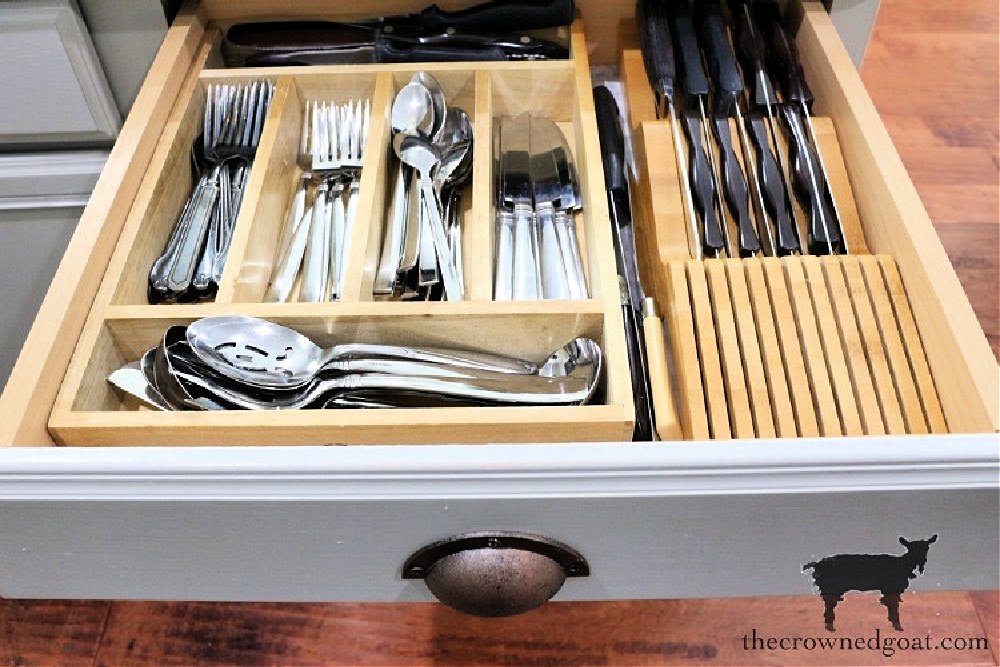
Are you tired of digging through cluttered drawers every time you need a spoon or spatula? Keeping your utensils organized can save you time, reduce stress, and make cooking more enjoyable.
Imagine opening your kitchen drawers and instantly finding exactly what you need without any hassle. You’ll discover simple, practical tips that will transform your utensil chaos into a neat, easy-to-manage system. Keep reading to learn how you can bring order to your kitchen and make your cooking routine smoother than ever.
Choose The Right Storage
Keeping your kitchen utensils organized makes cooking easier. Choosing the right storage is key to a tidy kitchen.
With the right containers and space management, you can find what you need quickly.
Assess Your Utensil Collection
Look at all the utensils you have. Decide which ones you use often and which ones you rarely need.
Group similar items together. Keep in mind, less-used items can be stored further away.
- Spatulas and spoons for daily cooking
- Specialty knives for occasional use
- Baking tools for weekend projects
Select Suitable Containers
Pick containers that fit your utensils well. Consider the size and shape of your tools.
Choose clear containers to see contents easily. Use dividers for better organization.
| Container Type | Best For |
| Drawer Inserts | Flatware and small tools |
| Canisters | Spatulas and whisks |
| Knife Blocks | Sharp knives |
Maximize Drawer Space
Drawers can hold many utensils if organized well. Use dividers to separate items.
Keep most-used tools in front. This saves time when cooking.
- Place flat items horizontally
- Stack similar items together
- Use small baskets for loose items

Credit: www.cnn.com
Sort And Categorize Utensils
Keeping utensils organized makes cooking easier and faster. Sorting and categorizing helps you find what you need quickly.
Start by grouping similar items together. This keeps your kitchen neat and your tools ready to use.
Group By Function
Put utensils that do the same job in one place. This helps you grab the right tool fast.
- Place all cutting tools like knives and peelers together.
- Keep stirring spoons and spatulas in one section.
- Group measuring cups and spoons nearby.
- Store baking tools like whisks and rolling pins in a single spot.
Separate Frequently Used Items
Keep your everyday utensils in easy reach. Store less used tools away from daily space.
This saves time and reduces clutter on your countertop or drawers.
- Place forks, knives, and spoons near the dishwasher or dining area.
- Keep cooking spoons and spatulas near the stove.
- Store specialty tools like garlic presses or zesters in a separate drawer.
Declutter Unnecessary Tools
Remove utensils you rarely use or have duplicates of. This frees up space.
Donate or recycle old tools to keep only what is needed and useful.
- Sort through drawers and cabinets regularly.
- Throw away broken or damaged utensils.
- Keep only one or two of each type of tool.
Use Vertical And Wall Space
Keeping utensils organized saves time and space in your kitchen. Using vertical and wall space can help you store items neatly.
Wall-mounted solutions free up drawer and counter space. They also make utensils easy to find and reach.
Install Hooks And Racks
Hooks and racks on walls or inside cabinets hold utensils securely. They keep items visible and easy to grab.
You can install hooks under cabinets or on empty wall spots. Racks with multiple bars work well for hanging many utensils.
- Use S-hooks for hanging spoons and spatulas
- Install a rack near the stove for quick access
- Choose sturdy hooks to hold heavy items
Utilize Magnetic Strips
Magnetic strips hold metal utensils and knives safely on the wall. They save drawer space and keep items organized.
Place magnetic strips in easy-to-reach spots. Make sure the strip is strong enough for your utensils.
- Use strips for knives, metal spatulas, and tongs
- Install near prep areas for convenience
- Keep strips away from kids for safety
Hang Utensils For Easy Access
Hanging utensils helps keep your kitchen tidy and utensils ready to use. It also shows you what you have at a glance.
Use pegboards, rails, or wall-mounted holders to hang your tools. Arrange them by type or frequency of use.
- Group similar utensils together
- Keep daily use items within arm’s reach
- Use labeled hooks to find items quickly
:max_bytes(150000):strip_icc()/We-Asked-5-Organizing-Experts-Their-1-Tip-for-Decluttering-Kitchens-They-All-Said-the-Same-Thing-b7390fb7ad4348cbb229df94c9039709.jpg)
Credit: www.eatingwell.com
Label Storage Areas
Keeping utensils organized saves time and keeps your kitchen neat. Labeling storage areas helps you find items quickly.
Labels show where each utensil belongs. This makes cleaning up easier for everyone in the house.
Create Clear Labels
Use simple words on labels so everyone understands them. Avoid long or confusing names.
Make labels big enough to read from a distance. Use easy-to-read fonts and avoid fancy styles.
- Use common names like “Forks,” “Spoons,” and “Knives.”
- Print labels or write neatly with a marker.
- Place labels at eye level or on drawer fronts.
Use Color Coding
Colors help you spot storage areas fast. Assign different colors to types of utensils or zones.
Use bright colors for frequently used items and soft colors for less used ones. This guides you at a glance.
- Red for cooking tools
- Blue for eating utensils
- Green for baking supplies
Maintain Consistency
Use the same style and color for labels in all storage areas. This avoids confusion and keeps things tidy.
Update labels if you move items. Consistent labeling helps everyone remember where things belong.
- Choose one font and size for all labels
- Stick to the same color scheme
- Replace old or damaged labels promptly
Clean And Maintain Regularly
Keeping utensils clean and organized helps your kitchen run smoothly. Regular maintenance stops mess and damage.
Simple habits keep your utensils ready to use. Clean often and check for any problems.
Schedule Routine Checks
Set a regular time to check your utensils. This helps catch dirt and damage early.
Look for broken handles, rust, or stains. Fix or replace items that do not work well.
Wipe Down Storage Spaces
Clean drawers, shelves, and racks where utensils are stored. Dirt can build up quickly in these spots.
Use a damp cloth to wipe surfaces every week. This keeps the storage fresh and free of dust.
- Remove all utensils before cleaning
- Use mild soap for sticky spots
- Dry surfaces fully before putting utensils back
Replace Damaged Items
Throw away utensils that are cracked or rusted. Damaged tools can be unsafe to use.
Replace worn items with new ones to keep your kitchen efficient. Always keep your tools in good shape.
Involve The Whole Family
Keeping utensils organized is easier when everyone helps. Family teamwork creates good habits and saves time.
Each person can play a part in keeping the kitchen tidy. This makes the task less stressful for one person.
Assign Organization Roles
Give each family member a clear job to do. This helps everyone know what they are responsible for.
Roles can be based on age or skills. Even small children can help with simple tasks.
- One person sorts forks, knives, and spoons.
- Another puts pots and pans away.
- Someone checks for missing or broken utensils.
- Kids can wipe small drawers or help put away plastic containers.
Encourage Proper Usage
Teach family members how to use utensils correctly. This keeps them in good shape longer.
Explain which utensil is for each task. Show how to handle sharp or fragile tools safely.
- Use knives only for cutting food.
- Place spoons and forks in their proper drawer sections.
- Handle glass or ceramic items gently.
- Do not mix dirty utensils with clean ones.
Teach Cleanup Habits
Show everyone how to clean and store utensils after use. This keeps the kitchen neat every day.
Make cleaning a simple routine. This helps avoid clutter and keeps utensils ready for the next meal.
- Rinse utensils right after use.
- Put them in the dishwasher or wash by hand.
- Dry utensils before storing them.
- Return each utensil to its assigned spot.

Credit: aviasworld.com
Frequently Asked Questions
How Often Should I Organize Kitchen Utensils?
Regular organization every few weeks prevents clutter and keeps utensils easy to find. Frequent tidying saves time during cooking and maintains cleanliness.
What Are The Best Storage Solutions For Utensils?
Use drawer dividers, utensil holders, and wall-mounted racks. These tools maximize space, improve accessibility, and keep utensils neatly separated.
How Can I Declutter My Utensil Drawer Effectively?
Remove unused or duplicate items first. Sort remaining utensils by type and frequency of use. Donate or recycle what you don’t need.
What Is The Ideal Way To Clean Utensils Before Storing?
Wash utensils thoroughly with warm soapy water. Dry completely to prevent rust or mold. Clean utensils last to maintain hygiene.
Conclusion
Keeping utensils organized saves time and reduces kitchen mess. Simple steps like sorting and storing each item help a lot. Regularly clean and check your utensil space to stay tidy. Use containers or dividers to keep things in place. A neat kitchen feels calm and makes cooking easier.
Small habits lead to lasting order. Start with one drawer and build from there. Consistency is key to maintaining utensil organization every day.