
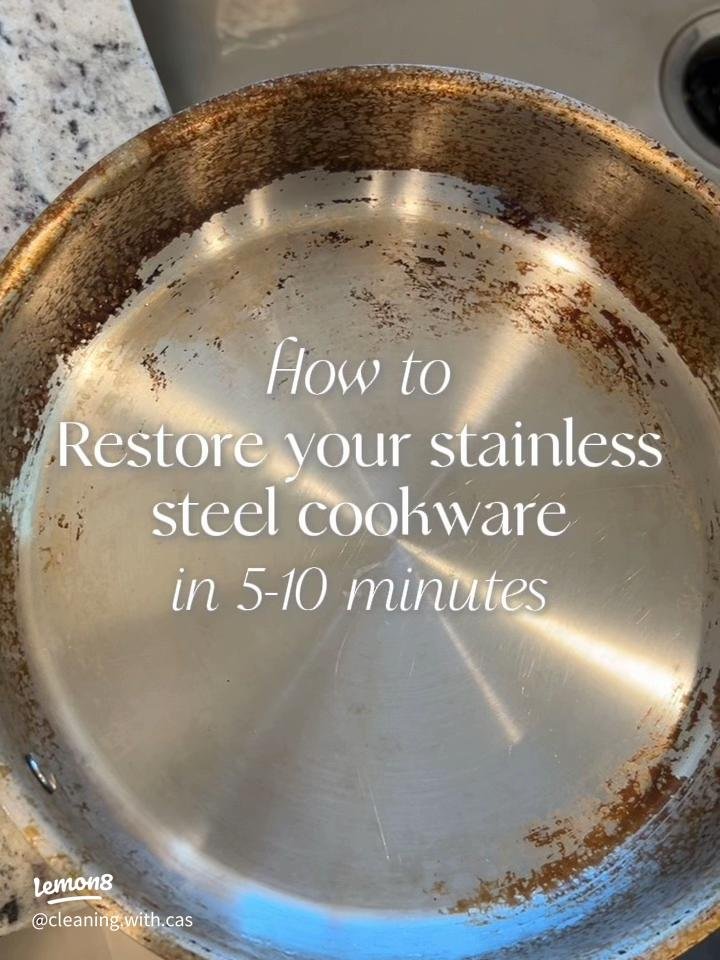
Your stainless steel cookware looks great when it’s shiny and new, but over time, it can lose its sparkle. You might notice dull spots, stains, or watermarks that make your pots and pans look tired.
The good news? You don’t need to replace them or spend hours scrubbing. With the right tips and simple steps, you can bring back that brilliant shine and keep your cookware looking its best. Keep reading to discover easy ways to maintain your stainless steel cookware’s shine and make your kitchen tools last longer.
Choosing Quality Stainless Steel
Stainless steel cookware lasts longer and looks better with the right choice. Picking quality steel helps keep the shine and makes cleaning easier.
Good stainless steel resists stains and rust. It also heats evenly to cook food well.
Look For The Right Grade
Stainless steel comes in many grades. The best for cookware is 18/10 or 18/8. These numbers show the mix of chromium and nickel.
Chromium helps prevent rust. Nickel adds shine and strength.
- 18/10 means 18% chromium and 10% nickel
- 18/8 means 18% chromium and 8% nickel
- Higher nickel gives a brighter shine
Check The Thickness And Weight
Thicker stainless steel cooks food evenly and lasts longer. Heavy cookware often means better quality.
Thin pots and pans can warp and lose shine after some use.
- Heavy weight means thicker metal
- Thick bases avoid hot spots
- Look for cookware with a solid feel
Choose Cookware With A Polished Finish
A polished finish looks shiny and helps keep the cookware clean. It also stops food from sticking easily.
Brushed finishes are less shiny but hide scratches well.
- Mirror polish shows a bright shine
- Brushed finish has a matte look
- Choose finish based on your cleaning preference
Check For A Good Warranty
A strong warranty shows the maker trusts their stainless steel quality. It also protects your investment.
Look for warranties that cover rust and warping for many years.
- Long warranties mean durable steel
- Check what the warranty covers
- Keep your receipt for warranty claims
:max_bytes(150000):strip_icc()/spr-stainless-steel-cleaner-test-group-kenedee-fowler-10-1-723e8bcd3ccd47658369b74038ad6a5d.jpeg)
Credit: www.thespruce.com
Daily Cleaning Routine
Keeping stainless steel cookware shiny needs a daily cleaning routine.
Simple care after cooking helps keep the shine and stops stains.
Gentle Washing Techniques
Use warm water and mild dish soap to clean your cookware.
- Wash with a soft sponge or cloth to avoid scratches.
- Rinse thoroughly to remove soap residue.
- Dry with a soft towel to prevent water spots.
- Clean cookware soon after use for best results.
Avoiding Abrasive Cleaners
Avoid cleaners with harsh chemicals or rough scrubbing pads.
| Cleaner Type | Effect on Cookware |
| Steel wool | Scratches and dulls surface |
| Bleach or ammonia | Damages finish and causes discoloration |
| Harsh powders | Can leave permanent marks |
| Mild dish soap | Safe and effective for daily use |
Removing Stubborn Stains
Stainless steel cookware looks best when it shines. Stains can make it look dull and old.
Some stains are hard to remove with just soap and water. Using natural cleaners can help bring back the shine.
Using Baking Soda Paste
Baking soda works well to lift tough stains. It is gentle and safe for stainless steel surfaces.
- Mix baking soda with water to form a thick paste.
- Apply the paste to the stained areas.
- Let it sit for 15 minutes to break down the stains.
- Scrub gently with a soft cloth or sponge.
- Rinse with warm water and dry with a towel.
Vinegar For Water Spots
Water spots can leave marks that are hard to clean. Vinegar helps dissolve these spots quickly.
| Material | Vinegar Use | Effect Time |
| Stainless Steel | Spray or apply with cloth | 5 to 10 minutes |
| Cookware Exterior | Wipe with vinegar-soaked cloth | 10 minutes |
| Cookware Interior | Rinse well after vinegar use | Immediate rinse |

Credit: www.reddit.com
Polishing For Extra Shine
Stainless steel cookware looks best when it shines. Polishing helps keep that bright, clean look. It removes spots and light scratches.
There are different ways to polish your cookware. You can use store-bought products or make your own at home. Both work well if done right.
Commercial Stainless Steel Polishes
Commercial polishes are made for stainless steel surfaces. They clean, shine, and protect the metal. Most come in cream, liquid, or paste form.
- Use a soft cloth to apply polish in small amounts.
- Rub gently in circular motions to avoid scratches.
- Let the polish sit for a few minutes if the label says so.
- Buff with a clean, dry cloth until the surface shines.
- Always follow the instructions on the product label.
Homemade Polishing Solutions
Homemade solutions use simple ingredients found in your kitchen. They are gentle and safe for regular use. Here are some easy recipes to try.
| Solution | Ingredients | How to Use |
| Baking Soda Paste | Baking soda + water | Mix into paste, rub on cookware, rinse, dry |
| Vinegar Spray | White vinegar + water (1:1) | Spray on surface, wipe with cloth, buff dry |
| Lemon and Salt | Lemon juice + salt | Rub lemon and salt on spots, rinse, dry |
Preventing Discoloration
Stainless steel cookware looks great when it stays shiny. Discoloration can make it look old and dull.
Simple care tips help keep the shine and prevent color changes on your pots and pans.
Temperature Control Tips
High heat can cause stains or rainbow colors on stainless steel. Use moderate heat for cooking.
- Preheat the pan on low to medium heat.
- Add oil or food only after the pan warms up.
- Turn off heat soon after cooking to avoid overheating.
- Use cookware designed for your stovetop type.
Avoiding Salt Damage
Salt can cause tiny pits or marks on the steel surface. Add salt after water boils or food is cooking well.
| Salt Usage | What to Do |
|---|---|
| Adding salt to cold water | Can cause pitting. Avoid this practice. |
| Adding salt after boiling | Safe and prevents damage. |
| Cleaning salt deposits | Use a soft cloth and warm water. |
Storage And Handling
Keeping your stainless steel cookware shiny depends a lot on how you store and handle it. Careful storage stops scratches and damage. Proper handling keeps the surface smooth and bright.
Use the right methods to stack and store your pots and pans. This protects their finish and extends their life.
Proper Stacking Techniques
Stacking cookware the wrong way can cause scratches and dents. Follow these tips to keep your stainless steel looking new:
- Place a soft cloth or paper towel between each piece.
- Stack heavier items at the bottom and lighter ones on top.
- Avoid piling too many pieces together to prevent pressure damage.
- Keep lids separate or upside down to avoid marks on cookware rims.
Protective Storage Solutions
Use storage options that shield your cookware from dust, moisture, and scratches. Consider these protective storage ideas:
| Storage Type | Benefits | Notes |
| Cookware Rack | Keeps pots separate and easy to access | Use padded hooks or holders |
| Cabinet Shelf Liner | Prevents sliding and scratches | Choose non-slip material |
| Protective Covers | Guards against dust and moisture | Use breathable fabric covers |
| Drawer Organizers | Separates pieces and reduces damage | Adjust compartments to fit cookware size |
Long-term Maintenance Strategies
Maintaining the shine of stainless steel cookware keeps it looking new. Long-term care helps prevent stains and scratches.
Using the right methods regularly can extend the life of your cookware. Simple checks and professional help keep the surface bright.
Regular Inspections
Check your stainless steel cookware often for any signs of damage. Look for scratches, discoloration, or stains that may need attention.
- Inspect the surface after every use and cleaning.
- Look for water spots or heat marks that can dull shine.
- Note any dents or deep scratches that may require repair.
- Check handles and joints to ensure they are secure.
Professional Restoration Options
When regular cleaning does not restore the shine, consider professional services. Experts use special tools to polish and repair cookware.
| Service | Description |
| Deep Polishing | Removes scratches and restores mirror finish |
| Reconditioning | Fixes discoloration and heat damage |
| Handle Repair | Secures loose handles and replaces damaged parts |
| Protective Coating | Applies a layer to resist stains and marks |

Credit: www.carawayhome.com
Frequently Asked Questions
How Often Should I Clean Stainless Steel Cookware?
Clean stainless steel cookware after every use to maintain its shine. Regular washing prevents food residue buildup and stains. Use warm water, mild detergent, and a soft sponge for best results. Avoid harsh scrubbers that can scratch the surface and dull the shine.
What Household Items Help Restore Cookware Shine?
Vinegar and baking soda effectively restore stainless steel shine. Apply vinegar to remove water spots and polish the surface. Baking soda gently scrubs away stains without scratching. Both are natural, affordable, and safe for regular use on cookware.
Can Dishwasher Harm Stainless Steel Cookware Shine?
Dishwashers can dull stainless steel cookware over time. High heat and harsh detergents cause discoloration and damage the finish. Hand washing with mild soap and warm water is recommended to keep the cookware shiny and prolong its life.
How To Remove Stubborn Stains From Stainless Steel Cookware?
Use a paste of baking soda and water for stubborn stains. Apply the paste, let it sit for 15 minutes, then scrub gently with a soft sponge. Rinse thoroughly and dry immediately to prevent water spots and maintain shine.
Conclusion
Keeping your stainless steel cookware shiny takes small daily steps. Clean with gentle soap and soft cloths after each use. Avoid harsh scrubbing or strong chemicals that can dull the surface. Dry your pots and pans fully to stop water spots.
Regular care keeps them looking new and lasts longer. Simple habits protect your investment and make cooking more enjoyable. Shine stays bright with easy, consistent cleaning. Your kitchen tools will thank you.