
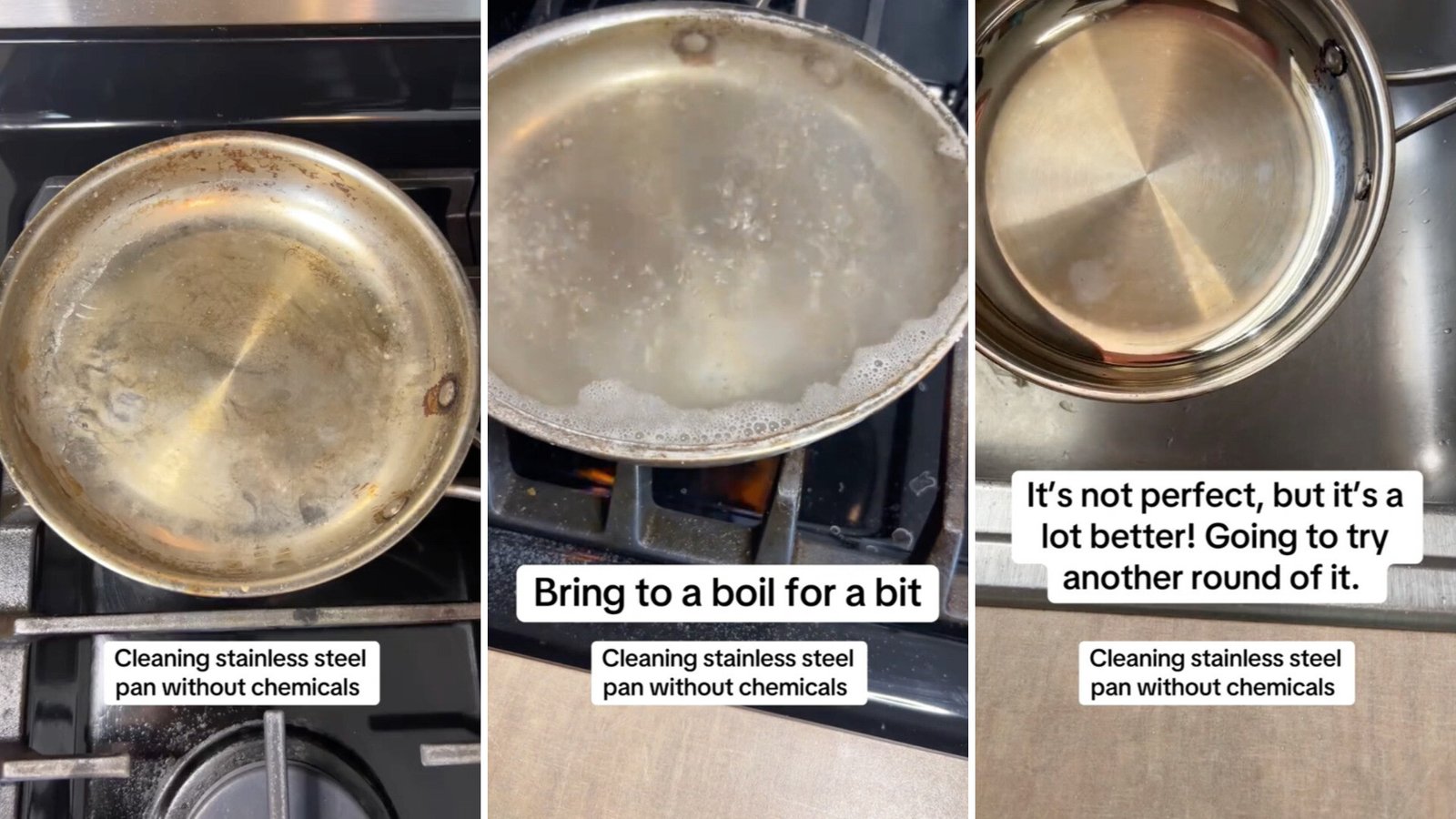
Your stainless steel cookware is an investment that can last for years, but only if you take good care of it. If you’ve ever struggled with stubborn stains, discoloration, or food sticking to the surface, you know how frustrating it can be.
The good news? Maintaining your stainless steel pots and pans doesn’t have to be a chore. You’ll discover simple, effective tips to keep your cookware looking shiny and performing at its best. Ready to unlock the secret to effortless cleaning and long-lasting shine?
Let’s dive in.
Choosing The Right Cleaning Products
Caring for stainless steel cookware starts with picking the right cleaning products. Using harsh chemicals or abrasive materials can damage the surface.
Safe cleaning products keep your cookware shiny and extend its life. Learn how to choose them wisely for the best results.
Avoid Harsh Chemicals
Strong chemicals can scratch or discolor stainless steel. Avoid bleach, ammonia, and chlorine cleaners. These products may harm the finish.
Use Mild Detergents
Choose mild dish soap or gentle cleaners made for stainless steel. They clean well without causing damage. Always check the label first.
Natural Cleaning Options
Natural products like baking soda and vinegar can clean stainless steel safely. They remove stains and polish the surface without harsh effects.
- Baking soda: gently scrubs stains
- White vinegar: removes water spots
- Olive oil: polishes and restores shine
Choosing The Right Cleaning Tool
| Tool | Use | Avoid |
| Soft sponge | Daily cleaning | Scratches, rust |
| Microfiber cloth | Polishing | None |
| Steel wool | Not recommended | Scratches surface |
| Plastic scrubber | Stubborn stains | Harsh scrubbing |
Daily Cleaning Routine
Keeping stainless steel cookware clean every day helps it last longer. A simple cleaning routine removes food and stains quickly.
Use gentle methods to protect the surface and keep your pots and pans shiny. Avoid harsh actions that can cause damage.
Gentle Washing Techniques
Wash your cookware with warm water and mild soap. Use a soft sponge or cloth to clean the surface carefully.
- Rinse cookware with warm water before washing
- Apply a small amount of gentle dish soap
- Use a soft sponge or microfiber cloth
- Rinse well to remove all soap residue
- Dry immediately with a soft towel to avoid water spots
Avoiding Abrasive Tools
Do not use steel wool or rough brushes. These tools can scratch the steel and ruin the finish.
| Tool | Use for Stainless Steel Cookware? |
| Steel Wool | No |
| Soft Sponge | Yes |
| Plastic Scrubber | Yes |
| Metal Brush | No |
| Microfiber Cloth | Yes |
Removing Stubborn Stains
Stainless steel cookware looks great but can get stained over time. Stubborn stains need special care to keep your pots and pans shiny.
Using the right cleaning methods helps remove tough marks without damaging the surface. This guide explains how to clean burnt residue and use natural cleaners.
Dealing With Burnt Residue
Burnt food can stick to stainless steel and leave dark marks. Avoid scrubbing hard with metal tools to prevent scratches.
Fill the cookware with water and a little dish soap. Heat it on low for 10 to 15 minutes to loosen the burnt bits.
- Let the water cool before cleaning
- Use a soft sponge or nylon brush to scrub
- Rinse well and dry with a soft cloth
Using Natural Cleaners
Natural cleaners work well on stains without harsh chemicals. Baking soda and vinegar are safe and effective choices.
Make a paste of baking soda and water to scrub the stained area gently. Rinse with vinegar to remove residue and shine the surface.
- Apply baking soda paste on the stain
- Let it sit for 10 minutes
- Scrub softly with a sponge
- Pour vinegar to rinse and brighten
- Wash with warm water and dry
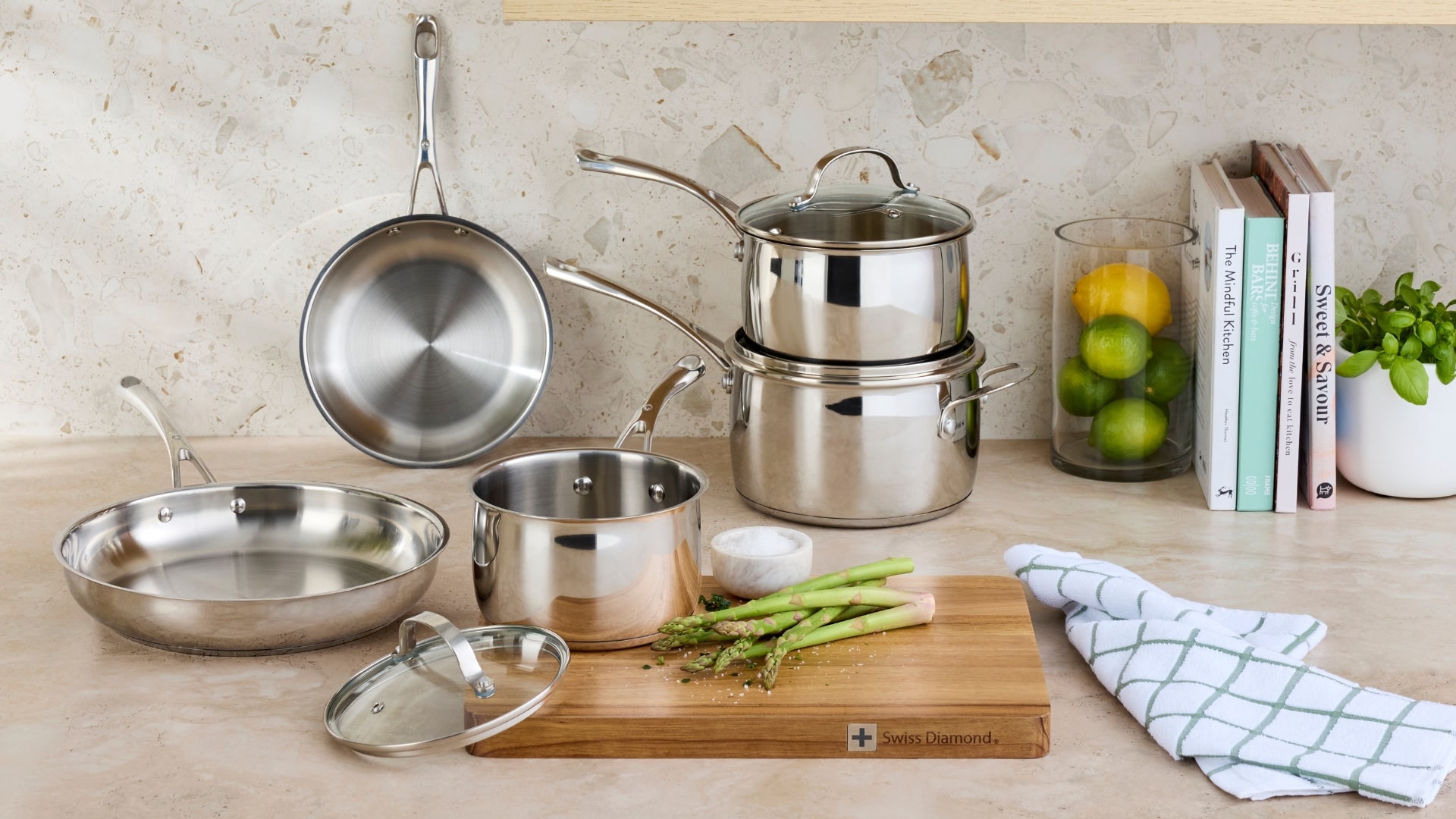
Credit: www.harrisscarfe.com.au
Preventing Water Spots
Water spots often appear on stainless steel cookware after washing. These spots are caused by minerals in water that dry on the surface. Preventing water spots keeps your cookware looking clean and shiny.
Simple drying and cleaning methods can reduce or stop water spots. Use the right techniques to maintain the beauty of your cookware.
Proper Drying Methods
Drying your cookware quickly and thoroughly stops water from leaving spots. Air drying can cause marks to form. Use a soft cloth to dry your items right after washing.
- Use a clean microfiber or cotton towel.
- Wipe cookware immediately after rinsing.
- Dry all surfaces, including handles and lids.
- Avoid letting water air dry on the steel.
- Store cookware in a dry place after drying.
Using Vinegar Solutions
Vinegar helps remove mineral deposits that cause water spots. A mild vinegar solution cleans your cookware without damage.
| Vinegar Solution | How to Use |
| 1 part white vinegar + 3 parts water | Spray on cookware, then wipe with a soft cloth |
| Undiluted vinegar | Apply to tough spots, let sit 5 minutes, rinse well |
| Vinegar soak | Soak small items for 10 minutes, rinse and dry |
Handling Heat Discoloration
Stainless steel cookware can change color after being exposed to high heat. This heat discoloration looks like rainbow patches or dark spots on the surface. It happens because the metal reacts to heat and air.
Heat discoloration does not harm the cookware. You can clean it and restore its shine with simple care. Learning how to handle this helps keep your pots and pans looking good.
Restoring Shine
To bring back the shine, use gentle cleaning methods. Avoid harsh scrubbing that can scratch the surface. Soft cloths and mild cleaners work best for stainless steel.
Try these steps to restore the shine:
- Make a paste with baking soda and water.
- Apply the paste to the discolored area.
- Rub gently with a soft cloth or sponge.
- Rinse well with warm water.
- Dry the cookware completely with a clean towel.
Tips For Heat Control
Controlling heat helps prevent discoloration. Use medium or low heat for most cooking tasks. High heat can cause stains and damage the cookware’s surface.
Follow these tips to manage heat better:
- Preheat your pan on low to medium heat.
- Do not leave empty cookware on a hot burner.
- Use burner sizes that match the pan size.
- Turn off the heat soon after cooking.
- Allow cookware to cool before washing.
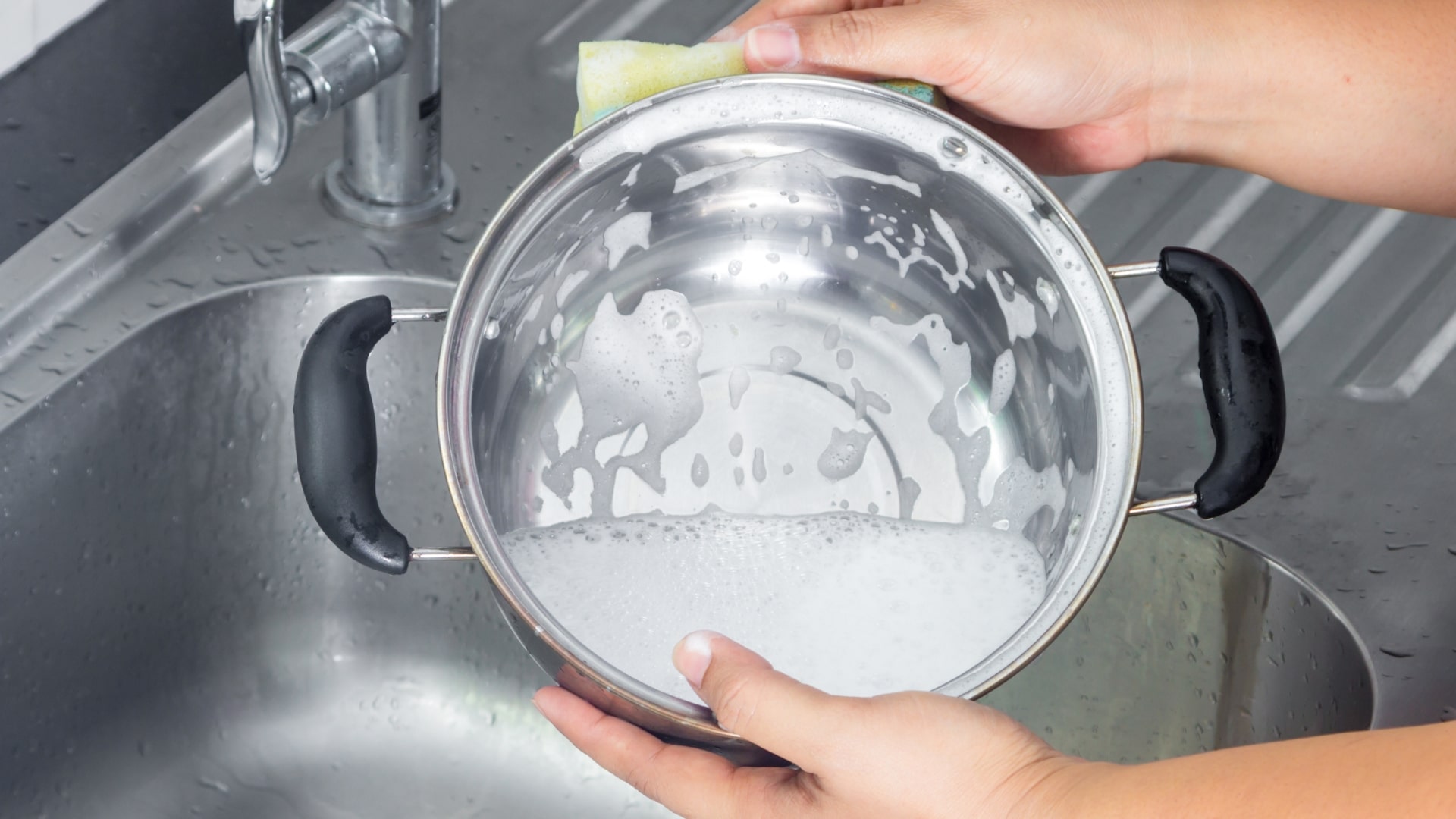
Credit: www.harrisscarfe.com.au
Storage Tips For Durability
Stainless steel cookware lasts longer with proper storage. Good storage keeps pots and pans safe from damage and wear.
Use smart storage ideas to keep your cookware in top shape. This helps maintain its shine and performance.
Stacking Techniques
Stacking cookware without care can cause scratches and dents. Place soft liners or cloth between each piece to protect surfaces.
Arrange cookware by size. Put larger pots at the bottom and smaller ones on top to avoid tipping and damage.
- Use felt or cloth liners between pans
- Stack pots and pans by size
- Store lids separately or upside down
- Keep handles aligned to avoid bending
Avoiding Moisture
Moisture causes rust and stains on stainless steel. Always dry cookware completely before storing it.
Store cookware in a dry place with good air flow. Avoid closed cabinets that trap humidity and moisture.
- Wipe cookware dry after washing
- Use a drying rack to air dry fully
- Store in a ventilated cupboard or shelf
- Keep silica gel packs nearby to absorb moisture
When To Seek Professional Help
Stainless steel cookware is strong and lasts a long time. Still, some problems need expert care to fix.
Knowing when to get professional help keeps your cookware safe and working well.
Deep Scratches Or Dents
Small scratches are normal, but deep ones can harm cookware. Dents may cause uneven cooking.
Experts can repair dents and deep scratches to restore your cookware’s surface.
Stubborn Stains And Discoloration
Some stains do not come off with regular cleaning. Discoloration may affect cooking quality.
Professional cleaning can remove tough stains without damaging the metal.
Warping Or Bent Cookware
Warped pans do not sit flat on the stove. This causes uneven heat and poor cooking results.
Experts can sometimes reshape warped pans to make them flat again.
Loose Handles Or Parts
Loose handles are dangerous and can cause burns or spills. They need to be fixed quickly.
A professional can tighten or replace loose parts safely and securely.
Cracks Or Structural Damage
Cracks in stainless steel cookware can cause leaks and make it unsafe to use.
Only professionals should repair cracks or recommend replacement if needed.
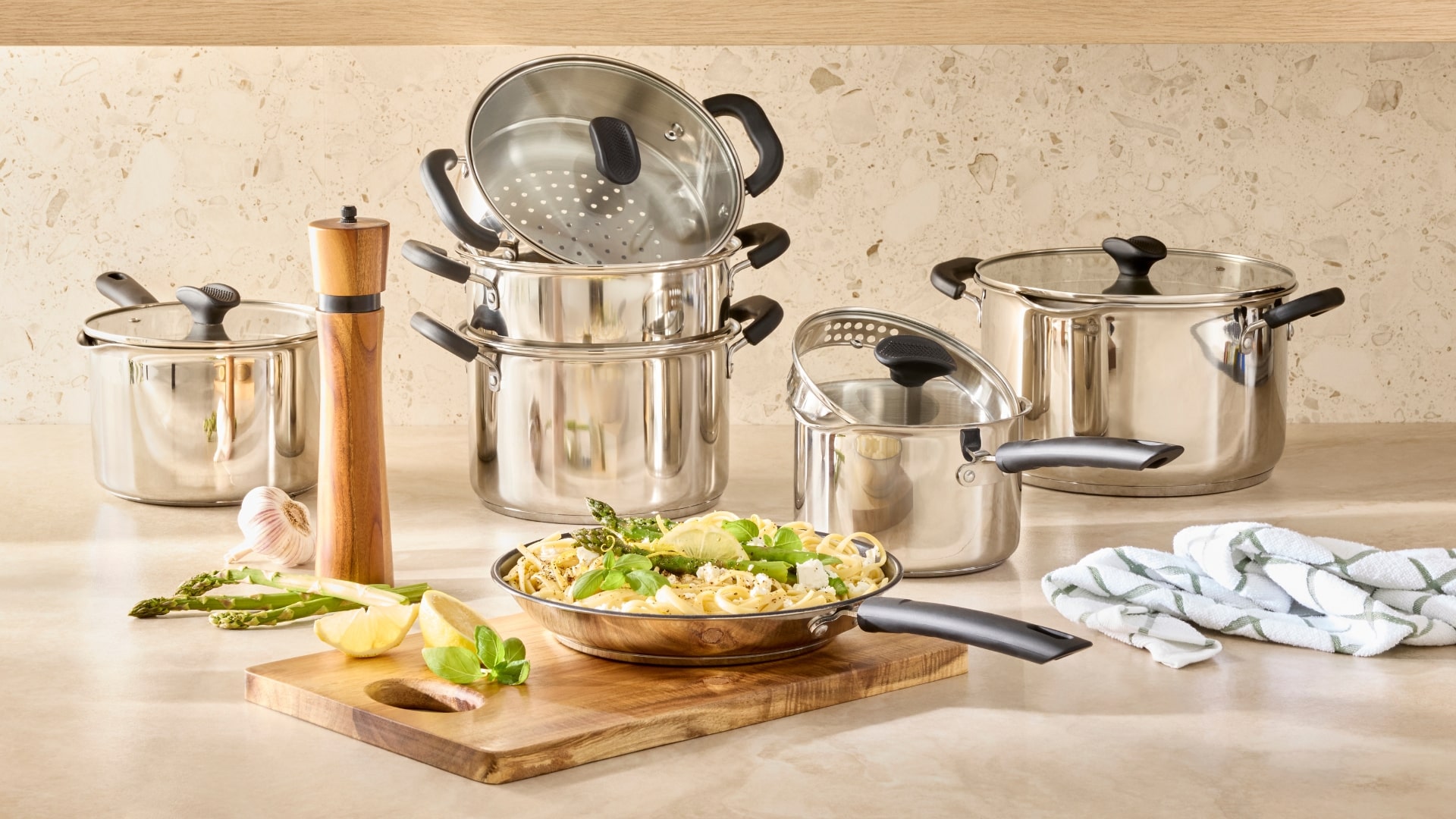
Credit: www.harrisscarfe.com.au
Frequently Asked Questions
How Do I Clean Stainless Steel Cookware Effectively?
Use warm water, mild detergent, and a soft sponge to clean. Avoid abrasive cleaners and steel wool to prevent scratches. For stubborn stains, use baking soda paste or vinegar for gentle scrubbing.
Can Stainless Steel Cookware Rust Over Time?
Stainless steel is resistant to rust but not completely immune. Proper cleaning and drying after use prevent rust formation. Avoid leaving cookware wet or soaking for long periods.
What Is The Best Way To Remove Discoloration?
To remove discoloration, use a mixture of vinegar and water. Boil it in the cookware, then rinse and dry thoroughly. This restores shine and removes heat stains safely.
How Often Should I Polish Stainless Steel Cookware?
Polish your cookware every few months or as needed. Use a stainless steel cleaner or a mixture of vinegar and olive oil. Polishing maintains shine and protects the surface.
Conclusion
Stainless steel cookware lasts longer with simple care steps. Clean pots and pans after each use to avoid stains. Use mild soap and soft cloths to keep surfaces shiny. Avoid harsh scrubbing to protect the finish. Store cookware properly to prevent scratches and dents.
Regular maintenance saves money and keeps your kitchen tools ready. Good care means better cooking and a neat kitchen. Keep these tips in mind for lasting stainless steel cookware. Easy habits make a big difference over time.