
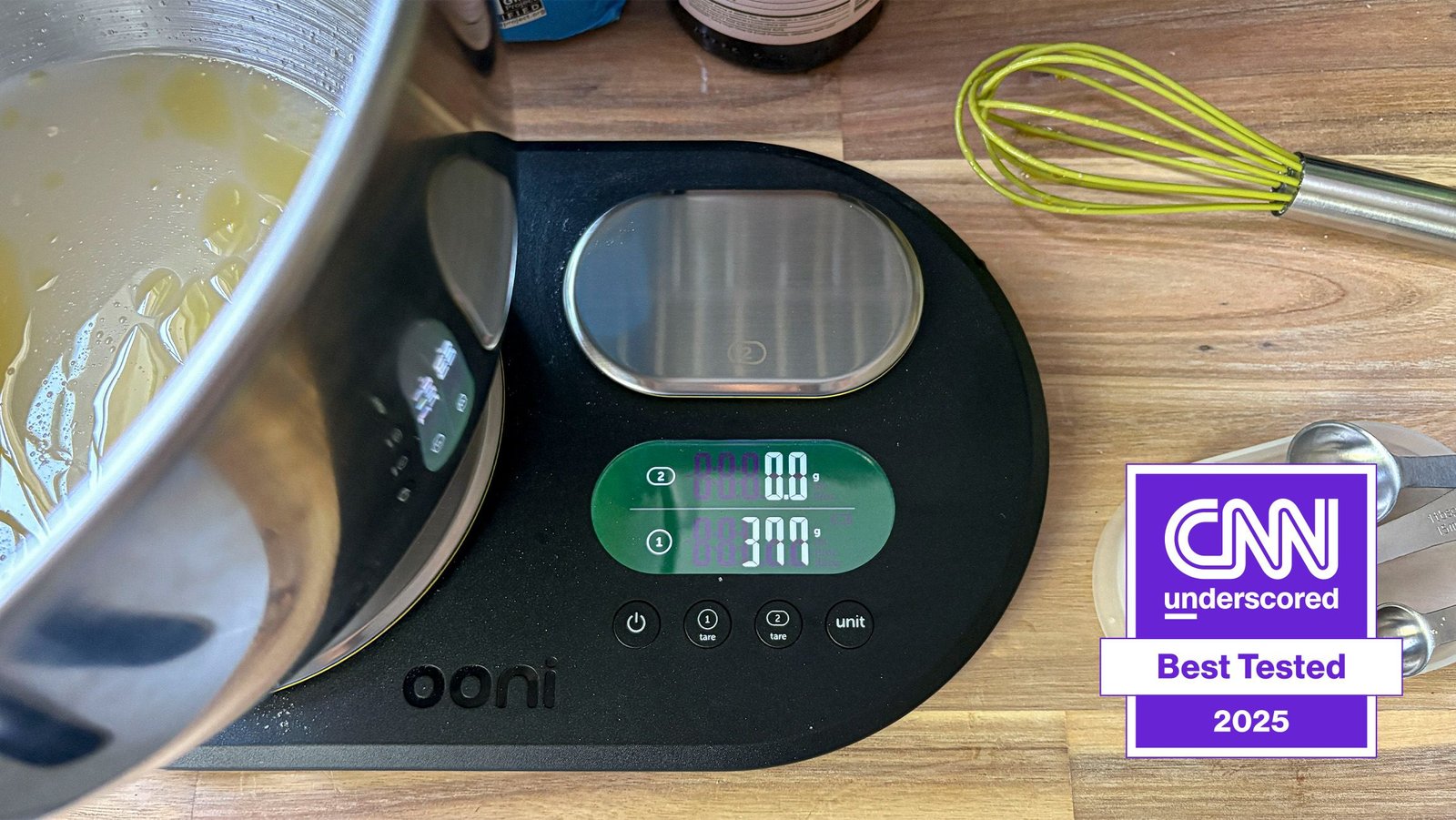
Your smart kitchen scale is more than just a gadget—it’s your secret weapon for precise cooking and healthier meals. But to keep it working flawlessly, you need to care for it the right way.
Imagine cutting down on cooking mistakes and saving money by avoiding unnecessary replacements. Curious how simple steps can extend your scale’s life and accuracy? Keep reading, and you’ll discover easy tips that anyone can follow to maintain your smart kitchen scale like a pro.
Choosing The Right Location
Smart kitchen scales are helpful for precise measurements. It’s important to place them in a good spot.
A well-chosen location helps keep your scale accurate. It also ensures a longer lifespan for the device.
Avoiding Moisture And Heat
Moisture can damage electronic parts. Heat can affect the scale’s readings. Keep the scale away from sinks and stoves.
Find a cool and dry place in your kitchen. This will protect the scale from harmful conditions.
- Keep the scale away from direct sunlight
- Avoid placing it near boiling pots
- Do not store it in damp cabinets
Stable And Flat Surfaces
Place the scale on a stable, flat surface. This helps ensure accurate measurements.
A wobbly surface can give false readings. A firm countertop is usually the best choice.
- Check the surface for stability
- Ensure there are no bumps or tilts
- Avoid placing on soft mats
:max_bytes(150000):strip_icc()/faw-oxo-good-grips-11lb-stainless-steel-food-scale-pull-out-display-nsimpson-47-fddd2161f20f4bfe982395c1f4676b34.jpeg)
Credit: www.foodandwine.com
Regular Cleaning Practices
Keeping your smart kitchen scale clean helps it work better and last longer. Dirt and spills can cause wrong readings or damage.
Clean your scale regularly using safe methods. This keeps sensors clear and prevents damage from moisture.
Safe Cleaning Materials
Use soft cloths and gentle cleaning products. Harsh chemicals can harm the scale’s surface and sensors.
- Microfiber cloths are ideal for wiping
- Mild soap mixed with water works well
- Avoid abrasive sponges or brushes
- Never use bleach or strong solvents
Cleaning The Sensor Area
The sensor area is sensitive and must be cleaned gently. Dust or food particles here cause wrong weight readings.
Wipe the sensor area carefully with a soft, dry cloth. If needed, slightly dampen the cloth with water and dry immediately.
- Do not press hard on the sensor area
- Remove any debris with a soft brush
- Keep the sensor dry after cleaning
Avoiding Water Damage
Water can damage the smart scale’s electronics. Avoid soaking or spraying water directly on it.
Use a slightly damp cloth to clean. Turn off the scale and unplug it before cleaning. Let it dry fully before use.
- Never submerge the scale in water
- Keep water away from battery compartments
- Dry the scale completely after cleaning
Battery Maintenance
Smart kitchen scales need good battery care to work well. Keeping batteries healthy helps the scale give correct readings.
Checking and changing batteries on time stops errors and saves money. Rechargeable options can also help the environment.
Checking Battery Levels
Look at your scale’s screen for battery icons. Some show full, half, or empty levels.
If the scale works slowly or turns off, the battery may be low. Check it often to avoid surprises.
Replacing Batteries Properly
Remove old batteries carefully to avoid damage. Use the right size and type of new batteries.
Follow the plus and minus signs inside the battery slot to insert batteries correctly. Wrong placement can break the scale.
- Turn off the scale before changing batteries
- Use clean, dry hands or gloves
- Dispose of old batteries safely
- Close the battery cover tightly
Using Rechargeable Options
Rechargeable batteries save money over time. They reduce waste and help the environment.
Use chargers made for your battery type. Charge batteries fully before use to get the best results.
- Choose NiMH or lithium rechargeable batteries
- Avoid mixing old and new batteries
- Charge batteries away from heat and water
- Replace rechargeable batteries after many charges

Credit: www.amazon.com
Calibration Techniques
Smart kitchen scales need regular calibration to stay accurate. Calibration adjusts the scale to measure weight correctly.
Using the right calibration techniques keeps your scale reliable for cooking and baking.
When To Calibrate
Calibrate your smart kitchen scale if the readings seem off or inconsistent. Also, calibrate after moving the scale or changing batteries.
Regular calibration helps maintain accuracy. It is good to check calibration every few months or as needed.
- If scale shows zero but no weight is on it
- After dropping or bumping the scale
- When switching between different units of measure
- Following battery replacement
- If you notice inaccurate measurements
Step-by-step Calibration Process
Use a known weight to calibrate your scale. This weight should match the scale’s calibration weight or be a common object with a precise weight.
Follow these steps to calibrate your smart kitchen scale:
- Turn on the scale and wait for it to zero out.
- Press the calibration button or access calibration mode.
- Place the calibration weight on the scale.
- Wait for the scale to register the weight and adjust.
- Remove the weight and check if the scale returns to zero.
- Test with other weights to confirm accuracy.
Always follow your scale’s user manual for specific calibration instructions. Use clean, flat surfaces and avoid drafts during calibration.
Software Updates And Connectivity
Smart kitchen scales rely on software to work well. Keeping software updated helps the scale run smoothly and add new features.
Good connectivity lets your scale send data to apps or devices. It also helps the scale stay synced and accurate.
Keeping Firmware Updated
Firmware is the software inside your smart scale. Updating it fixes bugs and improves performance.
Check for updates regularly using the scale’s app or website. Follow the instructions to download and install updates.
- Connect your scale to Wi-Fi or Bluetooth
- Open the app linked to your scale
- Look for a firmware update option
- Download and install the update
- Restart the scale after updating
Troubleshooting Connectivity Issues
If your scale does not connect to your device, check the connection settings. Common problems include weak signals and wrong pairing.
Try simple fixes like restarting devices or turning Bluetooth off and on again. Make sure your app has permission to access Bluetooth.
- Move closer to your phone or Wi-Fi router
- Turn Bluetooth off, then back on
- Restart your smart scale
- Close and reopen the app
- Check app permissions for Bluetooth
- Forget the device and pair it again
Storage Tips
Keeping your smart kitchen scales in good condition needs proper storage. Storing them right helps keep accuracy and extend their life.
We will share simple tips to protect your scales from dust and damage. You will also learn the best places to store them safely.
Protecting From Dust And Damage
Dust can clog sensors and buttons on your kitchen scales. Dirt may cause errors or stop the scales from working well.
Protect scales by keeping them in a clean and dry place. Avoid dropping or stacking heavy items on top of them.
- Use a cover or case to keep dust away.
- Place scales on a soft surface when storing.
- Keep away from sharp objects that can scratch.
- Handle with care to avoid falls or knocks.
Ideal Storage Conditions
Store your smart kitchen scales in a cool, dry place. Avoid spots with high heat or moisture that can damage electronics.
Stable temperature and low humidity help keep internal parts safe. Avoid direct sunlight or places near the stove.
- Keep scales in a kitchen drawer or cabinet.
- Do not store near ovens or sinks.
- Store away from strong magnets or electronics.
- Remove batteries if not used for a long time.
Avoiding Common Mistakes
Smart kitchen scales help measure ingredients accurately. Taking care of them keeps them working well.
Avoid simple mistakes that can damage your scale or reduce its accuracy. This guide shows how.
Overloading The Scale
Putting too much weight on the scale can break its sensors. Always check the maximum weight limit first.
Try not to place heavy pots or pans directly on the scale. Use smaller containers to protect it.
- Know your scale’s weight limit
- Use light containers to hold ingredients
- Distribute weight evenly on the platform
- Avoid dropping heavy items on the scale
Using Incompatible Accessories
Using accessories not made for your scale can cause errors or damage. Always use parts that fit.
Check if the accessories are designed for your model. Wrong items can affect the scale’s sensors or balance.
- Use manufacturer-approved accessories
- Avoid heavy or unstable containers
- Do not place objects beyond the scale’s edges
- Replace worn or broken parts quickly
:max_bytes(150000):strip_icc()/faw-kitchen-scales-primary-nsimpson-1-1-4e80d8cc755a48029ac3ac5709583fec.jpeg)
Credit: www.foodandwine.com
Frequently Asked Questions
How Often Should I Clean My Smart Kitchen Scale?
Clean your smart kitchen scale after every use. Use a damp cloth with mild soap. Avoid soaking or submerging it in water. This keeps sensors accurate and prevents damage. Regular cleaning maintains hygiene and prolongs the scale’s lifespan.
What Batteries Are Best For Smart Kitchen Scales?
Use the battery type recommended by the manufacturer. Most smart scales use AAA or coin-cell batteries. Replace batteries promptly when the display dims. Using fresh batteries ensures accurate readings and uninterrupted usage.
Can I Calibrate My Smart Kitchen Scale At Home?
Yes, most smart scales allow home calibration. Follow the manufacturer’s instructions carefully. Use a known weight or calibration weight for accuracy. Regular calibration keeps measurements precise and reliable.
How To Store A Smart Kitchen Scale Properly?
Store your scale in a dry, cool place. Avoid exposure to extreme temperatures or moisture. Keep it away from heavy objects to prevent damage. Proper storage preserves sensor function and extends device life.
Conclusion
Keeping your smart kitchen scales clean and dry helps them last longer. Regularly check the batteries to avoid sudden power loss. Use a soft cloth to wipe the surface gently. Avoid using harsh chemicals or soaking the scales in water.
Store them in a safe, dry place when not in use. Following these simple steps saves money and keeps your scales accurate. Small care makes a big difference in your kitchen tools. Enjoy precise measurements every time you cook or bake.