
Your smart induction cooktop is more than just a kitchen gadget—it’s a powerful tool that makes cooking faster and easier. But to keep it working perfectly, you need to take good care of it.
Imagine avoiding costly repairs and enjoying smooth, efficient cooking every time you turn it on. You’ll discover simple, practical tips to maintain your smart induction cooktop like a pro. Stick with me, and you’ll unlock the secrets to keeping your cooktop spotless, safe, and long-lasting.
Ready to protect your investment and make cooking a breeze? Let’s dive in!
Credit: www.thecooldown.com
Cleaning Basics
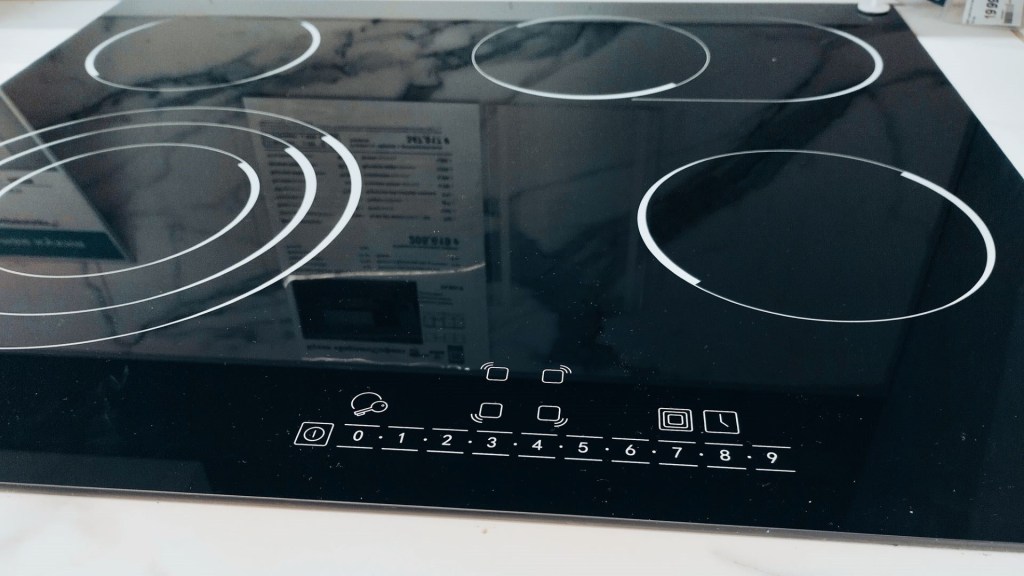
Smart induction cooktops are popular in modern kitchens. They require regular cleaning to maintain their efficiency and look.
Understanding the basics of cleaning is essential. It helps in keeping your cooktop in top condition.
Choosing Safe Cleaners
Always choose cleaners that are safe for glass surfaces. Avoid abrasive materials that can scratch the cooktop.
Look for cleaners specifically made for induction cooktops. These cleaners ensure that the surface remains shiny and scratch-free.
- Non-abrasive glass cleaner
- Vinegar and water mix
- Soft microfiber cloths
Daily Wipe Down Routine
A daily wipe down keeps your cooktop looking new. Use a soft cloth to remove spills and crumbs after each use.
Make sure the cooktop is cool before cleaning. This prevents any risk of burns and ensures safe cleaning.
- Allow cooktop to cool
- Use a damp cloth to wipe spills
- Dry with a soft towel
Removing Stubborn Stains
Stubborn stains need special attention. Gently scrape off burnt food with a plastic scraper.
Use a specialized cooktop cleaner for tough stains. Follow with a soft cloth to buff the area.
- Plastic scraper for burnt food
- Specialized cooktop cleaner
- Buff with a soft cloth
Credit: ciarragadgets.com
Preventing Damage
Smart induction cooktops need careful use to stay in good shape. Preventing damage helps them work well for a long time.
This guide explains how to avoid scratches, handle spills, and use the right cookware.
Avoiding Scratches
Scratches can make your cooktop look bad and harm its surface. Use gentle cleaning tools and avoid dragging pots.
Always lift cookware when moving it. Clean the cooktop with soft cloths or sponges.
- Do not slide pots or pans across the surface
- Use soft cloths for cleaning
- Avoid abrasive cleaners or pads
Handling Spills Properly
Spills can cause stains or damage if not cleaned quickly. Turn off the cooktop before wiping spills.
Use a soft, damp cloth to clean spills after the cooktop cools down. Avoid harsh chemicals on the surface.
- Clean spills immediately after cooking
- Turn off cooktop before cleaning
- Use mild soap and water if needed
Using Compatible Cookware
Induction cooktops work best with certain pots and pans. Using the right cookware prevents damage and improves heating.
Choose cookware with flat bottoms and magnetic material like stainless steel or cast iron.
- Use flat-bottomed pots and pans
- Choose magnetic materials such as cast iron
- Avoid glass, copper, or aluminum without induction base
Regular Checks
Regular checks help keep your smart induction cooktop working well. These checks find problems early and prevent damage.
Focus on the cooktop surface and electrical connections. These parts need careful inspection to ensure safety and performance.
Inspecting Cooktop Surface
Check the cooktop surface for cracks, chips, or stains. Clean the surface with a soft cloth and mild cleaner.
Do not use sharp tools or harsh chemicals. These can damage the glass or touch controls.
- Look for cracks or chips on the glass top
- Remove food spills quickly to avoid stains
- Use a soft, damp cloth for cleaning
- Avoid abrasive cleaners or scrubbers
- Check touch controls for proper response
Checking Electrical Connections
Turn off the power before inspecting electrical connections. Look for loose wires or damaged plugs.
Ensure the power cord is not bent or frayed. Check that the plug fits securely into the outlet.
- Switch off power before checking connections
- Look for loose or exposed wires
- Check power cord for cuts or bends
- Make sure plug fits tightly in socket
- Contact a professional if you see damage

Credit: wiproappliances.com
Proper Usage Tips
Smart induction cooktops use magnetic fields to heat pots quickly. Using them the right way helps keep them safe and lasts longer.
Follow simple tips to avoid damage and cook your meals well on these cooktops.
Optimal Heat Settings
Use the correct heat setting for each dish. Too high heat can burn food or damage cookware.
Start cooking at medium heat. Increase only if needed to avoid overheating.
- Low heat for simmering and gentle cooking
- Medium heat for everyday cooking
- High heat for boiling or searing only when necessary
Avoiding Overheating
Do not leave empty cookware on the cooktop. It can cause the surface to overheat and get damaged.
Turn off the cooktop if you see smoke or smell burning. Let it cool before cleaning or using again.
- Never heat empty pots or pans
- Use cookware that fits the cooking zone
- Keep the cooktop clean to avoid heat buildup
Safe Cooking Practices
Always place pots in the center of the cooking zone. This helps the cooktop heat evenly and safely.
Use cookware with flat bottoms. Uneven pots can cause poor contact and heating problems.
- Use pots made for induction cooking
- Keep the cooktop surface dry and clean
- Do not place metal objects like spoons or lids on the cooktop
Troubleshooting Common Issues
Smart induction cooktops are easy to use but can have small problems. Knowing how to fix them saves time and money.
This guide helps you solve common issues with your cooktop quickly and safely.
Dealing With Error Codes
Your cooktop shows error codes to tell you about problems. Learn what these codes mean to fix issues fast.
Check your user manual for exact meanings of error codes. Some common errors include overheating and pan detection problems.
- Error code “E1”: No pan detected. Place a compatible pan on the cooktop.
- Error code “E2”: Overheating. Turn off the cooktop and let it cool.
- Error code “E3”: Voltage problem. Check your power supply or try another outlet.
- Error code “E4”: Internal error. Restart the cooktop or contact support if it repeats.
Fixing Uneven Heating
Uneven heating causes food to cook poorly. This issue is often due to the pan or cooktop surface.
Make sure your pans are flat and made for induction cooking. Uneven bottoms can cause hot spots.
- Use flat, magnetic pans designed for induction.
- Clean the cooktop surface to remove dirt or spills.
- Place the pan in the center of the burner.
- Avoid using warped or damaged cookware.
When To Call Professionals
Smart induction cooktops need regular care to work well. Some problems require expert help to fix safely.
Knowing when to call a professional saves time and prevents damage to your cooktop.
Identifying Serious Problems
Some issues look small but can harm your cooktop or cause danger. Call a pro if you see:
- Cracked or broken glass surface
- Cooktop not heating despite power
- Burning smells or smoke during use
- Buttons or controls not responding
- Display showing error codes repeatedly
- Sparks or unusual noises from the cooktop
Do not try to open or fix these problems yourself. It may cause electric shock or damage.
Finding Qualified Technicians
Look for technicians who know smart induction cooktops well. Check their experience and skills.
Choose a technician who offers warranty on repairs and uses original parts.
- Search for certified appliance repair specialists
- Read reviews from other customers
- Ask about their experience with smart cooktops
- Confirm if they provide service guarantees
- Check if they use manufacturer-approved parts
Frequently Asked Questions
How Often Should I Clean My Smart Induction Cooktop?
Clean your smart induction cooktop after every use. Wipe spills immediately with a soft, damp cloth. Use gentle, non-abrasive cleaners weekly to maintain shine and prevent buildup. Regular cleaning improves performance and extends the cooktop’s lifespan.
What Is The Best Cleaner For Induction Cooktops?
Use a mild, non-abrasive cleaner specifically designed for glass or ceramic surfaces. Avoid harsh chemicals and abrasive pads that can scratch. A mixture of water and vinegar or a specialized induction cooktop cleaner works well for safe, effective cleaning.
How To Avoid Scratches On Smart Induction Cooktops?
Always use cookware with smooth, flat bottoms to prevent scratches. Lift pots and pans instead of sliding them across the surface. Avoid abrasive sponges or harsh cleaners that can damage the glass top.
Can I Use Any Cookware On A Smart Induction Cooktop?
No, only magnetic cookware works on induction cooktops. Use pots and pans made of cast iron or stainless steel with a magnetic base. Non-magnetic materials like aluminum or copper won’t heat properly.
Conclusion
Maintaining your smart induction cooktop keeps it working well for years. Clean spills quickly to avoid stains and damage. Use soft cloths and mild cleaners for safety. Avoid dragging pots to prevent scratches on the surface. Regular care saves money on repairs and replacements.
Enjoy cooking with a clean, efficient cooktop every day. Small efforts make a big difference in performance. Keep these tips handy and your cooktop will last longer. Simple steps lead to better results and happy cooking.