
Your smart induction cooktop is one of the best tools in your kitchen, making cooking faster and easier. But to keep it working perfectly, you need to take good care of it.
If you don’t maintain it properly, you could face problems that slow you down or cost you money. You’ll discover simple and effective ways to keep your cooktop clean, safe, and running like new. Stick with me, and you’ll learn how a little care can save you big headaches later.
Ready to make your smart cooktop last longer and work better? Let’s dive in!
Cleaning Techniques
Smart induction cooktops are efficient and easy to use. Keeping them clean ensures they work well and last longer. Here are some tips on how to maintain their shine and functionality.
Daily Wiping Methods
Wipe your cooktop after every use to remove spills and stains. Use a soft cloth or sponge with warm water for this task.
Avoid using abrasive pads. They can scratch the surface. Regular cleaning keeps your cooktop looking new.
Removing Stubborn Stains
For tough stains, let the cooktop cool first. Then apply a small amount of cooktop cleaner or white vinegar.
Gently rub with a microfiber cloth. Rinse with water and dry with a clean towel to avoid streaks.
Safe Cleaning Products
Choose products that are safe for glass surfaces. Avoid bleach and strong chemicals.
- Use cooktop-specific cleaners
- Opt for natural products like vinegar and baking soda
- Always read labels before use

Credit: wiproappliances.com
Preventive Care
Smart induction cooktops need regular care to work well for a long time. Preventive care helps avoid damage and keeps them clean.
Taking simple steps can protect your cooktop from scratches, spills, and other problems. This guide shows easy ways to maintain your cooktop.
Avoiding Scratches
Scratches can damage the cooktop surface and make it look old. Avoid dragging pots and pans across the glass surface.
Lift cookware instead of sliding it. Use soft cleaning cloths to clean the surface and avoid harsh scrubbers.
- Do not use metal utensils directly on the cooktop
- Place a soft cloth under heavy cookware if needed
- Clean gently with non-abrasive materials
Proper Cookware Selection
Choose cookware that works well with induction cooktops. Cookware must have a flat and magnetic bottom for good contact.
Using the right pots and pans helps the cooktop heat evenly and prevents damage to the surface.
- Use cookware made from cast iron or stainless steel
- Avoid warped or uneven-bottomed pots
- Check if the cookware is induction compatible
Managing Spills Immediately
Spills can burn onto the cooktop if left too long. Clean spills as soon as the surface cools down.
Use a soft cloth or sponge and mild cleaner to remove spills. This stops stains and keeps the cooktop safe.
- Turn off the cooktop before cleaning spills
- Wait for the surface to cool completely
- Wipe spills gently with a damp cloth
- Avoid harsh chemicals or abrasive pads
Usage Tips
Smart induction cooktops need proper care to work well. Using them right keeps them safe and lasts longer.
Follow simple tips to get the best cooking results and save energy.
Optimal Temperature Settings
Set the cooktop to the right temperature for each dish. Too high heat can burn food or damage the surface.
Use medium or low heat for slow cooking. High heat is good only for quick boiling or frying.
- Start with medium heat and adjust as needed
- Avoid using maximum heat for long times
- Use the cooktop’s preset modes for best results
Energy Efficiency Practices
Smart cooktops save energy by heating only the pan bottom. Use flat, magnetic pans for better contact.
Turn off the cooktop a few minutes before cooking ends. The residual heat will finish the job and save power.
- Use cookware that matches the cooktop size
- Keep the cooktop clean to avoid heat loss
- Use the timer function to avoid overcooking
Handling Power Surges
Power surges can damage smart cooktops. Use a surge protector to keep the appliance safe during storms or outages.
Unplug the cooktop if you expect a long power outage. Check the user manual for reset instructions after a surge.
- Install a good quality surge protector
- Avoid plugging many devices in the same outlet
- Contact a professional if the cooktop shows error after a surge
Troubleshooting Common Issues
Smart induction cooktops are easy to use but can have problems sometimes. Knowing how to fix common issues saves time and keeps your cooktop working well.
This guide helps you understand error codes, reset your cooktop, and decide when to call a technician.
Error Code Meanings
Your cooktop shows error codes to tell you what is wrong. These codes help you fix problems quickly.
| Error Code | Meaning |
|---|---|
| E1 | Cooktop overheated. Turn off and cool down. |
| E2 | No pan detected. Place a compatible pan on the cooktop. |
| E3 | Voltage error. Check your power supply. |
| E4 | Sensor error. Clean the cooktop surface. |
| E5 | Internal circuit fault. May need professional repair. |
Resetting The Cooktop
Resetting the cooktop can fix minor issues and clear error codes. It is simple and safe to do.
- Turn off the cooktop using the power button.
- Unplug the cooktop from the power outlet.
- Wait for at least 1 minute to let it cool down.
- Plug it back in and press the power button to turn it on.
- Check if the error code is gone and the cooktop works normally.
When To Call A Technician
Some problems need professional help. Call a technician if you cannot fix the issue yourself.
- The cooktop does not turn on after resetting.
- Error codes keep appearing after several resets.
- You see sparks or smell burning.
- The cooktop heats unevenly or does not heat at all.
- You notice cracks or damage on the cooktop surface.
Maintenance Schedule
Smart induction cooktops need regular care to work well. Following a maintenance schedule helps keep them safe and efficient.
Simple checks and cleanings done on time prevent problems and extend your cooktop’s life.
Weekly Checks
Check your cooktop for any dirt or spills after each use. Wipe the surface with a soft cloth and mild cleaner.
Look at the control panel and power cord for damage or loose parts. Make sure all buttons work well.
- Clean spills immediately
- Inspect control panel and buttons
- Check the power cord for damage
- Ensure the cooktop is dry before use
Monthly Deep Cleaning
Remove any stubborn stains or grease from the cooktop surface. Use a non-abrasive cleaner made for induction cooktops.
Clean the ventilation areas carefully to avoid dust buildup. Dust can cause the cooktop to overheat.
- Use a soft sponge with cooktop cleaner
- Clean under the edges and corners
- Vacuum or wipe ventilation areas
- Dry the surface completely before use
Annual Professional Servicing
Hire a professional technician to inspect your cooktop once a year. They check electrical parts and clean inside safely.
This service helps find hidden faults early. It keeps your cooktop working well and extends its life.
- Inspect electrical connections
- Test safety features
- Clean internal parts
- Replace worn components if needed
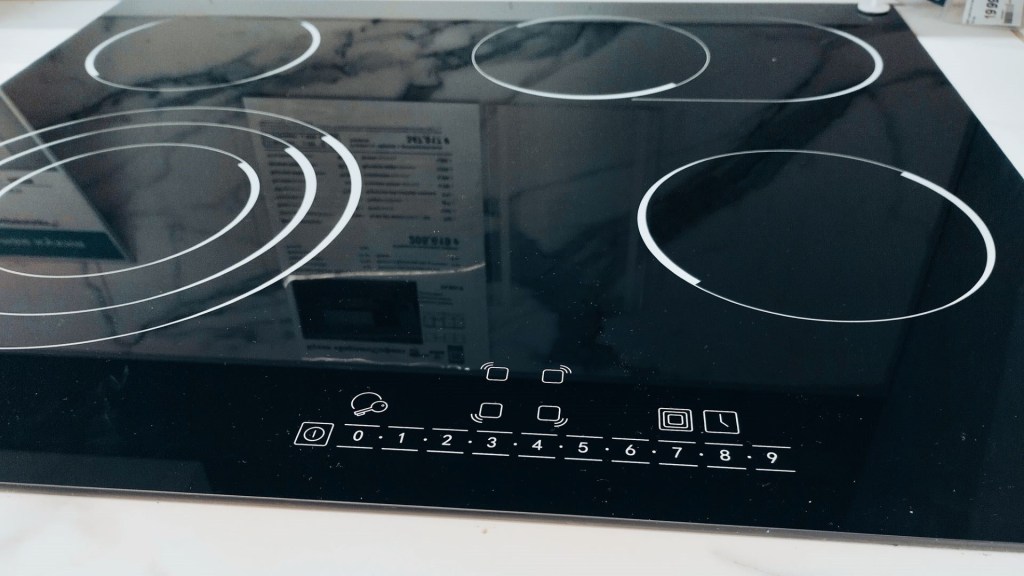
Credit: www.thecooldown.com
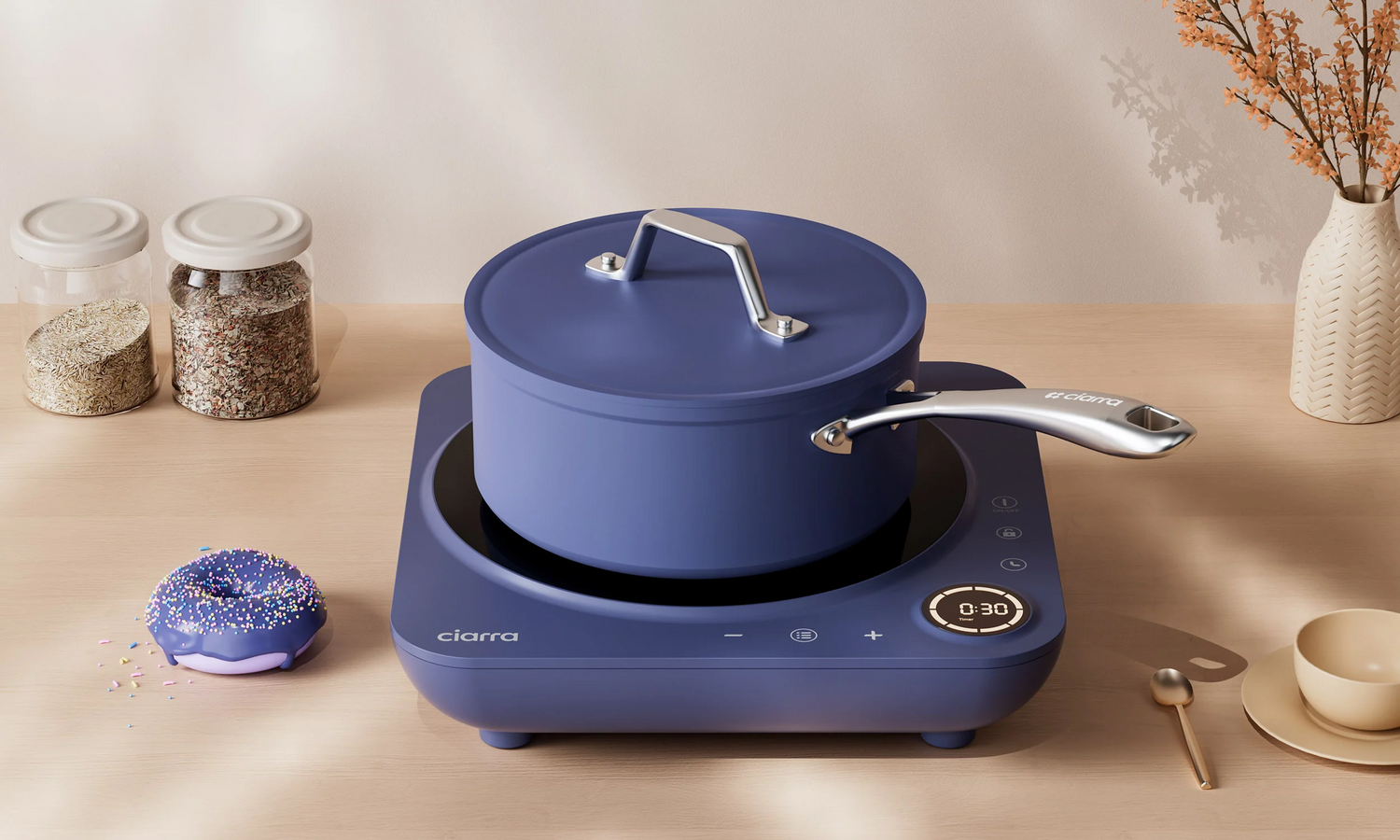
Credit: ciarragadgets.com
Frequently Asked Questions
How Often Should I Clean My Smart Induction Cooktop?
Clean your smart induction cooktop after every use to avoid stains. Use a soft cloth with mild detergent. Avoid abrasive cleaners or scrubbers to prevent damage. Regular cleaning keeps it efficient and extends its lifespan.
What Is The Best Way To Remove Tough Stains?
For tough stains, use a cooktop scraper gently. Apply a specialized induction cooktop cleaner for residue. Avoid harsh chemicals that may damage the surface. Always wipe clean with a soft, damp cloth afterward.
Can I Use Any Cookware On A Smart Induction Cooktop?
No, only use magnetic cookware like cast iron or stainless steel. Non-magnetic pots won’t work effectively on induction cooktops. Check for a magnet-friendly base to ensure compatibility and optimal cooking performance.
How Do I Prevent Scratches On My Induction Cooktop?
Avoid sliding pots or pans across the cooktop surface. Lift cookware when moving it to prevent scratches. Use cookware with smooth, flat bottoms to minimize abrasion. Regular cleaning also helps avoid grit buildup causing scratches.
Conclusion
Maintaining your smart induction cooktop keeps it working well for years. Clean the surface gently after each use. Avoid harsh tools that can scratch the glass. Check the manual for specific care tips. Regular care prevents damage and saves money.
Small steps make a big difference in performance. Enjoy cooking with a clean, safe, and efficient cooktop every day. Simple habits help your kitchen stay smart and shiny. Keep it neat, and it will serve you well.