
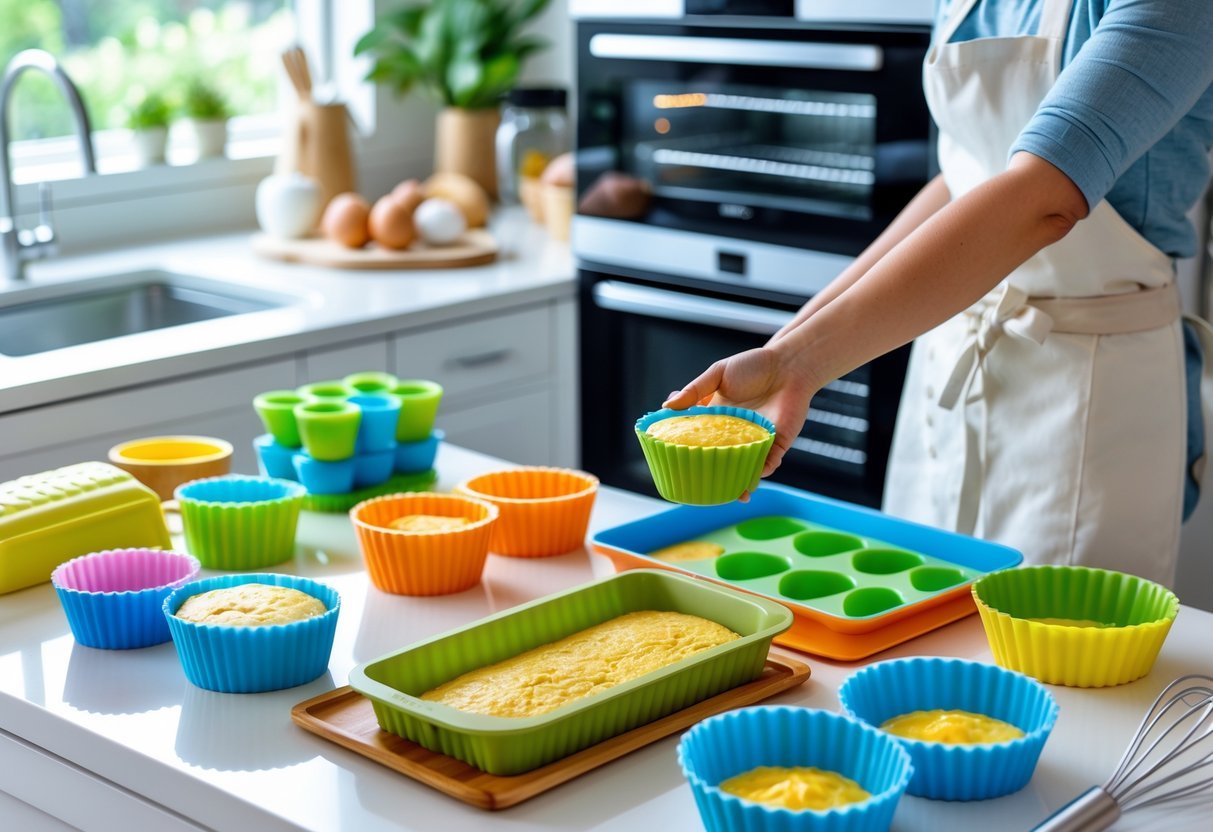
If you love baking, you probably know how handy silicone bakeware can be. But do you know the best way to keep it working like new?
Taking care of your silicone bakeware isn’t hard, but if you skip a few simple steps, it can lose its magic. You’ll discover easy tips to clean, store, and maintain your silicone bakeware so it lasts longer and performs better every time you use it.
Keep reading to make your baking experience smoother and more enjoyable!
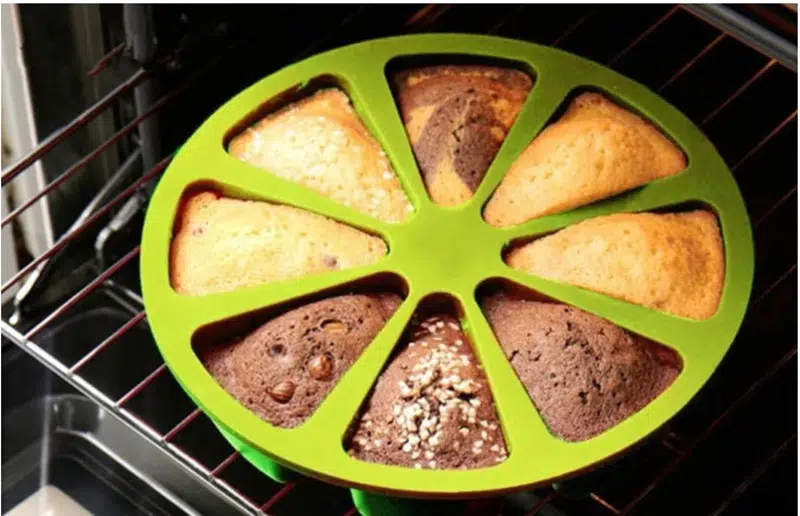
Credit: consumersiliconeproducts.com
Benefits Of Silicone Bakeware
Silicone bakeware is popular for many reasons. It offers a flexible and easy baking experience.
This type of bakeware is safe to use and easy to clean, making it a great choice for home cooks.
Non-stick Surface
Silicone bakeware has a natural non-stick surface. This means your baked goods come out easily without sticking.
Heat Resistance
Silicone can handle very high temperatures. It stays safe to use in ovens up to 450°F or 232°C.
Easy To Store
Silicone bakeware is flexible and lightweight. You can bend or fold it to save space in your kitchen.
- Fits easily in drawers or cabinets
- Won’t break or crack like glass or metal
- Good for small kitchens with limited storage
Durability And Safety
| Feature | Benefit |
| Material | Food-grade silicone, safe for baking |
| Durability | Resistant to cracking and breaking |
| Cleaning | Dishwasher safe and easy to clean |
| Temperature | Withstands cold and hot temperatures |
Versatility In Baking
You can use silicone bakeware for many recipes. It works well for cakes, muffins, bread, and even frozen treats.
Silicone bakeware also comes in different shapes and sizes. This helps you bake creatively and suit your needs.
Initial Cleaning Before Use
Silicone bakeware is popular for its flexibility and non-stick nature. Cleaning it before the first use is important to remove dust or residues.
This guide explains how to clean your silicone bakeware properly before using it for baking.
Rinse With Warm Water
Start by rinsing the silicone bakeware with warm water. This helps to loosen any dust or particles on the surface.
Use Mild Soap
Apply a small amount of mild dish soap to a soft sponge. Gently scrub the bakeware inside and out to clean it thoroughly.
- Do not use abrasive scrubbers
- Avoid harsh chemicals or bleach
- Rinse well to remove all soap
Dry Completely Before Use
After washing, dry the silicone bakeware with a soft towel. Make sure it is fully dry to prevent water spots or damage during baking.
Optional: Oven Heat Treatment
Some users prefer to heat silicone bakeware before first use. This process removes factory odors.
| Temperature | Time |
|---|---|
| 350°F (175°C) | 30 minutes |
Place the clean bakeware in a preheated oven. Let it cool fully before use.
Proper Usage Techniques
Silicone bakeware is flexible and easy to use. Proper care helps it last longer and work better.
Using silicone bakeware the right way keeps it safe and prevents damage.
Avoiding Sharp Tools
Sharp tools can cut or damage silicone bakeware. This causes tears and shortens its life.
Use only soft or plastic utensils to keep the bakeware smooth and safe.
- Do not use knives or metal forks inside the silicone molds.
- Choose silicone, wood, or plastic spatulas instead.
- Check bakeware regularly for small cuts or holes.
Temperature Guidelines
Each silicone bakeware has a safe temperature range. Follow the limits to avoid damage.
Do not expose silicone to open flames or temperatures above its maximum heat limit.
| Temperature Range | Effect on Silicone |
|---|---|
| Below -40°F (-40°C) | Material may become brittle and crack |
| Between -40°F and 450°F (-40°C and 232°C) | Safe for most baking and freezing |
| Above 450°F (232°C) | Risk of melting or warping |
Effective Cleaning Methods
Silicone bakeware is popular because it is flexible and easy to use. To keep it in good shape, proper cleaning is key.
Cleaning your silicone bakeware the right way helps it last longer and stay safe for baking.
Hand Washing Tips
Hand washing is the best way to clean silicone bakeware gently. Use warm, soapy water and a soft sponge.
- Rinse the bakeware with warm water before washing.
- Use mild dish soap to avoid damaging the silicone.
- Scrub gently with a soft sponge or cloth.
- For stubborn stains, soak the bakeware in warm soapy water for 10 minutes.
- Rinse well to remove all soap residue.
- Dry with a clean towel or air dry completely before storing.
Dishwasher Safety
Most silicone bakeware is dishwasher safe, but follow these tips to avoid damage.
| Tip | Details |
|---|---|
| Placement | Place bakeware on the top rack away from heating elements. |
| Detergent | Use mild dishwasher detergent to protect silicone. |
| Cycle | Choose a gentle or normal cycle, not high heat. |
| Drying | Allow bakeware to air dry inside the dishwasher to avoid warping. |
Storage Solutions
Proper storage keeps silicone bakeware in good shape. It helps the bakeware last longer and stay clean.
Good storage stops damage like warping and saves space in your kitchen.
Preventing Warping
Store silicone bakeware flat or in its original shape. Avoid bending or folding it sharply.
Keep bakeware away from heat sources when storing. Heat can soften the silicone and cause warping.
- Lay bakeware flat on shelves or drawers
- Use racks that hold the shape gently
- Do not stack heavy items on top
- Keep away from ovens or heaters
Space-saving Tips
Silicone bakeware is flexible and can fit in small spaces. Roll or nest pieces to save room.
Use storage containers or bins to keep bakeware organized and easy to find.
- Stack smaller pans inside larger ones
- Roll flexible mats or liners
- Use clear bins for visibility
- Label containers to find items fast

Credit: kitchcrafteds.com
Common Mistakes To Avoid
Silicone bakeware is popular because it is flexible and easy to clean. Many people make simple mistakes when using or caring for it.
Avoiding these errors helps your bakeware last longer and work better every time.
Using Sharp Knives On Silicone
Cutting food directly in silicone pans can damage them. Sharp knives can make cuts or tears in the material.
Always remove baked goods before slicing. Use a cutting board to keep your bakeware safe.
Ignoring Proper Cleaning Methods
Using harsh cleaners or scrubbing with abrasive pads can harm silicone. This can cause sticky residues or tears.
Wash with warm, soapy water and use soft sponges. Avoid bleach or strong chemicals.
Exposing Silicone To Direct Heat Sources
Placing silicone bakeware on open flames or stovetops can melt or deform it. Silicone is not made for direct heat.
Only use silicone in ovens or microwaves. Avoid grills or burners for safety and longevity.
Stacking Silicone Bakeware While Wet
Stacking wet silicone molds traps moisture. This can cause mold or unpleasant smells over time.
Let your bakeware dry completely before storing. Keep them in a dry, cool place.
Not Using Baking Sheets Under Silicone
Silicone bakeware is flexible and can be hard to handle when full. Placing it on a baking sheet helps stability.
This prevents spills and makes it easier to move in and out of the oven.
Extending Lifespan
Silicone bakeware lasts longer with proper care. Small actions can keep it safe and useful.
Check your bakeware often. Fix or replace damaged parts to avoid bigger problems.
Regular Inspection
Look at your silicone bakeware after each use. Check for cracks, tears, or sticky spots. These signs mean the bakeware needs attention.
- Feel for any rough or sticky areas on the surface.
- Look for splits or holes that could cause leaks.
- Check if the shape has changed or warped.
- Make sure the color is still even and not fading excessively.
Repair And Replacement
Small tears or holes can sometimes be fixed. Use food-safe silicone glue to seal tiny cracks. Do not use if damage is large or deep.
| Condition | Action |
| Minor tear or hole | Apply food-safe silicone glue and let dry fully |
| Warped shape | Try gentle heat to reshape or replace if severe |
| Large crack or deep damage | Replace the bakeware to avoid leaks or hazards |
| Sticky or rough surface | Clean thoroughly or replace if not removable |
Environmental Considerations
Silicone bakeware lasts a long time and can reduce waste. Taking care of it helps the environment. This guide shows how to maintain silicone bakeware with nature in mind.
Using and cleaning silicone bakeware properly lowers its impact. Small actions can save resources and keep the planet safe.
Choose Reusable Silicone Products
Reusable silicone bakeware cuts down on single-use items. It reduces trash and saves energy used in making new products. Pick durable items that last many years.
Clean With Eco-friendly Methods
Use mild soap and warm water to clean your silicone bakeware. Avoid harsh chemicals that harm water systems. Rinse well to remove all soap and reuse cleaning water if possible.
- Use biodegradable soap
- Wash by hand instead of dishwasher
- Save water by rinsing quickly
- Air dry instead of using a towel
Proper Storage To Extend Life
Store silicone bakeware away from sunlight and heat. Avoid folding or bending it sharply to prevent damage. Good storage keeps it usable for a long time.
Recycle Or Repurpose Old Silicone Bakeware
Check local recycling rules for silicone products. Some centers accept silicone for recycling. If recycling is not an option, try repurposing old bakeware for storage or crafts.
| Action | Environmental Benefit |
|---|---|
| Use reusable silicone bakeware | Reduces plastic waste |
| Clean with mild soap | Protects water quality |
| Store carefully | Extends product life |
| Recycle or repurpose | Limits landfill waste |
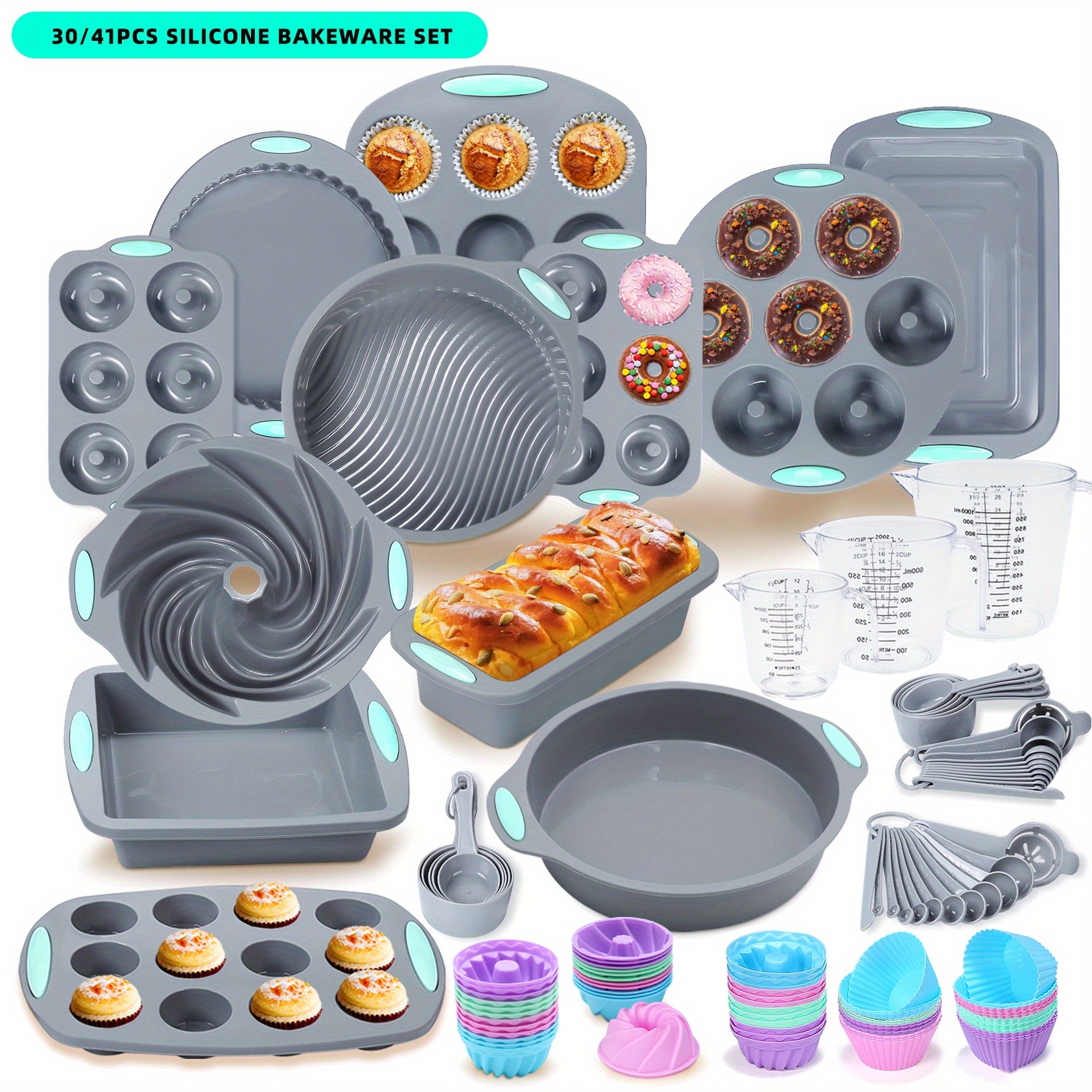
Credit: kitchcrafteds.com
Frequently Asked Questions
How Do I Clean Silicone Bakeware Effectively?
To clean silicone bakeware, wash with warm soapy water and a soft sponge. Avoid abrasive scrubbers. Rinse thoroughly and air dry. For stubborn stains, use baking soda paste or vinegar soak. This keeps the bakeware clean and odor-free.
Can Silicone Bakeware Be Used In The Dishwasher?
Yes, most silicone bakeware is dishwasher safe. Place it on the top rack to avoid damage. However, always check the manufacturer’s instructions. Hand washing extends the bakeware’s lifespan and maintains its flexibility.
How To Prevent Silicone Bakeware From Sticking?
Lightly grease silicone bakeware with oil or cooking spray before use. This helps food release easily. Avoid using metal utensils that can damage the surface. Proper greasing ensures hassle-free baking and easy cleaning.
Is Silicone Bakeware Safe For Oven Use?
Silicone bakeware is safe for oven use up to temperatures specified by the manufacturer, usually around 428°F (220°C). It withstands heat without melting or releasing harmful chemicals. Always verify temperature limits to avoid damage.
Conclusion
Taking care of silicone bakeware keeps it safe and long-lasting. Clean it gently after each use with warm, soapy water. Avoid sharp tools that can damage its surface. Store it flat or rolled to keep its shape. Use these simple steps to enjoy baking without worry.
Your silicone bakeware will stay flexible and ready for many recipes. Small efforts make a big difference in its life. Keep baking fun and easy with well-maintained tools.