
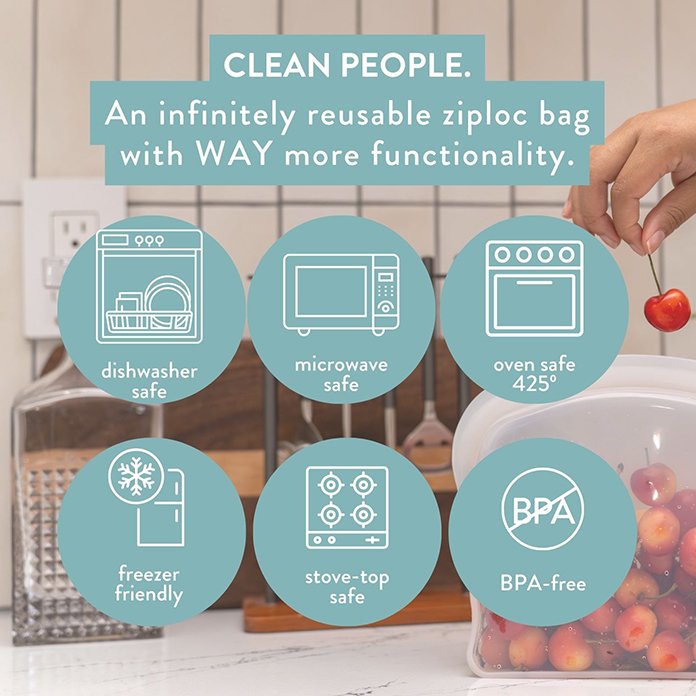
If you’re using reusable silicone bags, you already know they’re a smart, eco-friendly choice. But are you sure you’re taking the best care of them?
How you clean and maintain these bags can make all the difference in how long they last and how safe they are for your food. Keep reading to discover simple, effective tips that will keep your silicone bags fresh, strong, and ready to use again and again.
Don’t let small mistakes shorten their life—learn how to protect your investment and make your daily routine easier.
Cleaning Techniques
Reusable silicone bags are eco-friendly and versatile. Keeping them clean is important for health and longevity. Here are some cleaning techniques to maintain them effectively.
Hand Washing Tips
Hand washing is gentle and effective for silicone bags. It helps maintain their flexibility and durability.
- Use warm, soapy water for the best results.
- Employ a soft sponge or cloth to clean the surface.
- Rinse thoroughly to remove soap residue.
- Let the bag air dry completely before storing.
Dishwasher Safety
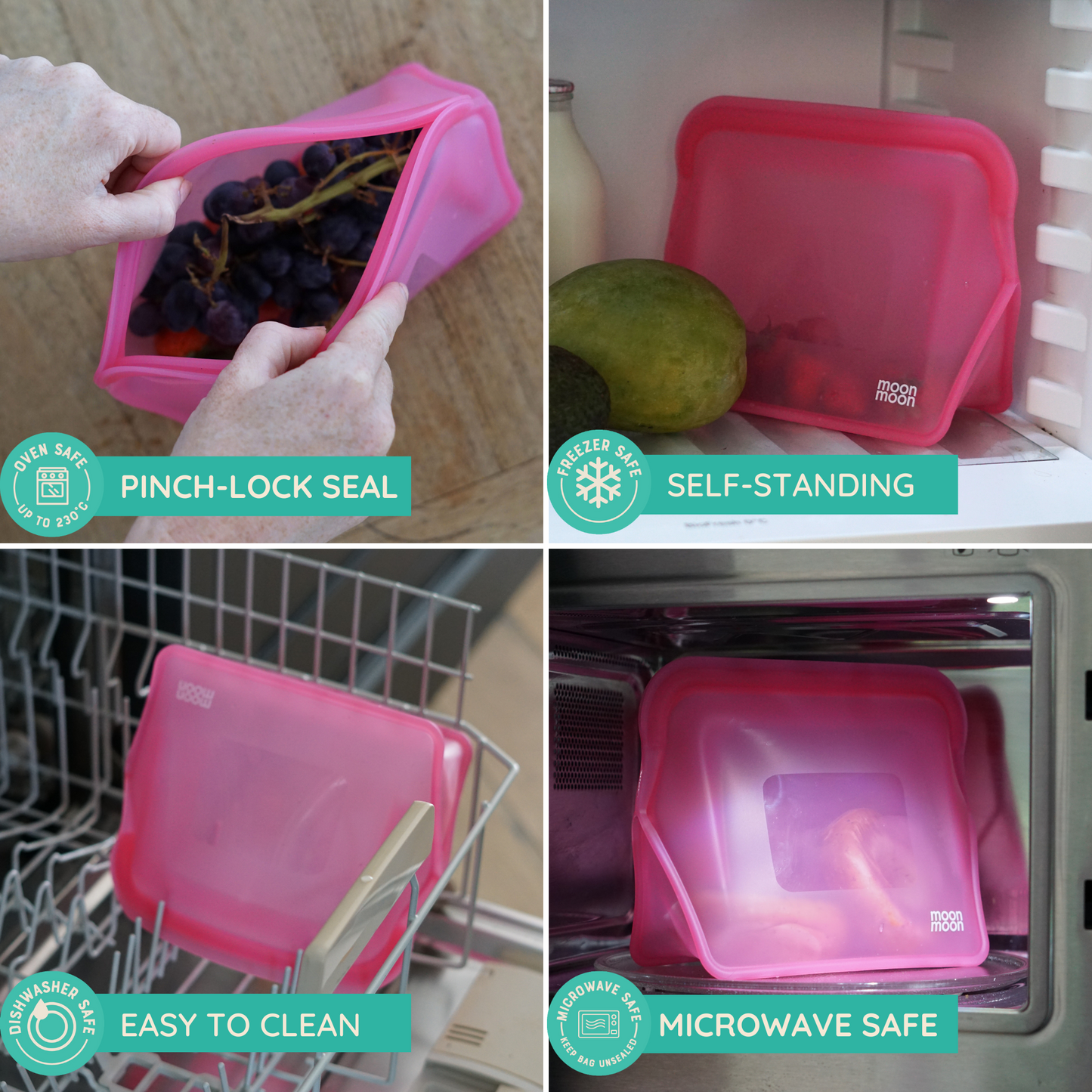
Silicone bags are generally dishwasher safe, making cleaning easy and efficient. Follow these tips for safety.
- Place the bags on the top rack of the dishwasher.
- Ensure they are fully open to allow water to clean inside.
- Avoid high-heat drying settings to prevent damage.
- Check the bags for any leftover food particles after washing.
Removing Stubborn Stains
Some stains can be tough on silicone bags. Removing them requires a bit more effort and care.
- Make a paste of baking soda and water, and apply to stains.
- Let it sit for 30 minutes before rinsing thoroughly.
- For oily stains, soak in vinegar and warm water solution.
- Repeat the process if stains persist.
Drying And Storage
Reusable silicone bags are eco-friendly and easy to clean. Proper drying and storage keep them fresh and safe for use.
Taking care of your silicone bags helps avoid bad smells and mold growth. It also makes them last longer.
Air Drying Methods
After washing, let silicone bags dry completely before storing. Air drying is the best way to remove moisture.
Turn the bags inside out and open the seals wide. This helps air reach all surfaces for faster drying.
- Place bags on a clean drying rack or hanger
- Keep bags in a warm, well-ventilated area
- Avoid stacking bags while drying
- Use a cloth or paper towel to pat dry excess water
Proper Storage Ideas
Store silicone bags in a dry, cool place. This stops moisture buildup and keeps them fresh.
Keep bags open or unsealed during storage. This prevents trapped air and odors.
- Use a mesh or breathable container for storage
- Stack bags flat without sealing them
- Do not store bags near strong-smelling items
- Check bags regularly for moisture or dirt
Avoiding Mold And Odors
Mold and odors form if moisture stays inside the bags. Keep bags dry and clean to stop this problem.
Wash bags soon after use and dry them well. Do not leave food residue inside for long.
- Air dry bags fully before sealing
- Use vinegar or baking soda to remove smells
- Store bags open to allow air flow
- Discard bags with persistent mold or odors
Usage Best Practices
Reusable silicone bags help reduce plastic waste. To keep them safe and lasting, follow some simple rules.
Using the bags correctly will protect your food and the bags themselves.
Temperature Limits
Silicone bags can handle many temperatures, but they have limits. Avoid using them with extreme heat or cold outside their range.
Check the bag’s label for exact temperature details. Usually, they work well from freezing to boiling.
- Do not use above 428°F (220°C)
- Safe for freezer storage
- Avoid open flames or grill contact
Safe Food Types
Use silicone bags for most foods. They are good for liquids, solids, hot or cold items.
Avoid storing very oily or highly acidic foods for long times. These may affect the bag’s surface.
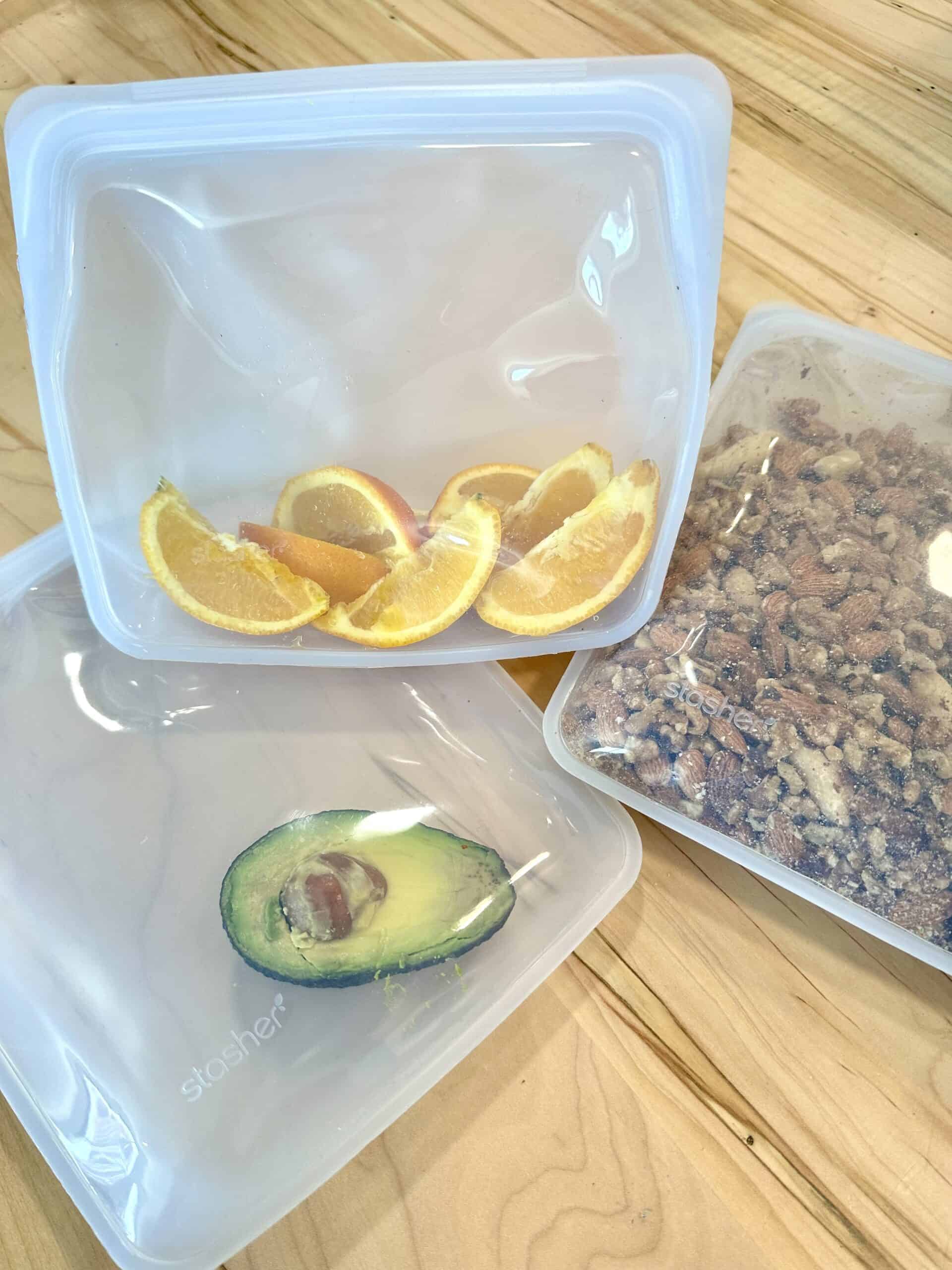
- Safe for fruits, vegetables, meats, and liquids
- Limit storage of strong acids like vinegar or citrus
- Do not store dry powders that could scratch
Avoiding Sharp Objects
Sharp items can puncture silicone bags. Use care with knives, forks, or other pointed tools near the bags.
Cut or prepare food away from the bag to prevent damage.
- Do not cut food inside the bag
- Keep sharp tools away from the bag surface
- Inspect bags regularly for holes or tears
Credit: thefiltery.com
Extending Bag Lifespan
Reusable silicone bags save money and reduce waste. Taking care of them helps them last longer.
Simple steps can keep your bags in good shape. Check them often and fix small issues fast.
Regular Inspection
Look at your silicone bags before and after use. Check for tears, holes, or weak spots.
Cleaning the bags well also helps you spot damage early. This stops small problems from growing.
- Inspect seams and edges for splits
- Check zipper or seal for tightness
- Look inside for any stuck food bits
Repairing Minor Damage
Small holes or tears can be fixed to keep bags useful. Use silicone repair kits made for this.
Clean the area well before patching. Follow the kit instructions for best results.
- Use silicone glue or patches
- Let the repair dry completely
- Avoid using damaged areas for heavy items
Replacing When Necessary
Some damage cannot be repaired. Bags with big holes or broken seals should be replaced.
Replacing bags keeps your food safe and your storage reliable. It also helps avoid leaks.
- Replace bags with large or multiple tears
- Swap bags with broken zippers or seals
- Do not use bags that smell or are stained deeply
Eco-friendly Benefits
Reusable silicone bags help protect the environment. They reduce the need for single-use plastic bags.
Using these bags supports a cleaner planet by cutting down waste and pollution.
Reducing Plastic Waste
Silicone bags replace many plastic bags that end up in landfills. They last a long time and can be reused many times.
By choosing silicone bags, less plastic waste is made. This helps reduce ocean pollution and harm to animals.
Long-term Savings
Reusable silicone bags save money over time. Buying one bag costs more than plastic bags but lasts much longer.
Using these bags means fewer trips to buy plastic bags. This lowers your spending in the long run.
Supporting Sustainability
Silicone bags are made from safe materials that can be recycled. They are better for the planet than plastic.
Choosing these bags helps support a sustainable lifestyle. It encourages less waste and more care for the Earth.
Credit: www.moonmoon.co.uk

Credit: www.oxo.com
Frequently Asked Questions
How Often Should I Clean Reusable Silicone Bags?
Clean reusable silicone bags after each use to avoid bacteria buildup. Use warm soapy water or place them in the dishwasher. Regular cleaning keeps bags safe and odor-free.
Can I Use Silicone Bags For Hot Food Storage?
Yes, silicone bags are heat-resistant and safe for hot food. They can handle temperatures up to 400°F (204°C). Always check manufacturer guidelines for specific heat limits.
How Do I Remove Odors From Silicone Bags?
To remove odors, wash bags with baking soda and warm water. Let them air dry completely. Avoid strong-smelling foods or store bags with lemon slices to keep freshness.
Are Reusable Silicone Bags Safe For Freezing Food?
Yes, silicone bags are freezer-safe and keep food fresh. They prevent freezer burn and are flexible even at low temperatures. Label bags for easy identification.
Conclusion
Keeping reusable silicone bags clean is simple and important. Wash them with warm water and mild soap after each use. Avoid harsh scrubbing to keep the material strong. Let them dry fully before storing to stop mold growth. Store bags in a cool, dry place away from sunlight.
Regular care helps bags last longer and stay safe for food. Small steps make a big difference for your reusable bags. Use these tips to keep your silicone bags fresh and ready to use every day.