
Is your pantry a cluttered mess that makes finding what you need a daily struggle? Imagine opening your pantry and instantly spotting everything clearly, saving you time and stress.
You can transform your pantry into a well-organized space with simple steps that anyone can follow. You’ll discover easy and effective ways to maintain pantry storage so your kitchen stays tidy, your food stays fresh, and your cooking becomes more enjoyable.
Keep reading to unlock the secrets to a perfectly organized pantry that works for you every day.
Assessing Your Pantry Space
Maintaining a well-organized pantry helps you find items easily. It also keeps your kitchen running smoothly.
Start by assessing your pantry space. Knowing your space will guide you in optimizing storage.
Measuring Dimensions
First, measure the dimensions of your pantry. This helps in planning the layout.
Use a tape measure to get accurate length, width, and height. Record these measurements for reference.
- Measure width from wall to wall
- Measure height from floor to ceiling
- Note any obstacles like pipes or vents
Identifying Storage Needs
Think about what you store in your pantry. Different items need different storage solutions.
Consider the types and sizes of items. Make a list of common pantry staples.
- Canned goods
- Dry foods like pasta and rice
- Snacks and cereals
Evaluating Current Setup
Look at your current pantry setup. Identify what works and what doesn’t.
Check for cluttered areas. See if shelves are too high or too low for easy access.
- Are items easy to reach?
- Is there wasted space?
- Can you improve visibility of items?
Choosing The Right Containers
Keeping your pantry tidy helps you find food quickly. The right containers keep items fresh and organized.
Pick containers that fit your space and the type of food you store. Good containers protect food from moisture and pests.
Types Of Containers
There are many container types for pantry storage. Each type suits different needs and foods.
- Clear plastic containers let you see contents easily.
- Glass jars work well for dry foods like beans or flour.
- Metal tins are good for snacks and cookies.
- Stackable containers save space in small pantries.
- Containers with airtight lids keep food fresh longer.
Material Benefits
Choosing container materials is important for food safety and durability. Some materials keep food fresher.
- Plastic containers are lightweight and less likely to break.
- Glass containers do not absorb odors or stains.
- Metal containers are strong but can rust if wet.
- Bamboo or wood containers add a natural look but need dry storage.
- Airtight seals prevent bugs and moisture from getting in.
Labeling Tips
Labeling helps you know what is inside each container. It also shows when you stored the food.
Use clear labels with simple words. Write the food name and date of storage for best results.
- Use waterproof labels or tags to avoid smudging.
- Write with a permanent marker or printed labels.
- Place labels where they are easy to see.
- Update labels if you refill the container.
Organizing By Category
Keeping your pantry neat helps you find items fast. Organizing by category makes it simple.
Sort food and supplies into groups. This method saves time and reduces clutter.
Grouping Similar Items
Put all similar foods together. For example, keep baking ingredients in one spot.
This way, you know where to look for specific items like spices or snacks.
- Group canned goods by type
- Keep cereals and grains in one area
- Store baking items together
- Place snacks in a single section
Creating Zones
Divide your pantry into zones based on use. Make a baking zone and a cooking zone.
Zoning helps you keep related items close. It makes cooking and baking easier and faster.
- Baking zone: flour, sugar, baking powder
- Cooking zone: oils, spices, sauces
- Snack zone: chips, nuts, bars
- Breakfast zone: cereals, oatmeal, jams
Prioritizing Accessibility
Place frequently used items at eye level. Less used items can go on higher or lower shelves.
This setup helps you grab what you need quickly without searching or moving many things.
- Eye-level shelves for daily items
- Top shelves for bulk or extras
- Bottom shelves for heavy or large containers
Maximizing Vertical Space
Using vertical space in your pantry helps keep it organized and neat. It allows you to store more items without cluttering the area.
By stacking and hanging storage, you can use every inch of your pantry. This method makes finding things easier and saves floor space.
Using Shelving
Shelves let you use the height of your pantry walls. You can add extra shelves above existing ones to fit more items.
Adjustable shelves help store tall or short items. Keep frequently used goods at eye level for easy reach.
- Install sturdy shelves to hold heavy cans and jars
- Use clear containers on shelves to see contents quickly
- Label shelves to keep items organized
Stackable Solutions
Stackable bins and containers make good use of vertical space on shelves. They keep similar items together and easy to access.
Choose clear or labeled containers for quick identification. Stack items like baking supplies, snacks, or canned goods.
- Use uniform containers to maximize stacking stability
- Stack lighter items on top to prevent damage
- Keep frequently used items at the top or front
Hanging Storage Options
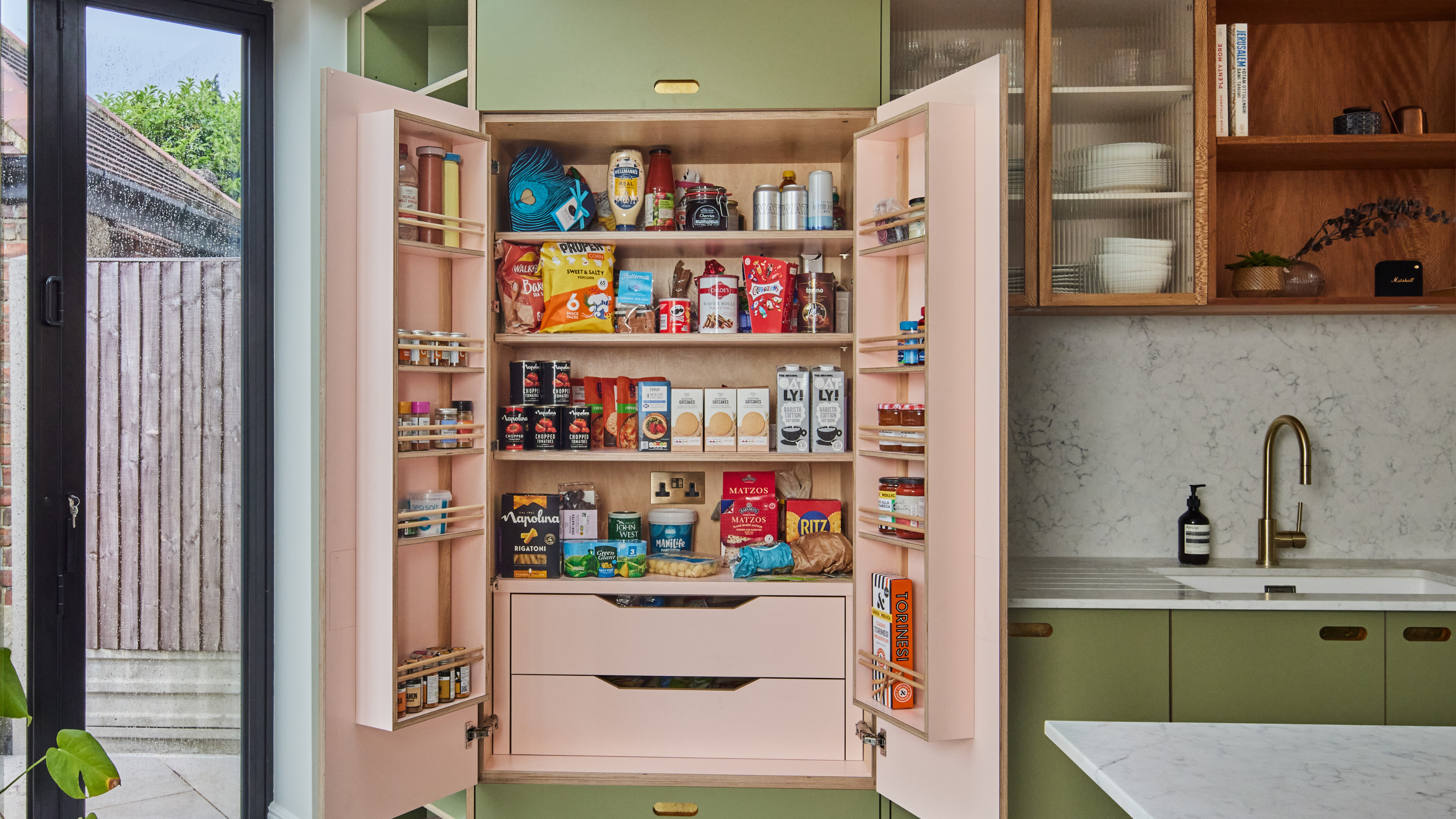
Hang baskets or racks on pantry doors or walls to save shelf space. They hold small or odd-shaped items like spices or utensils.
Hooks and pegboards can also store tools and bags. This keeps counters clear and uses unused vertical areas.
- Install hooks for hanging measuring cups and spoons
- Use wire baskets for fruits or snacks
- Mount a pegboard for flexible storage options
Maintaining Cleanliness
Keeping your pantry clean helps you find food easily. It also keeps your food safe to eat.
A clean pantry stops pests and bad smells from forming. Regular care makes your pantry last longer.
Regular Cleaning Schedule
Set a cleaning day every month for your pantry. Take everything out and wipe shelves and containers.
Use mild soap and water to clean. Dry shelves well before putting items back.
- Remove all items from shelves
- Wipe shelves with soap and water
- Dry shelves completely
- Check containers for cracks or dirt
- Return items in an organized way
Handling Spills And Expired Items
Clean spills quickly to avoid stains and smells. Use a clean cloth or paper towel for wiping.
Check food dates regularly. Throw away expired or spoiled items to keep the pantry fresh.
- Wipe spills immediately
- Inspect food packages for damage
- Remove expired food items
- Keep a trash bin near pantry
Pest Prevention
Seal all food in airtight containers. This stops bugs and rodents from getting inside.
Keep the pantry dry and clean. Check corners and cracks for signs of pests regularly.
- Use airtight containers for grains and snacks
- Fix leaks or damp spots
- Clean corners and edges often
- Use natural repellents like bay leaves
Credit: sabrinasorganizing.com
Implementing Rotation Systems
Keeping your pantry organized helps reduce waste. Using rotation systems keeps food fresh longer.
Rotation systems make it easy to find items and use them before they expire.
First In, First Out Method
The First In, First Out (FIFO) method means you use older items first. This prevents food from spoiling.
Place new items behind older ones on the shelves. This keeps the oldest food in front.
- Check dates before storing
- Arrange items by purchase date
- Use older products before newer ones
Tracking Expiry Dates
Write expiry dates clearly on containers or labels. This helps you see what to use first.
Use a list or chart to track expiry dates if you store many items.
| Item | Expiry Date |
|---|---|
| Rice | 12/2024 |
| Canned Beans | 05/2025 |
| Flour | 08/2024 |
Using Clear Containers
Clear containers let you see the food inside without opening them. This helps spot old items fast.
Use containers that fit well on shelves. Label them with the name and expiry date for quick checks.
- Choose airtight clear containers
- Label with item name and expiry
- Keep similar items together
Utilizing Pantry Accessories
Keeping your pantry organized helps you find items quickly. Pantry accessories make storage easier and neater.
Using the right tools can save space and keep food fresh. Let’s explore some useful pantry accessories.
Baskets And Bins
Baskets and bins group similar items together. They prevent clutter and make cleaning simple.
Choose bins that fit your shelf size. Label them to find things faster.
- Use clear bins for easy visibility
- Stack baskets to save space
- Store snacks, baking supplies, or canned goods
Lazy Susans And Trays
Lazy Susans spin to give quick access to items in the back. Trays hold small containers together.
Place spices or oils on a Lazy Susan. Use trays to keep packets and jars from tipping over.
- Use Lazy Susans for round shelves or corners
- Trays help group similar items
- Both make cleaning spills easier
Door Racks And Hooks
Door racks add extra storage to pantry doors. Hooks hold lightweight items like bags or utensils.
Use racks for spices, cans, or small bottles. Hang hooks for aprons or reusable bags.
- Maximize unused door space
- Keep items within easy reach
- Install racks and hooks without tools
Adjusting For Seasonal Needs
Your pantry changes with each season. Adjusting storage keeps food fresh and easy to find.
Seasonal changes affect what you buy and store. Organize your pantry to match these needs.
Storing Bulk Items
Buying in bulk saves money but needs good storage. Keep bulk items in airtight containers.
Label containers with dates. This helps use older items first and reduces waste.
- Choose clear containers for easy viewing
- Use stackable bins to save space
- Store heavy items on lower shelves
- Keep bulk goods away from heat and sunlight
Rotating Seasonal Foods
Seasonal foods come and go. Move current season items to the front of your pantry.
Store out-of-season foods at the back or higher shelves to save space for fresh items.
- Check expiration dates regularly
- Use a “first in, first out” system
- Adjust shelf space based on season
- Keep fresh produce separate from dry goods
Adapting Storage For Holidays
Holidays bring special foods and extra supplies. Clear space in your pantry before shopping.
Use bins or baskets to group holiday items for easy access and cleanup.
- Set aside an area for baking ingredients
- Keep holiday drinks and snacks together
- Store gift wrapping supplies nearby
- Remove expired holiday foods after season ends
Maintaining Pantry Organization Habits
Keeping your pantry organized helps you find items quickly. It also reduces food waste and saves money.
Good habits keep your pantry neat and easy to use every day. Small efforts make a big difference over time.
Daily Tidying Practices
Spend a few minutes each day putting things back in their place. Wipe shelves if you see spills or crumbs.
Check if any food items are out of order or expired. Fix these small issues before they get bigger.
- Return cans and boxes to their correct spots
- Clean any crumbs or spills immediately
- Place new groceries behind older items
- Remove expired or spoiled food right away
Involving Household Members
Ask everyone in your home to help keep the pantry tidy. Share simple rules so all know where things go.
Teach children how to put snacks back in the right spot. Make cleaning the pantry a group habit to keep it organized.
- Explain the storage system to all family members
- Assign small tasks like checking dates or tidying shelves
- Encourage putting items back after use
- Make pantry care part of daily routines
Reviewing Inventory Regularly
Look over your pantry stock once a week or month. This helps you know what to buy and what to use soon.
Check for expired food and remove it. Make a list of missing items to avoid buying duplicates.
- Note items running low
- Discard expired or stale food
- Organize items by use-by date
- Plan meals based on pantry contents

Credit: www.consumerreports.org
Credit: www.livingetc.com
Frequently Asked Questions
How Often Should I Clean My Pantry Storage?
Clean your pantry every three to six months. Remove all items, wipe shelves with mild soap, and dry thoroughly. This prevents pests and keeps food fresh.
What Are The Best Containers For Pantry Storage?
Use airtight containers made of glass or BPA-free plastic. These containers protect food from moisture, pests, and keep items organized and visible.
How Can I Prevent Pests In My Pantry?
Store food in sealed containers, keep the pantry dry, and clean spills immediately. Regularly check for expired items and discard them promptly.
What Is The Best Way To Organize Pantry Shelves?
Group similar items together, use clear containers, and label everything. Place frequently used items at eye level for easy access.
Conclusion
Maintaining pantry storage keeps your kitchen neat and saves time. Regularly check for expired items and throw them away. Use clear containers to see what you have easily. Group similar foods together for quick access. Keep heavy items on lower shelves for safety.
Clean shelves often to avoid spills and pests. Small steps make a big difference in pantry care. A well-organized pantry helps you plan meals better. Start today and enjoy a clutter-free kitchen space. Simple habits bring lasting order and ease.