
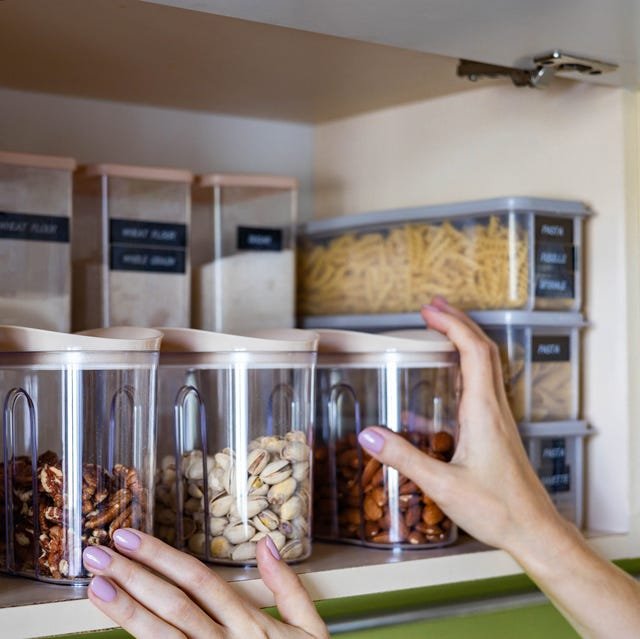
Keeping your pantry bins neat and organized can save you time, reduce food waste, and make cooking more enjoyable. But let’s be honest—without the right approach, pantry bins can quickly become cluttered and overwhelming.
What if you could keep them tidy effortlessly, so you always know where everything is? You’ll discover simple, effective ways to maintain your pantry bins efficiently. By following these tips, you’ll create a system that works for you and makes your daily routine smoother.
Keep reading to unlock the secrets to a perfectly organized pantry!
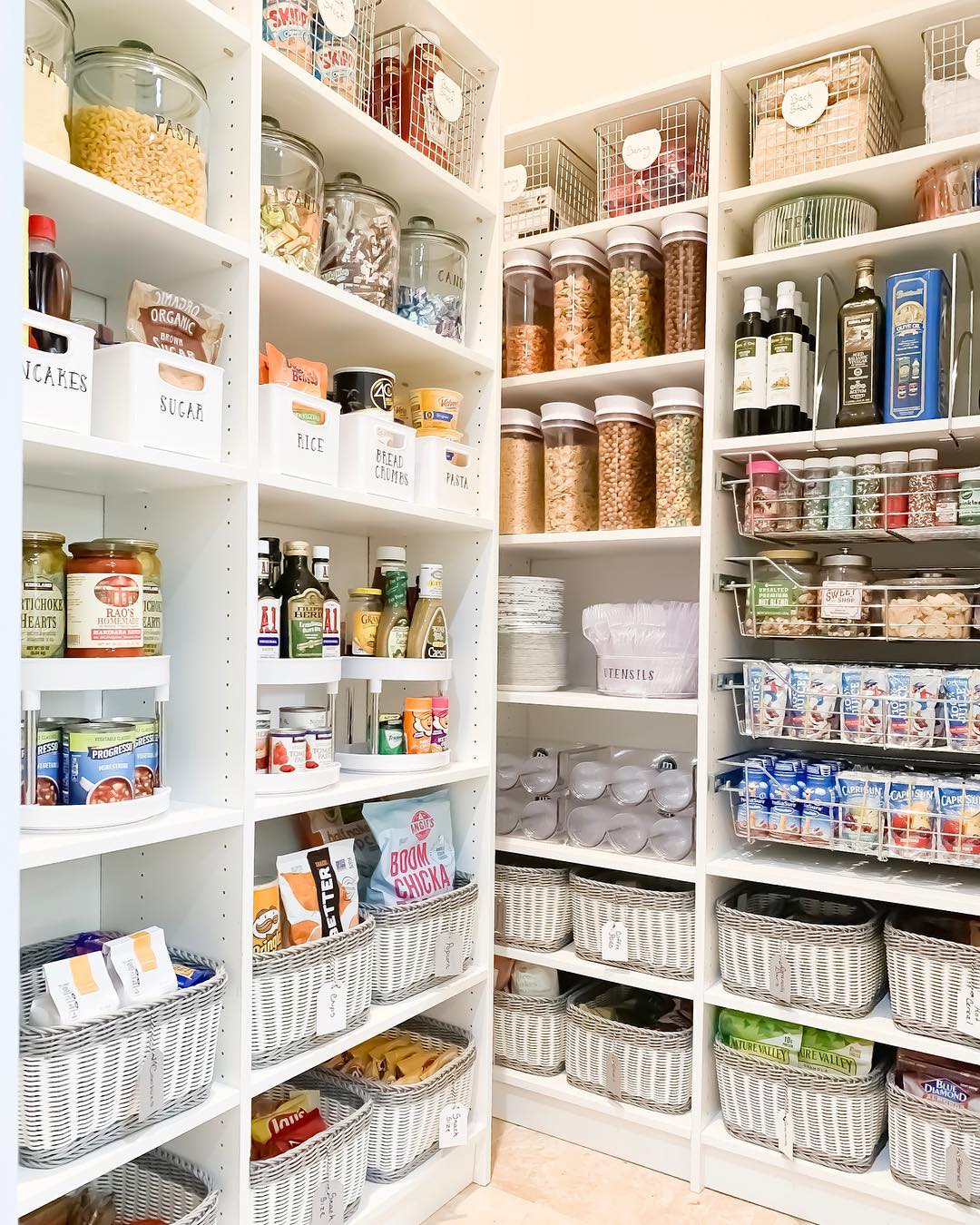
Credit: www.extraspace.com
Choosing The Right Bins
Keeping your pantry organized starts with the right bins. The right choice helps you find items quickly.
Consider materials, sizes, and visibility when selecting pantry bins. Each factor can impact efficiency.
Material Options
Bins come in many materials. Each has its own benefits and drawbacks.
- Plastic bins are lightweight and easy to clean.
- Glass bins look elegant but can break easily.
- Metal bins are sturdy but may rust over time.
Sizes And Shapes
Choose sizes that fit your pantry shelves. Shapes should match the space available.
Small bins are good for spices. Large bins can store bulk items like flour.
Clear Vs. Opaque
Clear bins let you see what’s inside without opening them. Opaque bins hide contents for a cleaner look.
- Clear bins are useful for quick checks.
- Opaque bins can reduce visual clutter.
- Label opaque bins for easy access.
Sorting Pantry Items
Sorting pantry items keeps your kitchen organized and easy to use. It helps you find food quickly and reduces waste.
Organizing starts with grouping items, checking expiration dates, and labeling containers. These steps make your pantry neat.
Grouping Similar Items
Place items that are alike in the same area. This saves time when cooking or shopping.
For example, keep baking ingredients like flour and sugar together. Put canned goods in one spot.
- Group snacks like chips and nuts
- Keep spices and seasonings in one section
- Store grains and pasta together
- Place canned vegetables and soups near each other
Expiration Date Check
Look at expiration dates often to avoid spoiled food. Use older items first to reduce waste.
Set a schedule to check dates every month. Remove expired items promptly to keep your pantry safe.
- Check dates on cans, boxes, and jars
- Write expiration dates on containers if not visible
- Place items with soonest expiration in front
Labeling Essentials
Label containers clearly so you know what is inside. It helps everyone in the home find food fast.
Use labels with names and dates. This keeps your pantry tidy and easy to manage.
- Use waterproof labels for durability
- Include the item name and expiration date
- Use large, easy-to-read fonts
- Place labels on the front of containers
Efficient Storage Techniques
Keeping pantry bins organized saves time and space. Good storage helps you find items quickly.
Using smart techniques makes your pantry neat and easy to use every day.
Stacking Strategies
Stack bins carefully to avoid spills and damage. Use sturdy containers that fit well together.
Place heavier bins at the bottom and lighter ones on top. This keeps stacks stable and safe.
- Use clear bins to see contents easily
- Keep similar items in the same stack
- Label bins for quick identification
Maximizing Vertical Space
Use tall bins or containers to fill vertical gaps in your pantry. This saves shelf space.
Add stackable shelves or risers to create more levels. This helps store more items neatly.
- Use adjustable shelving for flexible heights
- Store rarely used items on top shelves
- Keep daily items at eye level for easy reach
Using Dividers
Dividers separate different foods inside bins. They keep items from mixing and make bins tidy.
Use adjustable dividers to fit different bin sizes. This keeps your pantry organized and clean.
- Divide snacks from baking supplies
- Separate grains and pasta in one bin
- Use clear dividers for easy viewing
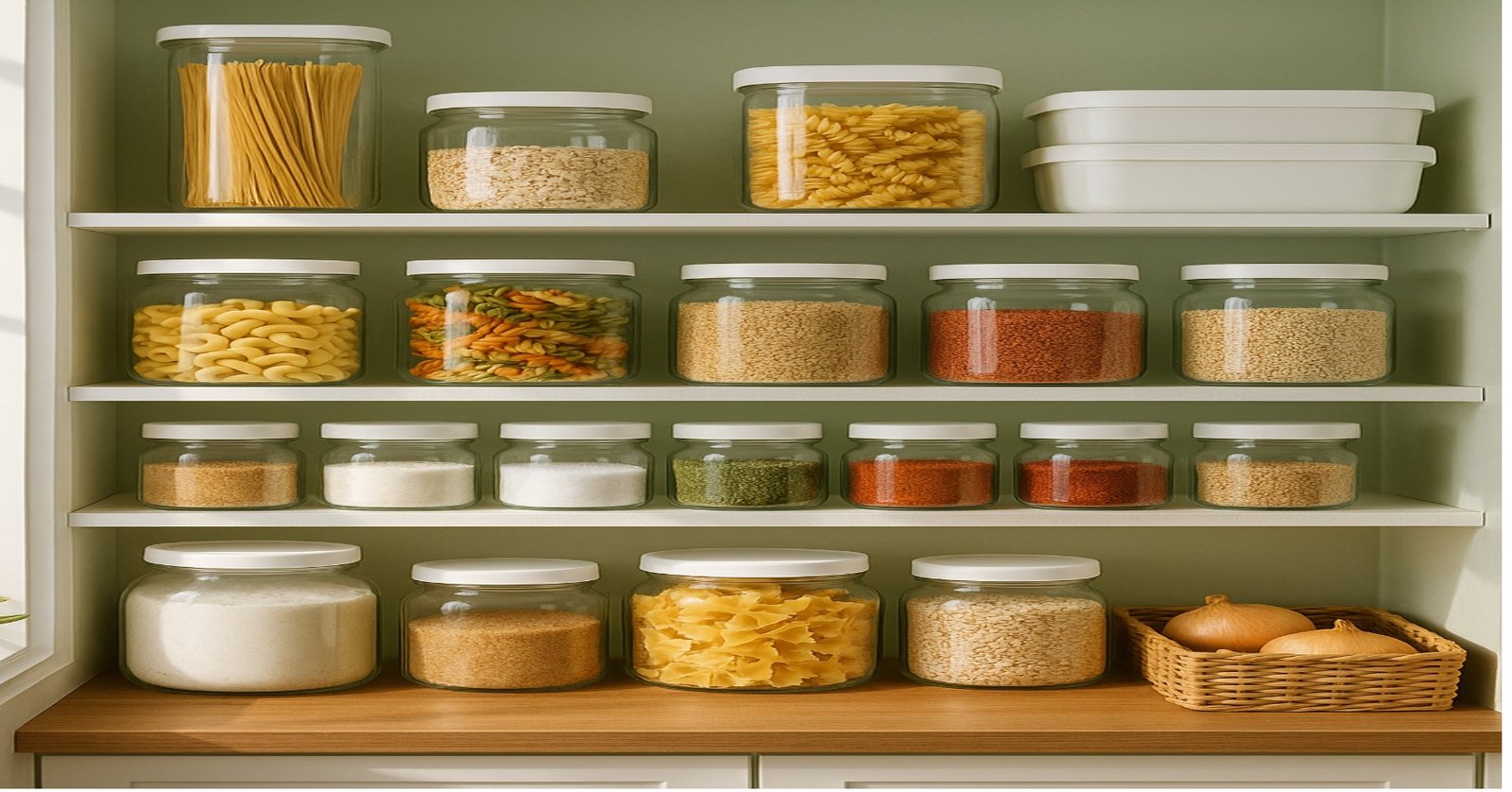
Credit: neatcupkit.com
Maintaining Freshness
Keeping pantry bins fresh helps food last longer. It saves money and reduces waste.
Proper storage keeps food tasty and safe to eat. Simple steps make a big difference.
Airtight Sealing
Airtight sealing stops air from entering pantry bins. It keeps food fresh and prevents spoilage.
Use lids that fit tightly or seals that lock. Check containers often for damage or cracks.
- Choose bins with silicone seals
- Close lids immediately after use
- Avoid opening containers too often
Moisture Control
Moisture can cause mold and spoil food quickly. Keep pantry bins dry to avoid this problem.
Use moisture absorbers like silica gel packs or dry rice. Replace them regularly to keep bins dry.
- Store dry foods in moisture-proof containers
- Check bins for condensation often
- Keep pantry area clean and dry
Temperature Considerations
Temperature affects food freshness inside pantry bins. Keep bins in cool, stable places.
Avoid storing bins near heat sources or sunlight. Heat speeds up spoilage and reduces shelf life.
- Store bins away from ovens and windows
- Keep pantry temperature between 50°F and 70°F
- Use fans or ventilation if pantry is warm
Regular Cleaning Routines
Keeping pantry bins clean helps keep food fresh and safe. Regular cleaning stops pests and bad smells.
Follow simple steps often to keep your pantry bins in great shape. This saves time and effort later.
Emptying And Washing Bins
Remove all food from bins before cleaning. This makes it easier to wash and dry them well.
Use warm water and mild soap to clean each bin. Rinse thoroughly to remove soap residue.
- Take bins outside if possible to avoid mess
- Use a soft cloth or sponge to avoid scratches
- Dry bins completely before putting food back
Checking For Pests
Look inside bins for bugs or signs of pests. Check corners and seals carefully.
Clean spills and crumbs right away to stop pests from coming. Use airtight bins to keep pests out.
- Inspect bins weekly for pest activity
- Throw away expired or damaged food items
- Keep pantry area dry and clean
Reorganizing Periodically
Rearrange pantry bins to keep items easy to find. Move older food to the front to use first.
Check food labels for expiration dates during reorganization. Discard expired products to keep bins fresh.
- Group similar items together for quick access
- Use labels on bins for easy identification
- Keep heavy bins on lower shelves for safety
Time-saving Tips
Keeping pantry bins organized saves time in the kitchen. It helps you find items quickly and reduces clutter.
Using smart strategies makes pantry maintenance easier. This guide covers tips to manage pantry bins efficiently.
Quick Access Zones
Set up zones in your pantry for items you use daily. Keep these bins at eye level or near the pantry door.
Organize bins by use, such as snacks, breakfast, or baking supplies. This helps you grab what you need fast.
- Place frequently used items in front
- Group similar items together
- Label bins clearly for easy spotting
Meal Prep Integration
Use pantry bins to support your meal prep routine. Store ingredients for planned meals in separate bins.
This saves time when cooking. You can grab a whole bin with all needed items instead of searching.
- Label bins by meal or recipe
- Keep pre-measured ingredients together
- Refill bins after each meal prep session
Shopping List Management
Track pantry bin contents to update your shopping list easily. Check bins before shopping to know what is low.
Use a list that matches your pantry zones to avoid missing items. This keeps your pantry stocked without extra trips.
- Keep a checklist for each bin
- Note quantities needed
- Review list before each shopping trip

Credit: blog.cambro.com
Frequently Asked Questions
How Often Should I Clean Pantry Bins?
Clean pantry bins monthly to prevent dust and pests. Use mild soap and warm water, then dry thoroughly before refilling. Regular cleaning keeps food fresh and bins hygienic.
What Is The Best Way To Label Pantry Bins?
Use clear, waterproof labels with bold fonts. Label bins by contents and expiration dates. This improves organization and helps you find items quickly.
How Can I Prevent Moisture In Pantry Bins?
Store dry foods in airtight bins to block moisture. Keep pantry cool and dry. Avoid placing bins near heat or water sources.
Which Materials Are Ideal For Pantry Bins?
Choose BPA-free plastic, glass, or metal bins. These materials are durable, easy to clean, and food-safe. They help maintain freshness and prevent contamination.
Conclusion
Keeping pantry bins tidy saves time and reduces food waste. Regularly check and clean bins to avoid spills and pests. Label each bin clearly to find items fast. Store similar items together to stay organized. Small habits make a big difference in pantry care.
Start with these simple steps today. Your kitchen will feel neat and stress-free. Efficient pantry bins help you cook and shop smarter. Easy to maintain and good for your daily routine.