
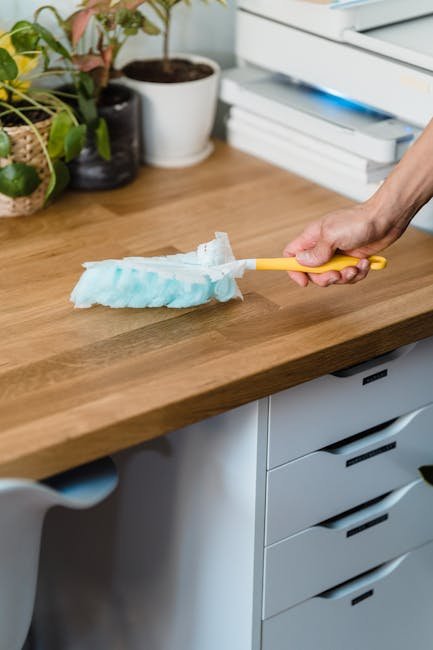
Keeping your pantry bins clean and organized might seem like a small task, but it can make a huge difference in your daily routine. Imagine opening your pantry and instantly finding what you need without any mess or spills.
Sounds good, right? You’ll discover simple, effective ways to maintain your pantry bins so they stay fresh, tidy, and easy to use. Stick with me, and you’ll learn tips that save you time, reduce waste, and make your kitchen a more enjoyable space.
Ready to transform your pantry? Let’s dive in!
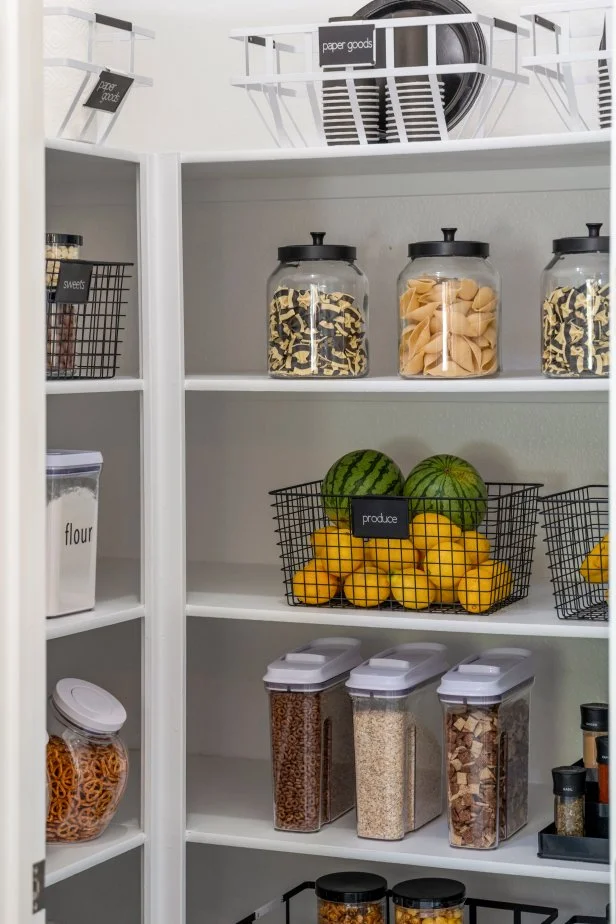
Credit: www.hgtv.com
Choosing The Right Pantry Bins
Keeping your pantry organized is key for easy cooking. Choosing the right bins can make all the difference.
Pantry bins come in many types. Pick the ones that fit your needs and space.
Materials That Last
Durable materials ensure your pantry bins last long. Plastic and metal are popular choices.
Consider the weight of items you store. Metal bins can hold heavier goods.
- Plastic bins are lightweight and easy to clean
- Metal bins are strong and rust-resistant
- Wooden bins add a natural look but may need more care
Sizes And Shapes To Consider
Bins come in various sizes and shapes. Choose ones that fit your pantry shelves.
Small bins are great for snacks. Larger bins can store bulk items.
- Square bins use space efficiently
- Round bins are best for open shelves
- Stackable bins maximize vertical space
Clear Vs. Opaque Bins
Clear bins let you see contents at a glance. They help in quick identification.
Opaque bins hide contents for a cleaner look. They are ideal for hiding clutter.
- Clear bins are good for quick checks
- Opaque bins offer a tidy appearance
- Mix both types for a balanced pantry

Credit: thezhush.com
Cleaning Pantry Bins Regularly
Keeping pantry bins clean helps store food safely. It also stops bad smells and bugs.
Cleaning bins often makes your kitchen look neat. It also keeps your food fresh longer.
Safe Cleaning Solutions
Use mild soap and warm water to clean pantry bins. Avoid harsh chemicals that can harm plastic.
A mix of baking soda and water works well to clean and deodorize bins safely.
- Dish soap with warm water
- Baking soda paste (baking soda + water)
- White vinegar diluted with water
Removing Stubborn Stains
For tough stains, scrub gently with a soft brush or sponge. Do not use metal scrubbers.
Apply baking soda paste on stains and let it sit for 10 minutes. Then scrub and rinse.
- Use soft brushes or sponges
- Apply baking soda paste on stains
- Let sit for 10 minutes before scrubbing
- Rinse with warm water
Drying Tips To Prevent Mold
Always dry pantry bins completely after washing. Moisture can cause mold to grow.
Air dry bins upside down on a clean towel. Use a dry cloth to wipe hard-to-reach spots.
- Dry bins upside down for good airflow
- Wipe corners and lids with a dry cloth
- Store bins in a dry place
Organizing Bins For Easy Access
Keeping your pantry bins organized helps you find items quickly. It also keeps your kitchen tidy and efficient.
Good organization saves time and reduces food waste. Easy access makes cooking and shopping simpler.
Labeling Techniques
Clear labels show what is inside each bin. Use big letters and simple words to read labels fast.
Choose labels that stick well and last long. You can use chalkboard labels, printed tags, or stickers.
- Write names of items clearly
- Use waterproof markers for durability
- Place labels on the front or top of bins
- Update labels when contents change
Grouping Similar Items
Put similar items together in one bin. This makes it easier to find what you need fast.
Group items like baking supplies, snacks, or grains. Keep items that you use often in front.
- Keep baking powders, flour, and sugar together
- Group snacks like chips and nuts in one bin
- Store grains such as rice and pasta nearby
- Place frequently used bins at eye level
Maximizing Shelf Space
Use stackable bins to save vertical space on shelves. Choose clear bins to see contents without opening them.
Arrange bins from largest to smallest. Leave some space to pull out bins easily.
- Stack bins to use shelf height
- Use shelf risers to create more layers
- Keep heavy bins at the bottom
- Leave room to slide bins in and out
Preventing Contamination And Odors
Keeping pantry bins clean stops germs and bad smells. Proper care helps food stay fresh longer.
Simple steps can reduce risks of contamination and keep your kitchen smelling good.
Sealing Bins Properly
Always close pantry bins tightly after use. This stops air, moisture, and bugs from getting inside.
Check seals often to make sure they are not cracked or loose. Replace lids if needed.
- Use bins with airtight lids
- Press down lids firmly after filling
- Store bins away from heat and sunlight
Using Desiccants And Deodorizers
Desiccants absorb moisture that can cause mold or spoilage. They help keep dry foods fresh.
Deodorizers remove bad smells inside bins. Use food-safe options to keep your pantry smelling clean.
- Place silica gel packets inside bins
- Use baking soda in small containers near bins
- Replace desiccants and deodorizers regularly
Monitoring Expiry Dates
Check food dates often to avoid keeping expired items. Old food can cause odors and contamination.
Label bins with the date you stored the food. This helps track freshness easily.
- Write expiry dates on the bins or containers
- Use the oldest food first
- Throw away food past its expiry date
Maintaining Bins Over Time
Keeping pantry bins clean and in good shape helps your kitchen stay organized. Proper care extends the life of your bins.
Regular maintenance stops damage and keeps food fresh. Follow simple steps to maintain your pantry bins.
Routine Inspection
Check your pantry bins every few weeks for cracks or stains. Look inside and outside the bins carefully.
Spotting problems early helps prevent bigger issues like pests or spills. Make inspection a regular habit.
- Look for cracks or broken parts
- Check for sticky or oily spots
- Make sure lids fit tightly
- Remove crumbs and spills
Replacing Damaged Bins
Throw away bins that have big cracks or broken lids. Damaged bins can let pests in or cause spills.
Choose new bins that fit your space and style. Keep a few extra bins on hand for quick replacement.
- Replace bins with cracks or holes
- Swap out lids that no longer seal
- Match new bins to your pantry size
- Keep spare bins for emergencies
Seasonal Deep Cleaning
At least once every season, empty all bins for a deep cleaning. Wash bins with warm, soapy water.
Dry bins completely before refilling. This prevents mold and keeps food fresh longer.
- Empty all bins completely
- Wash with mild soap and warm water
- Rinse and dry fully before use
- Clean pantry shelves and surrounding areas

Credit: www.avery.com
Frequently Asked Questions
How Often Should Pantry Bins Be Cleaned?
Pantry bins should be cleaned every 1-2 months. Regular cleaning prevents dust, spills, and pests. Wipe them with a mild detergent and dry completely before refilling.
What Materials Are Best For Pantry Bins?
Plastic, glass, and stainless steel are popular pantry bin materials. Choose airtight containers to keep food fresh longer. Opt for transparent bins to easily identify contents.
How Can I Prevent Pests In Pantry Bins?
Use airtight containers to block pests. Clean bins regularly to remove crumbs and spills. Store dry goods in sealed bins and check for signs of infestation often.
What Is The Best Way To Label Pantry Bins?
Use waterproof labels or chalkboard tags for clarity. Label bins with contents and expiration dates. Clear labeling helps maintain organization and reduces food waste.
Conclusion
Keeping pantry bins clean and organized saves time and money. Regular checks help avoid expired or spoiled food. Wiping bins after each use keeps them fresh and neat. Store items in clear bins to find things fast. Label bins for easy identification every day.
Small habits make a big difference in pantry care. Start simple and stay consistent for best results. A well-maintained pantry makes cooking and shopping easier.