
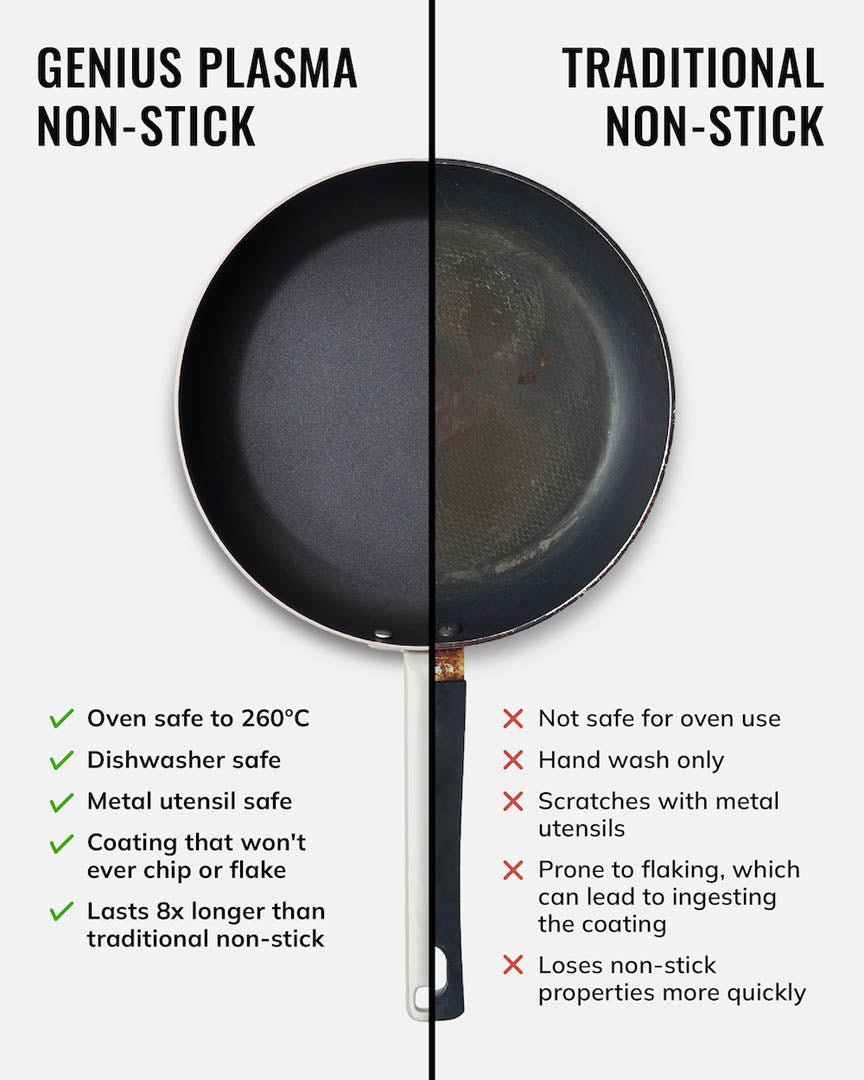
Your non-stick cookware is a kitchen hero, making cooking and cleaning easier every day. But if you want to keep it working perfectly, you need to take care of it the right way.
Imagine cooking your favorite meals without worrying about food sticking or scrubbing for hours. This guide will show you simple, effective tips to maintain your non-stick pans, so they last longer and perform better. Ready to unlock the secret to cookware that stays like new?
Keep reading, and your kitchen routine will never be the same.
Choosing The Right Cookware
Choosing the right non-stick cookware helps keep food from sticking. It also makes cleaning easier.
Good cookware lasts longer and cooks food more evenly. Pick cookware based on material and coating quality.
Material Types And Coatings
Non-stick cookware comes in many materials. Aluminum is light and heats quickly. Stainless steel is strong but less common for non-stick.
Coatings include PTFE (Teflon) and ceramic. PTFE is smooth and very non-stick. Ceramic is natural and safe at high heat.
- Aluminum with PTFE is common and affordable
- Ceramic coatings resist scratches better
- Hard-anodized aluminum is durable
Avoiding Cheap Imitations
Cheap cookware may look good but wears out fast. Low-quality coatings peel or scratch easily.
Choose brands with good reviews. Check for warranty and safety certifications. Avoid very low prices that seem too good.
- Look for even coating without bubbles
- Check if the cookware is dishwasher safe
- Beware of cookware with unknown brand names

Credit: www.reddit.com
Proper Cleaning Techniques
Keeping your non-stick cookware clean is key for long use. Using the right methods stops damage and keeps the surface smooth.
Here are tips on cleaning tools, hand washing, and handling tough spots on your pans.
Hand Washing Vs. Dishwasher
Hand washing your non-stick pans is safer than using a dishwasher. Dishwashers can cause the coating to wear off faster.
- Use warm, soapy water and a soft sponge when hand washing.
- Avoid abrasive scrubbers that scratch the surface.
- Dishwashers may use harsh detergents that damage the coating.
- Dry pans immediately after washing to prevent water spots.
Best Cleaning Tools
Choose tools that clean well but do not harm the non-stick layer. Soft tools work best.
| Tool | Use | Why It’s Good |
|---|---|---|
| Soft sponge | Daily cleaning | Gentle on surface |
| Non-abrasive scrubber | Light residue | Removes dirt without scratching |
| Microfiber cloth | Drying and polishing | Prevents streaks and spots |
| Plastic or wooden spatula | Food removal | Safe for coating |
Dealing With Stubborn Residue
Sometimes, food sticks and is hard to clean. Use gentle tricks to remove it without damage.
- Fill the pan with warm water and add a few drops of dish soap.
- Let it soak for 15 to 30 minutes.
- Use a soft sponge to gently scrub the residue away.
- For tough spots, make a paste with baking soda and water.
- Apply the paste to the residue and leave for 10 minutes.
- Rinse well and dry with a soft cloth.
Cooking Practices To Protect Coating
Non-stick cookware needs special care to keep its coating safe. Using the right cooking methods helps the pan last longer.
Simple habits during cooking can stop damage to the non-stick surface. This guide explains three key practices to follow.
Using Appropriate Utensils
Metal utensils can scratch and harm the non-stick coating. Use softer tools to avoid damage.
- Choose wooden spoons or spatulas
- Use silicone or plastic utensils
- Avoid sharp or metal tools
- Check utensils for rough edges
Optimal Heat Settings
High heat can break down the coating and release fumes. Cook on low to medium heat to keep pans safe.
| Heat Level | Effect on Non-Stick Coating |
| Low | Safe for all cooking |
| Medium | Good for most recipes |
| High | Can damage coating quickly |
Avoiding Cooking Sprays
Cooking sprays leave a residue that builds up and harms the surface. Use oils instead for better results.
Tips to avoid damage from cooking sprays:
- Use a small amount of cooking oil or butter
- Apply oil with a brush or paper towel
- Clean the pan well after each use

Credit: www.carawayhome.com
Storage Tips For Non-stick Pans
Non-stick pans need careful storage to keep their coating safe. Proper storage helps the pan last longer and perform well.
Storing pans the right way prevents damage like scratches and warping. This saves money and keeps cooking easy.
Preventing Scratches
Scratches can ruin the non-stick surface and reduce its usefulness. Avoid using sharp or rough objects near the pan.
Use soft cloths or paper towels between pans when you store them. This protects the coating from rubbing and scratching.
- Place a paper towel inside each pan before stacking
- Use pan protectors or cloth liners for extra protection
- Never store pans with metal utensils inside
Stacking Safely
Stacking pans saves space but can cause damage if done wrong. Keep the heaviest pans at the bottom and the lightest on top.
Make sure pans do not slide or move around when stacked. Secure them with liners or separators to avoid scratches and dents.
- Stack pans with liners between each one
- Store lids separately to prevent pressure on pans
- Use pan racks for vertical storage to avoid stacking
When To Replace Non-stick Cookware
Non-stick cookware makes cooking easier and cleaning faster. But it does not last forever. Knowing when to replace it helps keep your food safe and tasty.
This guide shows signs of wear and tear and health considerations to watch for before replacing your non-stick pans.
Signs Of Wear And Tear
Non-stick coatings wear out over time. Watch for these signs that your cookware needs replacement:
- Scratches or chips on the surface
- Food sticks more than usual
- Discoloration or peeling of the coating
- Warped or bent pan shape
- Loose handles or broken parts
Using damaged cookware can harm your cooking results and may release harmful particles.
Health Considerations
| Risk | Cause | When to Replace |
|---|---|---|
| Chemical Exposure | Peeling or scratched coating | Immediately after damage appears |
| Food Contamination | Food sticks and burns on old surface | When cooking quality drops |
| Overheating Damage | Warping or discoloration from high heat | When pan loses shape or coating fades |
Replacing your non-stick cookware on time protects your health and keeps meals delicious.

Credit: circulon.uk.com
Frequently Asked Questions
How Do You Clean Non-stick Cookware?
To clean non-stick cookware, use warm water and mild dish soap. Avoid abrasive sponges or cleaners. Gently wipe the surface with a soft cloth or sponge. Rinse thoroughly and dry immediately to prevent water spots and maintain its non-stick properties.
Can You Use Metal Utensils On Non-stick Pans?
Using metal utensils on non-stick pans is not recommended. Metal can scratch and damage the non-stick coating. Instead, use wooden, silicone, or plastic utensils to preserve the surface. This helps in extending the lifespan of your non-stick cookware.
How Often Should Non-stick Pans Be Replaced?
Non-stick pans should be replaced every 3 to 5 years, depending on usage. If the coating is peeling, scratched, or food sticks frequently, consider replacing them sooner. Regular inspection helps ensure optimal performance and safety in cooking.
Is High Heat Bad For Non-stick Cookware?
Yes, high heat can damage non-stick cookware. It can break down the non-stick coating, reducing its effectiveness. Always cook on low to medium heat to preserve the surface. This practice extends the lifespan of your cookware and ensures even cooking.
Conclusion
Caring for non-stick cookware is simple and worth the effort. Use soft tools and mild cleaners to protect the surface. Avoid high heat to keep the coating safe. Hand wash your pans to extend their life. Store them carefully to prevent scratches.
Small daily habits make a big difference. Your cookware will stay useful and look good longer. Enjoy cooking without worry or sticking problems. Keep these tips in mind for lasting, easy-to-clean pans.