
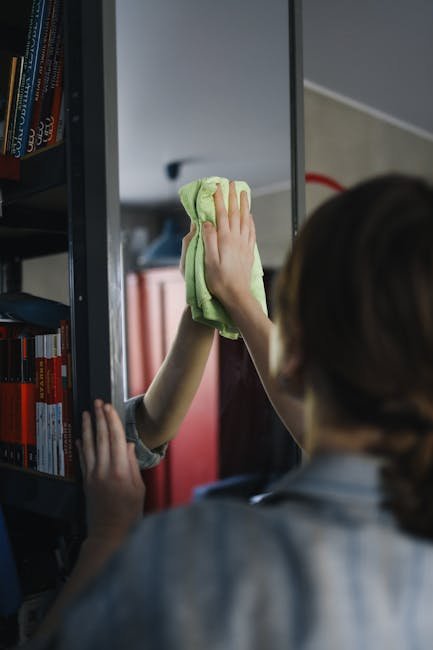
You rely on your microfiber cloths to keep surfaces spotless and streak-free. But are you taking the right steps to keep them in top shape?
How you clean and store your microfiber cloths can make all the difference in their lifespan and effectiveness. If you want your cloths to work like new every time, understanding the simple secrets of maintenance is key. Keep reading to discover easy tips that will save you money and ensure your microfiber cloths stay fresh and ready whenever you need them.
Choosing The Right Microfiber Cloths
Choosing the correct microfiber cloth is important for cleaning tasks. Different cloths suit different surfaces and jobs.
Knowing the types and uses helps you pick the best cloth. This saves time and protects your belongings.
Material Quality
Look for microfiber cloths made with high-quality fibers. These cloths last longer and clean better.
Good microfiber has very fine fibers that trap dust and dirt easily. Avoid cheap cloths that shed or scratch surfaces.
Weave Type
Microfiber cloths come in different weaves. The weave affects absorbency and softness.
- Terry weave: thick and good for drying
- Waffle weave: lightweight and fast-drying
- Flat weave: smooth and good for polishing
Cloth Size And Thickness
Choose a size that fits your cleaning needs. Larger cloths cover more area quickly.
Thicker cloths hold more dirt but dry slower. Thin cloths dry fast but may need frequent rinsing.
Purpose And Use
Pick cloths designed for your cleaning tasks. Some cloths work best for glass, others for floors.
| Cleaning Task | Recommended Cloth |
| Glass and mirrors | Flat weave, lint-free |
| Dusting furniture | Soft terry weave |
| Car washing | Thick terry weave |
| Electronics | Ultra-fine microfiber |
Credit: www.carwash.com
Pre-wash Preparation
Taking care of microfiber cloths starts before washing. Proper preparation helps keep them soft and effective.
Cleaning microfiber cloths correctly saves you money and extends their life. Let’s look at key steps.
Sorting By Color
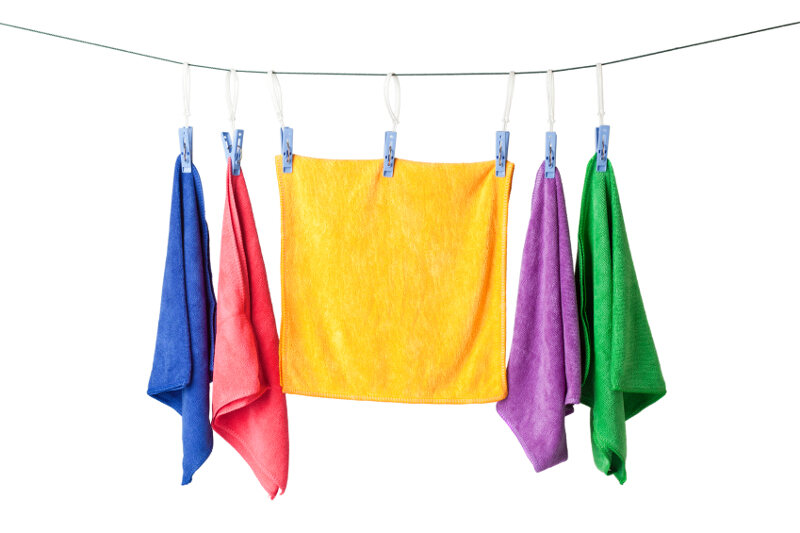
Sort microfiber cloths by color to avoid color bleeding. Dark colors can stain light ones in the wash.
Keep whites and lights separate from darks. This helps keep all cloths bright and clean.
- Separate dark, light, and white cloths
- Check for any color fading before washing
- Avoid mixing new dark cloths with whites
Checking For Damage
Look closely at each cloth for tears or holes. Damaged cloths can worsen when washed.
Remove or repair cloths with damage. This keeps your cleaning tools in good shape.
- Inspect edges for fraying
- Check fabric for holes or thin spots
- Set aside damaged cloths for repair or replacement
Washing Techniques
Microfiber cloths need special care to keep them soft and effective. Proper washing helps remove dirt and oils without damaging the fibers.
Use gentle washing methods to extend the life of your cloths. Avoid harsh treatments that can reduce their cleaning power.
Using Cold Water
Wash microfiber cloths in cold water to protect their fibers. Hot water can break down the material and cause shrinking.
Cold water helps keep the cloths soft and prevents stains from setting in. It also saves energy and lowers your utility bills.
Avoiding Fabric Softeners
Do not use fabric softeners with microfiber cloths. Softeners leave a coating that reduces their absorbency and cleaning ability.
Skip dryer sheets too. They can clog the fibers and make the cloths less effective at picking up dust and dirt.
Selecting Gentle Detergents
Choose mild detergents that do not contain bleach or strong chemicals. Harsh detergents damage the microfiber strands.
Look for detergents labeled safe for delicate fabrics. These keep your cloths clean without wearing them out.
- Use a small amount of detergent
- Do not mix with heavy fabrics
- Rinse cloths thoroughly
Drying Methods
Drying microfiber cloths properly helps keep them soft and effective. Using the right drying method extends the cloths’ life.
Different drying methods affect microfiber cloths in different ways. Choose a method that protects the fibers and maintains quality.
Air Drying Benefits
Air drying microfiber cloths is gentle and prevents damage. It keeps the fibers from shrinking or melting.
Air drying saves energy and reduces wear on your cloths. It is the safest way to dry microfiber without losing softness.
- Prevents heat damage
- Keeps fibers soft and fluffy
- Uses no electricity
- Reduces static buildup
- Extends cloth lifespan
Tumble Drying Precautions
Tumble drying microfiber cloths can be fast but risky. High heat can melt or damage the fibers.
Use low or no heat settings to protect your cloths. Avoid dryer sheets as they can leave residues on microfiber.
- Set dryer to low or air fluff
- Do not use dryer sheets
- Check cloths often to avoid overheating
- Remove cloths promptly after drying
- Use tumble drying only when air drying is not possible
Proper Storage Solutions
Keeping microfiber cloths clean and fresh extends their life. Proper storage stops dust and dirt buildup. It also prevents damage to the fibers.
Choosing the right storage method keeps your cloths ready to use anytime. It also helps maintain their softness and absorbency.
Folding Techniques
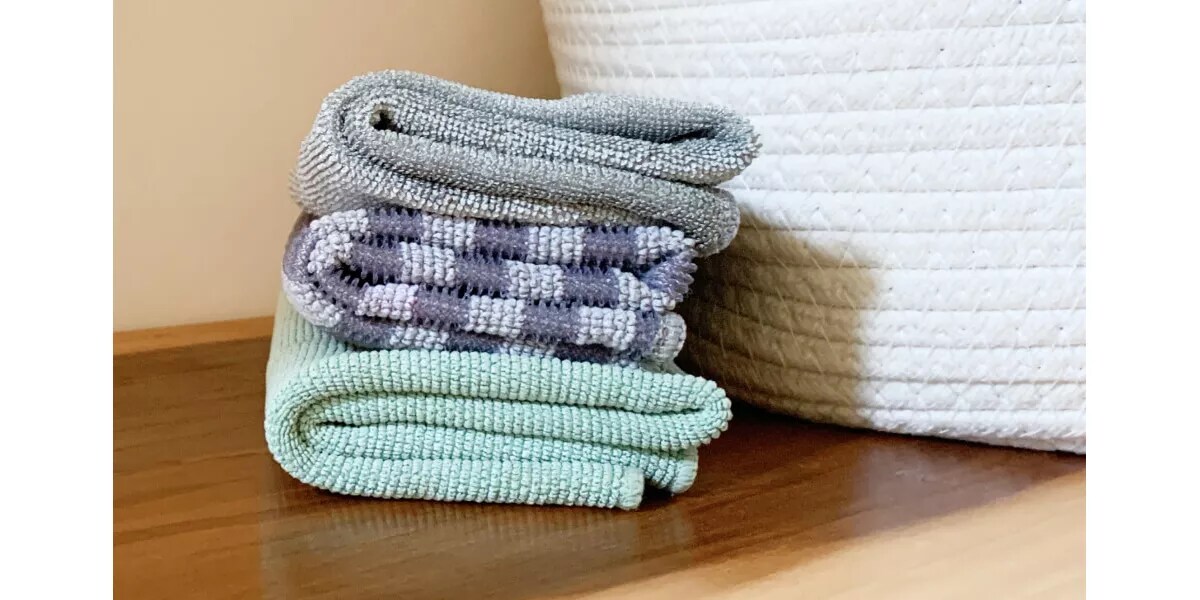
Folding microfiber cloths carefully reduces wrinkles and creases. It keeps the cloths neat and easy to find.
- Lay the cloth flat on a clean surface.
- Fold it in half, matching edges smoothly.
- Fold it again into a smaller square or rectangle.
- Store folded cloths in a dry, dust-free place.
Storage Containers
Using containers protects microfiber cloths from dirt and moisture. Choose containers that allow air flow to avoid mildew.
| Container Type | Benefits | Drawbacks |
|---|---|---|
| Plastic bins with lids | Protects from dust and spills | May trap moisture if sealed tightly |
| Mesh bags | Allows air circulation, prevents mildew | Less protection from dust |
| Fabric storage boxes | Breathable and lightweight | Can absorb moisture if damp |
Tips For Stain Removal
Microfiber cloths are great for cleaning but can hold on to stains. Removing stains quickly helps keep them fresh and useful. Using the right methods will protect the cloths’ fibers.
Here are easy tips to remove stains and keep your microfiber cloths in good shape.
Spot Cleaning Steps
Spot cleaning stops stains from setting deep into microfiber cloths. Act fast and follow simple steps to clean the spot well.
- Blot the stain gently with a clean, dry cloth to remove excess dirt.
- Mix a small amount of mild detergent with warm water.
- Dip a soft cloth in the solution and dab the stained area.
- Rinse the spot with clean water using a damp cloth.
- Allow the cloth to air dry completely before reuse.
Using Vinegar Solutions
Vinegar works well to remove tough stains and odors from microfiber cloths. It is gentle and safe for most fabrics.
Use this simple vinegar solution to treat stains without damaging the cloth.
- Mix one part white vinegar with two parts water in a spray bottle.
- Spray the stained area lightly with the solution.
- Let it sit for 10 to 15 minutes to break down the stain.
- Rinse the cloth with cold water to remove vinegar and loosened dirt.
- Air dry the cloth fully before next use.
Extending Lifespan
Microfiber cloths are useful for cleaning many surfaces. Taking care of them helps them last longer.
Proper maintenance keeps the cloths soft and effective. It also saves money by reducing replacements.
Regular Maintenance
Wash microfiber cloths often to remove dirt and oils. Do not mix them with linty fabrics like cotton.
Dry the cloths on low heat or air dry. High heat can damage the fibers and reduce cleaning power.
- Shake out dirt before washing
- Use gentle washing cycles
- Separate from rough fabrics
- Dry on low heat or air dry
Avoiding Harsh Chemicals
Do not use bleach or fabric softeners on microfiber cloths. These chemicals break down the fibers.
Use mild detergents to keep the cloths strong. Harsh chemicals reduce their ability to clean well.
- No bleach
- No fabric softeners
- Use mild detergent only
- Rinse cloths well after washing
Credit: www.maytag.com
Common Mistakes To Avoid
Microfiber cloths need special care to stay soft and effective. Avoiding common errors helps keep them working well.
Many people damage their microfiber cloths without knowing it. Learn what to avoid for long-lasting cleaning cloths.
Overloading The Washer
Putting too many microfiber cloths in the washer causes poor cleaning. Overloading stops water and soap from reaching all fibers.
Cloths rub harshly when packed tightly. This breaks down the tiny fibers and lowers cloth quality.
- Wash fewer cloths per load
- Leave space for water to move
- Use gentle wash cycles
- Rinse well to remove soap
Mixing With Cotton Fabrics
Washing microfiber with cotton makes lint stick to the cloths. Microfiber traps cotton fibers, causing streaks and loss of softness.
Cotton also sheds in the wash. This dirt clogs the microfiber and lowers cleaning power.
- Wash microfiber separately from cotton
- Use mesh bags if mixing is needed
- Clean lint filters often
- Choose proper wash settings

Credit: www.amazon.com
Frequently Asked Questions
How Often Should I Wash Microfiber Cloths?
Wash microfiber cloths after every use to maintain their effectiveness. Frequent washing removes dirt, oils, and bacteria. Avoid over-washing, which can damage fibers. Proper cleaning extends cloth lifespan and keeps them highly absorbent and efficient for cleaning tasks.
Can I Use Fabric Softener With Microfiber Cloths?
No, avoid using fabric softeners with microfiber cloths. Fabric softeners clog the fibers, reducing absorbency and cleaning power. Use mild detergent instead. This keeps microfiber cloths soft and effective for dusting, wiping, and polishing surfaces.
What Is The Best Way To Dry Microfiber Cloths?
Air drying is best for microfiber cloths to preserve fibers. If using a dryer, choose a low heat setting. High heat can damage fibers, reducing cleaning efficiency and lifespan. Proper drying maintains softness and performance of microfiber cloths.
How Do I Remove Odors From Microfiber Cloths?
To remove odors, wash microfiber cloths with vinegar or baking soda. These natural deodorizers break down smells without harming fibers. Avoid bleach or harsh chemicals, which can degrade microfiber quality. Proper cleaning keeps cloths fresh and ready for reuse.
Conclusion
Proper care keeps microfiber cloths soft and effective. Wash them gently with mild detergent. Avoid fabric softeners and bleach to protect fibers. Air dry or use low heat to prevent damage. Store cloths clean and dry to avoid odors. Clean cloths work better and last longer.
Small steps help maintain their quality. Take care, and your microfiber cloths will serve you well for years. Simple habits make a big difference in cloth care.