
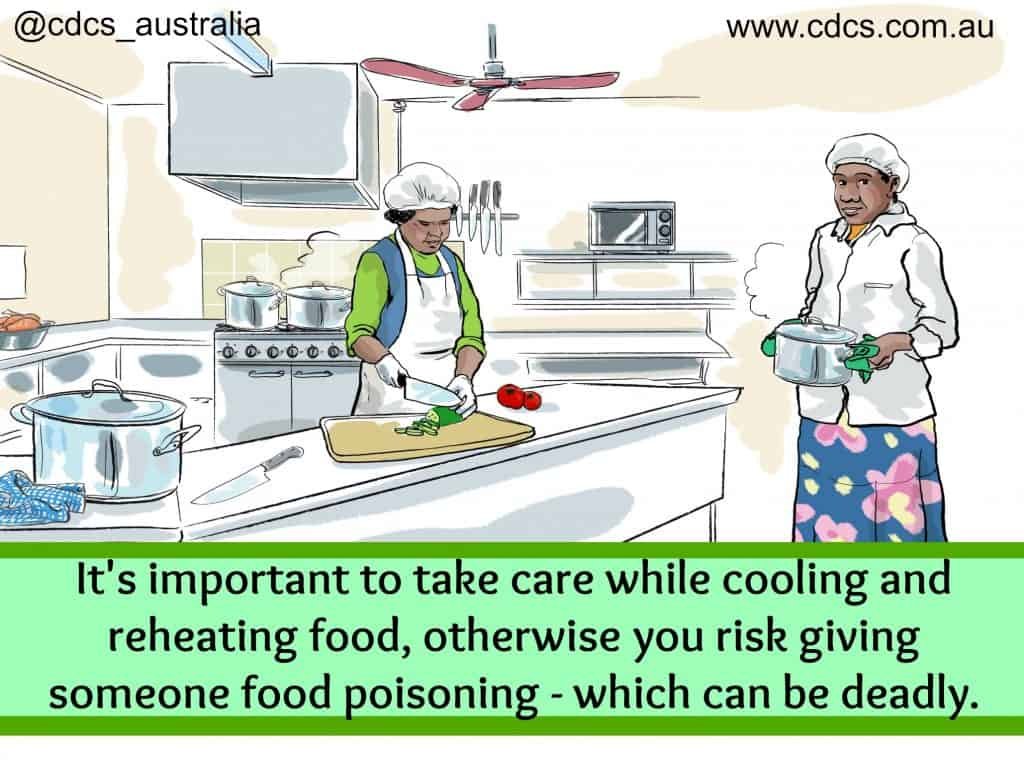
Keeping your kitchen clean while you cook isn’t just about looking good—it’s about staying healthy and safe. You might think a quick wipe here and there is enough, but even small slips can lead to germs and food contamination.
Imagine preparing a meal with confidence, knowing every surface and tool is spotless. You’ll discover simple, practical tips that make maintaining kitchen hygiene easy and stress-free. Ready to transform your cooking space into a clean, safe zone? Let’s dive in.
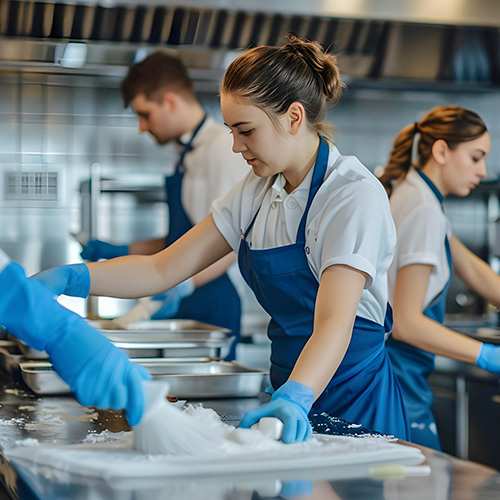
Credit: www.webstaurantstore.com
Importance Of Kitchen Hygiene
Keeping your kitchen clean is very important for safe cooking. Good hygiene stops germs from spreading.
A clean kitchen helps protect your family from foodborne illnesses and keeps food fresh.
Cross-contamination happens when germs move from one food or surface to another. This can cause sickness.
- Wash hands before and after handling raw food
- Use separate cutting boards for meat and vegetables
- Clean knives and utensils after each use
- Keep raw and cooked foods apart in the fridge
Cleaning Surfaces And Utensils
Regular cleaning kills bacteria and keeps your kitchen safe. Wipe counters and wash utensils often.
| Surface | Cleaning Frequency |
| Countertops | After every meal preparation |
| Cutting boards | After each use |
| Knives and utensils | After each use |
| Sinks | Daily |
Proper Food Storage
Storing food correctly stops bacteria growth. Keep foods at the right temperature and cover them well.
Tips for Safe Food Storage:
- Store raw meat on the bottom shelf of the fridge
- Use airtight containers for leftovers
- Check expiry dates regularly
- Keep dry goods in sealed containers
:max_bytes(150000):strip_icc()/Health-GettyImages-WashingFruitsAndVegetables-260aacef11794bfd83a893d59a73c443.jpg)
Credit: www.health.com
Proper Handwashing Techniques
Keeping your hands clean is very important while cooking. It helps stop germs from spreading to food.
Good handwashing protects you and others from getting sick. Learn the right way to wash your hands.
Use Clean, Running Water
Start by turning on clean, running water. It can be warm or cold, but warm water feels better.
Wet your hands completely before adding soap. This helps the soap work well to clean dirt and germs.
Apply Soap And Lather Well
Use enough soap to cover all hand surfaces. Rub your hands together to make a good lather.
Make sure to clean the backs of your hands, between fingers, and under nails where germs hide.
- Palms
- Backs of hands
- Between fingers
- Under fingernails
- Thumbs
- Wrists
Scrub Hands For At Least 20 Seconds
Scrub your hands for 20 seconds or more. This time helps remove germs well.
You can count slowly or hum a short song to keep track of time.
Rinse Thoroughly And Dry Hands
Rinse your hands well under clean running water. Remove all soap to avoid irritation.
Dry your hands with a clean towel or air dryer. Dry hands stop germs from spreading easily.
Wash Hands At Key Times
Wash your hands before and after handling food. This keeps your kitchen clean and safe.
- Before cooking
- After touching raw meat
- After using the bathroom
- After coughing or sneezing
- After touching pets
Sanitizing Kitchen Surfaces
Keeping kitchen surfaces clean stops germs from spreading. It helps protect your family’s health.
Sanitizing removes bacteria and viruses on counters, cutting boards, and sinks. This is key while cooking.
Clean Before You Sanitize
Remove food bits and dirt first. Use soap and water to wash surfaces well.
Cleaning helps the sanitizer work better. Without cleaning, germs can hide under dirt.
Choose Safe Sanitizing Products
Pick sanitizers made for kitchen use. Look for products that kill bacteria and viruses fast.
- Use diluted bleach solutions safely
- Try commercial kitchen sanitizers
- Vinegar can help, but it is not a sanitizer
Use Proper Sanitizing Techniques
Apply sanitizer evenly on surfaces. Let it sit for the time listed on the label.
Do not wipe sanitizer away too soon. Give it time to kill germs completely.
Sanitize High-touch Areas Often
Clean handles, switches, and faucets more than once a day. These spots gather many germs.
- Refrigerator and cabinet handles
- Light switches
- Sink faucet and knobs
Use Separate Cloths For Sanitizing
Keep cloths for cleaning and others for sanitizing. This stops cross-contamination.
Wash cloths often in hot water. Dry them well before reuse.
Safe Food Storage Practices
Keeping food safe is important to avoid sickness. Proper storage helps stop germs from growing.
Learn simple ways to store food safely in your kitchen. This keeps meals fresh and healthy.
Separate Raw And Cooked Foods
Keep raw meat, fish, and eggs away from cooked foods. This stops bacteria from spreading.
Use different containers or shelves for raw and cooked items. Clean surfaces after contact with raw food.
Use Airtight Containers
Store food in airtight containers to keep it fresh longer. This also prevents odors and pests.
Choose containers made of glass or food-safe plastic. Label them with the date to track freshness.
Keep The Fridge At The Right Temperature
Set your refrigerator temperature below 40°F (4°C). Cold temps slow down bacteria growth.
Use a fridge thermometer to check the temperature regularly. Adjust settings if needed.
Store Foods On Correct Shelves
Place raw meat on the bottom shelf to avoid drips on other foods. Keep ready-to-eat food higher up.
- Top shelf: cooked and ready-to-eat items
- Middle shelves: dairy and leftovers
- Bottom shelf: raw meat, fish, and poultry
Avoid Overpacking Your Fridge
Do not pack the fridge too full. Air needs to circulate to keep food cold evenly.
Leave space between items for good air flow. This helps keep all food safe and fresh.
Follow Expiration Dates
Check food labels for expiration or use-by dates. Eat or discard food before it spoils.
Use the first-in, first-out rule. Eat older items before newer ones to reduce waste.
Handling Raw Ingredients Safely
Keeping your kitchen clean is very important when you cook. Handling raw ingredients safely helps stop germs from spreading.
Raw foods like meat, eggs, and vegetables can carry bacteria. You need to prepare them carefully to keep your food healthy.
Clean Your Hands And Surfaces
Wash your hands with soap and water before and after touching raw ingredients. Clean cutting boards, knives, and counters well after use.
Separate Raw Foods From Cooked Foods
Keep raw meat, poultry, and seafood away from cooked foods. Use different utensils and plates for raw and cooked items to stop germs from spreading.
Store Raw Ingredients Properly
Store raw meat and fish in sealed containers at the bottom of the fridge. This stops their juices from dripping on other foods.
| Food Type | Storage Tip |
| Raw Meat | Keep in sealed container, bottom shelf |
| Raw Fish | Store on ice or in coldest fridge area |
| Fresh Vegetables | Keep dry and in crisper drawer |
| Eggs | Store in original carton inside fridge |
Cook Raw Ingredients Thoroughly
Cook meat, poultry, and seafood to safe temperatures. Use a food thermometer to check the temperature inside.
- Chicken and turkey: 165°F (74°C)
- Ground meats: 160°F (71°C)
- Beef, pork, lamb: 145°F (63°C) plus rest time
- Fish: 145°F (63°C)
Wash Fruits And Vegetables Carefully
Rinse fresh fruits and vegetables under running water. Use a brush for firm produce. Do not use soap or bleach.
Tip:Cut away any damaged parts before washing to avoid spreading dirt.

Credit: satishcaterers.in
Preventing Cross-contamination
Cross-contamination happens when harmful bacteria spread from one food to another. It can cause food poisoning and sickness.
Keeping your kitchen clean and organized stops bacteria from spreading while you cook.
Use Separate Cutting Boards
Use different cutting boards for raw meat, vegetables, and cooked food. This prevents germs from raw meat mixing with other foods.
- Label boards for meat, veggies, and cooked items
- Clean boards with hot soapy water after use
- Replace worn or cracked boards regularly
Wash Hands Often
Wash your hands with soap and water before and after handling food. This stops germs from spreading.
- Wash hands for at least 20 seconds
- Use hand sanitizer if soap and water are not available
- Dry hands with a clean towel or air dryer
Clean Utensils And Surfaces
Wash knives, spoons, and countertops often. Bacteria can live on surfaces and contaminate food.
- Use hot, soapy water for cleaning
- Disinfect surfaces with a safe kitchen cleaner
- Clean spills immediately to avoid germs
Store Food Properly
Keep raw meat separate from ready-to-eat foods in the fridge. This stops juices from touching other foods.
- Use sealed containers for raw meat
- Place raw meat on the bottom shelf
- Keep cooked and fresh foods covered
Cook Food To Safe Temperatures
Cooking kills bacteria in food. Use a food thermometer to check the temperature.
- Cook poultry to at least 165°F (74°C)
- Cook ground meat to 160°F (71°C)
- Reheat leftovers to 165°F (74°C)
Cleaning Cooking Utensils
Keeping your cooking utensils clean is important for kitchen hygiene. Dirty utensils can spread germs and affect food safety.
Proper cleaning helps keep your kitchen healthy and your meals safe to eat. It also keeps utensils in good condition.
Wash Immediately After Use
Wash utensils right after cooking to stop food from drying on them. This makes cleaning easier and stops bacteria growth.
Use Hot Soapy Water
Hot water with soap removes grease and food particles better. Soak utensils if food is stuck before scrubbing.
- Fill sink with hot water and dish soap
- Soak utensils for 10-15 minutes if needed
- Use a scrub brush or sponge to clean all surfaces
- Rinse well with clean water
- Dry with a clean towel or air dry
Sanitize Utensils Regularly
Sanitizing kills germs that washing might miss. Use a mild bleach solution or vinegar to sanitize your utensils.
| Sanitizing Method | Instructions |
| Bleach Solution | Mix 1 tablespoon bleach with 1 gallon water. Soak utensils for 2 minutes. |
| Vinegar Rinse | Rinse utensils in white vinegar for 5 minutes, then rinse with water. |
Avoid Cross-contamination
Use separate utensils for raw and cooked foods. Clean utensils before switching between food types to stop germs from spreading.
Store Utensils Properly
Keep utensils dry and in a clean place. Avoid stacking wet utensils to stop bacteria growth.
- Store in a dry drawer or holder
- Keep knives and forks separated
- Use utensil trays for organization
Managing Kitchen Waste
Keeping your kitchen clean helps prevent germs and bad smells. Managing kitchen waste is important for hygiene.
Throwing away waste correctly stops pests and keeps your cooking area safe.
Separate Waste Properly
Use different bins for food scraps, recyclables, and trash. This helps keep waste organized and easy to manage.
Separate waste stops contamination and makes cleaning faster.
- Food waste bin for leftovers and peels
- Recycle bin for paper, glass, and plastics
- Trash bin for non-recyclable items
Empty Bins Often
Do not let waste bins fill up too much. Empty them daily to avoid bad smells and bugs.
Clean bins regularly with soap and water to kill germs and keep them fresh.
Compost Food Scraps
Composting food scraps reduces waste and creates useful soil for plants. It is good for the environment.
Use a compost bin or pile to collect peels, coffee grounds, and vegetable scraps.
- Keep compost dry and well-aired
- Add brown materials like dry leaves
- Avoid meat and dairy in compost
Use Food Waste Containers With Lids
Use containers with tight lids to store food waste before disposal. This reduces smells and keeps pests away.
Choose containers that are easy to clean and fit your kitchen space.
Avoid Food Waste When Cooking
Plan meals and use leftovers to reduce food waste. Less waste means less mess to manage.
- Measure ingredients carefully
- Store food properly to keep it fresh
- Use leftovers in new recipes
Maintaining Appliance Cleanliness
Keeping kitchen appliances clean is vital for safe cooking. Dirty appliances can spread germs and affect food taste.
Regular cleaning helps appliances last longer and work better. This guide shows how to keep your kitchen devices spotless.
Clean Appliances After Each Use
Wipe down appliances like mixers, blenders, and toasters after every use. This stops food buildup and stains.
Deep Clean Regularly
Set a weekly schedule to deep clean appliances. Remove detachable parts and wash with warm soapy water.
- Unplug appliances before cleaning
- Use soft cloths or sponges
- Avoid harsh chemicals that damage surfaces
- Dry parts completely before reassembly
Maintain Appliance Filters And Vents
Filters and vents collect dust and grease. Clean or replace filters often to keep appliances working well.
| Appliance | Filter Type | Cleaning Frequency |
| Range Hood | Grease Filter | Every 1-2 months |
| Air Fryer | Air Filter | Monthly |
| Microwave | Vent Filter | Every 3 months |
Avoid Moisture Damage
Keep appliances dry to prevent rust and mold. Wipe spills quickly and store appliances in dry areas.
Personal Hygiene In The Kitchen
Keeping good personal hygiene is key to a clean kitchen. It helps stop germs from spreading to food.
Simple habits can make cooking safer and healthier for everyone in your home.
Hand Washing
Wash your hands often with soap and warm water. Do this before cooking and after touching raw food.
- Scrub hands for at least 20 seconds
- Clean under fingernails and between fingers
- Dry hands with a clean towel or air dryer
Wear Clean Clothes
Always wear clean clothes and an apron while cooking. This prevents dirt and germs from getting on food.
Avoid Touching Your Face
Do not touch your nose, mouth, or hair while cooking. If you do, wash your hands right away.
Keep Hair Tied Back
Tie back long hair to stop it from falling into food. Use a hairnet or cap if possible.
Avoid Cooking When Sick
If you feel sick, do not cook. Germs can spread easily and contaminate food and surfaces.
| Hygiene Tip | Why It Matters |
| Wash hands before cooking | Removes germs that cause illness |
| Wear clean clothes | Prevents dirt and germs from food |
| Tie back hair | Keeps hair out of food |
| Do not cook when sick | Stops spreading viruses and bacteria |
Frequently Asked Questions
How Often Should I Clean Kitchen Surfaces During Cooking?
Clean kitchen surfaces before, during, and after cooking. Wipe spills immediately to prevent bacteria growth. Use disinfectant regularly. This habit keeps your kitchen hygienic and safe.
What Is The Best Way To Handle Raw Meat Safely?
Always wash hands before and after handling raw meat. Use separate cutting boards and utensils. Cook meat thoroughly to kill harmful bacteria. Store meat properly to avoid contamination.
How Can I Prevent Cross-contamination In The Kitchen?
Use separate cutting boards for meat and vegetables. Wash hands and utensils frequently. Clean surfaces with disinfectant. Properly store food to avoid mixing raw and cooked items.
Why Is Handwashing Important While Cooking?
Handwashing removes germs and bacteria. It prevents foodborne illnesses. Wash hands with soap and warm water for at least 20 seconds. Repeat before handling food or after touching raw ingredients.
Conclusion
Keeping your kitchen clean helps protect your health every day. Wash hands and surfaces often. Store food properly to avoid germs. Use separate tools for raw and cooked food. Clean spills right away to stop bugs and bacteria. Small habits make a big difference in kitchen safety.
A clean kitchen means safer meals and less waste. Stick to these tips to enjoy cooking without worries. Good hygiene keeps your family healthy and happy. Simple steps go a long way in any kitchen.