
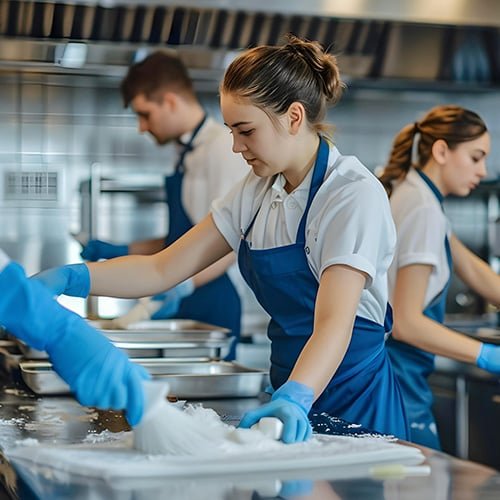
Keeping your kitchen clean while preparing meals is more important than you might think. If you don’t maintain proper hygiene, you risk spreading harmful bacteria that can make you and your loved ones sick.
But don’t worry—this doesn’t have to be hard or time-consuming. By following simple, effective steps, you can protect your health and enjoy cooking with confidence. Ready to discover easy ways to keep your kitchen spotless during meal prep? Let’s dive in and make your cooking space safer and cleaner than ever before.
Credit: www.newsbytesapp.com
Clean Work Surfaces
Keeping your kitchen work surfaces clean is key to safe meal preparation. Dirt and germs on counters can cause food contamination.
Regular cleaning and sanitizing help stop harmful bacteria from spreading. This protects you and your family from foodborne illness.
Sanitize Before And After Use
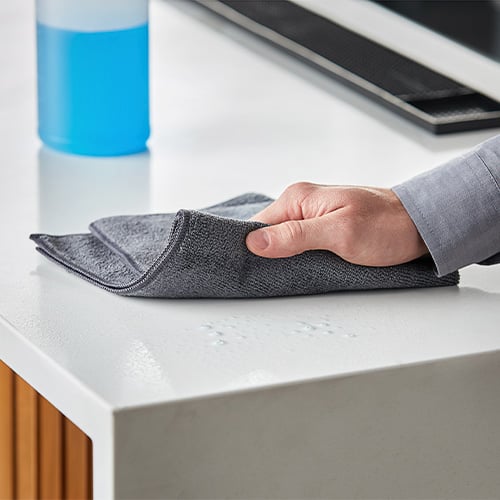
Always sanitize surfaces before starting to cook and after finishing. This removes bacteria and food residue that might be left behind.
- Use hot, soapy water to clean surfaces.
- Apply a food-safe sanitizer after washing.
- Let surfaces air dry to keep them clean.
- Sanitize cutting boards, knives, and utensils too.
Use Separate Cutting Boards
Using different cutting boards for meat, vegetables, and bread helps avoid cross-contamination. Each board should be cleaned well after use.
| Cutting Board Type | Recommended Use |
| Red | Raw meat and poultry |
| Green | Fruits and vegetables |
| Brown | Cooked meat |
| White | Bread and dairy products |
Credit: www.webstaurantstore.com
Proper Hand Hygiene
Maintaining clean hands is key to safe meal preparation. Hands carry germs that can spread to food and surfaces.
Good hand hygiene helps stop bacteria and viruses from contaminating your kitchen. It protects you and others from illness.
Wash Hands Frequently
Wash your hands often, especially before cooking and after touching raw food. Use soap and warm water to clean thoroughly.
- Wet hands with clean water
- Apply soap and scrub for at least 20 seconds
- Clean under nails and between fingers
- Rinse hands well under running water
- Dry hands with a clean towel or air dry
Use Gloves When Necessary
Wearing gloves helps protect food from germs on your hands. Use gloves when handling ready-to-eat foods or cuts on your hands.
| When to Use Gloves | Important Tips |
| Handling raw meat, fish, or poultry | Change gloves after touching raw items |
| Preparing salads or sandwiches | Use clean gloves and avoid touching face |
| Serving food to others | Replace gloves if they get torn or dirty |
| Cleaning kitchen surfaces | Wear gloves to protect skin and food safety |
Safe Food Storage
Keeping your kitchen clean is key for safe meal prep. Proper food storage stops germs from spreading.
Safe storage helps keep food fresh and prevents sickness. You can follow simple rules to store food safely.
Keep Raw And Cooked Foods Separate
Raw foods like meat and fish have bacteria that can spread. Cooked foods are safe to eat and must stay clean.
Always store raw and cooked foods apart. Use separate containers and shelves to avoid mix-up.
- Place raw meat on the bottom shelf of the fridge
- Store cooked food on upper shelves away from raw items
- Use sealed containers for both raw and cooked foods
- Clean hands and surfaces after handling raw food
Store Perishables Correctly
Perishables like dairy, meat, and vegetables need cold storage. Keep your fridge at or below 40°F (4°C).
Use airtight containers or wrap food tightly. This keeps food fresh and stops smells from mixing.
- Refrigerate perishables within two hours after buying
- Check expiry dates and use food before it spoils
- Do not overcrowd the fridge to allow air circulation
- Freeze items if you plan to store them for a long time
Use Fresh Ingredients
Using fresh ingredients is key to keeping your kitchen clean and meals safe. Fresh food tastes better and has more nutrients.
Always choose fresh vegetables, fruits, and meats for your recipes. This helps reduce the chance of foodborne illnesses.
Check Expiration Dates
Before cooking, check the expiration dates on all packaged foods. Using expired products can cause sickness.
| Food Item | Check Before Use |
|---|---|
| Milk | Use before the printed date |
| Meat | Check smell and color, and date |
| Eggs | Look for cracks and date |
| Vegetables | Check for mold or softness |
Avoid Cross-contamination
Cross-contamination happens when bacteria spread from one food to another. It causes food poisoning.
- Use separate cutting boards for raw meat and vegetables.
- Wash hands thoroughly before and after handling food.
- Clean knives and utensils after each use.
- Store raw meat below cooked food in the fridge.
Maintain Kitchen Tools
Keeping kitchen tools clean and sharp is key to safe cooking. Proper care helps prevent germs and accidents.
Regular maintenance saves money and keeps your kitchen running smoothly during meal prep.
Regularly Clean Utensils
Wash utensils right after use to stop bacteria growth. Use hot, soapy water for best results.
Make sure to clean all parts, including handles and grooves. Dry utensils completely before storing.
- Use a scrub brush for tough spots
- Sanitize with a vinegar or bleach solution
- Avoid leaving utensils wet to prevent rust
Sharpen Knives Safely
Dull knives cause accidents and slow down meal prep. Sharpen knives regularly to keep them safe.
Use proper tools like sharpening stones or electric sharpeners. Always follow safety steps during sharpening.
- Hold the knife firmly and sharpen at the right angle
- Keep your fingers away from the blade edge
- Test sharpness by slicing soft foods carefully
- Store knives in a block or magnetic strip after sharpening

Credit: www.webstaurantstore.com
Manage Waste Efficiently
Keeping your kitchen clean during meal prep helps stop germs and pests. Managing waste properly is key to good kitchen hygiene.
Throwing away food scraps quickly and keeping bins covered makes your kitchen safer and fresher.
Dispose Of Food Scraps Promptly
Do not let food scraps sit on counters or in sinks. Throw them away as soon as you can. This stops smells and pests from forming.
Use a small container or compost bin nearby to collect scraps. Empty it often to keep the area clean.
- Scrape plates directly into the bin
- Clean scraps off cutting boards immediately
- Keep compost bins sealed if you use them
Keep Trash Bins Covered
Always keep trash bins covered with a lid. This blocks smells and stops bugs and rodents from getting in.
Clean trash bins often to remove spills or stains. A clean bin lowers the chance of bad odors and bacteria.
- Use bins with tight-fitting lids
- Clean bins weekly with soap and water
- Use trash liners to keep bins clean
Control Pests
Pests can carry germs and make food unsafe. Keeping them away is key to kitchen hygiene.
Controlling pests helps keep your meal prep area clean and healthy.
Seal Entry Points
Pests enter kitchens through small cracks and holes. Seal these openings to block their access.
Check walls, windows, doors, and pipes for gaps. Use caulk or weather stripping to close them.
- Inspect door frames and window sills
- Fill holes around pipes and wires
- Replace torn window screens
- Seal cracks in walls and floors
Keep Kitchen Dry
Moisture attracts pests like cockroaches and ants. Keep your kitchen dry to avoid this problem.
Fix leaks and wipe up spills quickly. Use a dehumidifier if your kitchen is humid.
- Check under sinks for leaks
- Dry wet countertops and floors
- Empty trash cans regularly
- Use absorbent mats near sinks
Ventilate The Kitchen
Good ventilation is key to keeping your kitchen clean and safe during meal prep. It helps remove smoke, odors, and moisture. This prevents germs and keeps the air fresh.
Let’s look at ways to ventilate your kitchen well. This supports hygiene and makes cooking more pleasant.
Use Exhaust Fans
Exhaust fans pull out steam, smoke, and smells from cooking. They reduce grease build-up on kitchen surfaces. Using them lowers the chance of bacteria growing in damp places.
- Turn on the exhaust fan before you start cooking.
- Keep it running until all steam and odors disappear.
- Clean the fan filter regularly to keep it effective.
- Check for any blockages in the vent system.
Open Windows When Possible
Opening windows lets fresh air in and pushes stale air out. This lowers humidity and dries wet surfaces faster. It also helps stop mold and bacteria from growing.
| Benefit | How It Helps Kitchen Hygiene |
| Fresh Air Flow | Removes cooking smells and airborne germs |
| Lower Humidity | Prevents mold and bacterial growth |
| Surface Drying | Keeps counters and sinks dry and clean |
| Natural Light | Reduces damp spots where germs grow |
Frequently Asked Questions
How Often Should I Clean Kitchen Surfaces During Meal Prep?
Clean kitchen surfaces before and after meal prep to avoid cross-contamination. Use disinfectant wipes or soapy water for effective cleaning. Regular cleaning minimizes bacteria and keeps your kitchen safe.
What Is The Best Way To Wash Fruits And Vegetables?
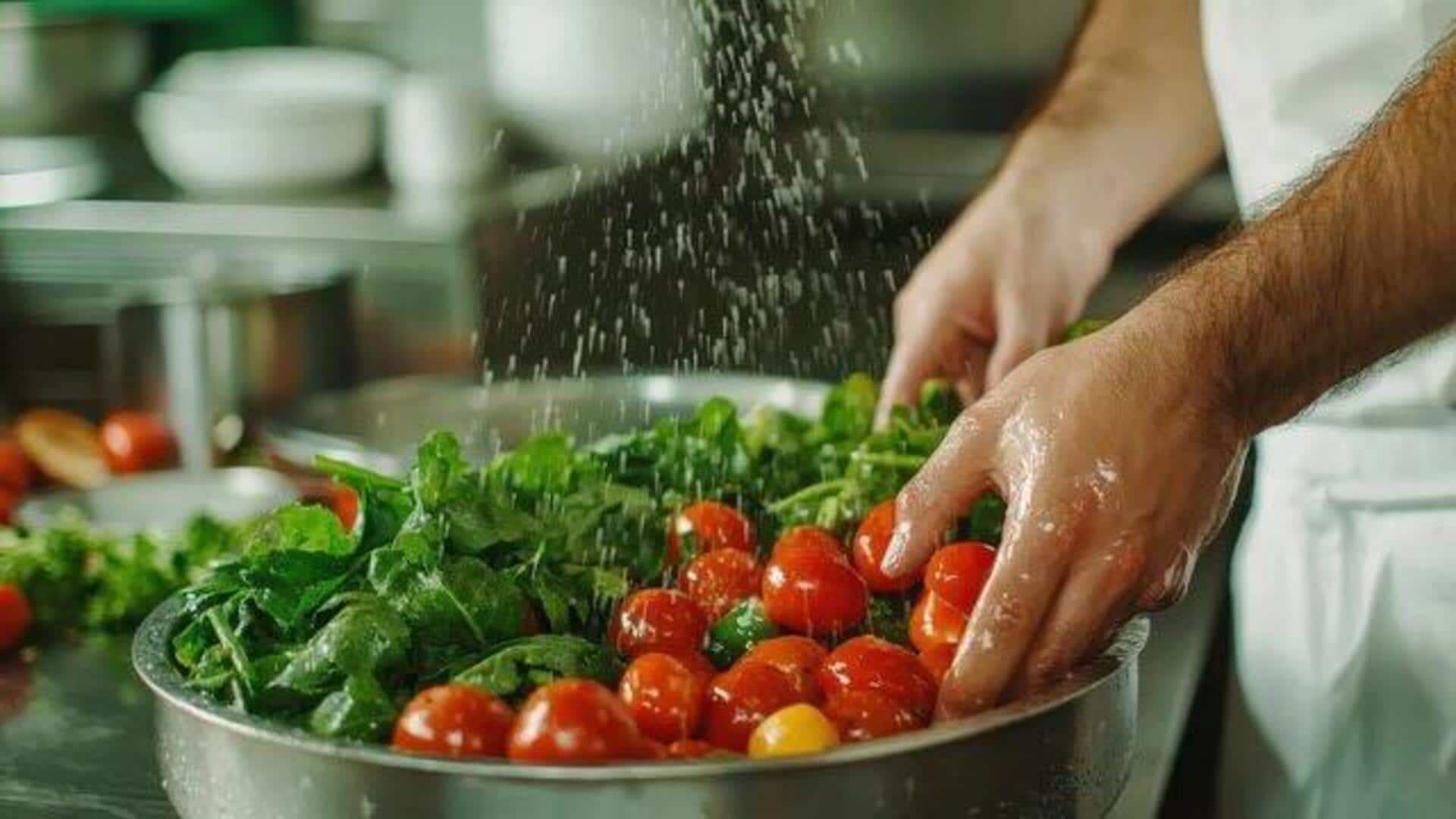
Rinse fruits and vegetables under running water thoroughly. Use a brush for firm produce like potatoes. Avoid soap or detergents; water alone effectively removes dirt and microbes.
How Can I Prevent Cross-contamination In The Kitchen?
Use separate cutting boards for raw meat and vegetables. Wash hands and utensils after handling raw food. This reduces the risk of spreading harmful bacteria during meal prep.
Why Is Handwashing Important During Meal Preparation?
Handwashing removes germs and prevents foodborne illnesses. Wash your hands with soap for at least 20 seconds before and after handling food. It ensures safer and cleaner cooking practices.
Conclusion
Keeping your kitchen clean is essential for safe cooking. Regularly wipe surfaces to remove germs. Wash hands before and after touching food. Separate raw and cooked items to avoid cross-contamination. Use clean utensils and cutting boards for each type of food.
Store perishables in the fridge promptly. These simple habits ensure a healthy meal prep environment. They also help prevent foodborne illnesses. Remember, a clean kitchen is a happy kitchen. Stay safe and enjoy your cooking!