
Baking is a joyful experience that fills your home with warmth and delicious aromas. But have you ever stopped to think about how clean your kitchen really is while you bake?
Keeping your kitchen hygienic isn’t just about looks—it’s about making sure your treats are safe and tasty every single time. You’ll discover simple yet powerful tips to maintain spotless kitchen hygiene during baking. By following these easy steps, you’ll protect your family’s health and enjoy baking with confidence.
Ready to transform your baking routine? Let’s dive in!
Credit: www.carawayhome.com
Preparing Your Workspace
Keeping your kitchen clean is important when baking. A clean workspace helps make safe and tasty food.
Start by getting your area ready. This saves time and stops germs from spreading.
Clearing Clutter
Remove all items you do not need from your counters. This gives you more space to work and reduces mess.
Put away dishes, utensils, and food packages that are not part of your baking process.
- Clear off all unnecessary tools and ingredients
- Store away appliances not in use
- Keep only the baking items you need on the counter
Sanitizing Surfaces
Clean your counters and tables with a safe kitchen cleaner before baking. This kills bacteria and germs.
Use a clean cloth or paper towel to wipe the surfaces. Make sure to reach corners and edges well.
- Use warm water and soap or kitchen sanitizer
- Wipe all work surfaces thoroughly
- Dry surfaces with a clean towel
Credit: cdcs.com.au
Handling Ingredients Safely
Keeping your kitchen clean helps you bake safely. Handling ingredients the right way stops germs from spreading.
Safe ingredient handling means washing hands, using clean tools, and checking for freshness. These habits protect your health and the food you make.
Avoiding Cross-contamination
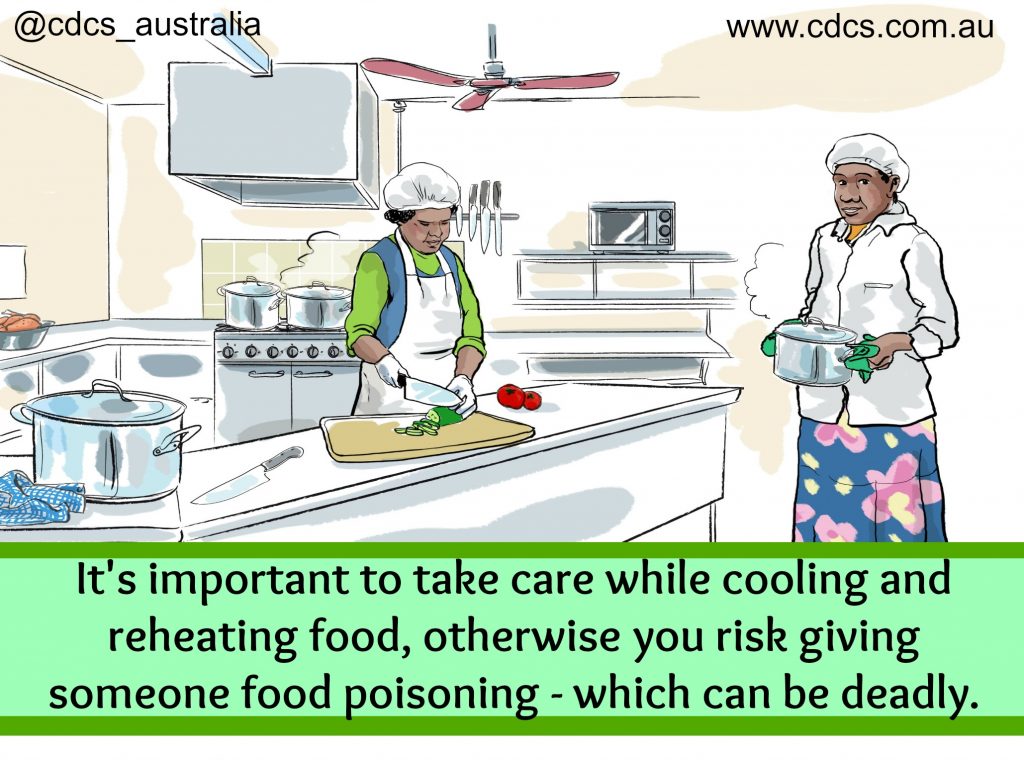
Cross-contamination happens when bacteria move from one food to another. This can cause food poisoning and spoil your baked goods.
To avoid this, keep raw and cooked ingredients separate. Use different utensils and cutting boards for each type of food.
- Wash hands before and after touching ingredients
- Use clean bowls and tools for each ingredient
- Keep raw eggs away from ready-to-eat items
- Clean surfaces with hot, soapy water after use
- Do not reuse utensils that touched raw ingredients without washing
Proper Storage Techniques
Storing ingredients correctly keeps them fresh and safe to use. Poor storage can cause mold, bacteria, and bad smells.
Keep dry ingredients in airtight containers. Store perishable items like milk and eggs in the fridge at the right temperature.
- Label containers with the date of purchase
- Store baking powder and soda in a cool, dry place
- Keep refrigerated items below 40°F (4°C)
- Use clear containers to see ingredients easily
- Check expiration dates before baking
Clean Utensils And Equipment
Keeping your baking utensils and equipment clean is very important. Clean tools help make your kitchen safe and your baked goods tasty.
Good hygiene lowers the chance of germs and stops bad flavors from mixing into your food.
Washing Baking Tools
Wash all baking tools with warm, soapy water after each use. Use a soft sponge to clean carefully.
Rinse well to remove soap and dry tools with a clean towel. Avoid leaving wet tools to stop bacteria growth.
- Use warm water and dish soap
- Scrub all surfaces, even small parts
- Rinse thoroughly to remove soap
- Dry tools completely before storing
Sterilizing Baking Pans
Sterilize baking pans often to kill germs and keep food safe. This is important after baking sticky or raw items.
You can sterilize pans by baking them empty or using boiling water. Make sure pans cool before use.
- Bake pans at 350°F (175°C) for 30 minutes
- Or soak pans in boiling water for 10 minutes
- Dry pans fully before storing or baking
Maintaining Personal Hygiene
Keeping personal hygiene is very important in the kitchen. Clean habits help stop germs from spreading.
Good hygiene keeps your food safe and tastes better. It also protects you and others.
Hand Washing Protocols
Washing hands often helps remove dirt and germs. Use warm water and soap every time.
Wash your hands for at least 20 seconds before baking or touching food.
- Wet hands with clean water
- Apply soap and scrub all parts
- Scrub for 20 seconds or more
- Rinse hands well under water
- Dry hands with a clean towel
Appropriate Attire
Wear clean clothes to keep germs away from food. Avoid loose sleeves or jewelry.
Use a hairnet or hat to stop hair from falling into the food.
- Wear a clean apron before baking
- Use hairnets or hats to cover hair
- Remove rings, watches, and bracelets
- Wear closed shoes to protect feet
- Change clothes if they get dirty
Managing Waste Efficiently
Keeping your kitchen clean during baking helps prevent germs and smells. Managing waste properly keeps your space tidy and safe.
Sorting and disposing of waste quickly stops buildup. It also helps reduce waste in landfills and supports recycling efforts.
Disposing Of Food Scraps
Food scraps can create bad odors and attract pests if left out. Throw scraps away in a sealed container or compost bin.
Composting food scraps turns waste into nutrient-rich soil. It lowers trash volume and helps the environment.
- Collect scraps like fruit peels and dough bits in a compost bin
- Empty the bin regularly to avoid smells
- Use sealed trash bags for scraps that cannot be composted
- Clean containers often to prevent bacteria growth
Recycling Baking Materials
Many baking materials like paper, cardboard, and glass can be recycled. Sort these items from regular trash to reduce waste.
Rinse containers and flatten boxes to save space in recycling bins. Check local rules for accepted recycling materials.
- Recycle cardboard boxes from baking mixes
- Clean and recycle glass jars and bottles
- Recycle clean paper baking cups and parchment paper if allowed
- Keep recycling bins near your baking area for easy sorting
Post-baking Cleanup
Cleaning up after baking keeps your kitchen safe and tidy. It stops germs and pests from growing.
Good cleanup helps you bake better next time. You find things faster and keep your tools in shape.
Organizing Leftovers
Put leftover baked goods in clean containers. Use airtight boxes or bags to keep them fresh.
Label the containers with dates. Eat or freeze leftovers within a few days to avoid waste.
- Use clear containers to see contents easily
- Store leftovers in the fridge or freezer
- Separate different types of baked goods
- Check leftovers regularly for spoilage
Deep Cleaning Procedures
Clean all baking tools with warm, soapy water. Scrub off any stuck dough or batter.
Wipe down countertops and stovetops with disinfectant. This removes crumbs and spills that attract bugs.
- Wash mixing bowls, spoons, and pans thoroughly
- Sanitize surfaces after washing
- Empty and clean the oven regularly
- Check and clean kitchen vents and exhausts
- Store clean tools in dry, dust-free places
Credit: www.carawayhome.com
Frequently Asked Questions
How To Keep Countertops Clean During Baking?
Wipe countertops with a disinfectant before and after baking. Use separate cutting boards to avoid cross-contamination. Clean spills immediately to prevent bacteria growth and maintain a hygienic workspace.
What Is The Best Way To Handle Raw Ingredients Safely?
Wash hands thoroughly before and after handling raw ingredients. Use separate utensils for raw and cooked items. Store raw ingredients properly to avoid contamination and foodborne illnesses.
How Often Should Baking Tools Be Sanitized?
Sanitize baking tools before and after each use. Use hot, soapy water and a sanitizer spray. Regular cleaning prevents bacteria buildup and ensures safe baking practices.
Why Is Proper Ventilation Important During Baking?
Proper ventilation reduces moisture and airborne contaminants in the kitchen. It prevents mold growth and maintains a fresh, clean environment during baking. Use exhaust fans or open windows for better airflow.
Conclusion
Keeping your kitchen clean helps make baking safe and fun. Wash hands often to stop germs. Clean surfaces before and after baking. Use fresh ingredients to avoid spoilage. Store leftovers properly to keep them fresh. Regularly wash baking tools and utensils.
These small steps keep your kitchen healthy. Enjoy baking with peace of mind. A clean kitchen means better taste and safety. Stay mindful and make hygiene a habit. Baking becomes easier and more enjoyable this way.