
Your kitchen towel is one of the most used items in your kitchen, but it can also be one of the dirtiest. If you don’t clean it properly, harmful bacteria can build up and cause health problems for you and your family.
Wondering how to keep your kitchen towels fresh and safe? This guide will show you simple, effective ways to maintain hygienic kitchen towels so you can cook and clean with confidence every day. Keep reading to discover easy tips that will transform your kitchen routine.
Credit: mytrident.com
Importance Of Clean Kitchen Towels
Kitchen towels help dry dishes, clean spills, and handle food. They often touch many surfaces and foods.
Keeping kitchen towels clean stops germs from spreading. Dirty towels can cause food contamination and illness.
Preventing Germ Growth
Kitchen towels stay wet and warm, which helps germs grow fast. Regular washing removes bacteria and keeps towels safe.
Using clean towels lowers the risk of spreading harmful germs to food and hands.
Avoiding Cross-contamination
Dirty towels can carry germs from raw meat or dirty surfaces to clean dishes. This causes cross-contamination.
Using fresh towels for different tasks helps keep food safe and kitchens hygienic.
Maintaining Kitchen Cleanliness
Clean towels help keep the kitchen tidy by absorbing spills quickly. Dirty towels spread dirt and stains instead.
Regularly cleaned towels make the kitchen look neat and support good hygiene habits.
Prolonging Towel Life
Washing towels often removes oils and food particles that damage fabric. This keeps towels soft and durable.
Clean towels last longer and save money by reducing the need for frequent replacements.
Choosing The Right Fabric
Kitchen towels must be clean and effective. Choosing the right fabric helps keep towels fresh and useful for longer.
Different fabrics offer various benefits. This guide compares cotton and microfiber fabrics and explains their absorbency and durability.
Cotton Vs. Microfiber
Cotton towels are soft and natural. Microfiber towels are made from synthetic fibers and feel smooth. Both fabrics have pros and cons for kitchen use.
- Cotton:Breathable and gentle on surfaces.
- Microfiber:Dries quickly and cleans well.
- Cotton:Absorbs water but takes longer to dry.
- Microfiber:Holds more dirt and oils.
- Cotton:Usually more eco-friendly.
- Microfiber:Durable but may shed fibers.
Absorbency And Durability
| Fabric | Absorbency | Durability |
|---|---|---|
| Cotton | Good, holds moisture well | Soft but may wear out faster |
| Microfiber | Excellent, absorbs quickly | Strong, lasts many washes |
Choose fabric based on your kitchen needs. Cotton works well for gentle cleaning. Microfiber suits quick drying and heavy use.
Daily Care Practices
Keeping kitchen towels clean helps stop germs from spreading. Daily care keeps towels fresh and safe to use.
Simple habits can keep your kitchen towels hygienic every day. These habits help prevent bad smells and stains.
Proper Usage
Use kitchen towels only for drying hands or dishes. Avoid wiping raw meat or dirty surfaces with them.
Change towels often to stop germs from building up. Do not use the same towel all day long.
- Assign different towels for hands and dishes
- Replace towels if they become damp or dirty
- Keep towels away from food spills and raw items
Quick Drying Tips
Dry towels fast to stop bacteria from growing. Hang them in open spaces where air flows well.
Avoid folding wet towels or leaving them in piles. Spread them out so they dry evenly and quickly.
- Hang towels on hooks or racks with space between
- Use a fan or open window to improve air circulation
- Wash towels regularly to keep them fresh
Washing Techniques
Keeping kitchen towels clean stops germs from spreading. Good washing methods keep towels fresh and safe. This guide helps you wash kitchen towels properly.
Learn about water temperature, detergent use, and avoiding harmful products. These tips help keep your towels hygienic and long-lasting.
Temperature Settings
Use hot water to kill bacteria on kitchen towels. Water at 60°C (140°F) or higher works best. Cold water may not clean towels well.
Delicate towels need warm water to avoid damage. Check towel labels for care instructions.
Detergent Choices
Choose strong detergents to remove grease and stains. Liquid detergents work well for oily kitchen towels. Powder detergents help with heavy dirt.
- Use detergents with enzymes for better cleaning
- Avoid using too much detergent to prevent residue
- Opt for unscented detergent to reduce skin irritation
- Consider detergents with antibacterial properties
Avoiding Fabric Softeners
Do not use fabric softeners on kitchen towels. Softeners leave a coating that reduces towel absorbency. This stops towels from drying spills well.
| Effect | Reason |
| Reduced absorbency | Softener coats fibers |
| Build-up of residue | Harbors bacteria |
| Shorter towel life | Fiber damage over time |
Dealing With Stains And Odors
Kitchen towels often get dirty with food stains and bad smells. Keeping them clean helps your kitchen stay fresh and healthy.
Using simple natural products can remove stains and odors without harsh chemicals. This keeps your towels safe to use.
Natural Stain Removers
Natural stain removers use common household items to clean kitchen towels. These methods are gentle and effective on tough stains.
Try lemon juice, baking soda, or white vinegar to treat stains before washing. These ingredients break down grease and food marks.
- Lemon juice:Apply fresh lemon juice on the stain and let it sit for 10 minutes. Then wash normally.
- Baking soda:Make a paste with water and baking soda. Rub it on stains and wait 15 minutes before washing.
- White vinegar:Soak the towel in a mix of vinegar and water for 30 minutes. Rinse and wash as usual.
Odor Elimination Methods
Bad smells come from bacteria and food residue in the towel. Removing odors makes towels smell fresh again.
Use natural products like vinegar or baking soda to kill odors. Dry towels fully after washing to stop smells from returning.
- White vinegar rinse:Add half a cup of vinegar to the rinse cycle to remove smells and bacteria.
- Baking soda soak:Soak towels in warm water with baking soda for an hour before washing.
- Sun drying:Hang towels outside in sunlight. Sunlight helps kill bacteria and freshens towels naturally.
Frequency Of Replacement
Kitchen towels get dirty fast. Replacing them often keeps your kitchen clean.
Knowing when to change towels helps stop germs from spreading.
Daily Use Towels
Use towels for drying hands or dishes every day. Change them at least once a week.
Spill And Mess Towels
Towels used to clean spills get dirty quickly. Replace them after each heavy use or every day.
Dish Drying Towels
These towels stay wet longer and can grow bacteria. Replace them every 2-3 days.
Signs It’s Time To Replace
- Unpleasant smell after washing
- Visible stains or discoloration
- Frayed edges or holes
- Reduced absorbency
Replacement Frequency Table
| Towel Type | Recommended Replacement Time |
|---|---|
| Daily Use Towels | Once a week |
| Spill and Mess Towels | After each heavy use or daily |
| Dish Drying Towels | Every 2-3 days |
Storage Solutions
Keeping kitchen towels clean and dry is important. Proper storage helps avoid bad smells and germs.
Good storage keeps towels ready for use and extends their life. Let’s explore ways to store them well.
Avoiding Dampness
Damp towels grow bacteria and smell bad. Always dry towels completely before storing.
Use well-ventilated areas for storage. Avoid closed spaces that trap moisture.
- Hang towels to dry after use
- Keep storage areas dry and airy
- Do not store towels when wet
- Use moisture absorbers if needed
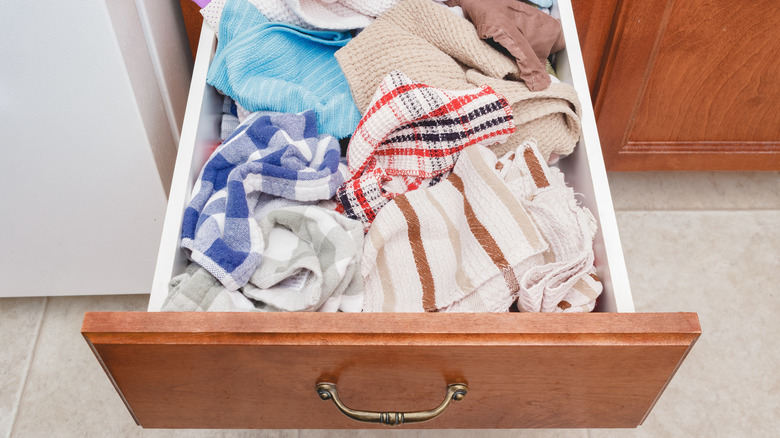
Organized Towel Storage
Organize towels by size and use. It saves time and keeps your kitchen tidy.
Use shelves, baskets, or hooks to keep towels neat. Label storage spaces if needed.
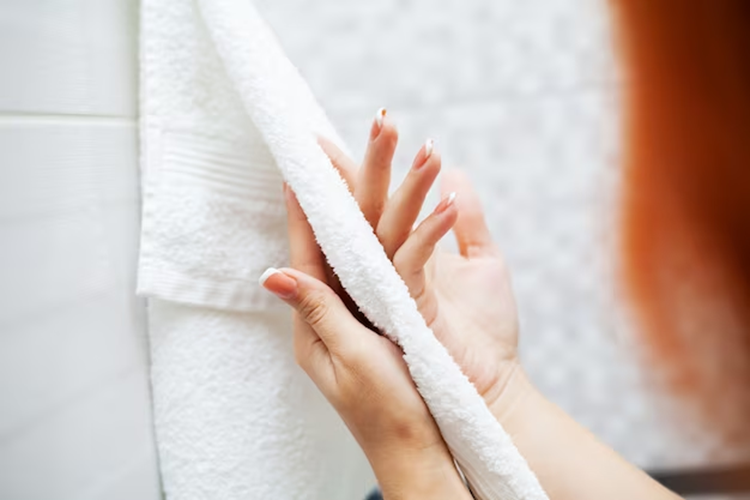
- Fold towels neatly before storing
- Use baskets for small towels
- Hang larger towels on hooks or bars
- Store clean and used towels separately
Credit: www.thetowelshop.co.uk
Eco-friendly Practices
Keeping kitchen towels clean helps stop germs from spreading. Using eco-friendly ways can protect the planet too. Small actions make a big difference.
Learn how to care for towels with less waste. Choose options that last and reduce trash. These tips help your kitchen and the Earth.
Recycling Old Towels
Old kitchen towels do not need to go in the trash. You can reuse or recycle them in many ways. This lowers waste and saves money.
- Cut old towels into cleaning rags for dusting and wiping.
- Use pieces as pot holders or jar openers.
- Donate towels to animal shelters for pet bedding.
- Make craft projects like braided rugs or mats.
- Compost natural fiber towels if possible.
Sustainable Towel Options
Choosing towels made from natural fibers helps the environment. Some materials last longer and need less washing. Compare options before buying.
| Material | Eco Benefits | Care Tips |
| Organic Cotton | Grown without chemicals | Wash in cold water |
| Bamboo | Fast-growing and biodegradable | Air dry to save energy |
| Hemp | Requires little water | Use mild detergent |
| Recycled Fabric | Reduces waste | Gentle wash cycle |
Credit: www.tastingtable.com
Frequently Asked Questions
How Often Should Kitchen Towels Be Washed?
Kitchen towels should be washed after every 2-3 uses. Frequent washing prevents bacteria buildup and keeps towels hygienic. Use hot water and a good detergent for best results. Avoid using fabric softeners as they reduce absorbency.
What Is The Best Way To Dry Kitchen Towels?
The best way to dry kitchen towels is to air dry or use a high heat setting in the dryer. Ensure towels are completely dry to prevent mold and mildew growth. Sunlight also helps kill bacteria naturally.
Can Kitchen Towels Be Sanitized In The Washing Machine?
Yes, kitchen towels can be sanitized in the washing machine. Use hot water (above 60°C or 140°F) and add a disinfectant or bleach if safe for the fabric. This kills germs and keeps towels hygienic.
Should Kitchen Towels Be Used For Multiple Tasks?
It’s best to use separate towels for different tasks. For example, use one towel for drying hands and another for cleaning spills. This avoids cross-contamination and maintains hygiene in your kitchen.
Conclusion
Clean kitchen towels help keep your cooking space safe. Wash them often with hot water and soap. Dry towels fully to stop germs from growing. Use separate towels for hands and dishes. Replace old towels when they start to smell or look worn.
Small habits make a big difference in kitchen hygiene. Keep towels fresh to protect your family’s health. A tidy kitchen starts with simple, regular care.