
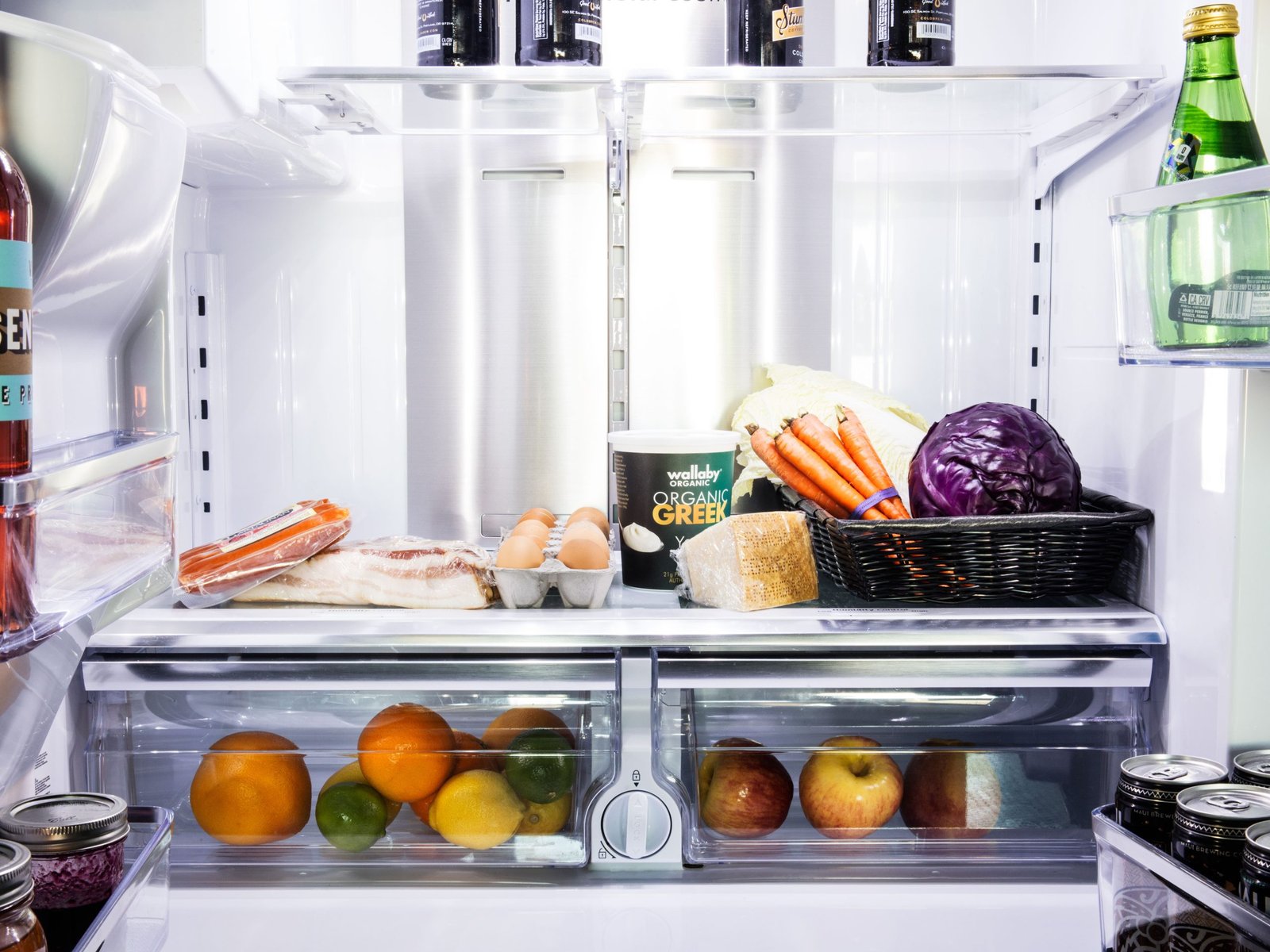
Your fridge is more than just a place to store food—it’s a key player in keeping your meals fresh and safe. But how often do you stop to think about how clean and organized your fridge really is?
If you want to avoid unpleasant odors, spoiled food, and even health risks, maintaining hygienic fridge storage is a must. You’ll discover simple and effective tips that make a big difference. Stick with me, and you’ll learn how to keep your fridge spotless and your food fresh longer—making your life easier and healthier.
Ready to transform your fridge habits? Let’s dive in!
Importance Of Fridge Hygiene
Keeping your fridge clean helps protect your food from germs and bacteria. A hygienic fridge keeps food fresh longer.
Good fridge hygiene prevents bad smells and reduces food waste. It also stops cross-contamination between foods.
Preventing Food Contamination
A clean fridge stops bacteria from spreading between foods. This lowers the chance of food poisoning.
Store raw and cooked foods separately to avoid cross-contamination. Always use sealed containers.
- Keep raw meat on the bottom shelf
- Use airtight containers for leftovers
- Clean spills immediately
Extending Food Freshness
Regular cleaning removes old food and spills that cause bad odors. This helps fresh food last longer.
Organize your fridge so air can flow freely. Avoid overfilling to keep the temperature stable.
- Throw away expired items
- Keep fruits and vegetables in drawers
- Do not block air vents
Maintaining A Safe Temperature
Clean fridges work better and keep the right cold temperature. This stops bacteria growth on food.
Check your fridge temperature often. It should be at or below 40°F (4°C).
- Use a fridge thermometer
- Keep the door closed as much as possible
- Do not place hot food directly inside
Reducing Unpleasant Odors
Cleaning the fridge removes old food and spills that cause smells. This keeps your kitchen fresh.
Use natural odor absorbers like baking soda. Replace them regularly to keep the fridge smelling clean.
- Clean shelves and drawers often
- Wipe door seals and handles
- Place an open box of baking soda inside
Organizing Food Items
Keeping your fridge clean and organized helps keep food fresh longer. Proper storage stops food from spoiling fast.
Organizing food items correctly also makes it easy to find what you need. It saves time and reduces waste.
Categorizing Food Types
Sort food by type to keep your fridge tidy. Group similar items together for better storage.
Keep raw meat separate from fruits and vegetables. This prevents cross-contamination and keeps food safe.
- Dairy products in one section
- Fruits and vegetables in crisp drawers
- Raw meat on the bottom shelf
- Leftovers and ready-to-eat foods on top shelves
Utilizing Proper Containers
Use containers that fit your fridge and keep food fresh. Clear containers help you see what is inside.
Choose airtight containers to stop odors and moisture. This keeps food from drying out or spoiling.
- Glass containers for leftovers
- Plastic containers with tight lids for fruits
- Sealed bags for sliced vegetables
- Special containers for cheese and deli meats
Labeling And Dating
Label containers with the food name and date stored. This helps you use food before it goes bad.
Write dates clearly and update them when you add new food. This reduces waste and keeps your fridge clean.
- Use masking tape or sticky labels
- Write dates in month/day format
- Check labels weekly to remove old food
- Keep a marker near the fridge for easy labeling
Temperature Control
Keeping your fridge at the right temperature helps keep food fresh. It stops germs from growing and food from spoiling.
Checking and controlling the fridge temperature is key for safe food storage. It saves money and prevents waste.
Ideal Fridge Temperatures
The fridge should stay between 35°F and 38°F (2°C to 3°C). This range keeps food cold but not frozen.
Temperatures above 40°F (4°C) can let bacteria grow faster. Below 32°F (0°C) can freeze some foods and damage them.
- Keep fresh meat and dairy at 35°F to 38°F (2°C to 3°C)
- Vegetables and fruits do well at similar temperatures
- Do not let the fridge go above 40°F (4°C)
- Avoid freezing items that should stay fresh
Monitoring Temperature Levels
Use a fridge thermometer to check the temperature often. This helps spot problems early.
Place the thermometer in the middle of the fridge for an accurate reading. Check it daily or weekly.
- Set reminders to check the fridge temperature
- Adjust the fridge settings if the temperature is too high or low
- Keep the fridge door closed to keep temperature steady
- Clean the fridge regularly to help it work well
Regular Cleaning Schedule
Keeping your fridge clean helps stop germs and bad smells. A regular cleaning plan keeps food safe and fresh longer.
Follow a schedule with daily, weekly, and monthly tasks. This keeps your fridge in top shape all the time.
Daily Maintenance Tasks
Daily cleaning stops spills and crumbs from building up. It keeps your fridge smelling fresh every day.
Check for expired or spoiled food and remove it. Wipe any spills with a clean, damp cloth to avoid stains.
- Remove old or expired items
- Wipe shelves and drawers with a damp cloth
- Clean spills immediately to prevent stains
- Keep fridge door closed to save energy
Weekly Deep Cleaning
Once a week, do a deeper clean to reach all fridge parts. Take out all food to clean shelves and walls.
Use a mild soap and warm water to wipe surfaces. Dry shelves well before putting food back inside.
- Empty the fridge completely
- Clean shelves, drawers, and walls with mild soap
- Dry all surfaces before replacing food
- Check fridge seals and clean them
Monthly Inspections
Each month, inspect the fridge for any issues. Check for mold, damaged parts, or bad smells.
Clean the drip pan and vents if needed. These areas can collect dirt and cause problems.
- Look for mold or strange smells
- Check fridge seals for cracks or damage
- Clean drip pan and vents
- Test fridge temperature to keep it safe
Preventing Cross-contamination
Keeping your fridge clean and organized helps stop harmful germs from spreading. Cross-contamination happens when bacteria move from one food to another. This can make you sick.
To keep food safe, you need to store items properly. This guide shows simple ways to avoid cross-contamination in your fridge.
Separating Raw And Cooked Foods
Raw foods like meat, fish, and eggs can have bacteria. Cooked foods are ready to eat and should stay clean. Keep raw and cooked foods apart to stop germs from spreading.
Store raw foods on the bottom shelves. This stops juices from dripping onto cooked foods below. Use separate containers or plates for each type.
- Place raw meat and fish in sealed containers
- Keep cooked food on higher shelves
- Do not mix raw and cooked food in the same container
Using Airtight Containers
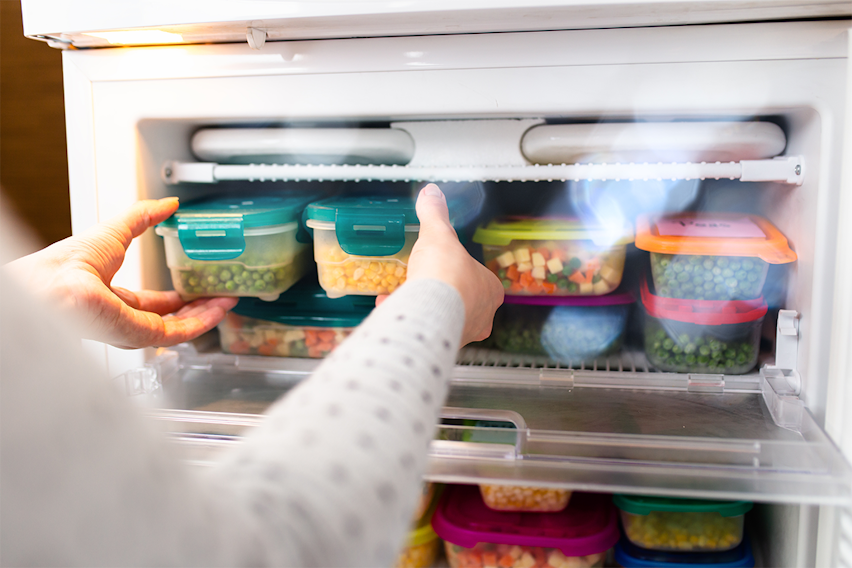
Airtight containers stop air and germs from entering or leaving. They keep food fresh longer and prevent smells from mixing. Using these containers lowers the risk of contamination.
Choose containers that close tightly and fit your fridge space. Label them with dates to track freshness. Clean containers well before reuse.
- Use plastic or glass containers with tight lids
- Seal leftovers right after cooking
- Keep dry foods in airtight jars or bags
Credit: erudus.com
Dealing With Spills And Odors
Keeping your fridge clean helps protect your food and health. Spills and odors can cause bacteria and bad smells.
Act fast to clean spills and use natural ways to stop odors. This keeps your fridge fresh and safe.
Immediate Spill Response
Clean spills as soon as they happen. This stops stains and stops bacteria growth.
Use a soft cloth or paper towel with warm soapy water. Wipe the area well and dry it.
- Remove all food from the spill area
- Wipe liquid or food bits quickly
- Use mild soap and warm water
- Dry the surface to avoid moisture
Natural Odor Absorbers
Use natural items to absorb smells instead of chemicals. These are safe and easy to use.
Common odor absorbers work well to keep your fridge smelling fresh and clean.
- Baking soda: Place an open box inside the fridge
- Activated charcoal: Use in a small container to trap odors
- White vinegar: Leave a bowl of vinegar overnight to absorb smells
- Fresh coffee grounds: Put in a container to mask bad odors
Storing Specific Food Groups
Keeping your fridge clean and organized helps food stay fresh longer. Different foods need different storage rules. This guide explains how to store dairy, meats, and produce properly.
Proper storage stops bacteria growth and avoids odors. It also prevents cross-contamination between foods. Follow these tips to keep your fridge hygienic.
Dairy Products
Dairy items like milk, cheese, and yogurt need cold temperatures. Store them in the main body of the fridge, not the door. The door temperature changes often.
Keep dairy in their original containers or airtight boxes. This protects them from absorbing fridge smells and from drying out.
- Place dairy on middle or lower shelves
- Seal packages tightly after use
- Check expiration dates regularly
- Clean spills immediately to avoid bacteria
Meats And Poultry
Raw meats and poultry must be kept cold and separate. Store them on the lowest shelf to stop drips from contaminating other foods. Use sealed containers or wrapped packages.
Cooked meats should be kept in clean, airtight containers. Keep them apart from raw items to avoid cross-contamination.
- Use trays or plates under raw meat packages
- Wrap meats tightly in plastic wrap or foil
- Store cooked meats in sealed containers
- Keep meats at or below 40°F (4°C)
Fruits And Vegetables
Fruits and vegetables need different storage spaces. Most vegetables last longer in the crisper drawer. Some fruits need to be kept separate to avoid ripening too fast.
Wash produce before eating, not before storing. Excess moisture can cause mold and rot inside the fridge.
- Use separate drawers for fruits and vegetables
- Keep leafy greens in airtight bags with paper towels
- Store ethylene-producing fruits away from sensitive veggies
- Remove spoiled produce quickly
Credit: www.thehansindia.com
Common Mistakes To Avoid
Keeping your fridge clean and organized is key to safe food storage. Many people make simple mistakes that lead to spoiled food and bad smells.
Learn about common errors that harm fridge hygiene. Avoiding these will help keep your food fresh longer.
Overpacking The Fridge
Stuffing too many items in your fridge blocks air circulation. This makes it hard for the fridge to keep food cold evenly.
Cold air needs space to flow. Without it, some foods spoil faster and bacteria grow.
Ignoring Expiry Dates
Many forget to check expiry dates on food packages. Eating expired food can cause illness and bad smells in the fridge.
Always sort food by date when you store it. Use older items first to reduce waste.
Not Cleaning Spills Immediately
Spills left in the fridge can cause stains and odors. They also invite bacteria and mold to grow.
Clean spills as soon as they happen. Use mild soap and warm water to wipe shelves and drawers.
Storing Raw Meat Improperly
Raw meat should be kept on the bottom shelf. This stops juices from dripping on other foods and causing contamination.
Use sealed containers or trays to hold raw meat. This keeps your fridge cleaner and safer.
Using Warm Food In The Fridge
Putting hot or warm food directly into the fridge raises its temperature. This can spoil other foods and increase energy use.
Let food cool down to room temperature before storing it in the fridge. This helps keep all food safe.
Forgetting To Check Fridge Temperature
Many people do not monitor their fridge temperature. The ideal temperature is 37°F (3°C) to 40°F (4°C).
Temperatures above this range can let bacteria grow faster. Use a fridge thermometer to keep it in the safe zone.
Tools For Efficient Fridge Management
Keeping a fridge clean and organized helps food stay fresh longer. Using the right tools makes fridge care easier and safer.
This guide covers two key tools that help you manage your fridge well. These tools keep your fridge at the right temperature and help store food neatly.
Thermometers
Thermometers check the fridge’s temperature. They ensure food stays safe by keeping the temperature steady.
Use a fridge thermometer to monitor cold spots and warm areas. This helps prevent food from spoiling.
- Place the thermometer in the middle shelf for accurate reading
- Check the temperature daily to keep it between 35°F and 38°F (1.7°C to 3.3°C)
- Replace batteries or reset digital thermometers regularly
Storage Solutions
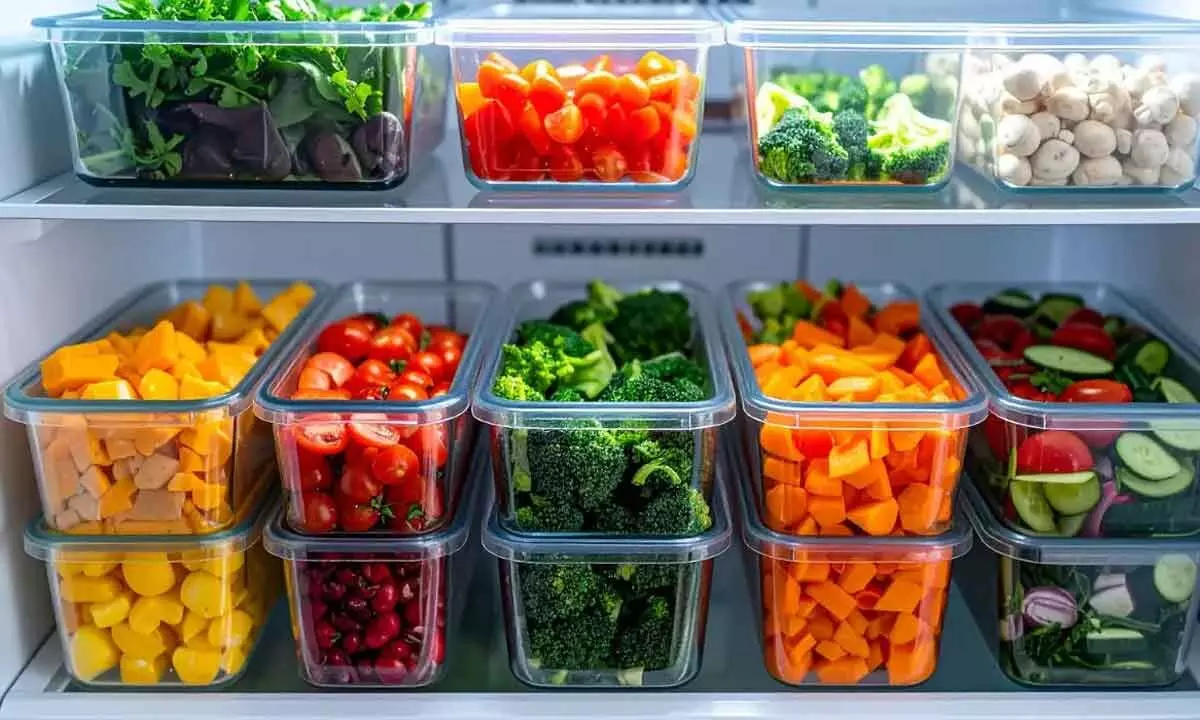
Good storage containers keep food fresh and prevent odors from mixing. They also make the fridge look tidy and save space.
Use clear, stackable containers to easily see what is inside. Label containers with dates to track freshness.
- Choose airtight containers to keep moisture out
- Use bins for grouping similar items together
- Keep raw and cooked foods separate to avoid contamination

Credit: creators.yahoo.com
Frequently Asked Questions
How Often Should I Clean My Fridge For Hygiene?
Clean your fridge every 3 to 4 months for optimal hygiene. Regular cleaning prevents bacteria buildup and odors. Wipe shelves, drawers, and walls with mild detergent and warm water. Remove expired food items to maintain freshness and safety.
What Is The Best Way To Organize Fridge Storage?
Organize by food type: dairy, vegetables, meats, and leftovers. Use clear containers and label items with dates. Store raw meat on the bottom shelf to prevent drips. Keep frequently used items at eye level for easy access.
How Can I Prevent Cross-contamination In The Fridge?
Always store raw meat separately from ready-to-eat foods. Use sealed containers or plastic wrap to avoid drips. Clean spills immediately with disinfectant. Regularly sanitize fridge shelves and drawers to reduce bacteria risks.
What Temperature Should My Fridge Be For Safe Storage?
Set your fridge temperature between 35°F and 38°F (1. 7°C to 3. 3°C). This range slows bacterial growth and keeps food fresh longer. Use a fridge thermometer to monitor temperature accurately. Avoid overcrowding to maintain consistent cooling.
Conclusion
Keeping your fridge clean helps food stay fresh longer. Regularly checking and organizing food avoids waste. Wiping spills right away stops bacteria growth. Storing items in sealed containers keeps smells away. Cool temperature slows down germs and keeps food safe.
A tidy fridge saves time when cooking or shopping. Small habits make a big difference every day. Clean fridge, healthy food, happy home. Easy steps create a safe place for your meals.