
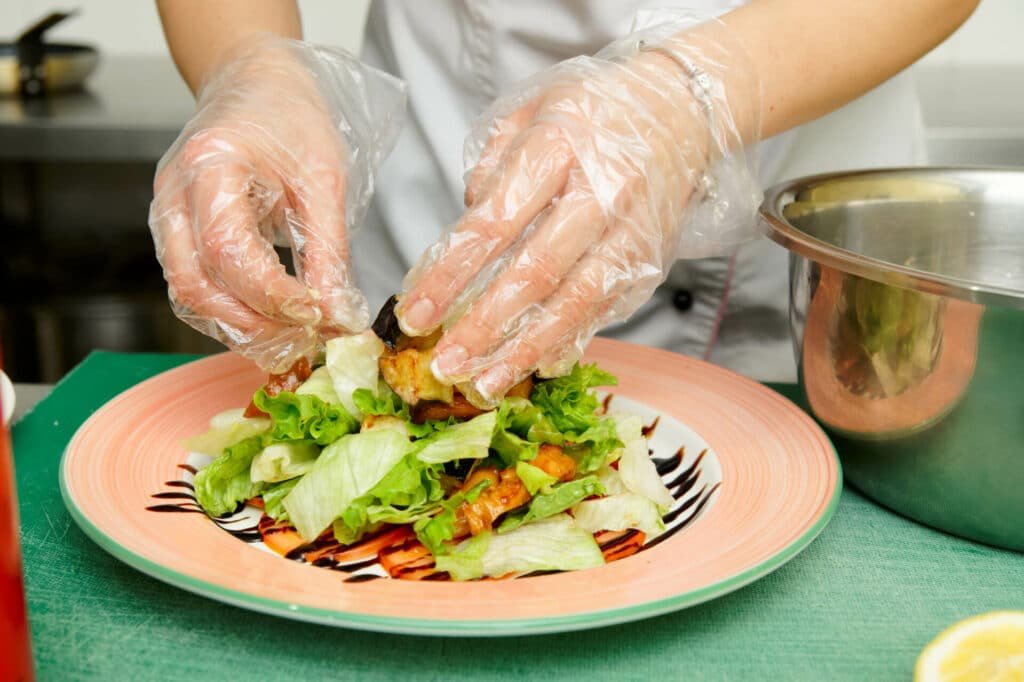
You love fresh, crunchy salads, but have you ever stopped to think about how clean your salad really is? Preparing salads might seem simple, but without the right hygiene steps, you could be inviting harmful germs onto your plate.
Imagine enjoying a delicious meal that also keeps you safe and healthy. You’ll discover easy and effective ways to maintain hygiene while preparing salads. Follow these tips, and you’ll not only protect yourself but also boost the taste and freshness of every bite.
Ready to make your salads safer and more enjoyable? Let’s dive in!
Choosing Fresh Ingredients
Fresh ingredients make salads taste better and stay safe to eat. Choose them carefully to keep your salad healthy.
Picking fresh produce helps avoid germs and spoilage. This keeps your salad clean and tasty.
Selecting Quality Produce
Look for fruits and vegetables that are firm and bright. Avoid any with bruises, spots, or mold.
Fresh produce should smell clean and fresh. Soft or slimy texture means it is old or spoiled.
- Choose leafy greens that are crisp and green
- Pick tomatoes that are smooth and unblemished
- Buy cucumbers that feel firm and heavy
- Avoid produce with wrinkles or dark patches
Checking Expiration Dates
Always check the expiration or best-by dates on packaged salad ingredients. Do not buy if the date has passed.
Expired items may taste bad and cause illness. Freshness matters for all salad parts like dressings and toppings.
- Look at dates on salad dressings and pre-cut vegetables
- Check labels on nuts, cheese, and other add-ons
- Buy only items with plenty of shelf life left

Credit: www.imperialdade.com
Washing Techniques
Keeping vegetables clean is very important for salad safety. Washing removes dirt and germs that can cause illness.
Good washing habits help keep your salad fresh and healthy. Let’s learn how to wash vegetables the right way.
Rinsing Vegetables Properly
Rinse vegetables under cold running water. This helps remove dirt and bacteria from their surfaces.
Use your hands to gently rub the vegetables while rinsing. This action clears away stubborn dirt.
- Hold vegetables under cold water for at least 20 seconds
- Rub each vegetable gently with your hands
- Use a clean brush for firm vegetables like carrots or cucumbers
- Do not use soap or detergent on food
Sanitizing Leafy Greens
Leafy greens can hide dirt and tiny bugs between leaves. Washing them well is very important.
Fill a large bowl with cold water. Soak the leaves for a few minutes to loosen dirt and bugs.
- Separate leaves from the stem before soaking
- Swirl leaves gently in the water
- Lift leaves out and rinse under running water
- Dry leaves with a clean towel or salad spinner
Safe Cutting Practices
Keeping good hygiene while preparing salads is very important. Safe cutting helps prevent illness.
Using the right tools and cleaning them well keeps food safe to eat.
Using Clean Cutting Boards
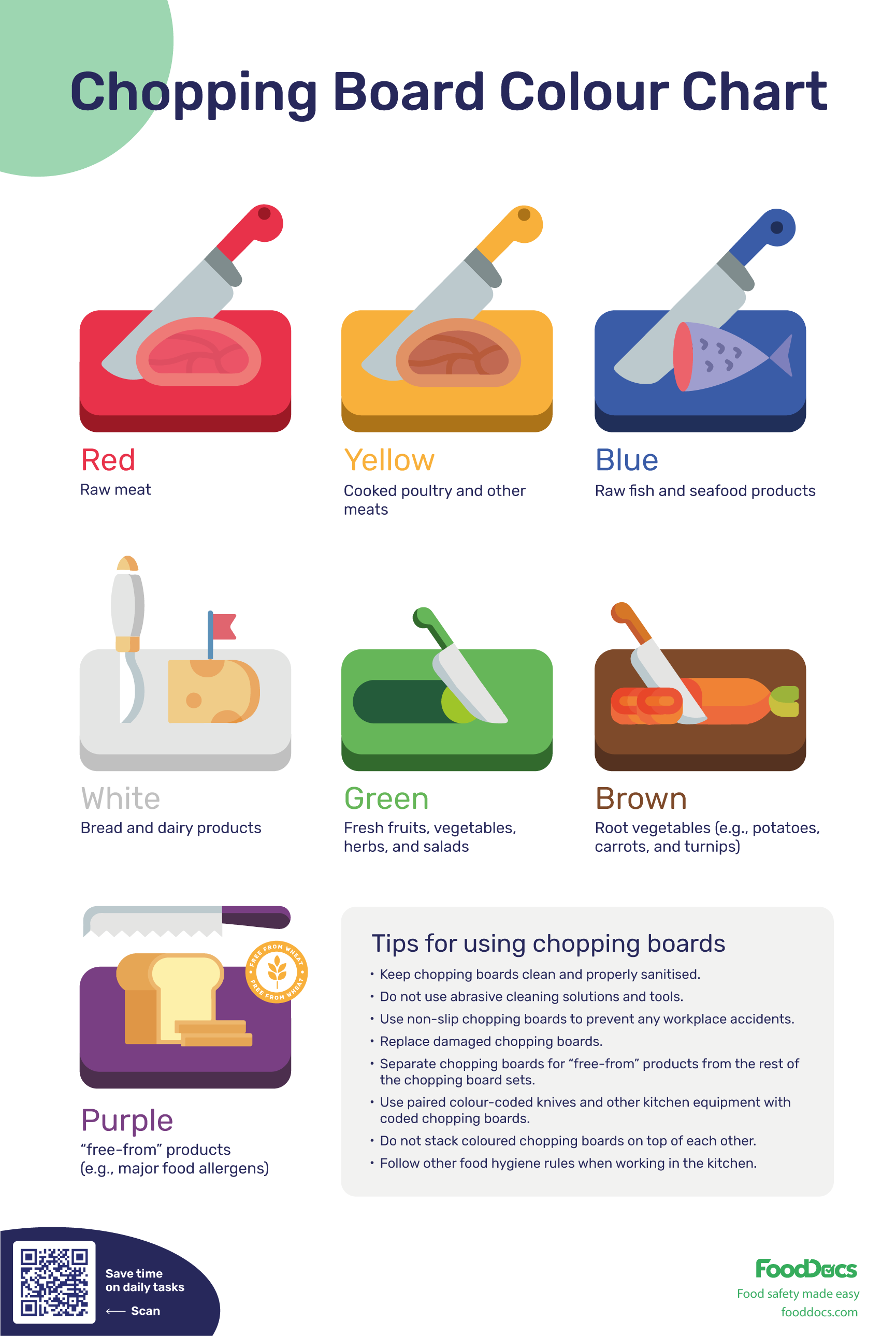
Always use clean cutting boards to avoid germs. Wash boards with hot, soapy water after each use.
Use separate boards for vegetables and raw meat. This stops bacteria from spreading.
- Clean boards before and after cutting
- Use separate boards for different foods
- Replace boards if they get deep cuts
Sharpening Knives Regularly
Sharp knives cut cleanly and safely. Dull knives can slip and cause injuries.
Sharpen knives often to keep them in good shape. This helps you cut vegetables quickly and safely.
- Use a sharpening stone or tool
- Check knife edges before use
- Store knives safely after sharpening
Preventing Cross-contamination
Keeping food safe while preparing salads is very important. Cross-contamination can spread harmful bacteria.
Following good hygiene stops germs from moving between foods. This helps keep salads fresh and healthy.
Separating Raw And Cooked Ingredients
Raw foods like meat or eggs can carry bacteria. Cooked foods are safer but can be contaminated if mixed.
Always keep raw and cooked ingredients apart. Use different containers or areas to store them.
- Store raw vegetables separately from raw meat
- Do not place cooked foods on plates used for raw items
- Clean surfaces between handling raw and cooked foods
Using Separate Utensils
Use different knives, cutting boards, and spoons for raw and cooked foods. This stops germs from spreading.
Wash utensils with soap and hot water after each use. Avoid using the same tools without cleaning them first.
- Keep a set of utensils only for raw ingredients
- Use another set for cooked and ready-to-eat foods
- Clean and dry utensils properly before reuse
Storing Ingredients Correctly
Keeping salad ingredients fresh and safe is key to good hygiene. Proper storage slows bacteria growth.
Storing ingredients right keeps your salads tasty and healthy.
Optimal Refrigerator Settings
Set your refrigerator between 35°F and 40°F (1.6°C to 4.4°C). This stops germs from growing fast.
Use a fridge thermometer to check temperature often. Avoid keeping fridge door open too long.
- Keep fridge at or below 40°F (4°C)
- Use thermometer to monitor temperature
- Close fridge door quickly after use
- Store salads away from raw meats
Proper Use Of Containers
Use clean, airtight containers to store salad ingredients. This stops contamination and keeps moisture out.
Label containers with date to track freshness. Avoid using damaged or old containers.
- Choose airtight and clean containers
- Label containers with storage date
- Do not reuse damaged containers
- Keep ingredients separate to avoid mixing
Credit: www.fooddocs.com
Maintaining Clean Workspaces
Keeping your workspace clean is very important when making salads. It helps stop germs from spreading.
A clean workspace makes your salad safe to eat and keeps it fresh longer.
Regular Cleaning Of Surfaces
Clean all surfaces before and after you prepare salads. Use warm water and soap to wash counters and cutting boards.
Wipe surfaces with a clean cloth to remove any food bits or dirt.
- Wash surfaces with soap and water
- Use a clean cloth or sponge
- Dry surfaces with a clean towel
- Clean spills right away
Disinfecting Kitchen Tools
Disinfect knives, peelers, and other tools after use. This stops bacteria from growing on them.
Use a safe kitchen disinfectant or a solution of water and vinegar to clean tools well.
- Wash tools with soap and warm water
- Apply disinfectant or vinegar solution
- Rinse tools with clean water
- Let tools dry completely before storing
Personal Hygiene Practices
Keeping good personal hygiene is very important when making salads. It helps stop germs from spreading and keeps the food safe.
Clean hands and proper clothing protect the salad from dirt and bacteria. This keeps the salad fresh and healthy to eat.
Handwashing Techniques
Wash your hands often before and during salad preparation. Use soap and warm water to remove germs well.
Rub your hands together for at least 20 seconds. Clean under nails, between fingers, and the back of your hands.
- Wet hands with clean water
- Apply enough soap to cover all hand surfaces
- Scrub hands for 20 seconds or more
- Rinse hands under running water
- Dry hands with a clean towel or air dry
Wearing Appropriate Attire
Wear clean clothes and an apron to keep your salad preparation safe. This helps stop germs from your clothes getting into the food.
Use a hairnet or cap to keep hair from falling into the salad. Avoid wearing jewelry that can catch dirt or fall off.
- Wear a clean apron over your clothes
- Use a hairnet or cap to cover hair
- Remove rings, bracelets, and watches
- Keep nails short and clean
- Use gloves if you have cuts or sores on hands
Using Dressings Safely
Salad dressings add flavor but can carry germs if not handled well. Keeping dressings safe is key to healthy salads.
Use clean tools and store dressings right to stop bacteria growth. This helps keep your salad fresh and safe to eat.
Storing Dressings Properly
Store dressings in the fridge to keep them fresh longer. Keep them in sealed containers to stop spills and contamination.
Check labels for storage instructions. Use dressings before their expiry date to avoid food poisoning.
- Keep dressings in cold storage below 40°F (4°C)
- Use airtight bottles or jars for storage
- Label homemade dressings with date made
- Discard dressings that smell or look off
Avoiding Cross-contact
Use clean spoons or ladles to serve dressings. Never dip a used utensil back into the dressing container.
Keep dressings away from raw foods to stop germs from spreading. This helps prevent food allergies and illnesses.
- Use separate utensils for each dressing
- Do not double dip into dressing jars
- Clean serving tools after each use
- Store dressings away from raw meat or vegetables
Credit: www.food-safety.com
Frequently Asked Questions
How To Wash Vegetables For Salad Hygiene?
Wash vegetables under running water to remove dirt and pesticides. Use a brush for firm produce. Avoid soaps or detergents as they can leave harmful residues.
What Tools Ensure Safe Salad Preparation?
Use clean cutting boards and knives. Sanitize utensils before use. Avoid cross-contamination by using separate boards for vegetables and raw meat.
How To Store Salad Ingredients Hygienically?
Store salad ingredients in airtight containers in the refrigerator. Keep leafy greens dry by wrapping them in paper towels. Consume within a few days for freshness.
Why Is Handwashing Important Before Making Salads?
Handwashing removes germs and bacteria that can contaminate salads. Use soap and warm water for at least 20 seconds before handling ingredients.
Conclusion
Keeping your salad clean helps protect your health. Wash all vegetables and fruits well before cutting. Use clean hands and tools to prepare your salad. Store ingredients properly to avoid germs. Small steps make a big difference in hygiene. Enjoy fresh, safe salads every time you cook.
Simple care keeps your meals tasty and healthy. Stay mindful and practice good hygiene habits daily. Your body will thank you for these healthy choices.