
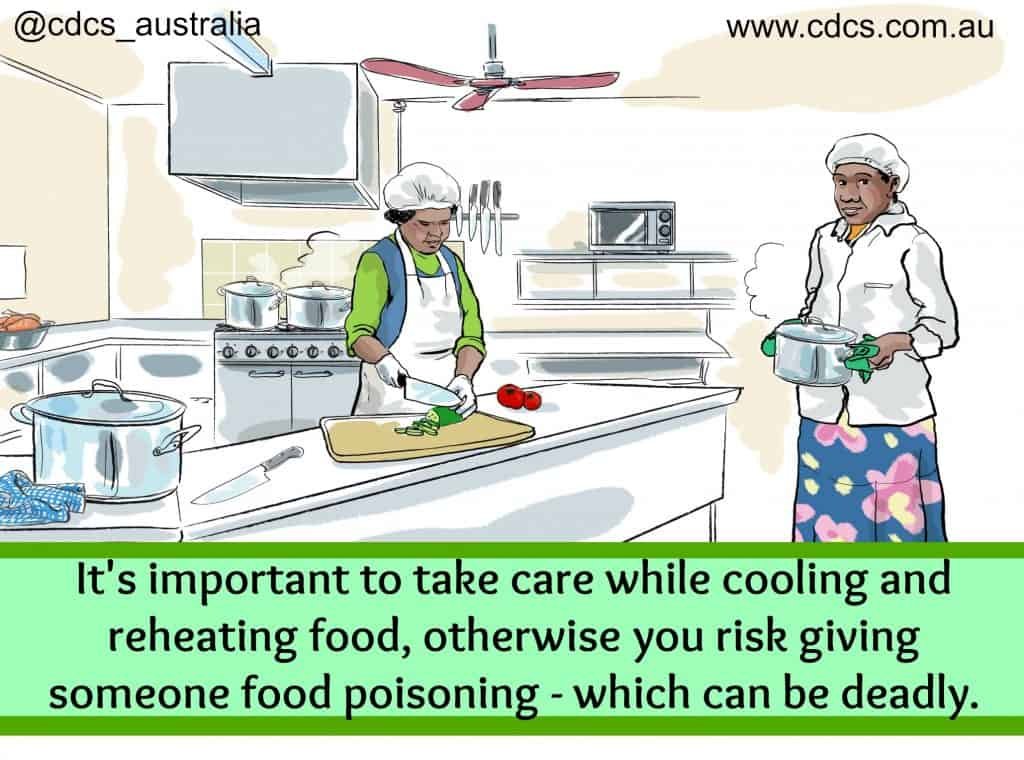
Keeping your kitchen clean while cooking isn’t just about looking neat—it’s about protecting your health and making every meal safe to eat. Imagine preparing a delicious dish without worrying about germs or cross-contamination.
You can enjoy cooking more and feel confident that your food is safe for everyone at the table. You’ll discover simple, practical tips to maintain hygiene in your kitchen. These easy habits will save you time, reduce stress, and keep your family healthy.
Ready to cook smarter and cleaner? Let’s get started!
Clean Your Hands Properly
Keeping your hands clean is important when cooking. It helps prevent germs from spreading. Good hand hygiene keeps your food safe to eat.
Washing hands the right way reduces the chance of foodborne illnesses. Follow these simple steps for effective hand hygiene in the kitchen.
When To Wash Hands
Knowing when to wash your hands is crucial. Wash your hands before cooking. This prevents germs from entering your food.
Wash hands after touching raw meat, eggs, or fish. Also, wash after using the bathroom or touching pets. This stops germs from spreading.
- Before starting to cook
- After handling raw foods
- After using the restroom
- After touching animals
Effective Handwashing Techniques
Washing hands properly takes about 20 seconds. Use soap and warm water. Rub your hands together to make a lather.
Scrub the backs of your hands, between fingers, and under nails. Rinse your hands well under clean, running water.
- Use soap and warm water
- Rub hands together for 20 seconds
- Scrub all parts of your hands
- Rinse under clean water
Keep Kitchen Surfaces Sanitized
Keeping kitchen surfaces clean stops germs from spreading. This helps make food safe to eat.
Sanitizing surfaces removes dirt and harmful bacteria. It protects your health and your family.
Daily Cleaning Routine
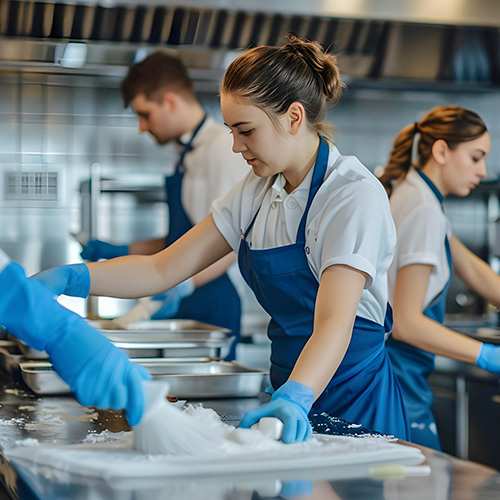
Clean your kitchen surfaces every day. Wipe counters, cutting boards, and sinks after use.
Use warm water and soap to remove grease and food particles. Dry surfaces with a clean towel.
- Wipe spills immediately to avoid stains
- Clean cutting boards after each use
- Sanitize sink and faucet handles daily
- Keep dishcloths and sponges clean
Using Safe Cleaning Agents
Choose cleaning agents that kill germs but are safe for food areas. Avoid harsh chemicals.
Use natural or food-safe sanitizers. Read labels to check they do not leave harmful residues.
- Use diluted bleach solution for sanitizing
- Try vinegar and water for light cleaning
- Use antibacterial soap for washing surfaces
- Avoid ammonia or strong acids near food
Separate Raw And Cooked Foods
Keeping raw and cooked foods apart is key to safe cooking. Raw foods can carry germs that harm health.
Cooked foods are safe to eat but can get dirty if they touch raw foods. This can cause sickness.
Avoiding Cross-contamination
Cross-contamination happens when germs move from raw to cooked foods. This can cause food poisoning.
Use clean plates and tools for cooked foods. Do not reuse anything that touched raw food without washing.
- Wash hands after handling raw foods
- Clean surfaces with hot soapy water
- Store raw foods below cooked foods in the fridge
- Use separate containers for raw and cooked items
Using Different Cutting Boards
Use one cutting board for raw foods and another for cooked or ready-to-eat foods. This stops germs from spreading.
Label or color code your boards to remember which is for raw and which is for cooked foods.
- Red board for raw meat
- Green board for vegetables and fruits
- Blue board for cooked foods
- Clean boards with hot water and soap after use
Store Food Safely
Storing food safely keeps it fresh and stops germs from growing. This helps prevent sickness and food waste.
Use the right storage methods for each type of food. Keep raw and cooked foods separate to avoid contamination.
Proper Refrigeration Tips
Keep your refrigerator clean and at the right temperature. Set it to 40°F (4°C) or below to slow bacteria growth.
Store raw meat on the bottom shelf. This stops juices from dripping onto other foods and causing contamination.
- Don’t overload the fridge; air must circulate well
- Use airtight containers or wrap food tightly
- Check expiration dates and throw away old items
Labeling And Organizing
Label food containers with dates and contents. This helps you use food before it spoils.
Organize your fridge and pantry by placing older items in front. This reduces waste and keeps things tidy.
- Use clear containers to see food inside
- Group similar items together for easy access
- Separate cooked and raw foods to avoid cross-contamination
Cook Food To Safe Temperatures
Cooking food to the right temperature kills harmful germs. This keeps you and your family safe.
Using proper cooking temperatures helps avoid foodborne illness. It also keeps food tasty and healthy.
Using A Food Thermometer
A food thermometer shows the exact temperature inside your food. This helps you cook food safely.
Insert the thermometer in the thickest part of the food. Avoid touching bone, fat, or the pan.
- Clean the thermometer before and after use.
- Check the temperature before serving.
- Use different thermometers for raw and cooked food.
Temperature Guidelines For Common Foods
Different foods need different temperatures to be safe. Use this guide to check your cooking.
| Food Type | Safe Minimum Temperature |
|---|---|
| Chicken and Turkey (whole or ground) | 165°F (74°C) |
| Beef, Pork, Lamb, and Veal (steaks, chops, roasts) | 145°F (63°C) with a 3-minute rest time |
| Ground Meat (beef, pork, lamb, veal) | 160°F (71°C) |
| Fish and Shellfish | 145°F (63°C) |
| Egg Dishes | 160°F (71°C) |
Credit: www.webstaurantstore.com
Maintain Personal Hygiene
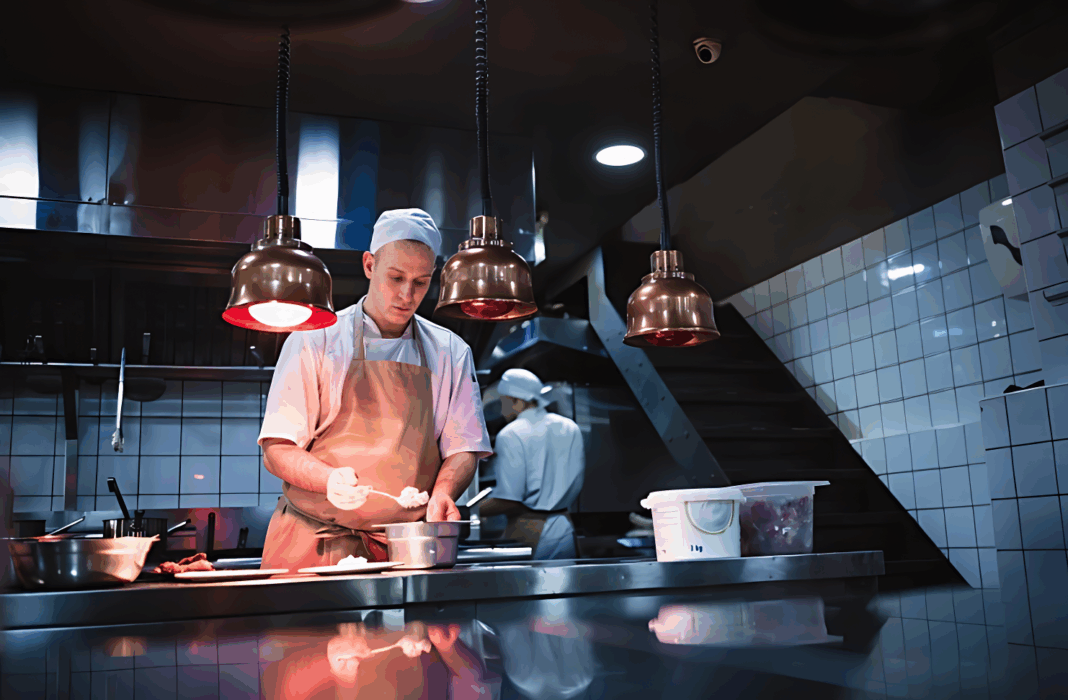
Keeping clean while cooking helps stop germs from spreading. Personal hygiene protects the food and those who eat it.
Simple habits can make a big difference in the kitchen. Clean hands and clothes keep food safe and fresh.
Wearing Clean Clothing
Always wear clean clothes before cooking. Dirty clothes can carry bacteria that spoil food.
Change your apron or shirt if they get stained or dirty during cooking. This helps stop cross-contamination.
- Wash clothes regularly to remove germs
- Use a clean apron every time you cook
- Avoid wearing outdoor clothes in the kitchen
Handling Hair And Accessories
Keep hair tied back or covered while cooking. Loose hair can fall into the food and cause contamination.
Remove jewelry like rings and bracelets before cooking. They can hold dirt and germs that spread to food.
- Use hair ties, clips, or a hairnet
- Wash hands after touching hair or accessories
- Avoid wearing watches or bracelets in the kitchen
Dispose Of Waste Properly
Keeping your kitchen clean is important for safe cooking. Proper waste disposal helps stop germs and bad smells.
Throwing away trash the right way keeps your kitchen healthy and tidy every day.
Managing Kitchen Trash
Use a covered bin to hold your kitchen waste. Empty the bin often to avoid overflow and smells.
Separate food scraps from other trash. This helps you recycle or compost some waste properly.
- Choose bins with lids to keep smells in
- Line bins with disposable bags for easy cleaning
- Take out trash daily to prevent build-up
- Use separate containers for recyclables and compost
Avoiding Pest Attraction
Trash left open can attract pests like flies and rodents. Keep bins sealed and clean to stop this.
Clean spills and crumbs right away. This removes food sources pests want to find.
- Seal food waste in bags before throwing it away
- Clean bins regularly to remove residue
- Store trash outside if possible
- Fix leaks and cracks where pests can enter
Credit: www.restauranttimes.com
:max_bytes(150000):strip_icc()/Health-GettyImages-WashingFruitsAndVegetables-260aacef11794bfd83a893d59a73c443.jpg)
Credit: www.health.com
Frequently Asked Questions
How Often Should I Wash My Hands While Cooking?
Wash your hands before cooking, after touching raw food, and after breaks. This prevents bacteria spread and keeps food safe.
What Cleaning Methods Ensure Kitchen Surface Hygiene?
Use hot, soapy water to clean surfaces. Disinfect with a suitable kitchen cleaner or diluted bleach for safety.
How To Prevent Cross-contamination In The Kitchen?
Use separate cutting boards for raw meat and vegetables. Always clean utensils and surfaces after each use.
Why Is Proper Food Storage Important For Hygiene?
Storing food at correct temperatures stops bacteria growth. Use airtight containers and label leftovers to maintain freshness.
Conclusion
Keeping your cooking area clean helps prevent germs and food sickness. Wash your hands often and use clean tools. Separate raw and cooked foods to avoid mix-ups. Clean surfaces and utensils after each use. These simple steps keep meals safe and tasty.
Good hygiene protects your health and your family’s. Remember, small habits make a big difference in the kitchen. Stay careful and enjoy cooking with confidence every day.