
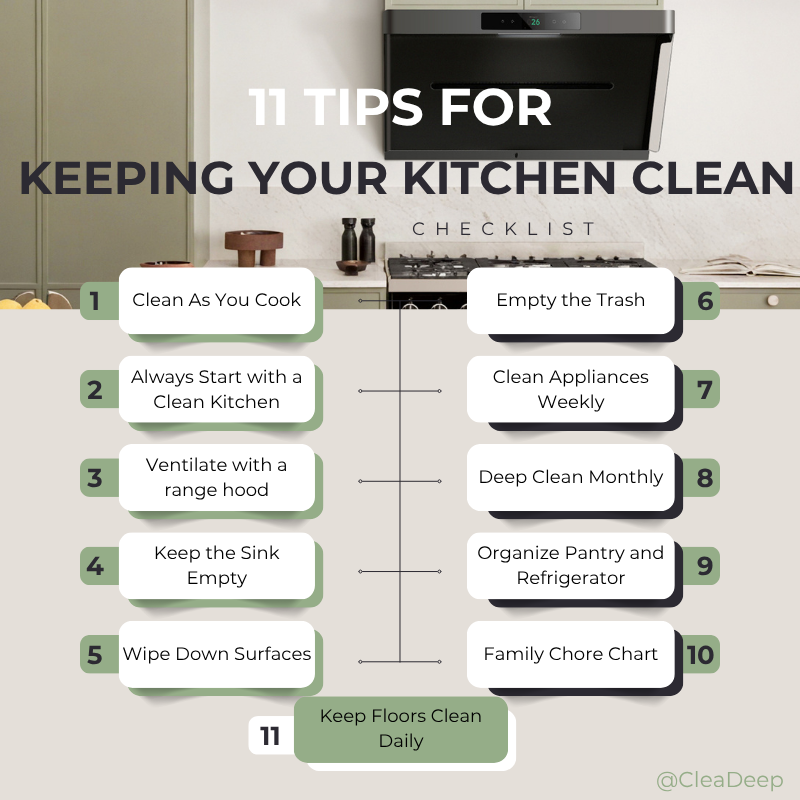
Baking is a joyful and creative process, but did you know that maintaining good hygiene is just as important as following the recipe? If you want your baked goods to taste great and stay safe to eat, keeping your kitchen clean and your hands spotless is a must.
Imagine biting into a delicious cake, knowing it’s not only fresh but also free from harmful germs. You’ll discover simple, effective ways to keep your baking space hygienic without any extra hassle. Ready to bake with confidence and care? Let’s dive in!
Kitchen Cleanliness Basics
Maintaining hygiene while baking is crucial for health. A clean kitchen helps prevent foodborne illnesses.
Simple steps can keep your baking area safe. Regular cleaning and sanitizing are essential.
Sanitize Surfaces Regularly
Surfaces in your kitchen can harbor germs. It’s important to sanitize them often.
Use a disinfectant to wipe down counters. Pay attention to areas where you prepare food.
- Clean spills immediately to avoid bacteria growth
- Wipe down surfaces before and after baking
- Use separate cloths for cleaning different areas
Keep Utensils Germ-free
Utensils can transfer germs if not cleaned. Regular washing keeps them safe to use.
Wash utensils with hot water and soap. Dry them completely before storing.
- Use a dishwasher for deep cleaning
- Separate raw and cooked food utensils
- Replace worn-out sponges frequently
Credit: www.carawayhome.com
Personal Hygiene Tips
Keeping good hygiene is very important while baking. It helps keep your food safe and clean.
Good personal hygiene stops germs from spreading. This protects you and others from getting sick.
Hand Washing Techniques
Wash your hands before you start baking and often while you work. Clean hands stop germs from getting into the food.
Use warm water and soap. Rub your hands together well for at least 20 seconds. Clean under nails and between fingers.
- Wet your hands with warm water
- Apply enough soap to cover all surfaces
- Rub hands palm to palm
- Scrub backs of hands and between fingers
- Clean under fingernails carefully
- Rinse hands well under running water
- Dry with a clean towel or air dry
Proper Attire For Baking
Wear clean clothes and use protective gear when baking. This keeps dirt and germs away from your food.
Use an apron to protect your clothes. Tie back long hair and avoid wearing jewelry that can fall into food.
- Wear a clean apron or baking coat
- Tie back long hair or use a hairnet
- Remove rings, watches, and bracelets
- Use clean gloves if needed
- Wear closed-toe shoes for safety
Ingredient Handling
Keeping ingredients clean and safe is key to good hygiene in baking. Careful handling stops germs from spreading.
Follow simple rules to keep your ingredients fresh and safe. This helps your baked goods taste great and stay healthy.
Store Ingredients Safely
Store ingredients in clean, dry places to stop mold and bugs. Use sealed containers to keep air and moisture out.
Keep ingredients away from heat and sunlight. Label containers with the date you opened them.
- Use airtight containers
- Keep spices and flours in cool, dry spots
- Store dairy and eggs in the fridge
- Separate raw and cooked items
Check For Freshness
Always check ingredients before using them. Look for signs of spoilage like bad smells or changes in color.
Throw away ingredients that are past their use-by date. Using fresh ingredients keeps your baking safe and tasty.
- Smell ingredients to detect bad odors
- Check for mold or unusual spots
- Feel texture for changes like clumping or dryness
- Review expiration dates on packaging
Credit: www.carawayhome.com
Equipment Maintenance
Keeping your baking equipment clean is very important. It helps stop germs and keeps your food safe.
Regular cleaning also makes your tools last longer and work better.
Clean Mixing Bowls And Tools
Always wash mixing bowls and tools after use. Use warm water and soap to remove all batter and flour.
Dry them well before storing to avoid bacteria growth and rust on metal tools.
- Use a scrub brush for tough spots.
- Rinse thoroughly to remove soap.
- Sanitize tools if possible, especially after raw eggs.
- Store tools in a clean, dry place.
Maintain Oven Hygiene
Clean the oven regularly to stop old food and grease from building up. This keeps your oven safe and smelling fresh.
Wipe spills quickly to avoid burnt residues. Check the oven racks and walls for crumbs and stains.
- Use oven cleaner or a baking soda paste for tough stains.
- Remove racks and wash them separately.
- Keep the oven door closed while baking.
- Check and clean the oven light cover to keep it bright.
Waste Management
Keeping your baking area clean is very important. Proper waste management helps stop germs and keeps your kitchen safe.
Throwing away waste quickly and storing leftovers correctly prevents bad smells and pests.
Dispose Of Waste Promptly
Throw baking waste in the trash right after use. Do not let scraps sit on counters or floors.
Use covered bins to stop smells and flies. Empty the bins often to keep things clean.
- Keep a small bin near your workspace
- Use liners to make emptying easier
- Wash bins regularly to avoid germs
- Take out the trash before it gets full
Manage Leftovers Safely
Store leftover dough or batter in clean containers. Cover them tightly to stop air and bugs.
Label leftovers with the date. Use or toss them within a safe time to avoid spoilage.
- Use airtight containers or wrap leftovers well
- Keep leftovers in the fridge or freezer
- Check leftovers before using to spot spoilage
- Throw away leftovers that smell or look bad
Avoiding Cross-contamination
Cross-contamination can cause foodborne illnesses. It happens when bacteria spread from raw to cooked foods. Keeping your baking area clean helps stop this.
Using good habits keeps your baked goods safe and tasty. Follow simple steps to avoid mixing raw and cooked items.
Separate Raw And Cooked Items
Keep raw ingredients like eggs and dough away from cooked foods. Use different plates and containers for each.
Clean surfaces and hands after handling raw items. This stops germs from spreading to finished baked goods.
- Store raw items on lower shelves in the fridge
- Use separate bowls for raw and cooked ingredients
- Do not reuse utensils that touched raw food without washing
- Wash hands before touching cooked or ready-to-eat food
Use Color-coded Tools
Color-coded tools help you avoid mixing raw and cooked food. Assign colors for different tasks to keep things clear.
This method makes cleaning easier. It also reminds everyone to use the right tool for each job.
- Red tools for raw ingredients
- Green tools for cooked or ready-to-eat food
- Blue tools for cleaning tasks
- Yellow tools for allergens or special items

Credit: www.clean-group.com.au
Frequently Asked Questions
How Can I Keep My Hands Clean While Baking?
Wash hands thoroughly with soap and warm water before baking. Use hand sanitizer if needed. Avoid touching your face or hair during baking to maintain hygiene.
What Are The Best Practices To Sanitize Baking Tools?
Clean all tools with hot, soapy water after each use. Use a kitchen sanitizer spray for extra safety. Ensure tools are fully dry before storing or reuse.
Why Is Wearing Gloves Important In Baking Hygiene?
Gloves prevent direct contact with dough and ingredients, reducing contamination. Change gloves regularly, especially after handling raw items or touching non-food surfaces.
How To Prevent Cross-contamination In The Baking Area?
Keep raw ingredients separate from ready-to-eat items. Clean surfaces and utensils between tasks. Use different cutting boards and avoid sharing tools without washing.
Conclusion
Keeping your baking space clean protects your food and your health. Wash hands often and clean surfaces before baking. Use fresh ingredients and store them properly. Avoid touching your face or hair while baking. Clean utensils and equipment after each use.
These simple steps help prevent germs and keep treats safe. Enjoy baking with peace of mind and tasty results. Clean habits make every bake better and safer. Remember, good hygiene is key to happy baking.