
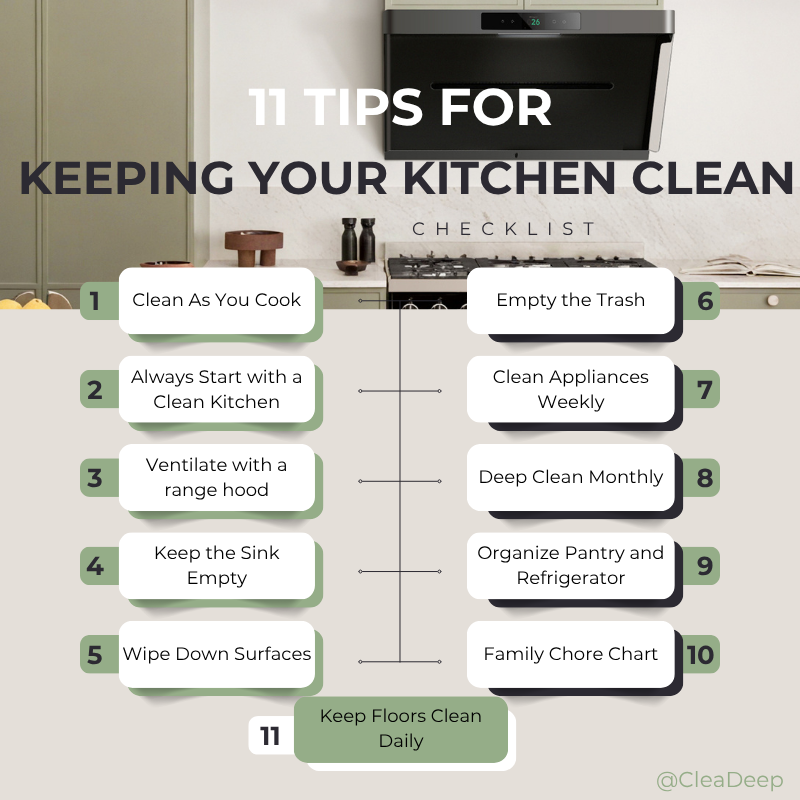
Your kitchen drawers might seem like just a place to stash utensils and tools, but they can quickly become a hotspot for germs and clutter if not cared for properly. Imagine reaching for a clean spoon or a fresh cutting tool, only to find crumbs, stains, or even bugs hiding inside.
Keeping your kitchen drawers clean and organized isn’t just about looks—it’s about protecting your health and making cooking easier. You’ll discover simple, effective tips to maintain hygiene in your kitchen drawers, so every time you open them, you find exactly what you need in a clean, safe space.
Ready to transform your kitchen drawers into a spotless, germ-free zone? Let’s get started!
Credit: creators.yahoo.com
Importance Of Clean Kitchen Drawers
Keeping kitchen drawers clean is important for a healthy home. Drawers store many items like utensils and spices.
Dirty drawers can hold germs and pests. This can make food unsafe and cause health problems.
Preventing Germ Build-up
Kitchen drawers collect dust, food crumbs, and moisture. These create a perfect place for germs to grow.
Cleaning drawers regularly stops germs from spreading to your utensils and food.
Avoiding Pest Infestation
Food crumbs in drawers attract pests like ants and cockroaches. These pests carry bacteria.
- Clean spills and crumbs immediately
- Use drawer liners for easy cleaning
- Store food in sealed containers
Maintaining Kitchen Organization
Clean drawers help keep items organized and easy to find. Cluttered drawers slow you down.
| Benefit | Effect |
| Regular cleaning | Reduces bacteria and germs |
| Proper storage | Prevents pest problems |
| Organized drawers | Saves time while cooking |
Protecting Kitchen Tools
Moisture and dirt can damage knives, spoons, and other tools. Clean drawers keep tools in good condition.
Tip:Wipe tools dry before putting them away. Use drawer dividers to keep tools separated.
Choosing The Right Cleaning Supplies
Keeping kitchen drawers clean helps stop germs and pests. Using the correct cleaning supplies makes this task easy and safe.
Choosing the right products protects your drawers and keeps your kitchen fresh. This guide shows what supplies work best.
Safe Cleaning Solutions
Use gentle, non-toxic cleaners that do not harm wood or metal. Avoid harsh chemicals that can damage drawer surfaces or leave strong smells.
- Mild dish soap mixed with warm water
- White vinegar diluted in water for disinfecting
- Baking soda paste for scrubbing tough stains
- Commercial cleaners labeled safe for kitchen use
Tools For Cleaning Kitchen Drawers
Use soft cloths, sponges, and brushes to clean without scratching. Microfiber cloths are great for wiping dust and crumbs.
| Tool | Use |
| Microfiber cloth | Wipe surfaces and dry drawers |
| Soft sponge | Apply cleaning solution gently |
| Small brush | Clean corners and crevices |
| Spray bottle | Mix and apply liquids evenly |
Avoiding Harmful Products
Do not use bleach or abrasive cleaners in kitchen drawers. They can ruin finishes and leave toxic residue on surfaces.
Decluttering Before Cleaning
Keeping kitchen drawers clean starts with removing clutter. It helps you clean better and find what you need faster.
Decluttering also stops dirt and germs from hiding in unused items. Start by emptying each drawer fully.
Empty All Drawers
Take everything out of the drawers. Lay items on a clean surface. This lets you see what you have.
Sort Items By Use
Group items by how often you use them. Keep daily tools separate from things used rarely.
- Daily use items: knives, spoons, measuring cups
- Occasional use: specialty gadgets, holiday tools
- Expired or broken items: throw away or recycle
Decide What To Keep
Only keep items that fit well and serve a purpose. Donate or discard duplicates and unused tools.
Organize For Easy Access
| Item Type | Storage Tip |
|---|---|
| Cutlery | Use a tray to separate forks, knives, spoons |
| Small gadgets | Store in small bins or containers to avoid mess |
| Plastic wraps and bags | Keep in one drawer or container to save space |
| Cleaning supplies | Place in a separate drawer for safety |
Using containers and trays keeps drawers neat and cleaning easier. It also helps find items quickly.
Credit: creators.yahoo.com
Step-by-step Cleaning Process
Keeping kitchen drawers clean helps maintain a healthy cooking space. Dirt and crumbs can build up over time. A regular cleaning routine keeps drawers fresh and safe for utensils and food items.
This guide shows you how to clean your kitchen drawers in easy steps. Follow the process to make your drawers spotless and well-organized.
Emptying The Drawers
Start by removing everything from the drawers. Take out utensils, tools, and any stored items. Check for expired or unused things and set them aside to throw away or donate.
Wiping Down Surfaces
Use a soft cloth or sponge with mild soap and warm water. Wipe the inside and outside surfaces of the drawers. Pay attention to corners and edges where dirt hides.
- Prepare a cleaning solution with mild dish soap and warm water.
- Dip a cloth or sponge into the solution and wring out excess water.
- Wipe all drawer surfaces thoroughly.
- Rinse the cloth and wipe again to remove soap residue.
- Dry the surfaces with a clean towel.
Deep Cleaning Methods
For tough stains or sticky spots, use deeper cleaning methods. Baking soda and vinegar are natural cleaners that work well. Avoid harsh chemicals that might damage wood or paint.
| Cleaning Agent | Use | Instructions |
|---|---|---|
| Baking Soda | Remove odors and stains | Sprinkle inside drawers, leave for 15 minutes, then wipe clean |
| White Vinegar | Disinfect and remove grease | Mix equal parts vinegar and water, spray, and wipe surfaces |
| Mild Soap | General cleaning | Mix with warm water, wipe surfaces, rinse, and dry |
Drying And Airing Out
After cleaning, let drawers dry completely. Leave them open for a few hours to air out moisture. This step prevents mold and keeps the drawers fresh.
Organizing Items Effectively
Keeping kitchen drawers clean helps you find things fast. Organized drawers save time and reduce mess.
Good organization also keeps your kitchen more hygienic. You avoid crumbs and spills that cause dirt.
Using Dividers And Trays
Dividers and trays separate items inside drawers. This stops clutter and keeps things neat.
Use trays for small items like cutlery and dividers for larger tools. This makes cleaning easier.
- Choose plastic or bamboo trays that wipe clean easily
- Adjust dividers to fit different drawer sizes
- Group similar items together for quick access
- Remove trays and dividers for regular cleaning
Labeling For Easy Access
Labels help you quickly find what you need. They stop you from digging through messy drawers.
Use clear, simple labels on trays or drawer fronts. This keeps your kitchen organized and clean.
- Use waterproof labels to avoid damage from spills
- Label sections for utensils, spices, or gadgets
- Update labels if you change drawer contents
- Use large fonts for easy reading
Preventing Future Mess
Keeping kitchen drawers clean helps maintain a tidy cooking space. Preventing mess saves time and effort later.
Simple habits and quick actions stop clutter and dirt from building up inside drawers.
Regular Maintenance Routine
Make a habit of checking your kitchen drawers once a week. Remove crumbs, spills, and items you no longer need.
- Empty each drawer completely
- Wipe the inside with a damp cloth and mild cleaner
- Dry the drawer before putting items back
- Organize items into groups for easy access
- Use drawer liners to catch spills and crumbs
Quick Cleanup After Cooking
Clean small messes right after cooking to stop stains and odors. This keeps drawers fresh and ready to use.
| Cleanup Task | Why It Helps |
| Wipe handles and edges | Stops grease build-up |
| Remove crumbs immediately | Prevents bugs and mold |
| Put utensils back in place | Keeps drawers neat |
| Check for leaks or spills | Protects drawer material |
Natural Cleaning Alternatives
Keeping kitchen drawers clean helps prevent germs and bad smells. Using natural cleaners is safe and eco-friendly.
Natural cleaning products avoid harsh chemicals. They keep your kitchen healthy for your family.
Baking Soda For Odor And Stains
Baking soda removes bad smells and cleans stains well. Sprinkle it in drawers and wipe with a damp cloth.
It is gentle on surfaces and safe to use around food items. Baking soda also absorbs moisture to keep drawers dry.
White Vinegar For Disinfecting
White vinegar kills germs and bacteria naturally. Mix equal parts vinegar and water in a spray bottle to clean drawers.
Spray the solution on drawer surfaces and wipe with a cloth. Vinegar also helps remove grease and sticky spots.
Lemon Juice For Fresh Scent
Lemon juice cleans and freshens kitchen drawers with its natural scent. Use lemon juice to wipe inside drawers for a fresh smell.
The natural acid in lemon juice helps break down dirt and grease. It also leaves a bright, clean surface.
Essential Oils For Extra Cleanliness
Essential oils like tea tree or lavender add extra cleaning power. Add a few drops to water or vinegar solutions.
They have natural antibacterial properties and leave a pleasant scent. Use them to wipe or spray kitchen drawers.
Castile Soap For Gentle Cleaning
Castile soap is a natural soap made from plant oils. Mix a small amount with water for cleaning drawer surfaces.
It cleans dirt and grease without harsh chemicals. Use a soft cloth to apply the soap solution and rinse well.
Tips For Specific Drawer Types
Keeping kitchen drawers clean helps maintain a healthy cooking space. Different drawer types need different care.
Here are tips to keep utensil, spice, and pantry drawers tidy and hygienic.
Utensil Drawers
Utensil drawers hold forks, spoons, knives, and other tools. Clean them often to avoid germs.
Wipe the drawer with warm, soapy water. Dry it well before placing utensils back.
- Use drawer organizers to separate items
- Wash utensils before storing
- Remove crumbs and debris regularly
- Check for rust or damage on metal tools
Spice Drawers
Spice drawers can get messy with spilled powders and liquids. Clean spills quickly to stop stains.
Wipe the inside with a damp cloth and mild cleaner. Dry completely before returning spice jars.
- Group spices by type or use
- Check expiration dates often
- Use small trays to catch spills
- Label jars clearly for easy finding
Pantry Drawers
Pantry drawers store dry goods like snacks, rice, and pasta. Keep them sealed to avoid pests.
Clean pantry drawers with a vacuum or cloth to remove dust and crumbs. Use airtight containers.
- Sort items by category
- Label containers with contents and dates
- Check for expired food regularly
- Keep drawer dry and ventilated

Credit: clean2shine.in
Frequently Asked Questions
How Often Should Kitchen Drawers Be Cleaned?
Kitchen drawers should be cleaned at least once a month. Regular cleaning prevents dirt buildup, bacteria, and unpleasant odors. Wipe surfaces with a mild cleaner and dry thoroughly to maintain hygiene. Frequent checks ensure a clean, safe space for utensils and food storage.
What Materials Are Best For Drawer Liners?
Non-porous, easy-to-clean materials like silicone or plastic are best for drawer liners. They prevent spills from seeping into the drawer wood. These liners are washable and reusable, helping maintain hygiene and protect drawers from stains and damage.
How To Prevent Pests In Kitchen Drawers?
Keep drawers dry and clean to prevent pests. Store food in airtight containers and avoid crumbs. Regularly inspect and clean drawers, sealing any cracks or gaps. Proper hygiene and storage habits reduce the risk of infestations effectively.
Can Drawer Organizers Improve Kitchen Hygiene?
Yes, drawer organizers help separate utensils and reduce clutter. They make cleaning easier and prevent cross-contamination. Organized drawers ensure items stay dry and clean, contributing to overall kitchen hygiene and efficiency.
Conclusion
Keeping kitchen drawers clean helps stop germs and pests. Wipe spills and crumbs often to avoid dirt build-up. Use organizers to keep items neat and easy to find. Regular cleaning saves time and makes cooking safer. A clean drawer means a healthier kitchen.
Simple habits lead to long-lasting hygiene. Start small, and keep your kitchen fresh every day.