
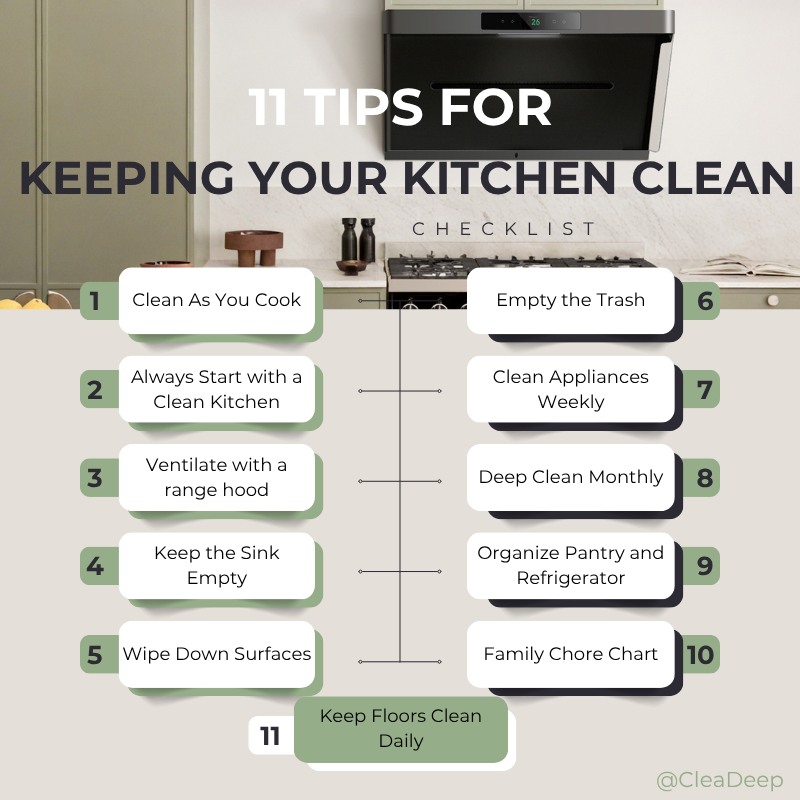
Your kitchen cabinets hold more than just plates and spices—they can also harbor dirt, germs, and unwanted pests if not cleaned properly. Keeping your kitchen cabinets clean and hygienic isn’t just about looks; it’s about protecting your family’s health and making cooking a safer experience.
Wondering how to keep those cabinets fresh and spotless without spending hours scrubbing? This guide will show you simple, effective steps you can take right now to maintain hygiene in your kitchen cabinets. Ready to transform your kitchen into a cleaner, healthier space?
Let’s dive in!
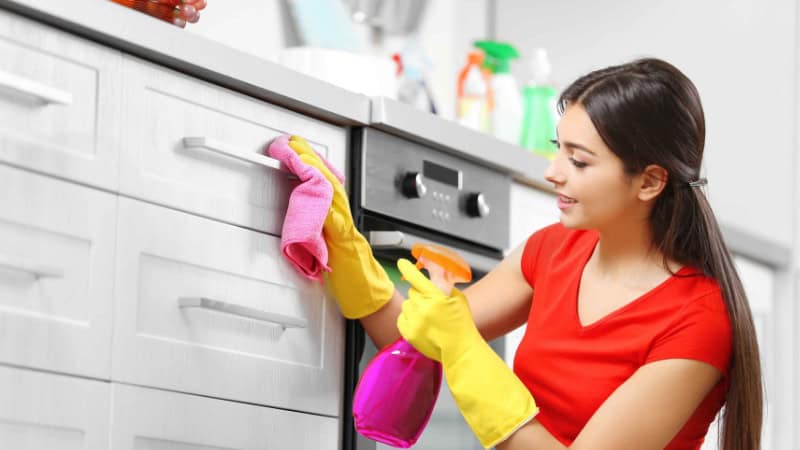
Credit: modern-maids.com
Choose The Right Materials
Maintaining hygiene in kitchen cabinets is essential for a clean home. Choosing the right materials can make cleaning easier.
Some materials are better for keeping cabinets clean. Let’s explore the benefits and important considerations.
Benefits Of Easy-to-clean Surfaces
Surfaces that are easy to clean help keep your kitchen tidy. They save time and effort during cleaning.
Materials like laminate or stainless steel are popular. They resist stains and are simple to wipe down.
- Laminate surfaces are smooth and non-porous
- Stainless steel resists bacteria and stains
- Glossy finishes repel dirt and grime
Avoiding Moisture-prone Materials
Moisture can damage cabinet materials. It leads to mold growth and unpleasant odors.
Choose materials that resist moisture to prevent damage. Avoid wood or untreated materials in wet areas.
- Wood can warp and swell with moisture
- Untreated surfaces absorb water and odors
- Use moisture-resistant finishes to protect cabinets

Credit: clean2shine.in
Regular Cleaning Routine
Keeping kitchen cabinets clean helps stop germs and keeps food safe. A regular cleaning routine makes your kitchen look neat.
Use simple steps to clean your cabinets daily and weekly. This keeps dirt and stains from building up.
Daily Wipe-down Tips
Wiping cabinets every day removes dust and spills before they harden. Use a soft cloth and mild cleaner.
Focus on handles and edges where dirt collects most. Dry the surfaces after wiping to avoid water damage.
- Use a damp cloth with warm water
- Add a few drops of dish soap if needed
- Wipe door fronts and handles gently
- Dry with a clean, dry cloth
- Avoid harsh chemicals and abrasive tools
Weekly Deep Cleaning Steps
Once a week, clean cabinets more thoroughly to remove grease and stains. Empty the cabinets before cleaning.
Use a mix of warm water and vinegar for natural cleaning. Wipe inside and outside, then dry all surfaces well.
- Remove all items from cabinets
- Mix equal parts water and white vinegar
- Use a soft cloth to clean all surfaces
- Check corners and hinges for dirt
- Dry cabinets fully before replacing items
- Clean spills inside cabinet shelves promptly
Organize For Cleanliness
Keeping kitchen cabinets clean is easier with good organization. A tidy cabinet helps stop mess and dirt from building up.
Organizing your kitchen cabinets makes it simple to find items and keeps everything neat and hygienic.
Using Storage Containers
Storage containers keep food fresh and stop spills inside cabinets. Use containers with tight lids to avoid pests and moisture.
Clear containers help you see what is inside without opening them. This reduces the time your cabinets stay open.
- Choose containers that fit your cabinet space
- Use airtight containers for dry foods
- Stack containers to save space
- Clean containers regularly to avoid odors
Labeling
Labeling helps you find food and ingredients quickly. It also stops you from keeping expired items by mistake.
Use simple labels with the item name and date of storage. This makes cleaning and restocking easy.
- Label all storage containers and jars
- Use waterproof labels or tags
- Update labels when you add new items
- Remove old labels to avoid confusion
Decluttering
Decluttering means removing unused or expired items from cabinets. This keeps your kitchen tidy and clean.
Check your cabinets often and throw away or donate things you no longer use. Less clutter means less dust and pests.
- Sort items by use and expiration date
- Donate or discard items not used in six months
- Keep similar items together for easy access
- Clean shelves after decluttering
Preventing Pest Infestations
Keeping your kitchen cabinets clean stops pests from entering. Pests like ants and rodents look for food and shelter.
Regular cleaning and good habits help keep pests away. This makes your kitchen safer and healthier.
Sealing Cracks And Gaps
Small cracks and gaps let pests enter your cabinets. Check corners and edges for holes or openings.
Use caulk or weather stripping to seal these spaces. This blocks pests from hiding or getting inside.
- Inspect cabinets regularly for cracks
- Seal gaps with silicone caulk
- Check around pipes and wires
- Replace worn-out seals or weather stripping
Proper Food Storage Practices
Store food in airtight containers to stop pests from smelling or reaching it. Avoid leaving food open in cabinets.
Clean up crumbs and spills quickly. Keep dry goods in sealed jars or plastic containers to prevent pest access.
- Use sealed glass or plastic containers
- Label containers with dates
- Check food regularly for signs of pests
- Throw away expired or damaged food
Natural Cleaning Solutions
Keeping kitchen cabinets clean is important for a healthy home. Natural cleaning solutions are safe and effective.
These solutions avoid harsh chemicals and keep your cabinets fresh and clean.
Vinegar And Baking Soda Uses
Vinegar kills germs and removes smells in cabinets. Baking soda helps scrub away dirt and stains.
Use vinegar and baking soda together to deep clean and deodorize your kitchen cabinets.
- Spray vinegar on cabinet surfaces to disinfect.
- Sprinkle baking soda on a damp cloth to scrub stubborn spots.
- Mix vinegar and baking soda for a fizzy cleaner to clear tough grime.
- Wipe cabinets with a clean damp cloth after cleaning.
Essential Oils For Freshness
Essential oils add a fresh scent and can help reduce bacteria in cabinets. Lemon, tea tree, and lavender oils work well.
Add a few drops of essential oil to water or vinegar for cleaning. You can also put some oil on a cotton ball inside cabinets.
- Lemon oil removes odors and leaves a clean smell.
- Tea tree oil has natural antibacterial properties.
- Lavender oil adds a calming scent and fights germs.
- Use oils sparingly to avoid strong smells.
Handling Spills And Stains
Keeping kitchen cabinets clean helps maintain a healthy home. Spills and stains can cause damage and attract pests.
Acting quickly when spills happen will protect your cabinets and keep them looking good.
Immediate Spill Cleanup
Wipe spills as soon as they occur. Use a soft cloth or paper towel to absorb the liquid.
Cleaning spills quickly stops stains from setting and prevents cabinet damage.
- Use a damp cloth for sticky spills
- Dry the area after cleaning
- Avoid harsh scrubbing to protect surfaces
Removing Tough Stains Safely
Some stains need special care to avoid damage. Use gentle cleaners made for kitchen surfaces.
Test cleaners on a small spot before applying to the whole stain.
- Mix mild soap with warm water
- Use a soft sponge or cloth
- Rinse with clean water and dry thoroughly
- Avoid bleach or strong chemicals
Maintain Cabinet Hardware
Keeping your kitchen cabinet hardware clean and working well helps your kitchen last longer. Good care stops rust and wear on handles and hinges.
Regular checks and simple cleaning keep the hardware smooth. This makes opening and closing cabinets easy and quiet.
Cleaning Handles And Hinges
Clean handles and hinges often to remove dirt and grease. Use a soft cloth with mild soap and water. Avoid harsh chemicals that can damage the finish.
Dry the hardware well after cleaning. This stops water spots and rust from forming. Check for loose screws and tighten them as needed.
- Use mild soap and warm water
- Wipe with a soft cloth
- Dry hardware completely
- Tighten loose screws
Lubricating Moving Parts
Lubricate hinges and other moving parts to keep them working smoothly. Apply a small amount of lubricant to avoid buildup and dust attraction.
Choose a lubricant made for metal parts. Spray or apply it carefully, then open and close the cabinet a few times to spread it evenly.
- Use metal-safe lubricant
- Apply sparingly on moving parts
- Move hardware to spread lubricant
- Clean excess lubricant to avoid dust

Credit: www.youtube.com
Frequently Asked Questions
How Often Should Kitchen Cabinets Be Cleaned?
Kitchen cabinets should be cleaned at least once a week. Regular cleaning prevents grease and dirt buildup. Wipe surfaces with a mild detergent and warm water. Dry thoroughly to avoid moisture damage and maintain hygiene.
What Are The Best Cleaning Products For Cabinets?
Use gentle, non-abrasive cleaners like mild dish soap or vinegar solutions. Avoid harsh chemicals that damage cabinet finishes. Microfiber cloths work well to remove dirt without scratching. Regular cleaning keeps cabinets looking fresh and hygienic.
How Can I Prevent Mold In Kitchen Cabinets?
Ensure cabinets stay dry by fixing leaks promptly. Use moisture absorbers or silica gel packets inside cabinets. Keep kitchen well-ventilated to reduce humidity. Regularly inspect cabinets for signs of mold or mildew growth.
Should Kitchen Cabinets Be Disinfected Regularly?
Yes, disinfect cabinets regularly to eliminate germs and bacteria. Use safe disinfectants suitable for wood or laminate surfaces. Focus on handles and high-touch areas to maintain a hygienic kitchen environment.
Conclusion
Keeping kitchen cabinets clean protects your food and family health. Regular wiping stops dust and germs from building up. Use gentle cleaners and soft cloths for best results. Check for spills and stains often to avoid stains and smells. Organize items to make cleaning easier and faster.
Small daily efforts lead to a fresher kitchen space. A clean kitchen feels good and works better. Start today and enjoy a healthier cooking area. Simple steps make a big difference over time.