
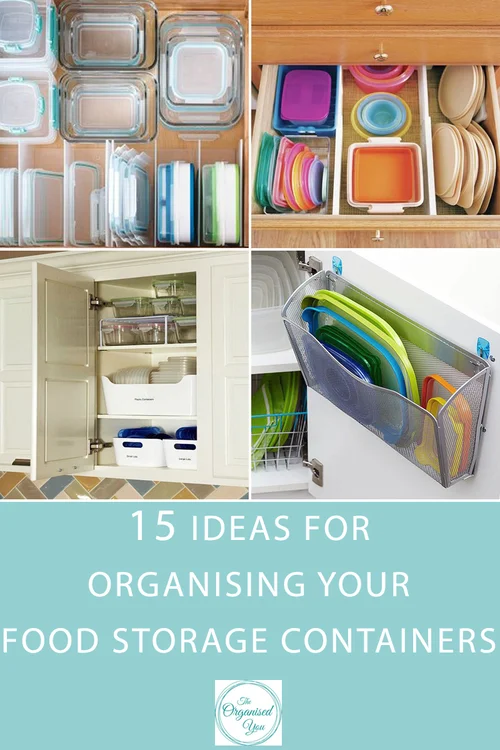
Are you tired of digging through cluttered cupboards every time you need a food container? Keeping your food containers organized can save you time, reduce stress, and even help you keep your kitchen cleaner.
Imagine opening your cabinet and instantly finding the perfect container without the frustration. You’ll discover simple, practical tips to maintain food container organization that anyone can follow. Stick with me, and you’ll transform your kitchen space into a neat, efficient area where everything has its place.
Ready to make your life easier? Let’s dive in.
:max_bytes(150000):strip_icc()/alr-roundup-pantry-organizers-tout-3f3125ec92394210aab712e42bf8d400.jpg)
Credit: www.allrecipes.com
Choose The Right Containers
Organizing your food containers is important for a neat kitchen. The right containers keep food fresh and save space. Here are tips to help you choose the best ones.
Material Matters
Container materials affect durability and food safety. Common materials include plastic, glass, and stainless steel. Each has its advantages.
- Plastic is lightweight and affordable
- Glass is durable and microwave-safe
- Stainless steel is strong and long-lasting
Size And Shape Options
The size and shape of your containers should fit your storage needs. Different foods require different container sizes. Choose shapes that stack easily.
- Small containers are great for snacks
- Medium containers suit leftovers
- Large containers hold bulk items
- Square shapes save more space
Lids And Seals
Lids and seals are crucial for keeping food fresh. A good lid prevents spills and locks in flavor. Look for airtight seals.
- Snap-on lids are easy to use
- Twist lids provide extra security
- Silicone seals enhance airtightness
Sort And Declutter Containers
Keeping food containers organized saves time and space in your kitchen. Sorting and decluttering helps you find containers quickly.
Start by gathering all containers in one place. This step makes it easier to see what you have and decide what to keep.
Discard Damaged Containers
Throw away containers that are cracked, warped, or stained. Damaged containers may not seal properly and can leak.
Check lids for cracks or missing parts. Replace lids that no longer fit tightly.
Match Lids To Containers
Keep lids with their matching containers to avoid losing pairs. This makes it easier to store and use them later.
- Stack containers by size
- Store lids vertically in a separate bin
- Use labels or colored stickers for quick matching
Limit Duplicate Items
Keep only the containers you use often. Extra duplicates take up space and cause clutter.
Donate or recycle containers you no longer need. This helps keep your kitchen organized and tidy.
Designate Storage Zones
Keeping food containers organized saves time and space in your kitchen. Designating storage zones helps you find containers fast.
Group containers by type, size, or use to keep your kitchen neat and easy to manage.
Use Cabinets And Drawers Wisely
Assign specific cabinets or drawers for food containers. Keep lids and containers together to avoid searching.
Store frequently used containers in easy-to-reach places. Place less used ones higher or lower.
- Use deep drawers for large containers
- Store lids vertically in cabinet doors
- Stack containers inside each other by size
Create Container Stations
Set up small stations for container use. Keep them close to food prep areas for quick access.
Include containers, lids, and cleaning cloths in these stations. This saves time when packing or storing food.
- Place a container station near the fridge
- Keep a drying rack or mat nearby
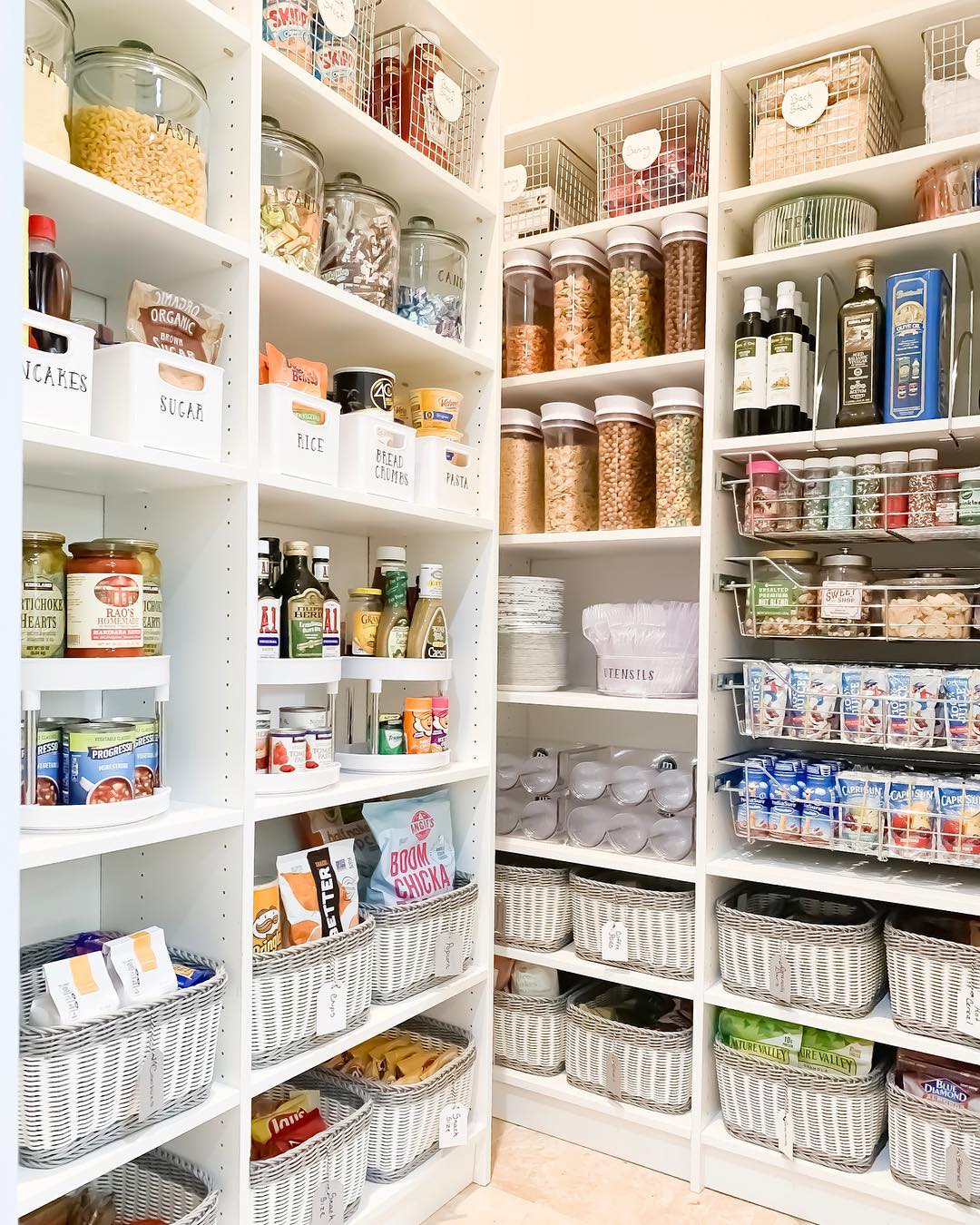
- Use baskets or bins to hold containers and lids
Label Storage Areas
Labels make it easier to find and return containers. Use clear labels on shelves, bins, or drawers.
Include container size or type on the label. This helps keep the system organized for everyone in the home.
- Label lids and container stacks separately
- Use waterproof labels for durability
- Choose easy-to-read fonts and colors
Credit: www.extraspace.com
Stack And Nest Efficiently
Keeping food containers organized saves space and makes your kitchen neater. Stacking and nesting them right helps avoid clutter.
Using simple techniques can make your containers easy to find and store. This keeps your kitchen tidy and your containers safe.
Stack Similar Sizes
Group containers with the same size together. Stack them one on top of another to save vertical space.
This keeps your shelves neat and stops containers from tipping over. It also makes it easier to grab the size you need.
- Place lids at the bottom or top of each stack
- Keep frequently used sizes at eye level
- Use sturdy shelves to hold stacked containers
Nest Smaller Inside Larger
Put smaller containers inside bigger ones to save space. Nesting cuts down on the area containers take up.
Make sure containers are clean and dry before nesting. Keep lids separate to avoid losing them inside the stack.
- Stack lids separately in a small bin or basket
- Place nested containers in easy-to-reach spots
- Use nesting only with containers that fit well
Use Dividers Or Organizers
Use dividers or drawer organizers to keep containers in place. They stop containers from sliding or falling over.
Organizers help separate lids from containers. This keeps everything neat and easy to find.
- Use adjustable dividers for different container sizes
- Choose clear organizers to see contents quickly
- Label sections to keep lids and containers matched
Maintain Regular Organization
Keeping your food containers organized helps save time and space. Regular care stops clutter and makes it easy to find what you need.
Simple habits keep your containers neat and ready to use. This guide covers easy ways to maintain order every week.
Weekly Container Check
Set aside time each week to check your containers. Look for missing lids, cracks, or stains. Fix or toss damaged containers to keep your set usable.
Organizing weekly helps avoid large messes. It keeps your storage area clean and tidy at all times.
Clean Before Storing
Wash containers and lids before putting them away. Dry them fully to stop smells and mold. Clean containers last longer and stay fresh.
Use warm water and mild soap. Avoid harsh cleaners that can damage plastic or glass.
Rotate Containers To Avoid Clutter
Use your older containers first. Move newer ones to the back. This rotation stops containers from piling up unused.
Keep frequently used containers in easy reach. Store less used ones higher or in the back.
- Place older containers at the front
- Stack lids separately for easy access
- Group containers by size and shape

Credit: www.goodhousekeeping.com
Maximize Space With Innovative Tips
Keeping food containers organized saves space and time in your kitchen. Small changes can help you store containers neatly.
Using smart ideas lets you fit more containers in less space. This guide shows easy ways to keep your containers tidy.
Use Vertical Storage Solutions
Stack containers vertically to use empty space above drawers or shelves. This method frees up horizontal space.
Install tall racks or shelves inside cupboards. These create levels for containers and lids to stand upright.
- Use tiered shelves for better visibility
- Add wall-mounted racks for lids
- Stack containers by size for stability
Repurpose Containers Creatively
Use containers for more than food storage. They can hold small items like snacks or kitchen tools.
Label containers clearly to avoid confusion. This keeps your kitchen neat and easy to manage.
- Use clear containers to see contents quickly
- Store loose items like spices or packets
- Turn lids into small trays for organizing
Incorporate Drawer Inserts
Drawer inserts help separate containers and lids. They stop items from sliding and mixing up.
Choose adjustable inserts to fit different container sizes. This makes organizing flexible and neat.
- Use dividers to separate lids and containers
- Adjust inserts as your container collection grows
- Keep frequently used items near the front
Frequently Asked Questions
How Can I Keep Food Containers Organized Daily?
Use labeled containers and designate shelves for specific types. Regularly discard expired items. Group similar containers together to save space.
What Is The Best Way To Label Food Containers?
Use waterproof, clear labels with the content and date. Label lids and sides for easy identification. This helps track freshness and reduces waste.
How Often Should I Clean Food Containers?
Clean containers after each use to prevent odors and stains. Deep clean monthly with warm soapy water to maintain hygiene and organization.
How Can I Save Space With Food Containers?
Stack containers by size and nest lids separately. Use uniform-shaped containers for better stacking. This maximizes cabinet space and keeps containers tidy.
Conclusion
Keeping food containers organized saves time and reduces stress. Clear labels help you find items quickly. Stack containers by size to save space. Clean containers regularly to avoid odors and stains. Sort lids and containers separately to keep pairs together.
Small efforts each day keep your kitchen neat. Enjoy the ease of a well-organized food storage system. Simple habits lead to lasting order and less clutter. Try these tips and see the difference for yourself.