
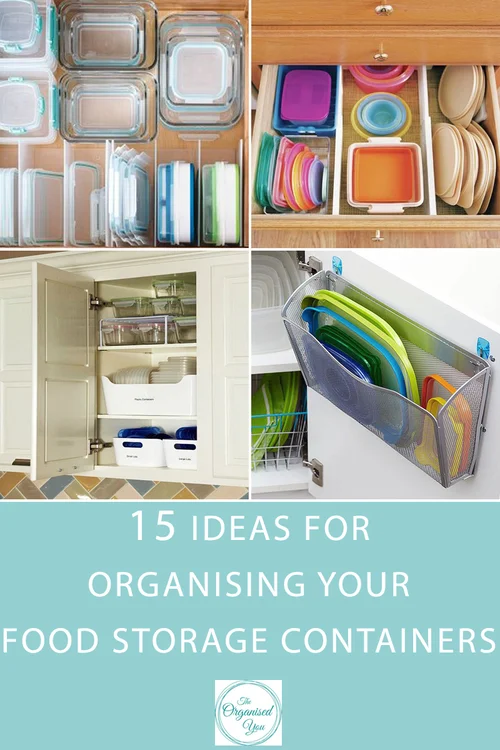
Are you tired of digging through messy cabinets every time you need a food container? Imagine opening your pantry and instantly finding the perfect container without any frustration.
Keeping your food containers organized not only saves you time but also reduces stress and keeps your kitchen looking neat. In this post, you’ll discover simple and effective ways to maintain food container organization that anyone can follow. Ready to transform your kitchen chaos into order?
Let’s dive in!
Credit: www.extraspace.com
Choosing The Right Containers
Organizing food containers can be simple. The right choice depends on your needs. Consider materials, size, shape, and stackability.
Good organization saves time and space. It keeps your food fresh and easy to find.
Material Options
Materials affect durability and safety. Popular choices include plastic, glass, and metal.
- Plastic is lightweight and affordable.
- Glass is durable and microwave safe.
- Metal is strong but not microwave safe.
Size And Shape Considerations
Size and shape matter for storage and usage. Choose shapes that fit your shelves.
- Small containers are good for snacks.
- Large ones are ideal for leftovers.
- Square shapes save more space.
Stackable Designs
Stackable containers maximize space. They keep your kitchen tidy and organized.
| Design Feature | Benefit |
|---|---|
| Nesting | Saves space when not in use |
| Interlocking | Prevents slipping when stacked |
Sorting And Categorizing Containers
Keeping food containers organized saves time and space in your kitchen. Sorting and categorizing containers makes it easier to find what you need quickly.
When you sort containers properly, you reduce clutter and keep your kitchen neat. This also helps protect containers from damage.
Grouping By Purpose
Group containers based on how you use them. Put containers for leftovers in one place and containers for meal prep in another.
Keep containers for snacks separate from large storage containers. This helps you grab the right container fast.
- Containers for leftovers
- Containers for freezing food
- Containers for snacks
- Containers for meal prep
Labeling Techniques
Labeling containers helps you know what is inside without opening them. Use labels to mark the contents and date.
Write labels clearly using a marker or label maker. Remove old labels to keep containers clean.
- Use waterproof labels or tape
- Write the date of storage
- Use simple words for contents
- Replace labels when needed
Using Clear Containers
Clear containers let you see the food inside. This helps you find items without opening each container.
Choose containers made of clear plastic or glass. They make it easier to spot what you need in your kitchen.
- Check container contents at a glance
- Reduce food waste by seeing leftovers
- Match lids and containers easily
- Keep kitchen visually tidy
Storage Solutions For Containers
Keeping food containers organized saves time and space. It helps find lids and containers quickly.
There are many ways to store containers to keep cabinets neat. Using the right tools makes a big difference.
Cabinet Organizers
Cabinet organizers help separate containers and lids. They keep everything in place and easy to reach.
Stacking racks or pull-out trays work well inside cabinets. They use vertical space and stop containers from falling.
- Use adjustable shelves for different container sizes
- Choose clear organizers to see contents easily
- Label sections for lids and containers
Drawer Dividers
Drawer dividers create separate spaces inside drawers. They stop containers and lids from mixing up.
Dividers are easy to install and adjust. They keep items upright and tidy.
- Sort lids by size in one section
- Keep containers stacked in another section
- Use soft dividers to protect plastic containers
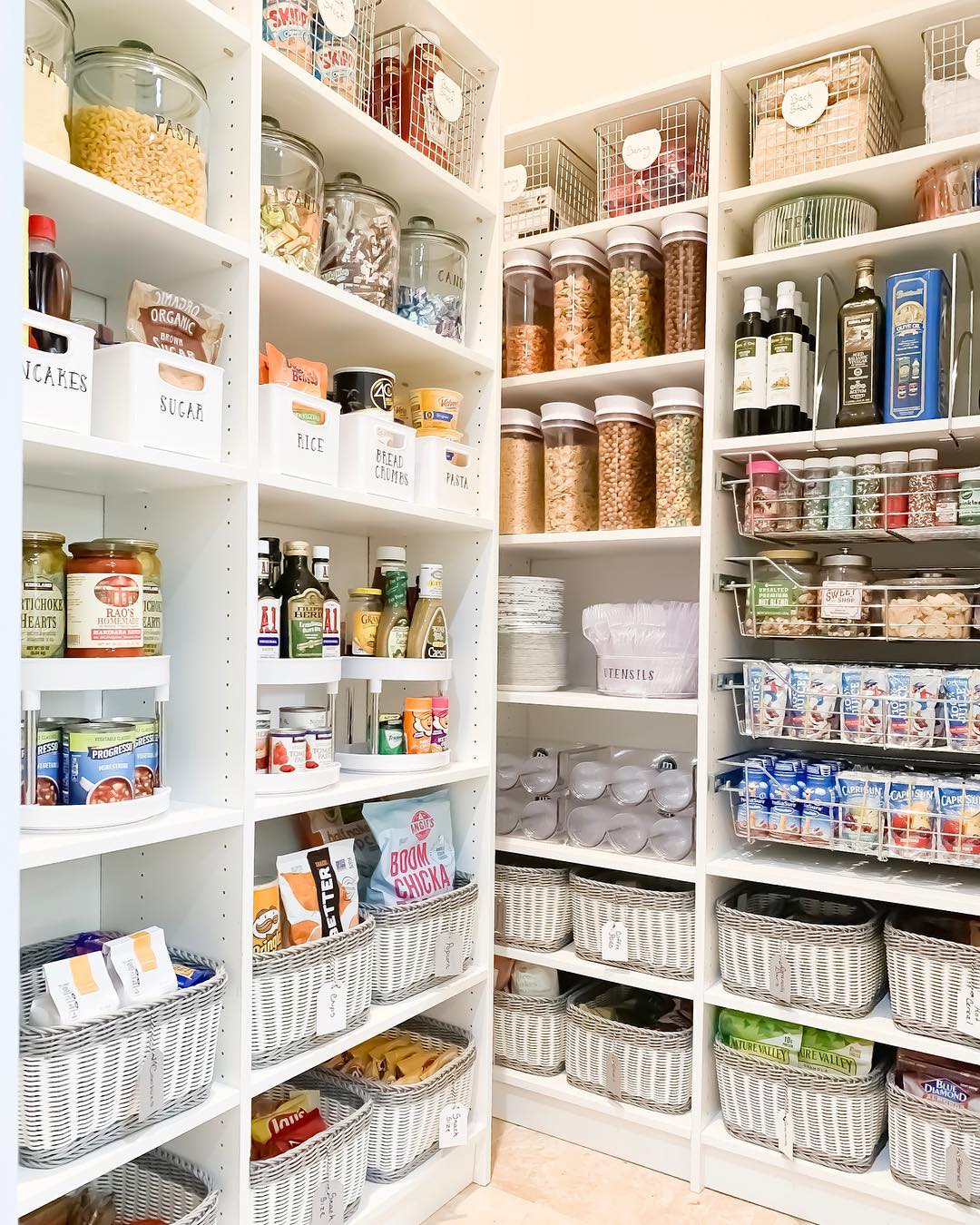
Shelf Risers
Shelf risers add extra levels to shelves. They let you stack containers without losing access to the bottom ones.
Risers work well for shallow shelves or pantries. They increase storage space and improve visibility.
- Place risers on shelves with frequently used containers
- Stack containers by size to fit risers well
- Use risers with non-slip surfaces for stability
:max_bytes(150000):strip_icc()/alr-roundup-pantry-organizers-tout-3f3125ec92394210aab712e42bf8d400.jpg)
Credit: www.allrecipes.com
Maintaining Cleanliness
Keeping your food containers clean helps avoid germs and keeps your kitchen safe. Clean containers also last longer and stay fresh.
Regular cleaning stops bacteria build-up and keeps food tasting good. It is important to clean containers properly after each use.
Regular Cleaning Tips
Wash containers with warm, soapy water after every use. Use a soft sponge to avoid scratches where germs hide.
Check lids and seals carefully. Clean these parts well because food can get stuck there.
- Use mild dish soap and warm water
- Clean lids and seals thoroughly
- Rinse containers well to remove soap
- Use a soft sponge or cloth
Avoiding Stains And Odors
Avoid stains by cleaning containers quickly after holding colorful foods. Foods like tomato sauce and curry can leave marks.
To stop odors, use baking soda or lemon juice when washing. These help remove smells from strong foods.
- Wash containers soon after use
- Use baking soda paste for stains
- Rinse with lemon juice to remove smells
- Avoid storing food in containers too long
Drying And Storing Properly
Dry containers completely before storing. Moisture can cause mold and bad smells inside the container.
Store containers with lids off or slightly open. This lets air flow and keeps containers fresh and dry.
- Use a clean towel or air dry containers
- Store containers with lids off or loose
- Keep containers in a cool, dry place
- Stack containers neatly to save space
Decluttering And Rotation
Keeping food containers organized makes the kitchen easier to use. Decluttering removes clutter and saves space.
Rotating containers ensures you use older ones first. This helps reduce waste and keeps things fresh.
Identifying Unused Containers
Look through your containers and find ones you never use. Check if lids or containers are damaged or missing.
Keep containers that fit your daily needs. Remove those that do not match your current kitchen size.
- Check for cracks or broken lids
- Sort containers by size and shape
- Keep only containers with matching lids
- Set aside containers you rarely use
Donating Or Recycling
Give unused containers to friends or local groups if they are in good shape. This helps reduce waste.
Recycle containers that are broken or no longer safe to use. Follow your local recycling rules.
- Clean containers before donating
- Check if containers are reusable
- Find local recycling centers for plastics and glass
- Label containers clearly if donating
Rotating For Accessibility
Place new containers behind older ones. Use containers from the front first to avoid waste.
Keep containers you use often at eye level or in easy spots. Store rarely used ones higher or lower.
- Store lids separately but nearby
- Use clear containers for quick identification
- Group containers by size for easy stacking
- Label shelves or bins to speed up finding items

Credit: www.goodhousekeeping.com
Maximizing Space Efficiency
Organizing food containers saves space and keeps your kitchen neat. Using smart techniques helps fit more containers in less room.
Good container organization makes it easy to find what you need. It also prevents clutter and wasted space.
Nesting Containers
Nesting containers means placing smaller containers inside larger ones. This reduces the amount of space they take up.
Keep lids separate or stack them by size to avoid clutter. Nesting works best with containers of the same shape.
- Stack smaller containers inside bigger ones
- Group lids in a separate bin or stand
- Use containers with uniform shapes for easy nesting
Using Vertical Space
Vertical space in cabinets or shelves is often unused. Use shelves, racks, or stack containers to fill this space.
Stack containers carefully to keep them stable. Use shelf risers to create extra levels for storage.
- Stack containers with lids on
- Add shelf risers to increase storage levels
- Use vertical racks to hold lids or trays
Multi-purpose Containers
Choose containers that can serve more than one purpose. They save space by reducing the number of items you need.
For example, containers that are safe for freezer, microwave, and dishwasher cut down on extra storage.
- Pick containers that stack and nest well
- Use containers safe for freezer and microwave
- Select clear containers to see contents easily
Frequently Asked Questions
How Can I Organize Food Containers Efficiently?
Sort containers by size and shape to save space. Use stackable containers and clear lids for easy identification. Label each container with contents and date for quick access and freshness tracking.
What Are The Best Tips For Maintaining Container Lids?
Match lids to containers immediately after washing. Store lids vertically in a basket or rack to avoid clutter. Regularly check for damaged lids and replace them promptly to maintain airtight seals.
How Often Should I Clean My Food Containers?
Clean containers after each use to prevent odors and stains. Use warm, soapy water or a dishwasher if safe. Deep clean monthly to remove any residue or bacteria buildup effectively.
What’s The Best Way To Store Food Containers In Small Kitchens?
Use cabinet organizers or pull-out drawers to maximize space. Stack containers by nesting smaller ones inside larger ones. Utilize door-mounted racks or wall hooks to keep lids and containers accessible.
Conclusion
Keeping food containers organized saves time and reduces stress. Sort containers by size and shape for easy access. Label lids and bottoms to avoid confusion. Clean and dry containers before storing to prevent odors. Regularly check for damaged or missing lids.
Store containers where they are easy to reach. A tidy kitchen helps you cook and eat better. Small efforts lead to a lasting, neat space. Stay consistent, and your food storage will stay simple. Simple habits make a big difference in daily life.