
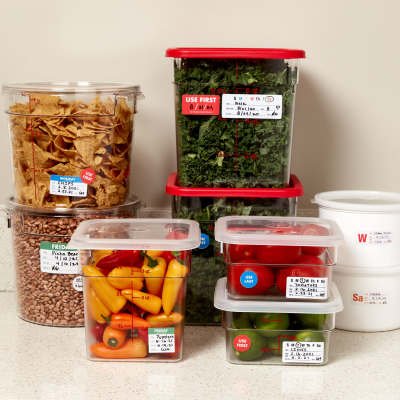
Have you ever opened a food container only to find the label smudged or missing? It’s frustrating, isn’t it?
Keeping your food container labels clear and intact can save you time, reduce waste, and keep your kitchen organized. But how do you make sure those labels stay readable through washing, handling, and everyday use? You’ll discover simple, effective tips to maintain your food container labels so they last longer and serve you better.
Keep reading to make your kitchen life easier and more efficient!
Choosing The Right Labels
Food container labels are important for organization. They help identify contents and keep track of dates.
Choosing the right labels ensures they stay in place and remain readable. Consider material, adhesive, and resistance features.
Material Options
Labels come in different materials. Each has unique benefits and uses.
Paper labels are cheap but may tear. Plastic labels are durable and last longer. Consider the environment where labels are used.
- Paper: Economical, suitable for dry environments
- Plastic: Durable, great for moist areas
- Vinyl: Flexible, resists tearing
Adhesive Strength
Adhesive strength affects how well labels stick. Some labels need strong adhesive for rough surfaces.
For reusable containers, a weaker adhesive might be better. It allows easy removal and replacement.
- Permanent: Long-lasting, for one-time use
- Removable: Temporary, easy to peel off
- Freezer-safe: Sticks in cold conditions
Waterproof And Heat-resistant Labels
Waterproof labels are essential for containers stored in wet places. They prevent smudging and fading.
Heat-resistant labels are useful for containers that are microwaved or heated. They ensure labels do not peel off or melt.
| Waterproof | Withstands moisture, ideal for fridges |
| Heat-Resistant | Endures high temperatures, safe for microwaves |

Credit: www.amazon.com
Label Placement Tips
Placing labels on food containers correctly helps keep food safe and organized. Good label placement makes it easy to read and lasts longer.
Follow simple steps to place your labels so they stay clear and stick well.
Clean Surface Preparation
Clean the container surface before applying a label. Dirt and grease stop labels from sticking well.
Use a cloth with soap and water to wipe the area. Dry it completely before placing the label.
Avoiding Moisture Exposure
Keep labels away from wet or damp spots. Moisture makes labels peel off quickly.
Apply labels on dry containers and avoid placing them near condensation or water drops.
- Apply labels after containers cool down
- Use moisture-resistant labels if needed
- Store containers in dry places
Optimal Label Positioning
Place labels where they are easy to see and read. Avoid curves or edges on the container.
Flat surfaces work best. Put labels on the front or top of containers for quick identification.
- Choose flat, smooth areas
- Place labels at eye level if possible
- Keep labels away from lids that open
Writing On Labels
Food container labels help keep your kitchen organized. Writing on labels clearly shows what is inside and when it was stored.
Good label writing helps reduce waste and keeps food fresh longer. It makes meal prep and storage easier.
Best Pens And Markers
Choose pens or markers that write well on different label surfaces. Some pens dry fast and do not smudge.
Permanent markers work well on plastic and paper labels. Fine-tip pens help write small details clearly.
- Permanent markers resist water and smudging
- Fine-tip pens allow neat, small writing
- Dry-erase markers work for reusable labels
- Oil-based pens write smoothly on plastic surfaces
Clear And Legible Writing
Write labels in simple, clear letters. Avoid cursive or fancy fonts that are hard to read.
Use block letters and keep the text large enough to see easily. Write important info like date and contents.
- Use uppercase or clear lowercase letters
- Write short words to save space
- Leave enough space between words
- Check for spelling mistakes before writing
Using Printed Labels
Printed labels give a clean and professional look. You can print many labels at once with a label maker or printer.
Choose waterproof label paper to keep labels readable. Printed labels are easy to read and reduce handwriting errors.
- Use a label printer or computer software
- Choose waterproof or durable label paper
- Print clear fonts in a readable size
- Include important info like date and contents
Cleaning Containers With Labels
Food containers with labels need careful cleaning. Good cleaning keeps labels clear and readable.
Cleaning methods affect how long labels last. Use gentle techniques to protect labels from damage.
Hand Washing Techniques
Wash containers with labels by hand using mild soap. Use a soft sponge to avoid scrubbing off labels.
Rinse well with warm water. Dry containers gently with a soft cloth or air dry.
Avoiding Harsh Chemicals
Do not use strong chemicals or abrasive cleaners on labeled containers. These can fade or peel labels.
Choose gentle, natural cleaning products. Avoid bleach, ammonia, or rough scrubbing pads.
Dishwasher Safety
Check if containers and labels are dishwasher safe. High heat and strong water jets can damage labels.
Place labeled containers on the top rack. Use a gentle or eco-friendly dishwasher cycle if possible.
Replacing And Updating Labels
Food container labels help keep your kitchen organized and safe. Over time, labels may fade or get dirty.
Replacing and updating labels ensures you always know what is inside each container. This helps prevent food waste.
Easy Removal Methods
Removing old labels without leaving sticky residue can be tricky. Try gentle ways to peel them off cleanly.
Use warm water or oils to help loosen the adhesive. Avoid harsh scrubbing to protect the container surface.
- Soak the container in warm soapy water for 10 minutes
- Rub a small amount of cooking oil on the label to soften glue
- Use a plastic scraper or your fingernail to lift the edges
- Wipe off leftover residue with a cloth or rubbing alcohol
Reapplying New Labels
Choose clean, dry surfaces before sticking on new labels. This helps them stay in place longer.
Write clearly with a marker or print labels to avoid smudges. Make sure labels fit the container size.
- Dry the container surface completely
- Peel the backing off the new label carefully
- Press the label firmly from one side to the other
- Allow the label to set for a few minutes before use
Keeping Labels Current
Update labels regularly to reflect what is inside the container. This saves time and prevents confusion.
Write dates on labels to track freshness. Remove or replace labels if food changes or is used up.
- Check labels weekly for accuracy
- Remove old labels before adding new contents
- Use reusable labels or dry-erase tags for frequent updates
- Keep a marker nearby for quick label changes

Credit: www.amazon.ca
Storage Tips For Label Longevity
Food container labels help identify contents and expiration dates. Keeping labels clear and readable saves time and reduces waste.
Good storage habits protect labels from damage and fading. This guide shares tips to keep your food labels lasting longer.
Temperature Considerations
Heat can cause labels to peel or fade quickly. Avoid storing containers near heat sources like ovens or heaters.
Cold temperatures, like in freezers, can also affect labels. Use freezer-safe labels or cover labels with clear tape to protect them.
- Keep containers away from direct heat
- Use labels made for freezer use if needed
- Cover labels with plastic tape in cold storage
Avoiding Direct Sunlight
Sunlight causes labels to fade and lose their print. Store food containers in shaded or dark places to keep labels clear.
UV rays break down ink and glue on labels. Avoid windowsills or open shelves exposed to sunlight for long periods.
- Store containers inside cabinets or drawers
- Use opaque containers to block light
- Replace faded labels promptly
Proper Container Handling
Rough handling can tear or smudge labels. Handle containers gently and avoid rubbing the label area.
Clean containers carefully without scrubbing labels. Use soft cloths and avoid soaking labeled areas in water.
- Hold containers by the body, not the label
- Wipe around labels gently with a damp cloth
- Do not use harsh chemicals on labels

Credit: www.avery.com
Frequently Asked Questions
How Often Should I Update Food Container Labels?
Update labels whenever you change the contents or after cleaning. Regular updates prevent confusion and ensure food safety. Avoid using old labels with incorrect information.
What Materials Work Best For Food Container Labels?
Use waterproof, oil-resistant, and tear-proof labels. Laminated paper or plastic labels last longer. Permanent markers or printed labels are ideal for durability.
How Can I Keep Labels Readable After Washing?
Use waterproof labels or cover handwritten labels with clear tape. Avoid scrubbing the label area during washing. Hand washing is gentler and preserves labels better.
Are There Specific Tips For Labeling Frozen Food Containers?
Include the date and contents clearly on the label. Use freezer-safe labels or markers designed for cold storage. Ensure labels adhere well to avoid peeling in the freezer.
Conclusion
Maintaining food container labels keeps your kitchen organized and safe. Clean labels help you know what is inside each container. Replace worn or faded labels to avoid confusion. Use waterproof markers or sturdy stickers for long-lasting labels. Keep labels dry and avoid scrubbing them hard.
Clear labels save time and reduce food waste. Simple steps make your containers easy to identify. Consistent labeling creates a neat and efficient kitchen space. Small efforts lead to big benefits in food storage. Keep your labels clear, and your food fresh.