
You want your kitchen tools to last longer and stay clean, right? Especially when it comes to eco-friendly dish brushes, proper care makes all the difference.
If you’re wondering how to keep your brush fresh, free from bacteria, and working perfectly, you’re in the right place. By following a few simple steps, you can save money, reduce waste, and protect your health. Ready to learn how to maintain your eco-friendly dish brush the smart way?
Keep reading—you won’t want to miss these easy tips.
Choosing The Right Eco-friendly Brush
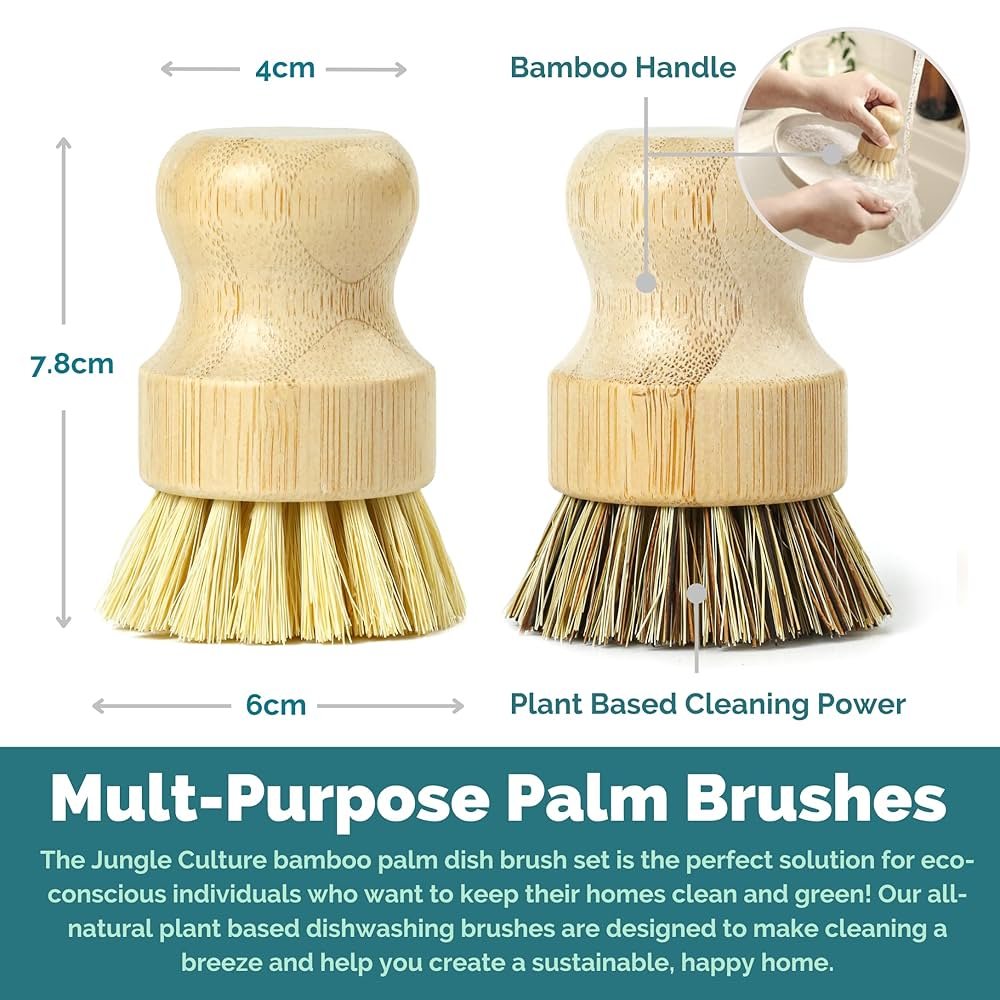
Eco-friendly dish brushes help reduce plastic waste. They are better for the environment and your home. Choose the right one to make a lasting impact.
Consider the materials and types available. They affect durability and usability. A good choice lasts long and cleans well.
Materials That Last
Durable materials make a brush more eco-friendly. They last longer and perform better. Natural options are often the best choice.
- Bamboo handles are strong and biodegradable
- Sisal or coconut fibers are tough and renewable
- Wood pulp or loofah sponges break down easily
Brush Types And Uses
Different brushes suit different tasks. Choose a brush type based on your dishwashing needs. This ensures efficient cleaning.
- Scrub brushes are good for tough stains
- Soft bristle brushes work well on delicate items
- Long-handled brushes reach deep pots
Daily Cleaning Practices
Eco-friendly dish brushes need regular care to last longer. Cleaning them daily keeps them free from germs and buildup.
Simple cleaning habits help maintain the brush’s natural materials and avoid damage.
Rinsing Techniques
Rinse your eco-friendly dish brush under warm water after each use. This removes leftover food and soap.
Use your fingers to gently separate the bristles. This helps wash away trapped particles inside the brush.
- Hold the brush under running warm water
- Move the bristles to release trapped food
- Rinse until water runs clear
- Shake off extra water after rinsing
Proper Drying Methods
Dry your dish brush well to stop mold and mildew growth. Moisture can damage natural fibers.
Store the brush in a place with good air flow. Hang it or place it bristles down to drain water.
- Shake off excess water after rinsing
- Hang the brush by its handle if possible
- Keep it in a dry, well-ventilated area
- Avoid closed containers where moisture stays
Deep Cleaning Methods
Eco-friendly dish brushes need regular deep cleaning to stay fresh and last longer. Dirt and bacteria can build up in the bristles over time.
Cleaning them well helps keep your kitchen safe and your brush working well. Here are some good ways to deep clean your brush.
Using Natural Cleaning Agents
Natural cleaning agents are safe and eco-friendly. They help remove grease and kill germs without harsh chemicals.
Common natural agents include vinegar, baking soda, and lemon juice. These can clean and refresh your dish brush effectively.
- Vinegar breaks down grease and kills bacteria
- Baking soda removes odors and loosens dirt
- Lemon juice acts as a natural disinfectant and freshener
Soaking For Thorough Cleaning
Soaking your eco-friendly brush helps clean deep inside the bristles. It loosens stuck-on food and kills germs.
Use warm water mixed with natural cleaners. Let the brush soak for at least 15 to 30 minutes for best results.
- Fill a bowl with warm water
- Add vinegar or baking soda
- Place brush bristles down in the solution
- Let it soak for 15-30 minutes
- Rinse thoroughly with clean water
- Air dry in a well-ventilated spot

Credit: www.amazon.co.uk
Storage Tips For Longevity
Eco-friendly dish brushes last longer when stored properly. Good storage keeps them clean and dry.
Proper care helps reduce waste and saves money. Follow simple tips to maintain your brushes well.
Avoiding Moisture Build-up
Moisture causes dish brushes to grow mold and smell bad. It also weakens the brush bristles.
Always dry your brush fully before storing it. Avoid leaving it in water or damp places.
- Shake off extra water after use
- Air dry the brush bristles downward
- Use a well-ventilated area to dry brushes
- Clean brushes regularly to prevent buildup
Choosing The Best Storage Spot
Pick a dry and clean place to store your dish brush. Avoid spots near the sink or stove.
Store the brush where air flows easily. This helps keep it fresh and dry for longer use.
- Use hooks or holders that keep the brush upright
- Keep brushes away from direct sunlight
- Choose spots with good air circulation
- Store brushes separately to avoid contamination
When To Replace Your Brush
Eco-friendly dish brushes are good for the environment. They also clean your dishes well. But they do not last forever. You need to know when to replace your brush.
Replacing your brush at the right time keeps your kitchen clean. It also helps avoid germs and bad smells. Learn how to spot the signs and how to dispose of old brushes safely.
Signs Of Wear And Tear
Look closely at your brush to see if it is worn out. Worn brushes do not clean well. They can also grow bacteria. Here are some signs to watch for.
- Bristles are bent, broken, or missing
- Brush smells bad even after washing
- Handle is cracked or damaged
- Brush feels rough or stiff
- Brush leaves residue on dishes
If you see any of these signs, it is time to replace your brush. Using a worn brush can spread germs instead of cleaning.
Eco-friendly Disposal Options
Throwing away old brushes can harm the environment. Many eco-friendly brushes are made of natural materials. You can recycle or compost them safely.
Check the material of your brush before disposal. Here are some green ways to get rid of old dish brushes.
- Compost wooden handles and natural fiber bristles
- Recycle plastic parts if your local center accepts them
- Use old brushes for cleaning shoes or outdoor tools
- Donate brushes if they are still usable

Credit: www.bambuhome.com

Credit: thecrownedgoat.com
Frequently Asked Questions
How Often Should I Clean Eco-friendly Dish Brushes?
Clean your eco-friendly dish brush weekly to prevent bacteria buildup. Rinse thoroughly after each use and let it air dry. Deep clean monthly with vinegar or baking soda for best results.
What’s The Best Way To Dry Eco-friendly Dish Brushes?
Air drying is ideal for eco-friendly dish brushes. Store the brush upright in a well-ventilated area. Avoid leaving it in a damp sink to prevent mold and odors.
Can I Use Vinegar To Clean Eco-friendly Dish Brushes?
Yes, vinegar is excellent for cleaning eco-friendly dish brushes. Soak the brush in white vinegar for 15-20 minutes. It naturally disinfects and removes odors without harming the brush materials.
How Do I Prevent Mold On Eco-friendly Dish Brushes?
Prevent mold by rinsing the brush well and shaking off excess water. Store it in a dry, airy spot. Regular cleaning and drying reduce mold and prolong brush life.
Conclusion
Keeping your eco-friendly dish brush clean helps it last longer. Rinse it well after each use to remove food bits. Let it dry in a sunny, airy spot to stop mold. Replace the brush head when it looks worn or smells bad.
Simple care saves money and helps the environment. Small steps like these make a big difference every day. Your kitchen stays fresh, and the planet thanks you. Easy habits keep your brush ready for many washes ahead.