
Are you using compostable food trays and want to make sure they last as long as possible? Keeping your trays in good shape isn’t just about saving money—it helps you reduce waste and protect the environment too.
But how do you clean and store them without causing damage? You’ll discover simple, effective tips to maintain your compostable food trays so they stay strong and ready for every meal. Stick with me, and you’ll learn easy steps that anyone can follow to get the most out of your eco-friendly trays.
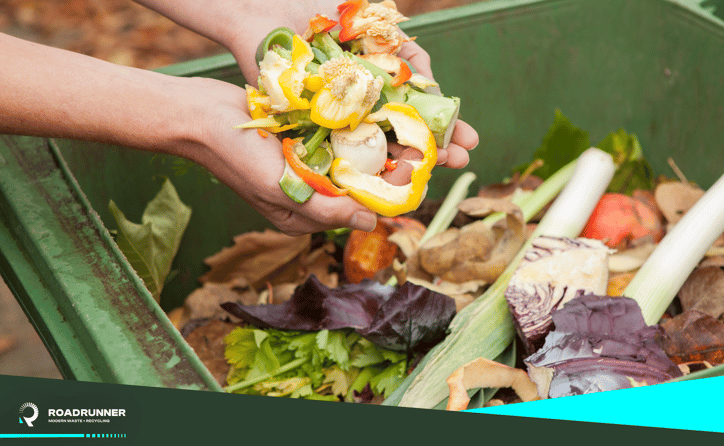
Credit: www.roadrunnerwm.com
Choosing The Right Compostable Tray
Compostable food trays are eco-friendly. They break down naturally and help the environment. Choosing the right tray is important for effective composting.
Consider the materials and sizes of the trays to ensure they meet your needs and compost efficiently.
Materials That Break Down Easily
Compostable trays are made from materials that decompose quickly. Look for trays made from plant-based fibers or recycled paper.
These materials turn into compost in a short time, which is good for soil health.
- Sugarcane fiber trays
- Recycled paper trays
- Cornstarch trays
Tray Sizes And Uses
Compostable trays come in various sizes. Small trays are great for snacks and individual meals.
Larger trays are suitable for family meals or catering events. Choose the size that fits your serving needs.
| Small Trays | Snacks, Small Meals |
| Medium Trays | Lunches, Dinners |
| Large Trays | Catering, Family Meals |
Storing Compostable Trays Properly
Storing compostable food trays the right way keeps them in good shape. Proper storage helps trays last longer and stay useful.
Good storage also stops trays from getting damaged or dirty before use. This makes sure they work well for your needs.
Avoiding Moisture And Heat
Keep compostable trays away from moisture to stop them from getting soggy or weak. Moisture can ruin the trays fast.
Store trays in a cool, dry place. Avoid heat, which can cause trays to warp or lose strength.
- Use sealed containers or boxes to protect trays from water.
- Do not store trays near heaters or direct sunlight.
- Keep trays on shelves above ground level to avoid damp floors.
Keeping Trays Clean Before Use
Make sure trays are clean before using them for food. Dust or dirt can make trays unsafe and reduce their quality.
Store trays in a clean area where they will not get dirty or contaminated. This keeps them ready for use anytime.
- Cover trays with clean cloth or plastic wrap.
- Handle trays with clean hands or gloves.
- Check trays for dirt before use and wipe if needed.
Cleaning Tips For Reusable Compostable Trays
Reusable compostable trays need proper care to last longer. Cleaning them gently keeps their shape and strength.
Using the right cleaning methods protects the trays from damage. It also helps keep them safe for food use.
Gentle Washing Methods
Wash trays with warm water and mild soap. Use a soft sponge or cloth to avoid scratches.
Rinse trays fully to remove all soap. Let them air dry or pat dry with a soft towel.
- Use lukewarm water, not hot
- Choose mild, non-abrasive soap
- Clean with soft sponge or cloth
- Dry trays naturally or with a soft towel
Avoiding Harsh Chemicals
Do not use bleach or strong detergents on trays. These chemicals can break down compostable materials.
Avoid solvents and abrasive cleaners. They can make trays weak and less safe for food.
- No bleach or chlorine products
- Avoid ammonia and harsh detergents
- Skip abrasive powders or scrubs
- Use natural or eco-friendly cleaners
Handling Trays To Prevent Damage
Compostable food trays are eco-friendly and need careful handling. Proper care helps keep trays strong and usable.
Damaged trays can cause spills and waste. Learn how to handle trays to avoid breakage and maintain their quality.
Proper Stacking Techniques
Stack trays evenly to avoid bending or crushing. Keep stacks at a safe height to prevent top trays from falling.
Place heavier trays at the bottom and lighter ones on top. This helps keep the stack stable and prevents damage.
- Align trays properly without gaps
- Do not overload stacks beyond tray strength
- Use flat surfaces for stacking
- Leave space for air circulation
Transport And Usage Best Practices
Handle trays gently during transport to avoid cracks. Use trays within their weight limits to keep them intact.
Keep trays dry before use. Wet trays can weaken and break easily during handling.
- Carry trays with both hands for support
- Use boxes or containers to protect trays in transport
- Avoid sharp impacts or drops
- Store trays in a cool, dry place
Disposal Methods For Compostable Trays
Compostable food trays break down naturally and reduce waste. Proper disposal helps the trays return to the earth safely.
This guide explains how to dispose of compostable trays at home and in commercial settings.
Composting At Home
You can compost many compostable trays in your backyard compost bin. Make sure the trays are free from plastic or non-compostable coatings.
Break the trays into smaller pieces to help them decompose faster. Mix them with food scraps and yard waste.
- Check if trays have compostable certification
- Remove any food residue before composting
- Cut trays into small pieces for quicker breakdown
- Turn the compost regularly to add air
- Keep the compost moist but not too wet
Commercial Composting Options
Commercial composting facilities handle larger amounts of compostable trays. They use high heat and controlled conditions to break down the materials quickly.
Not all compostable trays are accepted by every facility. Check local rules before sending trays to commercial composting.
- Look for local commercial composting programs
- Confirm the facility accepts compostable trays
- Keep trays free of non-compostable contamination
- Drop off trays at designated collection points
- Follow facility guidelines for sorting and preparation
Extending Tray Lifespan
Compostable food trays need care to last longer. Proper maintenance helps reduce waste and saves money.
Simple habits can keep trays strong and usable for more meals. Let’s look at key ways to extend their life.
Regular Inspection
Check your trays often for cracks, stains, or weak spots. Early detection stops small issues from getting worse.
Look at trays before and after use to catch damage quickly. This helps keep trays safe and clean for food.
- Inspect edges and corners for tears
- Look for water damage or soft spots
- Check for discoloration or stains
- Remove trays with serious damage
Repairing Minor Damages
Fix small tears or cracks right away. Repairing stops damage from spreading and extends tray use.
Use natural adhesives safe for compostable materials. Avoid harsh chemicals that harm the tray or environment.
- Clean damaged area gently before repair
- Apply food-safe glue to cracks or holes
- Press edges together until glue dries
- Test tray strength before reuse
Environmental Benefits Of Maintaining Trays
Compostable food trays help reduce pollution and save resources. Keeping these trays clean and well-maintained makes them last longer.
Proper care of trays supports the environment by lowering waste and encouraging green habits.
Reducing Waste
Maintaining compostable trays means fewer trays get thrown away. This cuts down on landfill waste and pollution.
When trays are kept clean, they can break down faster in compost systems. This helps return nutrients to the soil.
- Less trash in landfills
- Faster composting process
- Reduced pollution from waste
Supporting Sustainable Practices
Taking care of trays supports eco-friendly habits in homes and businesses. It shows respect for natural resources.
Using and maintaining these trays helps reduce reliance on plastic and other harmful materials.
- Promotes use of renewable materials
- Encourages responsible product use
- Supports circular economy goals

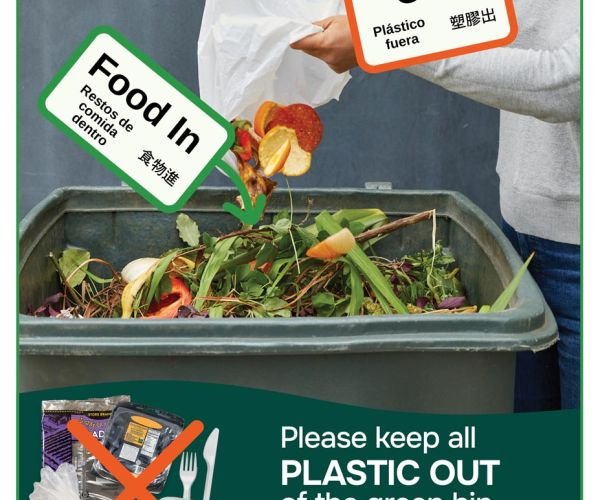
Credit: berkeleyca.gov
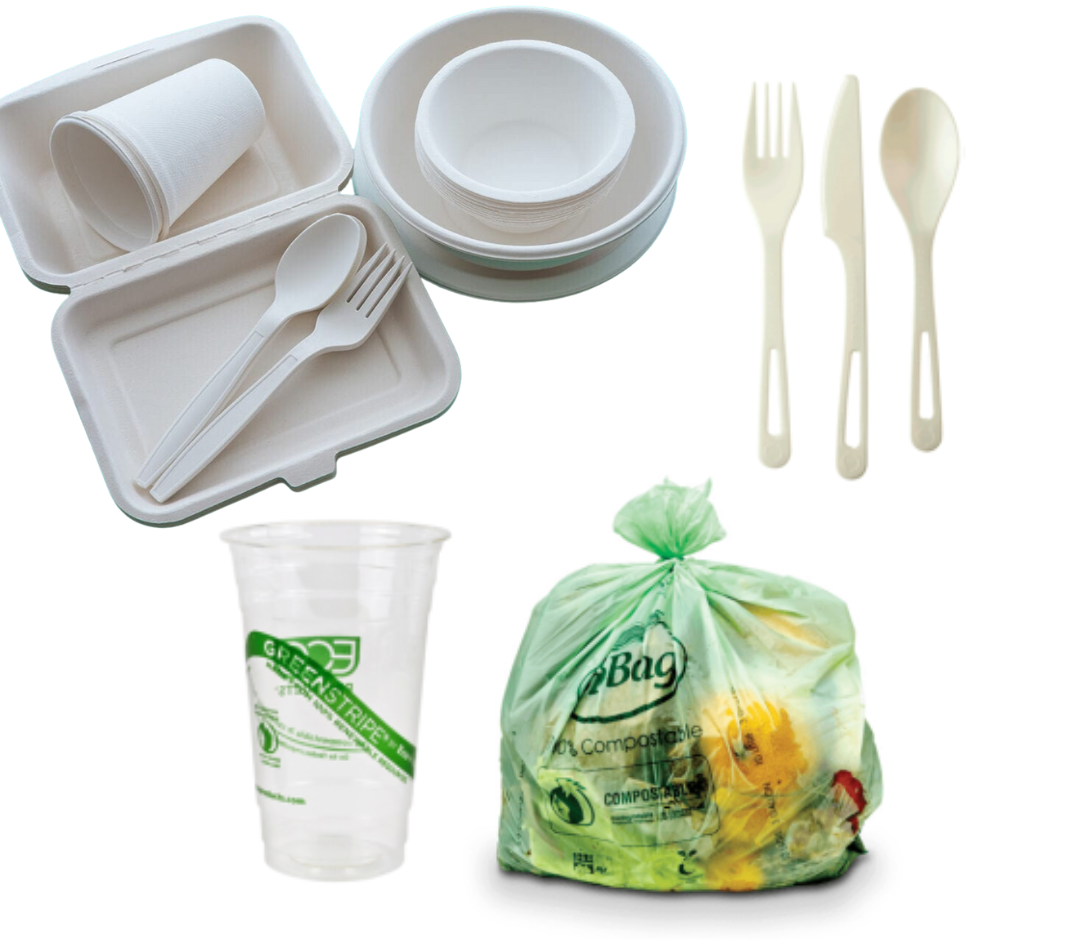
Credit: www.keeptruckeegreen.org
Frequently Asked Questions
What Is The Best Way To Clean Compostable Food Trays?
Clean trays with warm water and mild soap immediately after use. Avoid harsh chemicals to prevent damage. Air dry thoroughly before storing to maintain tray integrity and compostability.
How Should Compostable Trays Be Stored Properly?
Store trays in a dry, cool place away from direct sunlight. Stack trays flat to avoid warping. Keep them away from moisture to prevent mold and extend usability.
Can Compostable Trays Be Reused Safely?
Yes, compostable trays can be reused if cleaned gently and not damaged. Limit reuse to a few times to maintain hygiene and tray strength. Always check for cracks or stains before reuse.
How Do You Compost Food Trays Correctly?
Remove any food residue before composting. Place trays in a commercial compost bin or home compost pile with other organic waste. Ensure trays are certified compostable for proper breakdown.
Conclusion
Maintaining compostable food trays keeps them effective and eco-friendly. Clean trays after each use to avoid bad smells and pests. Store trays in a dry, cool place to stop damage. Avoid mixing trays with regular trash to help composting work well.
Small efforts make a big difference for the environment. Use trays wisely and care for them often. This way, you support a greener, cleaner planet every day. Simple steps lead to lasting benefits for your home and the earth.