
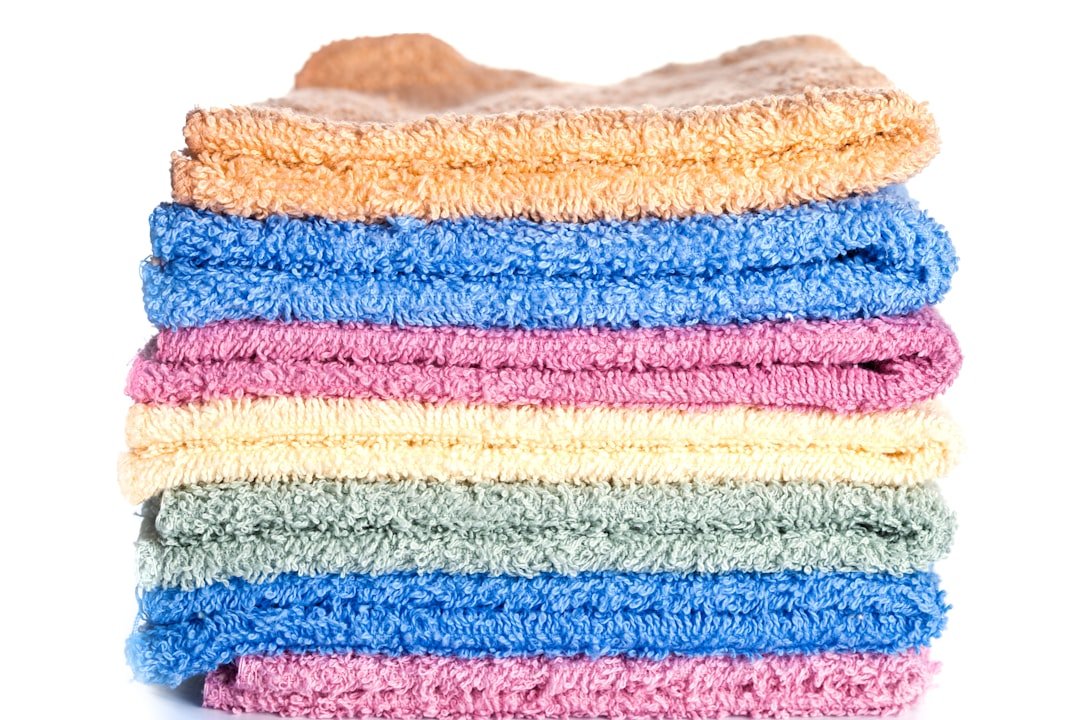
Your kitchen towels work hard every day, soaking up spills, drying dishes, and wiping surfaces. But when was the last time you thought about how clean they really are?
Dirty towels can harbor germs and odors that affect your kitchen’s hygiene. If you want your towels to stay fresh, last longer, and keep your kitchen safe, you need the right cleaning routine. You’ll discover simple, effective tips to maintain clean kitchen towels effortlessly.
Keep reading to learn how small changes can make a big difference for your kitchen’s cleanliness and your family’s health.
Credit: www.carawayhome.com
Choosing The Right Towels
Kitchen towels help keep your kitchen clean and dry. Picking the right towels makes cleaning easier and faster.
Good towels last longer and stay fresh after many washes. Learn how to choose towels that fit your kitchen needs.
Material Matters
Kitchen towels come in many materials. Cotton is soft and absorbs water well. Linen dries fast and feels smooth.
Microfiber towels dry quickly and clean surfaces without streaks. Choose a material that fits your cleaning style.
- Cotton: Absorbs water, gentle on hands
- Linen: Dries fast, strong fibers
- Microfiber: Cleans streak-free, quick drying
Size And Thickness
Size matters for kitchen towels. Larger towels cover more space but take longer to dry. Smaller towels dry fast and are easy to handle.
Thickness affects absorbency and drying time. Thick towels soak up lots of water but dry slowly. Thin towels dry quickly but hold less water.
- Large towels: Good for big spills
- Small towels: Easy to carry and dry
- Thick towels: Highly absorbent, slow drying
- Thin towels: Less absorbent, quick drying
Color And Patterns
Colors and patterns help hide stains and add style to your kitchen. Dark colors hide dirt better than light colors.
Patterns can make towels look cleaner longer. Choose colors that match your kitchen decor for a neat look.
- Dark colors: Hide stains well
- Light colors: Show dirt quickly
- Patterns: Mask small stains and wear
- Match kitchen colors for style
:max_bytes(150000):strip_icc()/GettyImages-1254788325-ceba4375f5354f2490efd95b566a3b03.jpg)
Credit: www.thespruce.com
Daily Care Habits
Keeping kitchen towels clean is important for hygiene. Simple habits can make a big difference.
Follow these daily care practices to ensure your kitchen towels stay fresh and germ-free.
Proper Drying Techniques
Damp towels can breed bacteria. Always hang them to dry after use.
Use a towel rack or hook to ensure good air circulation. Avoid leaving them in a heap.
- Spread towels fully open when drying
- Use a sunny spot for faster drying
- Avoid placing them on wet surfaces
Avoiding Cross-contamination
Use separate towels for different tasks. This keeps germs from spreading.
Do not use the same towel for dishes and hands. Mark towels for different uses.
- Color-code towels for each task
- Wash towels regularly to kill germs
- Store clean towels separately from used ones
Regular Replacement
Old towels can harbor bacteria. Replace them when they show signs of wear.
Check towels for stains and frays. New towels are more absorbent and hygienic.
- Replace towels every few months
- Keep a stock of fresh towels handy
- Donate old towels to animal shelters
Washing Tips For Freshness
Kitchen towels get dirty fast. They hold food stains and bacteria. Washing them well keeps your kitchen clean.
Use good washing habits to keep towels fresh. Clean towels dry faster and stay soft.
Sorting Towels
Sort towels before washing. Keep white towels separate from colored ones. This stops colors from mixing.
Also, separate very dirty towels from lightly used ones. This helps clean them better.
- Sort by color: whites and colors
- Sort by dirt level: heavy and light stains
- Wash new towels separately at first
Choosing Detergents
Pick detergents that remove grease and stains well. Strong detergents clean kitchen towels better.
Avoid fabric softeners. They reduce towel absorbency and leave residues.
- Use a heavy-duty detergent for tough stains
- Choose fragrance-free options for sensitive skin
- Skip fabric softeners to keep towels absorbent
Optimal Water Temperature
Wash towels in warm or hot water. Hot water kills germs and removes dirt better than cold water.
Check towel care labels. Some towels need warm water only. Use hot water for cotton towels if safe.
- Use hot water (130°F or 54°C) for cotton towels
- Use warm water if towels are delicate
- Avoid cold water for greasy stains

Credit: www.amazon.com
Removing Stains And Odors
Kitchen towels get dirty fast. They absorb spills, stains, and smells. Keeping them clean helps your kitchen stay fresh.
Use the right ways to remove stains and odors. This keeps towels looking good and smelling nice.
Natural Remedies
Natural ingredients can clean stains and odors well. They are safe and easy to find at home.
- Use baking soda to scrub stains before washing.
- Soak towels in vinegar and water for 30 minutes.
- Rub lemon juice on stains to brighten fabric.
- Sun-dry towels to kill bacteria and remove smells.
Commercial Stain Removers
Store-bought stain removers work well on tough stains. They often have special ingredients to break down grease and food spots.
Follow the instructions on the label. Test on a small towel area first to avoid damage.
- Spray or apply remover directly on the stain.
- Let it sit for 5 to 10 minutes before washing.
- Use with warm water for better results.
- Avoid using bleach on colored towels.
Dealing With Persistent Smells
Some smells stay even after washing. These odors come from bacteria and food oils.
Try these tips to remove strong odors from kitchen towels.
- Soak towels in hot water with baking soda for one hour.
- Add white vinegar to the rinse cycle to neutralize smells.
- Use oxygen-based bleach safely to kill odor-causing germs.
- Make sure towels dry completely before storing.
Storage And Organization
Keeping kitchen towels clean starts with good storage and organization. Proper care helps towels dry well and stay fresh.
Organizing towels the right way stops smells and keeps them ready for use anytime.
Airflow And Dry Storage
Store kitchen towels where air can flow freely. This helps towels dry and prevents dampness.
A dry place stops germs and mildew from growing on your towels. Avoid closed or wet spaces.
- Use open shelves or baskets
- Keep towels away from sinks and stoves
- Make sure storage spots have good air circulation
Folding Vs Hanging
Folding towels saves space but can trap moisture inside. Make sure towels are fully dry before folding.
Hanging towels lets air reach all sides, so they dry faster. Hang towels on hooks or bars after use.
- Fold dry towels for neat storage
- Hang damp towels to dry quickly
- Use hooks or towel bars for hanging
Rotating Towels
Use towels evenly by rotating them often. This stops some towels from wearing out fast.
Keep a system to cycle towels in and out of use. Wash towels regularly to keep them fresh.
- Store clean towels in a stack
- Use the top towel first
- Wash towels after 3-4 uses
When To Replace Kitchen Towels
Kitchen towels get dirty and worn out over time. Knowing when to replace them helps keep your kitchen clean and safe.
Using old towels can spread germs and make your kitchen look untidy. Watch for signs that show it is time to get new ones.
Signs Of Wear And Tear
Look closely at your towels. If you see holes, frayed edges, or thin spots, it is time to replace them.
Colors that fade or stains that do not wash out also mean the towels are too old to use.
- Holes and tears
- Frayed or loose threads
- Thin or worn fabric
- Faded colors
- Stains that stay after washing
Hygiene Concerns
Old towels can hold bacteria and germs. This can spread to your hands and kitchen surfaces.
If your towels smell bad after washing, they may have mold or mildew. Replace them to keep your kitchen healthy.
- Unpleasant odors after washing
- Visible mold or mildew spots
- Persistent stains from food or grease
- Used for too long without proper cleaning
Choosing New Towels
Pick towels made from absorbent materials like cotton. They dry quickly and clean well.
Choose towels with simple designs and colors that hide stains. This helps keep your kitchen neat.
- 100% cotton or linen fabric
- Good absorbency and quick drying
- Simple patterns or darker colors
- Durable and easy to wash
Frequently Asked Questions
How Often Should I Wash Kitchen Towels?
Wash kitchen towels after every 2-3 uses to prevent bacteria buildup. Frequent washing keeps towels fresh and hygienic. Use hot water for effective cleaning and to kill germs.
What Is The Best Detergent For Kitchen Towels?
Use a high-quality detergent with antibacterial properties. Avoid fabric softeners as they reduce absorbency. Choose detergents that remove grease and stains for optimal cleanliness.
Can I Use Bleach To Clean Kitchen Towels?
Yes, bleach can disinfect kitchen towels effectively. Use diluted bleach for white towels only. Avoid bleach on colored towels to prevent fading and damage.
How Should I Dry Kitchen Towels Properly?
Air dry towels in sunlight to kill bacteria naturally. If using a dryer, choose a high heat setting. Ensure towels are completely dry before storing to avoid mildew.
Conclusion
Clean kitchen towels keep your space fresh and safe. Wash them often to stop germs from spreading. Use warm water and good detergent for best results. Dry towels fully before using again. Store them in a dry place to avoid smells.
Regular care saves money and keeps your kitchen nice. Small steps make a big difference every day. Keep towels clean, and enjoy a healthier kitchen. Simple habits bring lasting freshness.