
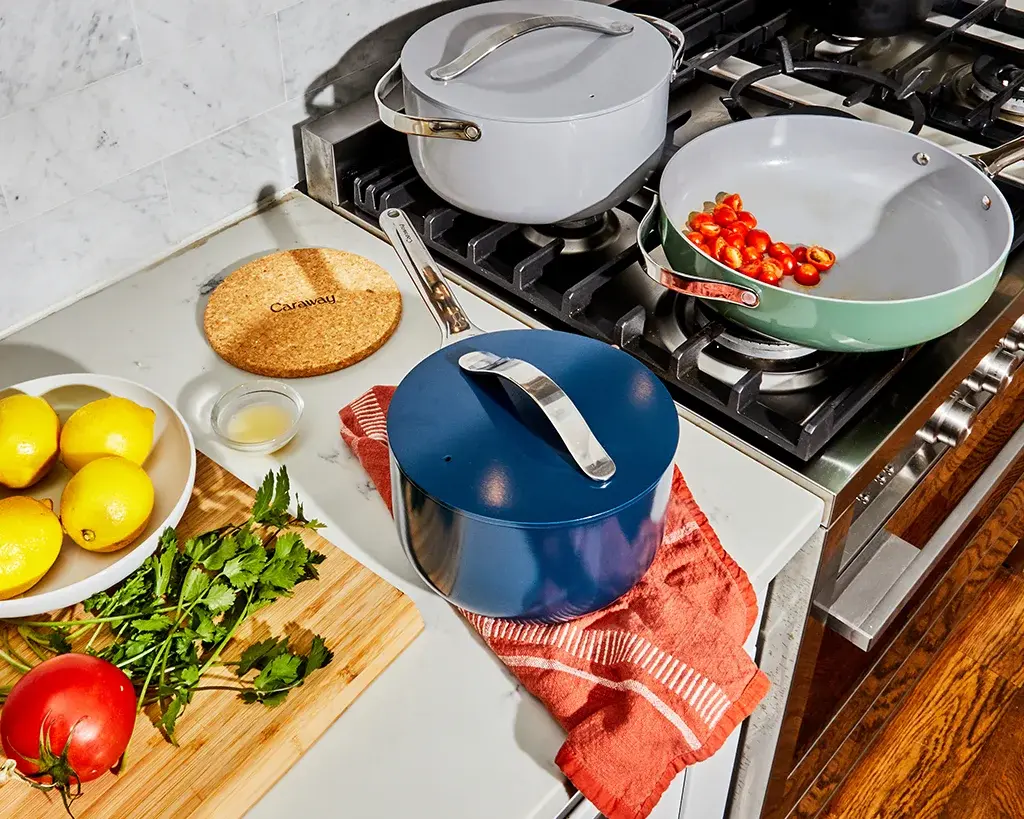
Your kitchen towels work hard every day, soaking up spills, drying dishes, and wiping surfaces. But have you ever stopped to think about how clean they really are?
Using dirty towels can spread germs and make your kitchen less hygienic. If you want to keep your kitchen safe and fresh, knowing how to maintain clean kitchen towels is a must. You’ll discover simple, effective tips that make your towels last longer and stay spotless.
Ready to transform your kitchen routine? Let’s dive in!
Choosing The Right Towels
Picking the right kitchen towels helps keep your kitchen clean. Good towels dry spills quickly and last a long time.
Choose towels that are easy to wash and stay fresh after many uses. This guide covers what to look for in towels.
Material Considerations
Material affects how well towels absorb water and resist stains. Cotton is soft and absorbs well.
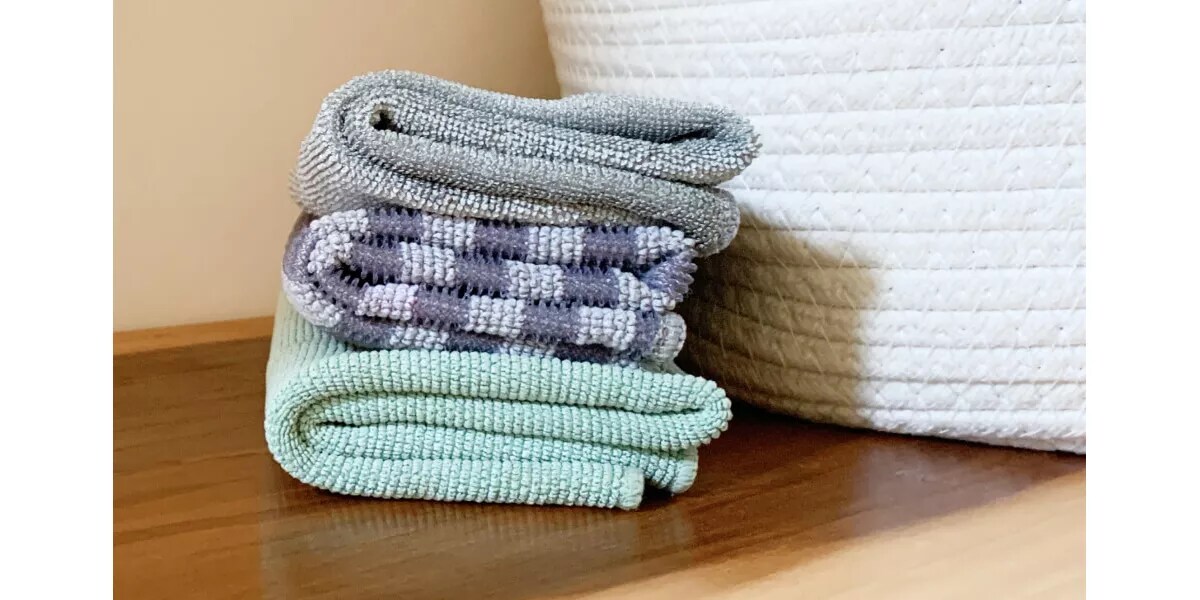
Linen dries fast and feels light but may be less absorbent. Microfiber cleans surfaces without leaving lint.
- Cotton: absorbent, durable, easy to clean
- Linen: dries quickly, lightweight, less absorbent
- Microfiber: lint-free, good for glass, less durable
Size And Thickness
Size matters for how you use towels. Larger towels cover more area but take longer to dry.
Thicker towels hold more water but need more washing time. Thin towels dry quickly but may need frequent rinsing.
- Large and thick towels: best for heavy spills
- Small and thin towels: good for quick drying
- Choose size and thickness to match your kitchen tasks
Proper Usage Practices
Keeping kitchen towels clean helps stop germs from spreading. Using towels the right way is key to a clean kitchen.
Follow simple rules to use towels safely and keep them fresh for longer.
Designated Towels For Different Tasks
Use different towels for different kitchen jobs. This keeps towels from getting dirty too fast.
Separate towels help avoid mixing germs from one task to another.
- Use one towel for drying hands only.
- Use another towel for wiping spills or counters.
- Have a towel just for drying dishes.
- Keep a special towel for cleaning raw meat areas.
Avoiding Cross-contamination
Cross-contamination happens when germs move from one surface to another. Towels can spread bacteria if not used right.
Stop cross-contamination by not sharing towels between raw food and cooked food tasks.
- Do not use the same towel for raw meat and vegetables.
- Wash towels often in hot water.
- Dry towels completely before using them again.
- Replace towels that smell bad or look dirty.
Effective Washing Techniques
Keeping kitchen towels clean helps stop bacteria from spreading. Washing them the right way keeps them fresh and safe.
Good washing techniques remove stains and smells. They also make towels last longer.
Ideal Water Temperature
Using the right water temperature cleans towels better. Hot water kills germs and removes oils well.
Warm water is good for regular cleaning. Cold water saves energy but may not clean deeply.
- Use hot water for heavy stains and germs
- Use warm water for everyday washing
- Use cold water for delicate fabrics or light dirt
Using The Right Detergents
Choose detergents that break down grease and food stains. Strong detergents help keep towels clean.
Avoid using too much detergent. It can leave residue and make towels stiff.
- Use liquid detergent for better stain removal
- Pick detergents with enzymes to fight stains
- Use a small amount to avoid buildup
Drying Methods
Keeping kitchen towels clean means drying them well after washing. Drying stops bacteria and smells from growing.
Choosing the right drying method helps towels last longer and stay fresh.
Air Drying Vs. Machine Drying
Air drying kitchen towels uses natural air to dry them. It saves energy and is gentle on fabric.
Machine drying is fast and removes moisture quickly. It can make towels soft but may wear fabric faster.
- Air drying is gentle and eco-friendly
- Machine drying is quick and softens towels
- Machine drying may shrink or damage towels over time
- Air drying prevents heat damage but takes longer
Proper Sun Exposure
Sunlight helps kill germs on kitchen towels. Dry towels outside for best results.
Do not leave towels too long in strong sun. It can fade colors and weaken fabric.
- Dry towels in the sun for at least a few hours
- Turn towels to expose all sides to sunlight
- Bring towels inside if sun is very hot
- Sun helps remove odors and bacteria
Storage Tips
Keeping kitchen towels clean starts with proper storage. Good storage stops towels from getting damp or dirty.
Organizing towels well also helps you find them fast. Store towels so they stay fresh and ready to use.
Preventing Moisture Retention
Moisture makes towels smell bad and grow bacteria. Always let towels dry fully before storing them.
Use open shelves or racks that allow air to flow around the towels. Avoid storing towels in closed, damp places.
- Hang towels in a dry spot after use
- Use breathable baskets or bins for storage
- Wash towels regularly to keep them fresh
Organizational Strategies
Sort towels by size and use. Keep dish towels separate from hand towels.
Stack towels neatly to save space. Label shelves or bins to make finding towels easier.
- Fold towels to keep them tidy
- Use drawer dividers for smaller towels
- Store extra towels in a dry, clean place
:max_bytes(150000):strip_icc()/alr-roundup-smarter-swap-non-scratch-dishcloths-tout-4778b6bed5ad455e84d12babb26db1f0.jpg)
Credit: www.allrecipes.com
Regular Replacement Guidelines
Keeping kitchen towels clean is important for hygiene. Regularly replacing them helps avoid germs and bad smells.
Knowing when to get new towels keeps your kitchen fresh and safe. Watch for signs that towels are worn out.
Signs It’s Time For New Towels
Look for holes, tears, or thin spots in your towels. These signs mean the fabric is worn out.
Strong odors that don’t go away after washing show bacteria buildup. Stains that won’t come out also mean it’s time to replace.
- Visible holes or tears
- Thin, worn fabric
- Persistent bad smells
- Stains that stay after washing
Frequency Of Replacement
Replace kitchen towels every few months. Towels used daily may need changing more often.
If you use towels only for light drying, they last longer. Heavy use means replace every 1 to 2 months.
- Daily use: replace every 1 to 2 months
- Light use: replace every 3 to 6 months
- Replace sooner if towels smell or look worn
Eco-friendly Practices
Keeping kitchen towels clean helps stop germs from spreading. Doing this in eco-friendly ways saves water and energy.
Simple changes can make your cleaning routine better for the planet. Use less harsh chemicals and wash smartly.
Sustainable Towel Options
Choose towels made from natural fibers like organic cotton or bamboo. These materials break down faster and need fewer chemicals.
Look for towels that are durable. Long-lasting towels reduce waste and save money over time.
- Organic cotton towels use less water and pesticides.
- Bamboo towels grow quickly and need fewer resources.
- Hemp towels are strong and resist bacteria naturally.
- Choose towels with eco-certifications for better quality.
Recycling Old Towels
Old towels can be reused instead of thrown away. Cut them into rags for cleaning or crafts.
Donate towels if they are still in good shape. Animal shelters often need them for bedding.
- Use old towels for dusting or wiping spills.
- Turn worn towels into reusable mop covers.
- Share old towels with local shelters or farms.
- Recycle fabric scraps in textile recycling programs.

Credit: www.carawayhome.com
Credit: www.maytag.com
Frequently Asked Questions
How Often Should I Wash Kitchen Towels?
Wash kitchen towels after every 2-3 uses to prevent bacteria buildup. Frequent washing keeps them fresh and hygienic. Use hot water for effective cleaning and odor removal.
What Is The Best Detergent For Kitchen Towels?
Use a mild detergent with antibacterial properties for kitchen towels. Avoid fabric softeners as they reduce absorbency. Choose eco-friendly detergents to protect your skin and the environment.
Can I Use Bleach On Kitchen Towels?
Yes, bleach can disinfect kitchen towels but use it sparingly. Overuse may weaken fabric fibers and cause discoloration. Always follow care label instructions and dilute bleach properly.
How Do I Remove Stains From Kitchen Towels?
Treat stains immediately with a stain remover or baking soda paste. Soak towels in warm water before washing. Repeat if necessary to ensure complete stain removal.
Conclusion
Keeping kitchen towels clean helps stop germs and smells. Wash them often in hot water with good detergent. Dry towels fully before using again to avoid dampness. Use separate towels for hands and dishes to stay hygienic. Small steps make your kitchen safer and fresher every day.
Clean towels show care for your home and health. Simple habits keep your kitchen neat and inviting.