
You’ve just finished preparing a delicious meal, but what about your cutting board? If you’ve used it for meat, cleaning it properly is not just about hygiene—it’s about keeping your kitchen safe and your food tasty.
You might think rinsing with water is enough, but harmful bacteria can hide in tiny grooves, putting your health at risk. You’ll discover simple, effective ways to maintain clean cutting boards after meat use. By following these easy steps, you’ll protect your family and make your kitchen a safer place.
Keep reading to learn how to keep your cutting boards spotless and bacteria-free every time.

Credit: homewithgraceandjoy.com
Choosing The Right Cutting Board
Maintaining clean cutting boards is essential after using them for meat. Choosing the right cutting board helps in keeping them hygienic. Here, we will explore the factors to consider.
Wood Vs Plastic Boards
Wood and plastic are common choices for cutting boards. Each has its pros and cons. Understanding these can help you decide which is better for your kitchen.
- Wood boards are more gentle on knives.
- Plastic boards are easier to sanitize in a dishwasher.
- Wood may absorb meat juices if not sealed properly.
- Plastic can show deep cuts over time.
Board Size And Thickness
The size and thickness of your cutting board affect its usability. A larger board provides more space, which is helpful for handling larger cuts of meat.
- Thicker boards are more stable during cutting.
- Large boards can be challenging to clean in small sinks.
- Small boards are convenient for quick tasks.
Boards With Antimicrobial Properties
Some cutting boards come with antimicrobial properties. These boards can reduce the growth of bacteria, making them a safer choice for meat preparation.
Look for boards treated with natural antimicrobial agents or those made from materials with inherent antibacterial properties.
- Reduces risk of cross-contamination.
- Maintains hygiene with less effort.
- Ideal for frequent meat handling.
Immediate Cleaning Steps
Cleaning your cutting board right after using it with meat is very important. It helps stop bacteria from growing.
Following a few simple steps keeps your board safe and ready for the next use.
Removing Meat Residue
Start by scraping off all meat pieces from the board. Use a plastic scraper or a spatula to avoid damage.
Make sure no meat bits remain on the surface before moving on to washing.
Rinsing With Hot Water
Rinse the board with hot water to help remove fat and juices. Hot water kills many germs on contact.
Use running water for best results and avoid soaking the board for too long.
Avoiding Cross-contamination
Use separate boards for meat and other foods like vegetables. This stops bacteria from spreading.
Clean and dry the board well before using it for different food types to keep your kitchen safe.
Deep Cleaning Techniques
Cutting boards can hold bacteria after cutting meat. Deep cleaning helps keep them safe and clean. This guide shows how to clean cutting boards well.
Using strong cleaning methods removes germs and smells from your boards. Follow these steps to keep your kitchen healthy.
Using Soap And Scrubbing
Start with warm water and dish soap. Scrub the cutting board with a brush or sponge. Focus on knife grooves where bacteria hide.
Rinse well to remove all soap. Dry the board completely before storing it. This helps stop bacteria growth.
Sanitizing With Vinegar Or Bleach
Vinegar kills many bacteria and is safe for wood boards. Spray or wipe the board with white vinegar. Let it sit for a few minutes, then rinse.
For stronger cleaning, use a bleach solution. Mix one tablespoon of bleach with one gallon of water. Apply it to the board, wait two minutes, then rinse well.
- Use vinegar for a natural sanitizer
- Use diluted bleach for deep sanitizing
- Always rinse after applying vinegar or bleach
- Dry the board fully after sanitizing
Applying Baking Soda Paste
Baking soda helps remove stains and odors. Mix baking soda with a little water to make a thick paste. Spread the paste on the cutting board.
Scrub the paste into the board with a brush. Let it sit for 10 minutes, then rinse with warm water. Dry the board completely before use.
Drying And Storage Tips
Keeping cutting boards clean after using meat is very important. Drying and storing them properly stops bacteria growth.
Following simple drying and storage tips helps your cutting boards last longer and stay safe to use.
Proper Air Drying Methods
After washing, dry cutting boards with a clean towel to remove extra water. Then, let them air dry fully.
Place boards upright or on a rack so air can reach all sides. This helps stop moisture buildup.
- Use a dish rack or stand for better airflow
- Keep boards separated to dry evenly
- Do not stack boards while wet
Avoiding Moisture Traps
Moisture traps cause bacteria to grow on cutting boards. Avoid storing boards where water can collect.
Do not put wet boards flat on a surface or inside a closed container. Keep them dry to stay safe.
- Keep boards dry before storage
- Do not cover wet boards with cloth or plastic
- Store boards in a dry, open area
Safe Storage Practices
Store cutting boards in a clean, dry place to avoid contamination. Keep meat and vegetable boards separate.
Use vertical storage racks to keep boards upright. This prevents warping and helps air flow around them.
- Clean storage area regularly
- Separate boards by use to stop cross-contamination
- Check boards often for cracks or damage
Maintenance And Longevity
Cutting boards can last a long time with the right care. Cleaning and maintaining them after meat use is very important.
Proper maintenance keeps your board safe and prevents damage. This guide helps you keep your cutting boards clean and strong.
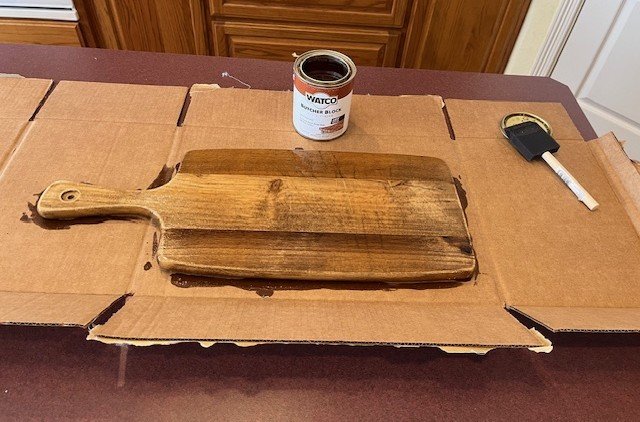
Regular Oil Treatment For Wood Boards
Wood cutting boards need oil to stay in good shape. Oil stops the wood from drying out and cracking.
Apply food-safe mineral oil once a month or after heavy use. Rub the oil well into the board, then wipe off extra.
- Use mineral oil made for kitchen use
- Apply oil evenly with a clean cloth
- Let the board absorb oil overnight
- Wipe off any excess oil the next day
When To Replace Cutting Boards
Even with care, cutting boards wear out. Replace your board if it has deep cracks or grooves.
Cracks can hide bacteria and make cleaning hard. If your board smells bad or stains easily, it is time to get a new one.
- Replace if deep cracks are visible
- Change if the board warps or bends
- Replace if it keeps bad smells
- Consider replacement if stains don’t wash off
Preventing Knife Marks And Cracks
Knife marks weaken your cutting board. They can turn into cracks over time. Use good cutting habits to avoid this damage.
Cut on the board gently and avoid heavy chopping. Clean the board right after use and dry it well to prevent cracks.
- Use a sharp knife to reduce force
- Avoid cutting with the tip of the knife
- Do not soak the board in water
- Dry the board immediately after washing

Credit: homewithgraceandjoy.com
Additional Safety Precautions
Keeping cutting boards clean after using meat helps stop germs from spreading. Taking extra safety steps protects your health.
Simple actions can make your kitchen safer and keep food fresh. Follow these tips to handle cutting boards right.
Using Separate Boards For Meat And Vegetables
Always use different cutting boards for meat and vegetables. This stops bacteria in meat from reaching fresh produce.
Label or color-code boards to avoid confusion in busy kitchens. Clean boards well after each use.
- Use red or darker boards for raw meat
- Use green or light boards for vegetables
- Store boards separately to keep them clean
Wearing Gloves During Cleaning
Wear disposable gloves when cleaning boards after meat use. Gloves protect your hands from germs and strong cleaning agents.
Change gloves if they tear or get dirty. Always wash hands after removing gloves to stay safe.
- Choose gloves that fit well and are easy to move in
- Use gloves made for food handling or cleaning
- Dispose of gloves after each cleaning session
Keeping Cleaning Tools Sanitary
Clean sponges, brushes, and cloths regularly. Dirty tools can spread bacteria back onto your cutting boards.
Use hot water and soap to wash cleaning tools. Replace them often to keep your kitchen safe.
- Sanitize sponges in the microwave or dishwasher
- Wash brushes with hot soapy water after use
- Use clean cloths and wash them in hot water
- Store tools in dry places to prevent germs
Credit: www.belarehome.com
Frequently Asked Questions
How Do I Sanitize Cutting Boards After Meat Use?
To sanitize, wash the board with hot soapy water, then apply a solution of one tablespoon bleach per gallon of water. Let it sit for a few minutes, rinse well, and air dry. This kills harmful bacteria effectively.
Can I Use Vinegar To Clean Meat Cutting Boards?
Yes, vinegar is a natural disinfectant. Spray white vinegar on the board, let it sit for a few minutes, then rinse with water. It helps remove bacteria and odors without harsh chemicals.
How Often Should I Replace My Cutting Board?
Replace your cutting board when it has deep grooves or cracks that harbor bacteria. Regular inspection is key. Wooden boards may last longer with proper care, but plastic boards often need more frequent replacement.
Is It Safe To Use The Same Board For Meat And Vegetables?
It’s best to use separate boards for meat and vegetables to avoid cross-contamination. If using one board, clean and sanitize thoroughly between uses to prevent bacteria transfer.
Conclusion
Keeping cutting boards clean after meat use protects your health. Wash boards with hot, soapy water right after use. Use a scrub brush to remove all meat bits. Sanitize boards with vinegar or a mild bleach solution. Let them air dry completely before storing.
Regular cleaning stops bacteria from spreading to other foods. Simple steps make your kitchen safer every day. Clean boards mean safer meals for your family. Small effort, big difference. Keep your cutting boards fresh and ready.