
Your cutting board is more than just a kitchen tool—it’s the foundation of every meal you prepare. But if it’s not clean, it can quietly harbor bacteria that put your health at risk.
You might think rinsing it with water is enough, but there’s a smarter, safer way to keep your cutting boards spotless and fresh. You’ll discover simple, effective steps that protect your family and make your cooking space safer. Ready to transform how you care for your cutting boards?
Let’s dive in.

Credit: walrusoil.com
Importance Of Clean Cutting Boards
Keeping cutting boards clean is very important for safe cooking. Dirty boards can spread germs and cause illness.
Regular cleaning helps stop bacteria from growing. It also keeps your food tasting fresh and pure.
Cutting boards often touch raw meat, vegetables, and cooked food. Germs from raw meat can spread to other foods.
Cleaning boards well stops this cross-contamination. This protects your family from food poisoning.
Maintaining Board Quality
Cleaning cutting boards regularly helps keep them in good shape. Dirt and stains can damage the board over time.
Well-maintained boards last longer and work better in the kitchen.
Enhancing Food Safety
Clean boards lower the risk of harmful bacteria mixing with food. This keeps meals safe to eat.
Good hygiene on cutting boards supports overall kitchen cleanliness and health.
Choosing The Right Cutting Board Material
Picking the right cutting board helps keep your kitchen safe and clean. Different materials offer different benefits and challenges.
Understanding these materials can help you choose one that fits your cooking style and hygiene needs.
Wood Vs. Plastic
Wood cutting boards are gentle on knives and have natural bacteria resistance. Plastic boards are easy to clean and dishwasher safe.
- Wood:Durable, self-healing surface, but needs hand washing.
- Plastic:Affordable, dishwasher safe, but can scar easily.
Glass And Bamboo Options
Glass boards are easy to clean but can dull knives quickly. Bamboo is eco-friendly and harder than wood but may crack over time.
| Material | Pros | Cons |
| Glass | Non-porous, easy to sanitize | Dulls knives, can break |
| Bamboo | Eco-friendly, hard surface | Can crack, needs oiling |
Daily Cleaning Routine
Keeping your cutting boards clean every day helps stop germs. It also keeps your food tasting fresh and safe. A simple routine makes cleaning easy and quick.
Focus on washing and using the right cleaners. This keeps your boards in good shape for a long time.
Proper Washing Techniques
Wash cutting boards right after use. Use hot water and soap to remove food bits. Scrub well to clean every corner. Rinse with clean water to wash away soap and dirt.
- Hold the board under hot running water.
- Apply dish soap on a scrub brush or sponge.
- Scrub all sides, including edges.
- Rinse thoroughly with hot water.
- Dry the board with a clean towel or air dry.
Using The Right Cleaning Agents
| Cleaning Agent | Use | Notes |
| Dish Soap | Daily cleaning | Safe for all types of boards |
| White Vinegar | Disinfecting | Use diluted to kill germs |
| Baking Soda | Deodorizing | Sprinkle and scrub to remove smells |
| Hydrogen Peroxide | Sanitizing | Use carefully; rinse well |
Choose cleaners that remove bacteria without harming the board. Avoid strong chemicals that can cause damage. Natural agents like vinegar and baking soda work well and are safe.

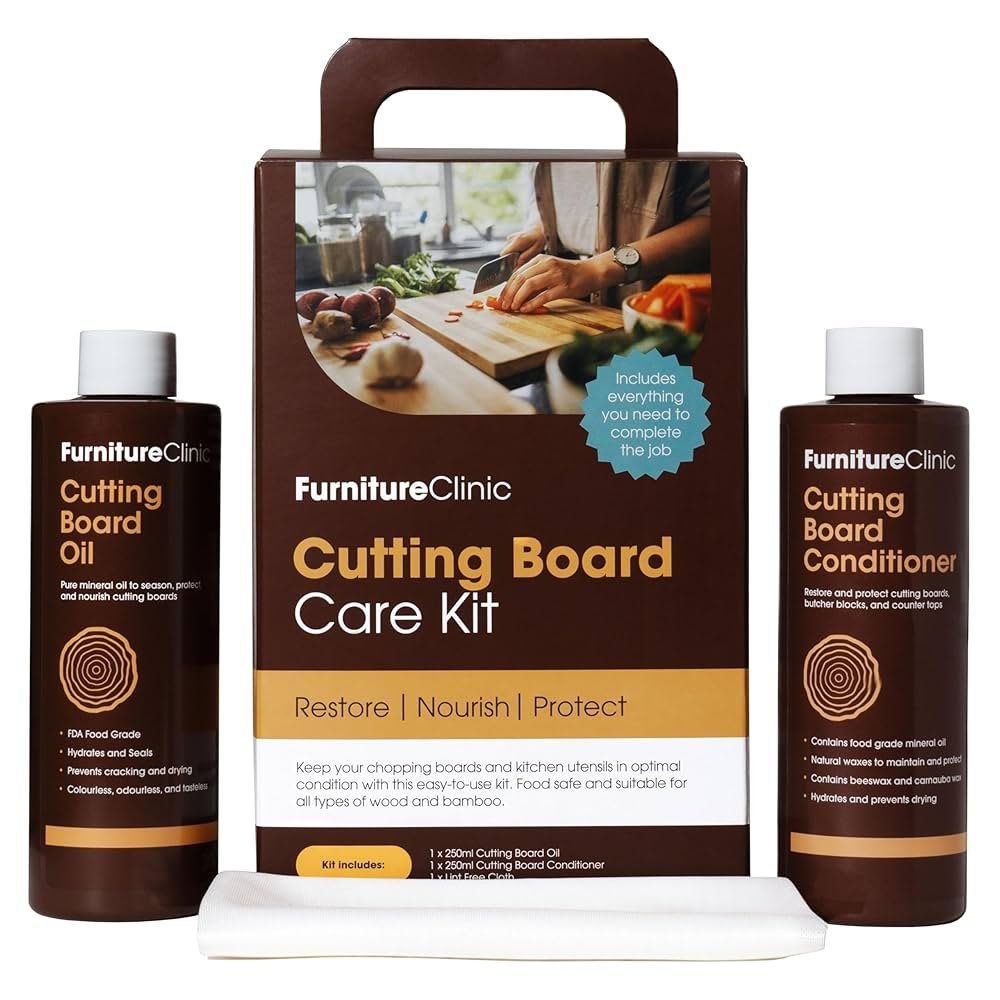
Credit: www.amazon.ie
Deep Cleaning Methods
Keeping your cutting boards clean is important for food safety. Deep cleaning helps remove stains and germs. It also prevents bad smells and bacteria build-up.
Here are some effective deep cleaning methods using natural ingredients. These methods are safe and easy to do at home.
Baking Soda And Vinegar
Baking soda and vinegar work well together to clean cutting boards deeply. Baking soda scrubs away stains. Vinegar kills bacteria and deodorizes.
- Sprinkle baking soda on the board.
- Pour vinegar over the baking soda to create fizz.
- Let it sit for 5 minutes to break down stains.
- Scrub the surface with a brush or sponge.
- Rinse well with hot water and dry completely.
Hydrogen Peroxide And Lemon
Hydrogen peroxide and lemon are strong natural cleaners. Hydrogen peroxide kills germs. Lemon juice brightens the board and leaves a fresh smell.
| Ingredient | Purpose | How to Use |
|---|---|---|
| Hydrogen Peroxide | Kills bacteria and whitens | Pour on board and let sit for 10 minutes |
| Lemon Juice | Removes stains and freshens | Rub lemon half over board after peroxide rinse |
Preventing Cross-contamination
Keeping cutting boards clean is key to safe food preparation. Cross-contamination spreads harmful bacteria from one food to another.
Using the right methods stops germs and keeps your kitchen healthy.
Separate Boards For Different Foods
Use different cutting boards for meats, vegetables, and fruits. This prevents germs from raw meat spreading to other foods.
- Keep one board only for raw meat and poultry.
- Use a separate board for fruits and vegetables.
- Have a different board for cooked foods.
- Wash boards well after each use.
Color-coded Systems
Color-coded cutting boards help you remember which board to use for each food type. This system reduces the risk of mistakes.
| Color | Food Type |
|---|---|
| Red | Raw Meat |
| Green | Vegetables & Fruits |
| Blue | Raw Fish & Seafood |
| Yellow | Cooked Foods |
Storage Tips For Longevity
Keeping your cutting boards clean and well-stored helps them last longer. Proper storage stops damage and bacteria growth.
Use simple habits to protect your boards after cleaning. These tips keep them dry and strong for daily use.
Proper Drying Techniques
Dry your cutting boards right after washing. Leaving them wet can cause mold and weaken the wood.
- Use a clean towel to wipe off water.
- Stand the board upright to air dry fully.
- Avoid stacking boards while wet.
- Place boards in a well-ventilated area.
Avoiding Warping And Cracking
Keep boards safe from heat and moisture changes. These can make wood crack or warp over time.
| Cause | Effect on Board | Prevention |
| Direct Sunlight | Warping | Store in shaded area |
| Excess Water | Cracking | Dry fully before storage |
| Heat Sources | Deformation | Keep away from stoves |
| Stacking Heavy Items | Pressure Marks | Store boards separately |
Signs It’s Time To Replace Your Cutting Board
Cutting boards are essential in every kitchen. They protect your counters and keep food safe. But over time, they wear out and can become unsafe to use.
Knowing when to replace your cutting board helps keep your kitchen clean and healthy. Look for clear signs that your board is no longer fit for use.
Excessive Wear And Tear
Cutting boards get scratched and worn from knives. Deep cuts can hide bacteria and make cleaning hard. If your board has many cracks or grooves, it may be time to change it.
- Check for deep knife marks or cracks
- Look for warping or splitting of the board
- Notice if the surface feels rough or uneven
- Watch for pieces breaking off or splintering
Persistent Stains And Odors
Some stains and smells stay even after washing. These signs show bacteria might be trapped inside. If your cutting board keeps smelling bad or shows dark stains, replace it to avoid health risks.
| Issue | What It Means | Action |
|---|---|---|
| Strong, lasting odor | Bacteria trapped inside | Replace board immediately |
| Dark stains that don’t wash out | Deep absorption of food juices | Consider replacing for safety |
| Discoloration or mold spots | Possible mold growth | Do not use, replace |

Credit: vayuearth.com
Eco-friendly Disposal Options
Keeping cutting boards clean is important for kitchen safety. When they wear out, think about eco-friendly ways to dispose of them. This helps reduce waste and protect nature.
Two good ways to dispose of cutting boards are recycling and composting. These methods give the boards a new life or break them down naturally.
Recycling And Upcycling
Recycling wooden or plastic cutting boards helps keep waste out of landfills. Upcycling means turning old boards into useful items. This saves materials and energy.
- Check if your local recycling center accepts cutting boards.
- Cut plastic boards into smaller pieces for easier recycling.
- Turn wooden boards into shelves or plant stands.
- Use pieces of old boards for craft projects.
- Donate boards if they are still in good shape.
Composting Wooden Boards
Wooden cutting boards can break down in compost piles. They add nutrients to soil and reduce trash. Make sure the wood has no chemicals or paint before composting.
| Composting Step | Details |
|---|---|
| Break into small pieces | Speeds up decomposition |
| Mix with food scraps | Balances moisture and nutrients |
| Keep compost moist | Helps microbes break down wood |
| Turn compost regularly | Provides oxygen for decay |
| Use finished compost | Enriches garden soil |
Frequently Asked Questions
How Often Should I Clean My Cutting Board?
Clean your cutting board after every use to prevent bacteria buildup. Use hot, soapy water and rinse thoroughly. Regular cleaning keeps your board safe and extends its life.
What Is The Best Way To Disinfect Cutting Boards?
Disinfect cutting boards using a solution of one tablespoon bleach per gallon of water. Apply, let sit for a few minutes, then rinse well. This kills harmful germs effectively.
Can Cutting Boards Be Cleaned In The Dishwasher?
Most plastic cutting boards are dishwasher safe, but wooden boards should be hand-washed. High heat and water can damage wood and cause warping or cracking.
How Do I Remove Stains And Odors From Cutting Boards?
Rub the board with half a lemon and coarse salt to remove stains and odors. Let it sit for a few minutes, then rinse and dry. This natural method refreshes your board.
Conclusion
Clean cutting boards keep your kitchen safe and food tasty. Wash them well after every use. Use hot water and soap to remove germs. Dry boards completely to stop bacteria growth. Replace old or deeply damaged boards soon. Simple care keeps cutting boards fresh and long-lasting.
Your health and meals will thank you. Easy steps make cleaning quick and effective. Keep your kitchen clean, safe, and ready to cook.