
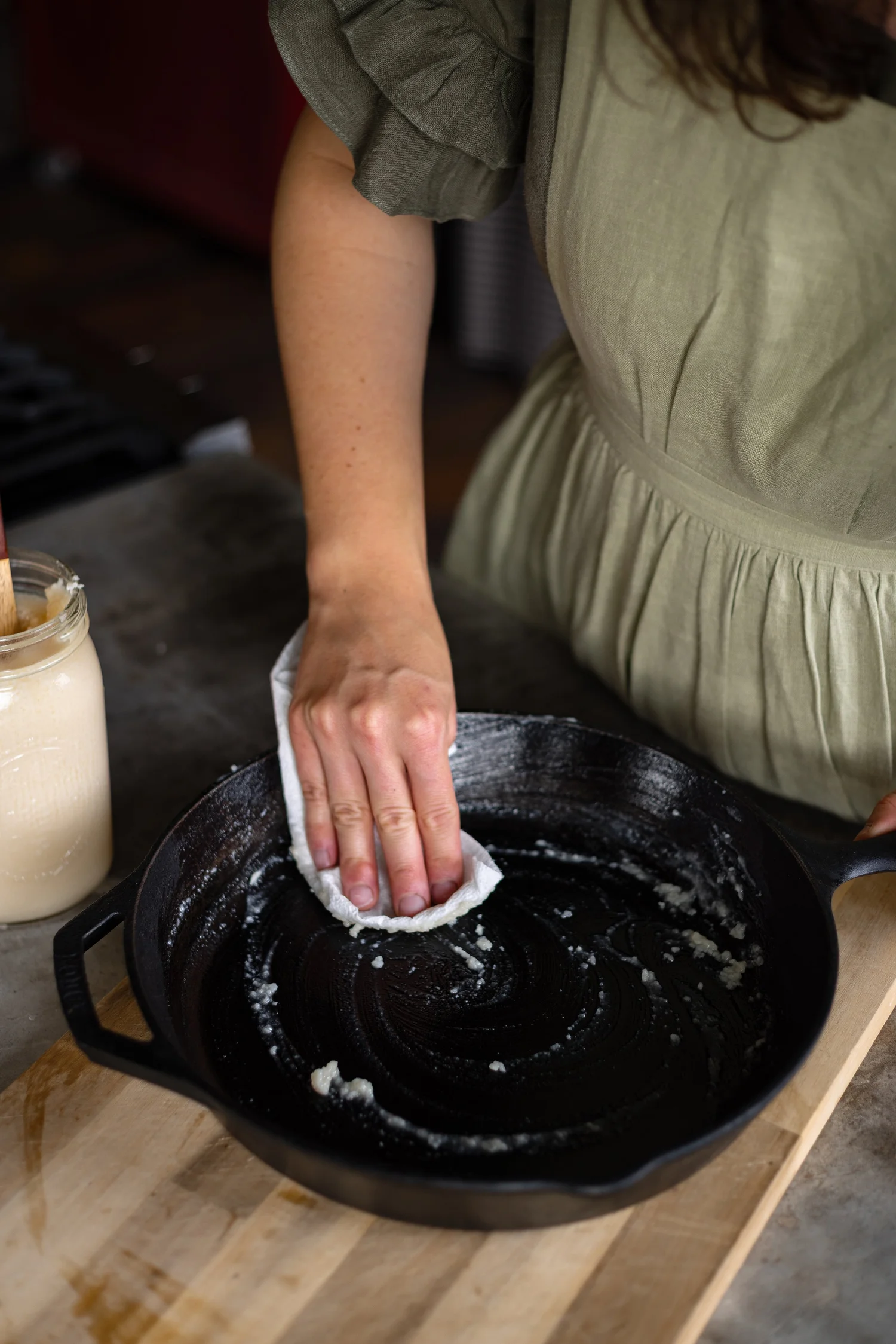
You’ve just finished cooking with your cast iron skillet, and now it’s time for the most important step—taking care of it. How you maintain your skillet after each use can make the difference between a pan that lasts for decades and one that quickly loses its charm.
If you want to keep your cast iron smooth, non-stick, and rust-free, you need to know the right way to clean and store it. You’ll discover simple, effective tips to protect your skillet and ensure it stays your kitchen’s trusted companion for years to come.
Keep reading to learn how easy it is to maintain your cast iron skillet after every meal.

Credit: www.reddit.com
Cleaning Techniques
Cleaning your cast iron skillet properly keeps it in good shape. It also helps the skillet last for many years.
Using the right cleaning techniques protects the skillet’s seasoning. This seasoning is the layer that makes food not stick.
Removing Food Residue
Remove leftover food while the skillet is still warm. Use a spatula or stiff brush to scrape off stuck bits.
If food is hard to remove, pour some hot water into the skillet. Let it sit for a few minutes to soften the residue.
- Use a plastic or wooden spatula to scrape gently
- Rinse with hot water to loosen stuck food
- Use a stiff brush or sponge, but not steel wool
- Dry the skillet immediately after cleaning
Avoiding Soap And Detergents
Do not use soap or detergents on your cast iron skillet. Soap can remove the seasoning layer and cause rust.
If you need a deeper clean, use coarse salt as a scrub. Salt cleans without damaging the skillet’s surface.
- Use coarse salt as a natural scrub
- Avoid dish soaps and strong detergents
- Rinse with hot water only after scrubbing
- Dry and oil the skillet after cleaning
Drying The Skillet
After washing your cast iron skillet, it is important to dry it properly. Drying prevents rust and keeps the skillet ready for the next use.
There are simple ways to dry your skillet that help maintain its seasoning and quality over time.
Towel Drying
Use a clean towel to dry the skillet right after washing. Make sure to remove all water from the surface and edges.
Towel drying stops moisture from sitting on the skillet, which can cause rust. Use a soft or lint-free towel for best results.
Using Low Heat
Place the skillet on low heat after towel drying to remove any leftover moisture. Heat helps evaporate water from hard-to-reach spots.
Keep the skillet on low heat for a few minutes. Turn off the heat and let it cool before storing to avoid burns or damage.
Seasoning The Surface
Seasoning your cast iron skillet helps create a non-stick surface. It also protects the pan from rust and damage.
Regular seasoning keeps your skillet working well for many years. It involves applying oil and heating the pan carefully.
Choosing The Right Oil
Pick an oil with a high smoke point for seasoning. This means the oil can heat without burning quickly.
Common oils for seasoning include vegetable oil, flaxseed oil, and canola oil. Each works well to build a good surface.
- Vegetable oil is easy to find and affordable
- Flaxseed oil creates a hard, durable coating
- Canola oil has a neutral smell and good heat tolerance
Applying Oil Evenly
Spread a thin, even layer of oil over the skillet surface. Too much oil can cause sticky spots or uneven seasoning.
Use a cloth or paper towel to rub the oil gently. Cover the entire inside and outside of the skillet.
- Apply oil in small amounts for better control
- Wipe away excess oil to avoid pooling
- Make sure to cover the handle and edges too

Credit: bitzngiggles.com
Storage Solutions
Proper storage keeps your cast iron skillets in good shape. It stops rust and damage after cooking. Clean and dry your skillet before storing it safely.
Follow smart storage tips to keep your skillets ready for the next use. Avoiding moisture and stacking properly are key points to remember.
Avoiding Moisture
Moisture can cause rust on cast iron. Make sure your skillet is fully dry before putting it away. Wipe it with a dry cloth and let it air dry for a while.
- Dry with a clean towel after washing
- Heat the skillet on low heat to remove any water
- Apply a thin layer of oil to protect the surface
- Store in a dry place away from humidity
Stacking Properly
Stacking skillets wrongly can cause scratches and damage. Use paper towels or cloth between skillets to keep them safe.
| Do | Don’t |
| Place paper towels between skillets | Stack skillets directly without protection |
| Store skillets in a stable, flat spot | Put heavy items on top of skillets |
| Keep skillets dry and aired out | Close skillets tightly with lids while storing |
Restoring A Rusty Skillet
Cast iron skillets can rust if not cared for properly. Restoring rust helps bring your skillet back to life.
Cleaning and reseasoning your skillet will make it ready for cooking again.
Removing Rust
Start by scrubbing the rusty areas with steel wool or a scrub brush. Use warm water and soap to help remove rust.
Rinse the skillet well and dry it completely with a towel. You can also heat it on the stove to remove any leftover moisture.
- Scrub rust with steel wool or brush
- Use warm water and mild soap
- Rinse thoroughly
- Dry skillet fully with towel or heat
Reseasoning Process
Apply a thin layer of cooking oil on the entire skillet, inside and out. Use oils like vegetable, canola, or flaxseed oil.
Place the skillet upside down in a hot oven at 450°F (230°C) for one hour. Put a foil sheet under it to catch drips.
- Coat skillet with a thin layer of oil
- Heat oven to 450°F (230°C)
- Place skillet upside down on oven rack
- Bake for one hour
- Let skillet cool in oven before use

Credit: fieldcompany.com
Common Mistakes To Avoid
Cast iron skillets need special care to last long. Some mistakes can damage the skillet’s surface.
Learning what not to do helps keep your skillet in good shape after each use.
Overusing Soap
Many people think soap cleans cast iron well. Too much soap can strip away the skillet’s seasoning.
Seasoning is the layer of oil that protects the skillet from rust and makes it non-stick.
- Use little or no soap when cleaning
- Rinse with hot water instead
- Dry the skillet right after washing
- Apply a thin layer of oil to keep seasoning strong
Neglecting Regular Maintenance
Skipping upkeep can cause rust and food to stick. Regular care keeps the skillet ready to use.
Simple steps like drying and oiling after cleaning prevent damage and improve cooking.
- Always dry the skillet completely after washing
- Lightly oil the surface before storing
- Re-season the skillet if food starts sticking
- Store in a dry place to avoid moisture buildup
Frequently Asked Questions
How Do I Clean A Cast Iron Skillet After Cooking?
Clean your skillet with warm water and a soft brush. Avoid soap or harsh detergents. Dry it thoroughly to prevent rust.
Should I Use Soap On Cast Iron Skillets?
It’s best to avoid soap as it can strip seasoning. Use hot water and gentle scrubbing instead. Re-season if needed.
How Do I Dry A Cast Iron Skillet Properly?
Dry your skillet immediately after washing. Use a towel and heat it on the stove for a few minutes to remove all moisture.
How Often Should I Season My Cast Iron Skillet?
Season your skillet after every few uses or when food starts sticking. Apply a thin layer of oil and bake it to maintain the coating.
Conclusion
Taking care of your cast iron skillet keeps it strong and useful. Clean it gently with warm water and avoid soap. Dry it well to stop rust from forming. Apply a thin layer of oil to protect the surface. Store your skillet in a dry place.
Regular maintenance makes cooking easier and food taste better. Small efforts can keep your skillet lasting for years. Enjoy cooking with a well-kept, reliable pan every day.