
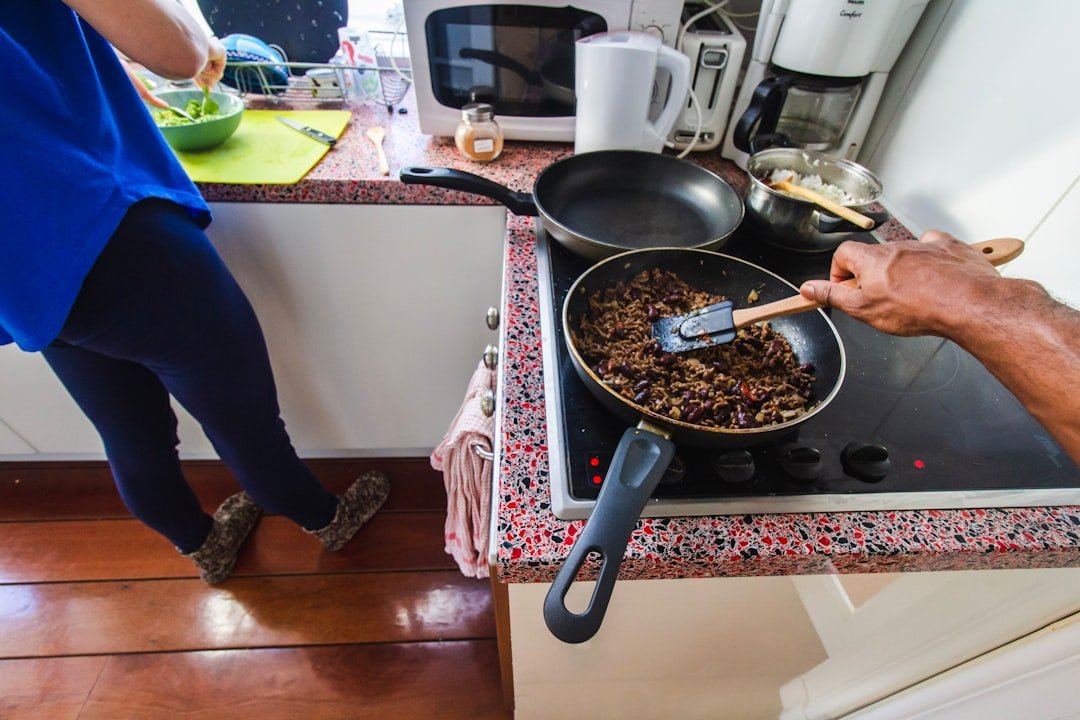
You’ve just finished cooking a delicious meal in your cast iron skillet. Now, what’s next?
How you care for your skillet right after cooking can make all the difference. If you want your cast iron to stay non-stick, rust-free, and ready for your next meal, you need to know the right steps. You’ll discover simple, easy-to-follow tips that protect your skillet and keep it in top shape for years to come.
Keep reading, and learn how to make your cast iron skillet last a lifetime.
Cleaning Cast Iron Skillets
Cleaning your cast iron skillet properly keeps it in great shape. It helps keep the cooking surface smooth and prevents rust.
Using the right cleaning methods also keeps the skillet safe to use and improves the flavor of your food over time.
Removing Food Residue
After cooking, remove leftover food while the skillet is still warm. Avoid soaking the skillet in water for long periods.
- Use a spatula or a stiff brush to scrape off stuck food.
- Rinse the skillet with hot water to loosen residue.
- For tough bits, boil water in the skillet for a few minutes, then scrape again.
- Dry the skillet immediately with a towel to prevent rust.
Using The Right Cleaning Tools
Choosing the right tools helps clean the skillet without damaging its surface. Avoid harsh soaps and steel wool.
| Tool | Use | Notes |
| Soft sponge | General cleaning | Gentle on the skillet’s seasoning |
| Stiff nylon brush | Removing stuck food | Effective without scratching |
| Chainmail scrubber | Tough residue | Safe for cast iron, lasts long |
| Paper towels | Drying and oiling | Absorbs moisture, applies oil evenly |
Drying Techniques
Proper drying is key to keeping your cast iron skillet safe from rust. After washing, remove all water quickly.
Use the right drying methods to keep your skillet in good shape for many uses.
Towel Drying
Use a clean, dry towel to wipe the skillet after washing. This removes most of the water.
Make sure to dry the inside and outside well. Pay close attention to the handle and edges.
- Use a soft towel to avoid scratching
- Dry all surfaces thoroughly
- Check for any remaining wet spots
Heat Drying
After towel drying, warm the skillet on the stove or in the oven. This removes any leftover moisture.
Heat the skillet on low for a few minutes until it feels dry. This step helps prevent rust.
- Place skillet on low heat
- Heat for about 5 minutes
- Turn off heat and let cool
Seasoning The Skillet
Seasoning your cast iron skillet keeps it non-stick and rust-free. It forms a protective layer after cooking and cleaning.
Proper seasoning improves the skillet’s cooking performance and extends its life. Applying oil correctly is key.
Choosing The Right Oil
Pick oils with a high smoke point to avoid sticky residue. These oils create a strong, smooth seasoning layer.
Oils like flaxseed, grapeseed, and canola work well. Avoid low smoke point oils like olive oil.
- Flaxseed oil: dries hard and forms a durable layer
- Grapeseed oil: neutral taste, high smoke point
- Canola oil: affordable and effective for seasoning
- Avoid olive oil: low smoke point may cause stickiness
Applying Oil Evenly
Use a small amount of oil to coat the skillet’s surface. Too much oil can cause sticky spots.
Spread oil evenly using a cloth or paper towel. Cover all areas including sides and handle.
- Dip a cloth in oil and wipe skillet thinly
- Check for any pooled oil and remove it
- Make sure oil covers inside, outside, and handle
- Heat skillet after oiling to bond the layer

Credit: underatinroof.com
Storing Cast Iron Skillets
Proper storage helps keep cast iron skillets in good shape. It stops rust and damage after cooking.
Cast iron needs special care when storing to protect its seasoning and prevent moisture buildup.
Avoiding Moisture
Moisture can cause rust on cast iron skillets. Always dry your skillet fully before storing it.
Use a towel or heat it lightly on the stove to remove any water. Store in a dry place.
- Wipe skillet dry with a cloth
- Heat on low stove to evaporate moisture
- Store in a cool, dry area
- Avoid sealing in airtight containers if damp
Stacking With Care
Stacking skillets can save space but can also cause scratches. Use a barrier between skillets.
Place paper towels or cloth between skillets to protect the seasoning and avoid damage.
- Use paper towels or cloth as padding
- Stack skillets gently to avoid scratches
- Do not overload stacks to prevent warping
- Consider hanging skillets if space allows
Preventing Rust
Cast iron skillets need care to stay rust-free. Rust can damage the pan and affect cooking.
Simple steps after cooking help keep your skillet in good shape for years.
Regular Maintenance
Clean your skillet right after use. Avoid soaking it in water for long times.
Dry the skillet completely to stop moisture from causing rust. Use heat to dry it well.
- Wash with warm water and a soft brush or sponge
- Dry on low heat on the stove or in the oven
- Apply a thin layer of cooking oil to protect the surface
- Store in a dry place with good air flow
Emergency Rust Removal
If rust appears, remove it quickly to prevent damage. Use gentle scrubbing tools.
After rust removal, reseason the skillet to restore its protective layer.
- Scrub rust spots with steel wool or a scrub pad
- Rinse and dry the skillet thoroughly
- Heat the skillet and apply a thin layer of oil
- Bake the skillet upside down in the oven at 350°F (175°C) for one hour
- Let it cool in the oven before storing

Credit: pinkfortitude.com
Common Mistakes To Avoid
Cast iron skillets need special care after cooking. Wrong cleaning can damage the pan.
Knowing what to avoid helps keep your skillet in good shape for years.
Using Dish Soap
Many think dish soap cleans cast iron well. But soap can remove the seasoning layer.
Seasoning is the oil layer that protects the pan and keeps food from sticking.
Use warm water and a stiff brush instead of soap. If soap is needed, use very little.
Soaking In Water
Soaking cast iron in water can cause rust. The pan absorbs water and loses its seasoning.
Always dry the skillet right after washing. Do not leave it soaking in the sink.
- Wipe off excess food before cleaning
- Wash quickly with warm water and a brush
- Dry completely with a towel or heat
- Apply a thin layer of oil after drying

Credit: www.amazon.com
Frequently Asked Questions
How Do I Clean A Cast Iron Skillet After Cooking?
Clean your skillet with warm water and a soft brush. Avoid soap and soaking. Dry thoroughly to prevent rust. Apply a thin oil layer before storage to maintain seasoning.
Why Should I Avoid Soap On Cast Iron Skillets?
Soap can strip the skillet’s seasoning, reducing its non-stick surface. Mild scrubbing with water preserves the seasoning. Proper cleaning maintains the skillet’s durability and cooking performance.
How Often Should I Re-season My Cast Iron Skillet?
Re-season your skillet when food starts sticking or the surface looks dull. Regular oiling after each use helps maintain seasoning. Full re-seasoning can be done every few months for best results.
Can I Put Cast Iron Skillets In The Dishwasher?
No, avoid dishwashers as they remove seasoning and cause rust. Hand wash with warm water and dry immediately. Proper care extends your skillet’s lifespan and cooking quality.
Conclusion
Taking care of your cast iron skillet keeps it strong and useful. Clean it gently with warm water right after cooking. Dry it well to stop rust from forming. Rub a little oil on the surface to keep it smooth.
Store it in a dry place, ready for your next meal. These small steps help your skillet last many years. Enjoy cooking with a well-kept pan every time. Simple habits make a big difference in your kitchen. Keep your skillet happy, and it will serve you well.