
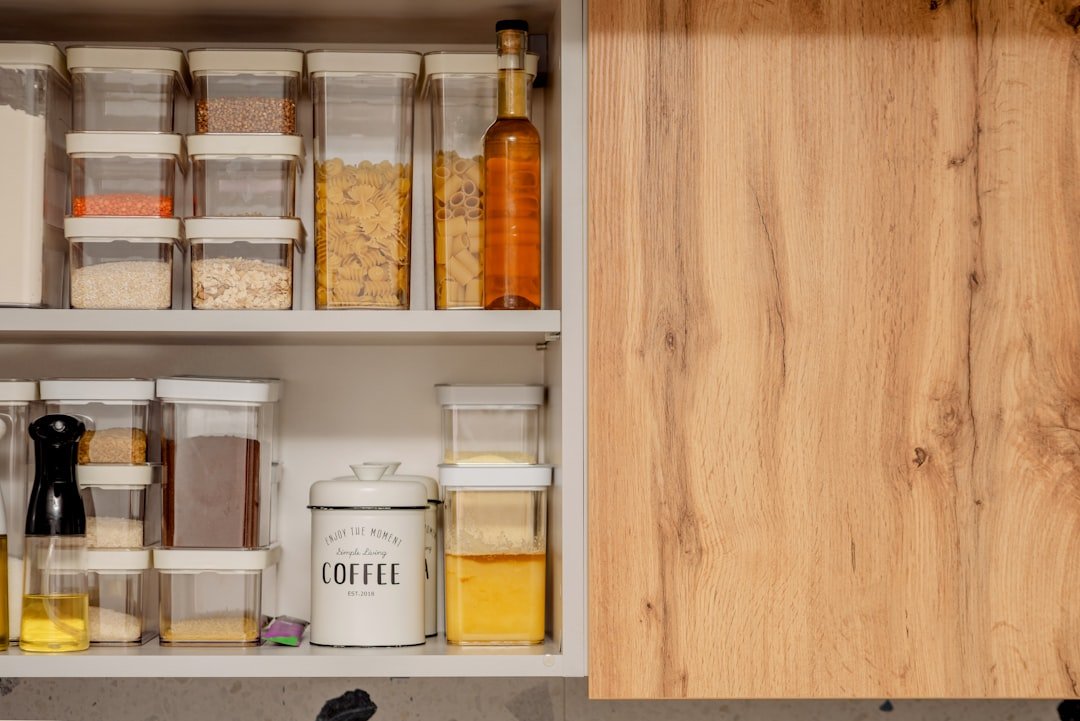
Are your cabinets starting to look cluttered and hard to manage? You’re not alone.
Keeping your cabinet storage neat and organized can save you time, reduce stress, and make your space feel more inviting. Imagine opening your cabinets and instantly finding exactly what you need—no more digging through piles or tossing things aside. You’ll discover simple, effective ways to maintain your cabinet storage so it stays tidy and functional every day.
Ready to transform your cabinets into a well-organized haven? Let’s dive in!
:max_bytes(150000):strip_icc()/GettyImages-1405396332-4708b92fa11642eda2ebb8081bf44c82.jpg)
Credit: www.thespruce.com
Choose The Right Cabinets
Picking the right cabinets for your home is important. It helps in keeping things organized and tidy.
Consider the space you have and what you need to store. This will guide you to the best cabinet choice.
Materials And Finishes
Cabinets come in various materials. Common choices are wood, metal, and laminate.
Each material has its own look and feel. Finishes can change how durable and stylish they are.
- Wood is classic and strong
- Metal is sleek and modern
- Laminate is affordable and versatile
Cabinet Styles
There are many styles to choose from. Some popular styles include traditional, contemporary, and rustic.
The style you choose can enhance your home’s look. Think about your home’s overall design.
- Traditional offers warmth and charm
- Contemporary is sleek and clean
- Rustic adds a cozy feel
Custom Vs. Pre-made
Custom cabinets are made just for you. They fit your space perfectly and match your style.
Pre-made cabinets are ready to buy and use. They are often more affordable and quicker to install.
- Custom allows personal design
- Pre-made saves time and money

Credit: www.consumerreports.org
Organize By Category
Keeping cabinet storage tidy helps you find things fast. Organize items by category to save time and space.
Grouping similar items together makes your cabinet easier to use. This method also helps keep things neat.
Grouping Similar Items
Put items that serve the same purpose in one place. This way, you can grab what you need quickly.
For example, keep baking supplies in one section and canned foods in another. This stops mixing and clutter.
- Store spices together on a shelf or rack
- Group cleaning supplies in one bin
- Place snacks in a separate basket
Labeling Techniques
Labels help you know what is inside containers or shelves at a glance. Use clear, simple words for labels.
Write labels with a permanent marker or print them. Place labels on the front or top of storage bins.
- Use large, easy-to-read fonts
- Label both shelf and container if possible
- Use color-coded labels for quick ID
Using Clear Containers
Clear containers let you see what is inside without opening them. This reduces time spent searching.
Choose containers that fit the size of your items. Stackable clear bins save space and keep things visible.
- Use clear jars for dry goods like pasta or rice
- Pick clear plastic bins for snacks or toys
- Stack clear containers to maximize space
Maximize Space Efficiently
Cabinet storage can get messy and crowded fast. Using space smartly helps keep things tidy and easy to find.
Good storage ideas make your cabinets work better for you. Simple changes can add more room.
Adjustable Shelves
Adjustable shelves let you change the space between levels. This fits different sizes of items well.
You can move shelves up or down to store tall bottles or small boxes. This stops wasted space.
- Use shelf pegs to set heights
- Store heavy items on lower shelves
- Keep often-used items at eye level
Utilizing Vertical Space
Vertical space is the height inside your cabinet. Use it well to fit more items.
Add hooks or small racks on the cabinet doors. This gives you extra spots for tools or lids.
- Stack containers safely
- Hang utensils or measuring cups
- Use tall jars for dry goods
Incorporating Pull-out Drawers
Pull-out drawers make it easy to reach items at the back. They slide out fully for quick access.
These drawers help organize small things and stop clutter. You see everything without digging.
- Use for spices, snacks, or utensils
- Choose drawers with dividers
- Keep heavy items in sturdy drawers
Maintain Cleanliness
Keeping your cabinet storage clean helps protect your items. It also makes your space look neat and fresh.
Regular care prevents damage and keeps cabinets in good shape for longer use.
Regular Dusting And Wiping
Dust builds up quickly on cabinet surfaces. Wiping it away stops dirt from settling deep.
Use a soft cloth or microfiber duster to clean shelves and doors often. Avoid harsh cleaners that can damage finishes.
- Dust weekly to keep surfaces clean
- Use a damp cloth for sticky spots
- Dry surfaces after wiping to prevent moisture damage
Handling Spills Immediately
Spills can cause stains and damage if left alone. Clean them up as soon as they happen.
Blot spills gently with a cloth. Avoid rubbing hard to stop scratches or spreading the spill.
- Keep cleaning cloths nearby for quick use
- Use mild soap and water for sticky spills
- Dry the area fully after cleaning
Using Cabinet Liners
Cabinet liners protect shelves from dirt, spills, and scratches. They make cleaning easier and keep cabinets fresh.
Choose liners that fit your cabinet size. Replace them regularly to avoid buildup of dirt and stains.
- Measure shelves before buying liners
- Use non-slip liners to keep items stable
- Wash or replace liners every few months
Schedule Regular Decluttering
Keeping your cabinet storage tidy needs regular cleaning. Scheduling decluttering helps keep things organized.
Decluttering clears out old items and frees up space for things you use daily.
Setting Declutter Reminders
Set reminders to declutter your cabinets regularly. Use a calendar or phone app to help you remember.
Pick a day each month or every few months to check your storage. This makes decluttering a habit.
Donating Or Recycling Items
Give away items you no longer need but still work. Donating helps others and reduces waste.
Recycle broken or unusable items properly. This protects the environment and keeps your space clean.
Avoiding Overstocking
Buy only what you need to avoid clutter. Overstocking fills up cabinets fast and makes finding things hard.
Check your supplies before shopping. Use what you have first before buying more.
- Keep a list of items you need
- Set limits for how much to store
- Use clear containers to see contents easily
Use Smart Storage Accessories
Keeping cabinet storage neat saves time and space. Smart accessories help organize items better.
These tools make your cabinets easier to use. They keep things visible and easy to reach.
Hooks And Racks
Hooks and racks add hanging space inside cabinets. You can hang mugs, utensils, or small tools.
They keep items off the shelf and free up room. Hooks are good for keys or measuring spoons.
- Install adhesive hooks on cabinet walls
- Use racks for lids or cutting boards
- Hang mugs by their handles to save space
Storage Bins And Baskets
Bins and baskets hold smaller items together. They stop clutter and make finding things easy.
Use clear bins to see contents quickly. Label bins for faster access to items.
- Group spices in small baskets
- Keep snacks in clear storage bins
- Use stackable bins for better space use
Door-mounted Organizers
Organizers on cabinet doors add extra storage space. They hold bottles, spices, or cleaning supplies.
These organizers keep items easy to reach. They use space that often goes unused.
- Mount spice racks on inside cabinet doors
- Use baskets for snacks or small jars
- Install hooks for dish towels or brushes
Maintain Proper Humidity
Keeping the right humidity level helps protect your cabinet storage. Too much moisture can damage wood and cause mold. Too little moisture can dry out the wood and make it crack.
Maintaining proper humidity extends the life of your cabinets. It also keeps stored items safe and fresh.
Using Dehumidifiers
Dehumidifiers remove extra moisture from the air. They help keep cabinet areas dry and safe. Use a dehumidifier in places prone to dampness, like basements or kitchens.
Set the dehumidifier to maintain a humidity level between 30% and 50%. Clean the water tank regularly to prevent mold growth.
Ventilation Tips
Good airflow prevents moisture buildup inside and around cabinets. Open windows or vents to let fresh air in. Use exhaust fans in kitchens and bathrooms.
Keep cabinet doors slightly open sometimes. This allows air to circulate and reduces moisture inside.
- Open windows regularly
- Use exhaust fans while cooking or showering
- Leave cabinet doors open for short periods
Protecting Cabinets From Moisture
Seal cabinets with waterproof finishes to block moisture. Use weatherstripping to close gaps where water can enter. Fix leaks quickly to avoid water damage.
Place mats or trays under items that hold water. This stops spills from soaking into wood.
- Apply waterproof sealant on cabinet surfaces
- Seal gaps with weatherstripping
- Repair leaks around cabinets immediately
- Use mats to catch spills
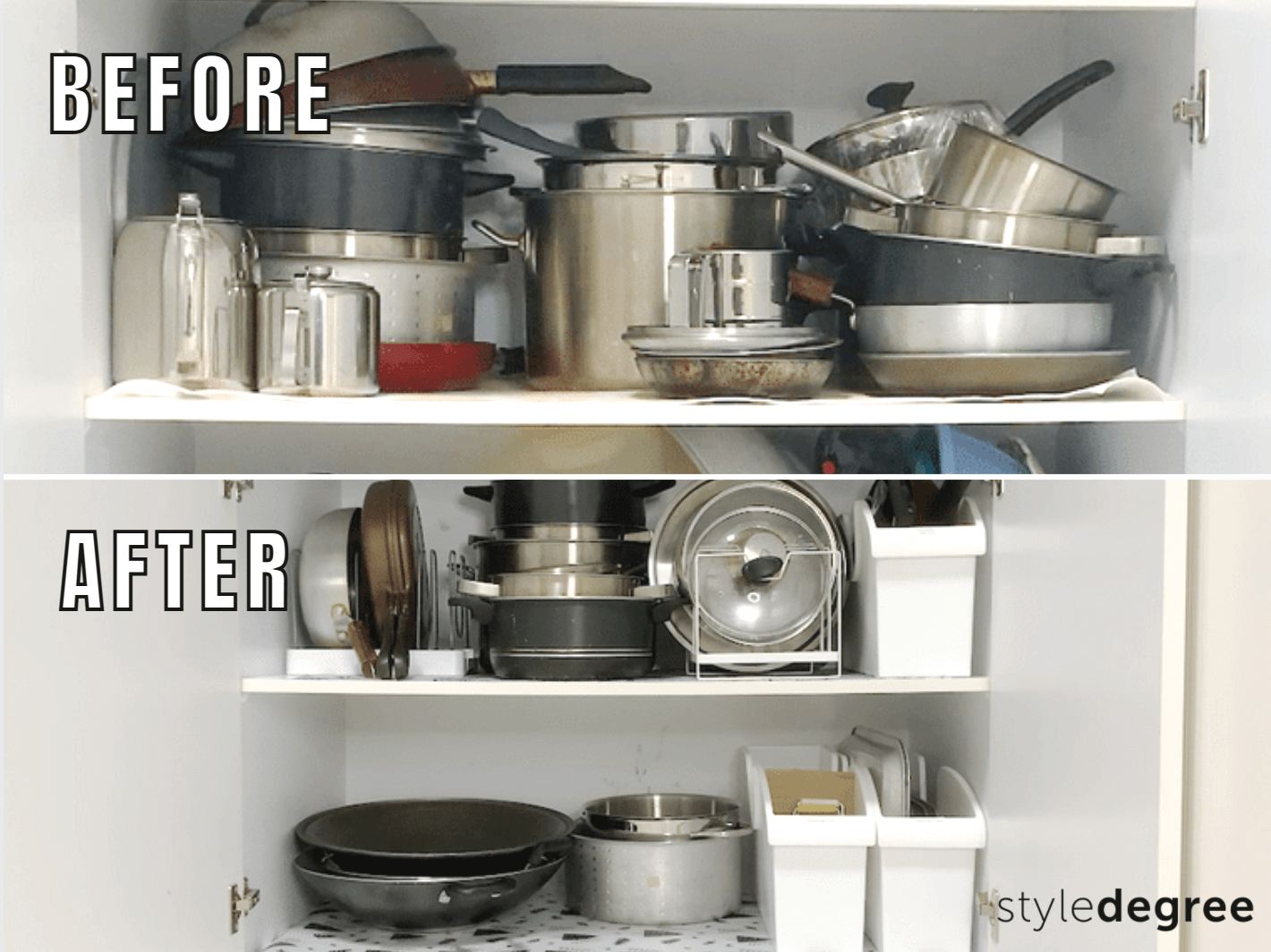
Credit: styledegree.sg
Fix Minor Damages Promptly
Small damages in cabinet storage can get worse over time. Fixing them quickly keeps your cabinets strong.
Prompt repairs save money and keep your storage looking neat. It also prevents bigger problems later.
Repairing Scratches
Scratches on cabinet surfaces can be fixed easily. Light scratches often disappear with simple touch-up.
Use a wood marker or filler that matches your cabinet color. Rub gently and wipe off extra material.
- Clean the area before applying filler
- Match the color for better blending
- Allow filler to dry fully before use
Tightening Hinges
Loose hinges cause doors to sag or not close well. Check hinges regularly and tighten screws as needed.
If screws are stripped, replace them with slightly bigger ones. This keeps the doors stable and aligned.
- Use a screwdriver to check all hinge screws
- Tighten screws until the hinge feels firm
- Replace damaged screws to hold hinges properly
Replacing Worn-out Parts
Parts like handles, hinges, or shelves wear out over time. Replace them to keep cabinets functional.
Choose parts that fit your cabinet style and size. This helps maintain the cabinet’s look and strength.
- Inspect parts regularly for damage or wear
- Buy replacement parts from hardware stores
- Follow instructions to install parts correctly
Frequently Asked Questions
How Often Should I Clean Cabinet Storage?
Clean cabinet storage every 3 to 6 months. Regular cleaning prevents dust buildup and keeps items organized. Wipe shelves and doors with a damp cloth. Avoid harsh chemicals to protect cabinet surfaces. This routine maintains hygiene and prolongs cabinet life.
What Is The Best Way To Organize Cabinet Storage?
Group similar items together to simplify access. Use clear containers or labels to identify contents easily. Utilize shelf risers or dividers to maximize space. Regularly declutter to remove unused items. This keeps cabinets tidy and efficient for daily use.
How Can I Prevent Cabinet Storage Damage?
Avoid overloading shelves to prevent warping or breaking. Use liners to protect surfaces from spills and scratches. Keep cabinets dry to avoid moisture damage or mold. Handle doors gently to maintain hinges. Proper care extends cabinet durability.
What Materials Are Ideal For Cabinet Storage Liners?
Choose non-slip, waterproof liners made from vinyl or rubber. These materials protect cabinet surfaces from spills and scratches. They are easy to clean and durable. Avoid adhesive liners that may leave residue. Proper liners enhance cabinet cleanliness and longevity.
Conclusion
Keeping cabinet storage neat saves time and space. Clean regularly to avoid dust and clutter. Use bins and labels to find items fast. Store heavy items on lower shelves for safety. Arrange items by frequency of use for easy access.
Small changes make a big difference in organization. A tidy cabinet helps keep your home calm. Start today and enjoy a more organized space tomorrow.