
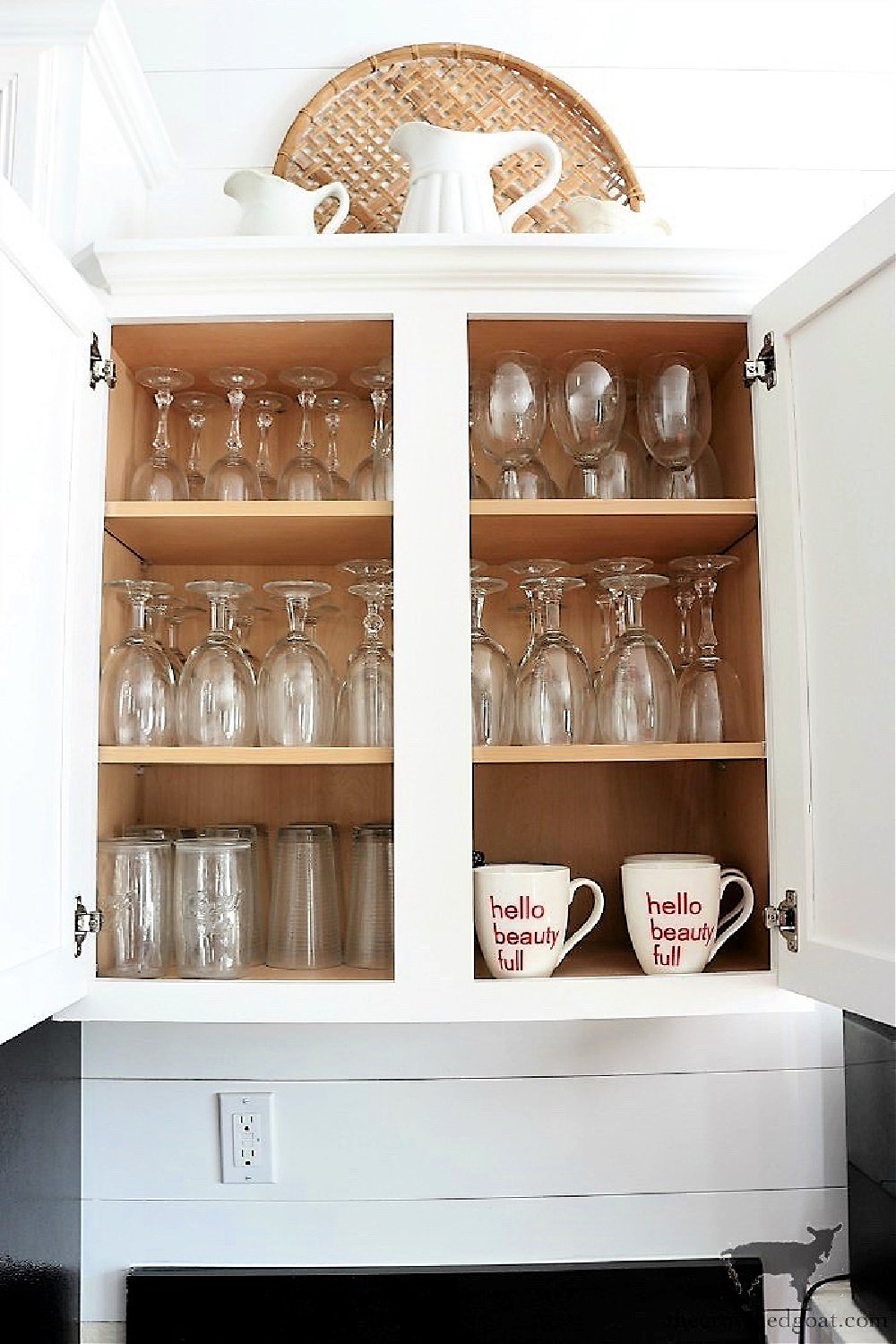
Are you tired of digging through messy cabinets every time you need something? Keeping your cabinets organized can save you time, reduce stress, and even make your space look cleaner.
But how do you maintain that neatness day after day without feeling overwhelmed? You’ll discover simple, practical tips that make cabinet organization easy and lasting. Get ready to transform your cabinets into a clutter-free zone you’ll actually enjoy using. Keep reading—you’re just a few steps away from a more organized life.
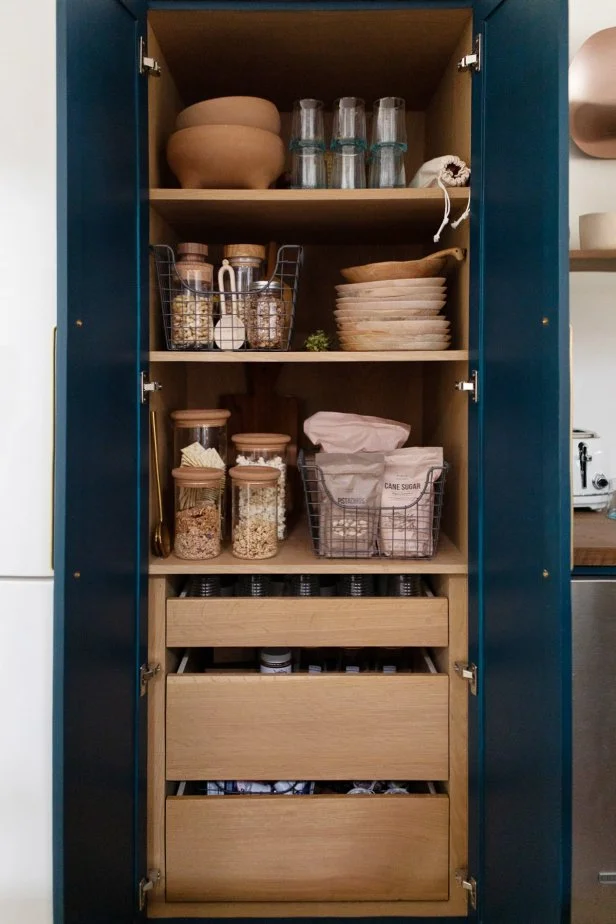
Credit: www.hgtv.com
Choosing The Right Storage Solutions
Keeping cabinets organized helps you find things easily. Choosing the right storage solutions is key. Different solutions suit different needs and spaces.
Explore various organizers, use vertical space, and try clear containers. These tips make your cabinets neat and accessible.
Types Of Cabinet Organizers
Cabinet organizers come in many forms. Shelf risers, lazy Susans, and pull-out drawers are common. Each type offers specific benefits for different items.
- Shelf risers add extra layers for stacking.
- Lazy Susans provide easy access in corners.
- Pull-out drawers help reach items at the back.
Maximizing Vertical Space
Vertical space is often overlooked. Use stackable bins and tiered racks to make the most of it. Vertical space helps store more without clutter.
- Stackable bins keep items organized and accessible.
- Tiered racks make it easy to view all items.
Using Clear Containers
Clear containers show what’s inside without opening them. They save time and reduce the need to label everything. They are useful for food and supplies.
- Clear containers prevent spills and messes.
- They make it easy to see when items need restocking.

Credit: www.hgtv.com
Decluttering Before Organizing
Before organizing your cabinets, it is important to declutter. Removing extra items makes organizing easier.
Decluttering helps you see what you really have. It frees up space for things you use often.
Sorting Items By Use
Sort your cabinet items by how often you use them. Keep daily items within easy reach.
Place rarely used items in harder to reach spots. This helps keep your cabinet neat and practical.
- Daily use items: spices, plates, cups
- Weekly use items: baking tools, large pots
- Rare use items: seasonal dishes, special gadgets
Discarding Unnecessary Items
Throw away broken or expired items. These take up space and cause clutter.
Look for duplicates you do not need. Keeping only what you use saves room and time.
- Expired food or spices
- Damaged containers or lids
- Extra items that never get used
Donating Or Recycling
Give away items in good condition but no longer needed. Someone else might use them well.
Recycle paper, plastic, or glass items properly. This helps reduce waste and clutter.
- Donate usable kitchen tools or dishes
- Recycle empty jars and containers
- Offer extra items to friends or community groups
Creating Zones For Different Items
Organizing your cabinets by creating zones helps keep things neat and easy to find. Each zone holds items that belong together. This system saves time and reduces clutter.
When you use zones, you give each type of item its own space. This makes your cabinet more useful and less messy.
Grouping Similar Items
Put items that are alike in the same area. For example, keep all baking supplies together. This helps you find what you need quickly.
Grouping also makes it easier to see what you have. You can avoid buying duplicates and keep track of your supplies.
- Store canned goods on one shelf
- Keep pots and pans in one cabinet
- Place snacks in a separate zone
- Group cleaning products away from food
Designating Frequent Use Areas
Put items you use often in easy-to-reach spots. This saves time when cooking or cleaning. Less used items can go higher or lower.
Think about what you grab daily and keep those items close. This keeps your cabinet organized and practical.
- Keep daily dishes near the sink
- Place coffee supplies close to the coffee maker
- Store rarely used appliances on top shelves
- Keep spices near the cooking area
Labeling Sections
Use labels to mark each zone clearly. Labels help everyone in the house know where things belong. This keeps the cabinet tidy over time.
You can use simple tags or stickers. Make the labels easy to read and place them at eye level.
- Label shelves with item categories
- Use clear containers with labels
- Change labels as needed
- Keep labels neat and visible
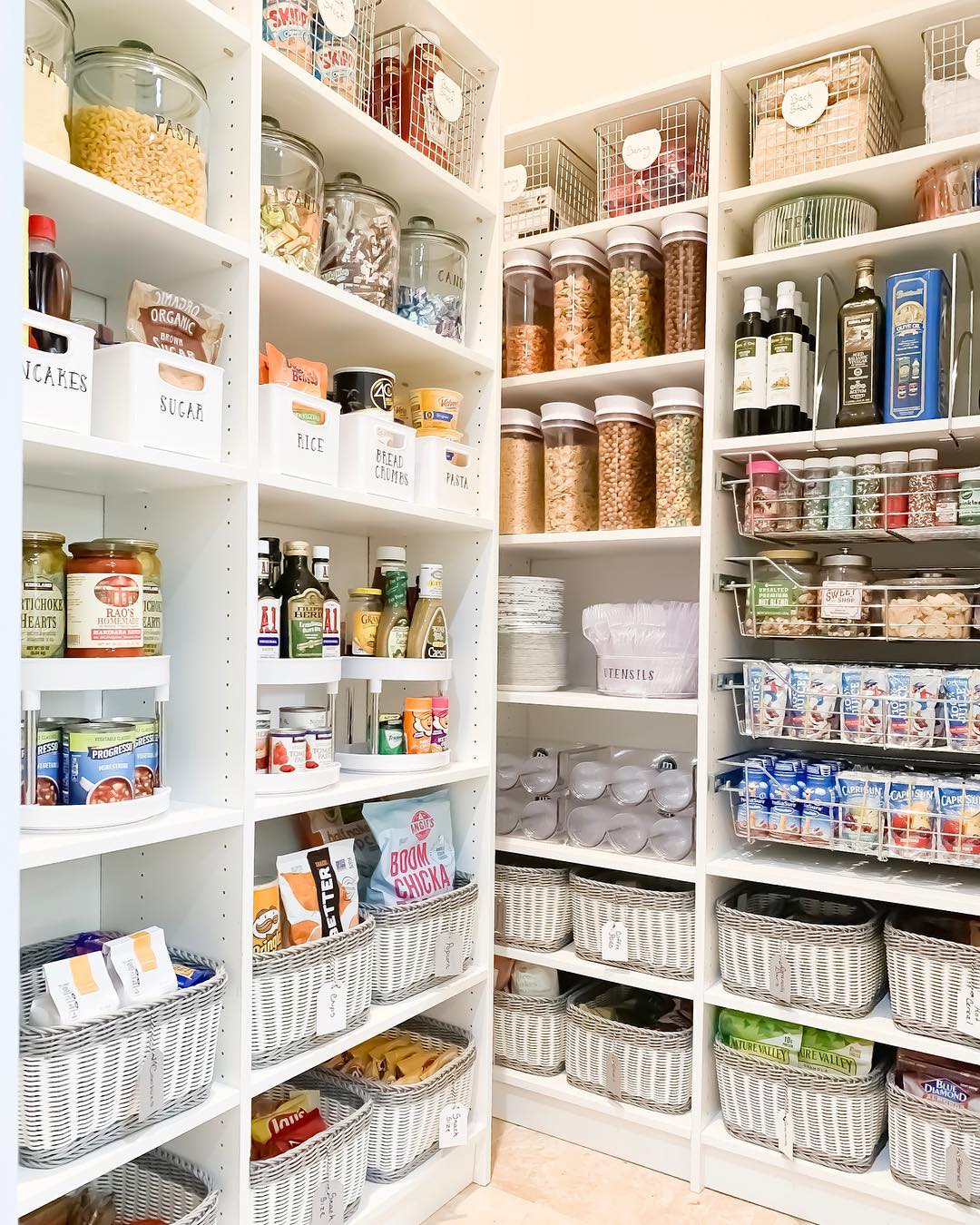
Credit: www.extraspace.com
Maintaining Cleanliness And Order
Keeping your cabinets clean and organized helps you find items quickly. It also makes your kitchen or workspace look neat and tidy.
Regular care can stop clutter from building up. Simple habits and quick actions keep everything in place.
Regular Cleaning Schedule
Set a cleaning routine to keep cabinets fresh and dust-free. Clean shelves and surfaces at least once a month.
Empty the cabinets before wiping them. Use a mild cleaner to avoid damage. Check for expired or unused items to remove.
- Choose a day each month for cabinet cleaning
- Wipe shelves with a damp cloth
- Discard expired or broken items
- Organize items before putting them back
Daily Tidying Habits
Spend a few minutes each day to keep cabinets orderly. Put items back in their place after use. This prevents clutter from growing.
Check for spills or crumbs and clean them immediately. Small daily efforts make a big difference over time.
- Return items to their spot after use
- Wipe small spills right away
- Keep cabinet doors closed
- Use containers to group similar items
Quick Fixes For Messes
Fix messes quickly to avoid bigger problems. Use simple tools like wipes or small brushes to clean fast.
If a spill happens, blot it first before wiping. For crumbs, use a handheld vacuum or a dry cloth.
- Keep cleaning wipes nearby for fast use
- Blot liquid spills before wiping
- Use a small brush for crumbs
- Clean sticky spots immediately
Adapting Organization To Lifestyle Changes
Keeping your cabinets organized helps you find things quickly. As your lifestyle changes, your organization should change too. Adapting your cabinets makes daily life easier.
Changes like seasons, family size, or hobbies affect what you store. Adjusting your cabinet setup keeps everything neat and useful.
Seasonal Adjustments
Seasonal items take up space only part of the year. Moving these things helps keep cabinets tidy. Store summer gear in a less used area during winter.
Swap items like holiday dishes or outdoor supplies to fit the season. This keeps frequently used items easy to reach all year.
- Store seasonal items in labeled bins
- Keep daily items at eye level
- Use clear containers for easy viewing
- Rotate items every few months
Updating Storage Needs
Your storage needs change with new hobbies or family growth. Review your cabinet space regularly. Remove items you no longer use.
Add storage tools like shelves or baskets to fit your current needs. This helps keep everything in order and easy to find.
- Check for expired or unused items
- Add dividers for small objects
- Use stackable containers to save space
- Adjust shelf height for bigger items
Involving Family Members
Everyone uses the cabinets differently. Ask family members for their input on organizing. This makes sure the system works for all.
Assign spots for shared items and personal belongings. Teach kids how to keep cabinets tidy. This keeps the space neat and shared fairly.
- Hold a family meeting about cabinet use
- Label spaces for each person
- Set simple rules for putting things away
- Make tidying a daily or weekly habit
Frequently Asked Questions
How Often Should I Organize My Cabinets?
Organize your cabinets every 3 to 6 months to maintain order. Regular tidying prevents clutter buildup and keeps items easily accessible. Frequent checks help identify expired or unused products, ensuring your space stays efficient and clean.
What Are The Best Tools For Cabinet Organization?
Use clear bins, drawer dividers, and lazy Susans for effective organization. Labels help quickly locate items and maintain order. These tools maximize space and keep your cabinets neat, improving accessibility and reducing clutter.
How Can I Keep Cabinets Clutter-free Longer?
Adopt a one-in, one-out rule for items entering your cabinets. Regularly declutter and return items to their designated spots after use. This habit limits accumulation and maintains a tidy, organized cabinet space.
Should I Group Items By Category In Cabinets?
Yes, grouping items by category enhances cabinet organization. It simplifies finding and storing items, saving time. Categorized storage also helps identify when supplies run low, promoting efficient kitchen management.
Conclusion
Keeping your cabinets tidy saves time and reduces stress. Small daily habits help maintain order easily. Use containers and labels to find items quickly. Regularly remove things you no longer need. Organizing your cabinets makes cooking and cleaning smoother. A neat space feels welcoming and calm.
Start with one shelf, then move on. Consistency is key to lasting cabinet organization. Your home will feel more comfortable and spacious. Simple steps lead to big improvements over time.