

You’ve chosen biodegradable containers to help protect the planet, but do you know how to keep them in the best shape? Taking care of these eco-friendly containers isn’t just good for the environment—it also saves you money and keeps your food fresh longer.
You’ll discover simple, practical tips that make maintaining your biodegradable containers easy and effective. Keep reading, and you’ll learn how a few small habits can make a big difference for both your containers and the world around you.

Credit: www.thegreencompany.online
Choosing The Right Containers
Biodegradable containers are eco-friendly and reduce waste. Choosing the right ones is important for effective use.
Factors like materials and intended use matter when selecting containers. Understanding these can help you make better choices.
Types Of Biodegradable Materials
Biodegradable containers are made from various materials. These materials break down naturally over time.
Common materials include plant-based fibers and bioplastics. Each has unique properties and benefits.
- Plant-based fibers: Made from crops like corn or sugarcane
- Bioplastics: Derived from renewable resources
- Paper and cardboard: Easily decomposes in the environment
Suitability For Different Uses
Different uses require different types of containers. Some materials are better suited for specific purposes.
Consider what you will store or transport in the container. This helps in selecting the most suitable biodegradable option.
- Food storage: Containers should be leak-proof and safe for food contact
- Plant pots: Must allow air and water flow for healthy plant growth
- Packaging: Needs to be durable for shipping and handling
Cleaning Techniques
Biodegradable containers need special care to last longer. Cleaning them the right way keeps them safe and useful.
Using gentle cleaning methods helps protect the material. Avoiding harsh chemicals prevents damage and pollution.
Gentle Washing Methods
Use warm water and mild soap to clean biodegradable containers. Soft cloths or sponges work best to avoid scratching.
Rinse the containers well to remove all soap. Let them air dry fully before storing to stop mold growth.
- Use warm, not hot, water
- Choose mild, eco-friendly soap
- Clean with soft cloth or sponge
- Rinse thoroughly after washing
- Air dry completely before use
Avoiding Harsh Chemicals
Harsh chemicals can break down biodegradable containers. Avoid bleach, strong detergents, and solvents.
These chemicals harm the environment and reduce container life. Choose gentle, natural cleaning products instead.
- Do not use bleach or ammonia
- Avoid strong detergents or solvents
- Pick natural or biodegradable cleaners
- Read labels to check for harsh ingredients
Proper Drying Practices
Biodegradable containers need careful drying to last longer. Wet containers can break down or grow mold.
Drying them well helps keep their shape and stops damage. This guide explains good drying habits.
Air Drying Benefits
Air drying is the best way to dry biodegradable containers. It uses natural air to remove moisture.
This method keeps containers safe from heat damage that machines can cause. It also saves energy.
- Prevents warping caused by heat
- Extends container lifespan
- Does not use electricity
- Keeps containers in their natural shape
Preventing Mold Growth
Mold grows on wet or damp biodegradable containers. This ruins them and can cause odors.
To stop mold, dry containers quickly and store them in a dry place. Good airflow helps too.
- Dry containers soon after washing
- Use racks or stands for airflow
- Keep storage areas dry and ventilated
- Check containers regularly for damp spots

Credit: hongrenpacking.com
Storage Tips
Biodegradable containers need special care to last longer. Proper storage helps keep them strong and useful.
Storing these containers in the right way stops damage from heat, moisture, and other elements.
Ideal Storage Conditions
Keep biodegradable containers in a clean, dry place. Avoid direct sunlight and dust to protect them.
Use shelves or cabinets that allow air to flow around the containers. This helps prevent mold and warping.
- Store containers away from strong odors
- Keep them on flat surfaces to avoid bending
- Use airtight boxes for long-term storage
Avoiding Excessive Heat And Moisture
Heat and moisture can cause biodegradable containers to break down faster. Keep them cool and dry.
Do not store containers near heaters, ovens, or damp areas like basements or bathrooms.
- Keep containers below 25°C (77°F)
- Use moisture absorbers if needed
- Open packages only when ready to use
Handling And Usage
Biodegradable containers need careful handling to last longer. Proper use helps keep them strong and safe for the environment.
Using these containers correctly reduces waste and protects their quality. Follow simple tips to maintain them well.
Minimizing Physical Damage
Handle containers gently to avoid cracks or breaks. Rough handling can cause damage that shortens their life.
Stack containers carefully to prevent crushing. Avoid heavy weights on top of them.
- Carry containers with both hands
- Do not drop or throw containers
- Store containers on flat, clean surfaces
- Avoid sharp objects near containers
- Use protective liners if stacking containers
Safe Temperature Ranges
Keep containers within safe temperatures to avoid warping or melting. Extreme heat or cold can harm the material.
Do not use biodegradable containers in ovens or microwaves unless labeled safe. Use them mainly for room temperature or chilled foods.
- Use containers for food under 120°F (49°C)
- Do not freeze containers below 32°F (0°C) unless specified
- Avoid direct contact with flames or hot surfaces
- Check manufacturer guidance for temperature limits
Extending Lifespan
Biodegradable containers need proper care to last longer. Taking simple steps helps keep them strong.
Extending their lifespan reduces waste and saves money. Regular attention prevents early damage.
Regular Inspection
Check containers often for cracks or soft spots. Early detection stops problems from growing.
Look at seams and lids carefully. Make sure containers stay dry and clean during checks.
- Inspect before and after each use
- Look for holes or tears
- Check if lids close tightly
- Keep containers away from heat sources
Repairing Minor Damages
Fix small tears or cracks quickly to stop damage from spreading. Use safe, eco-friendly glue if needed.
Clean the area before repair. Let the glue dry fully before using the container again.
- Use gentle cleaning agents
- Apply glue evenly on damaged spots
- Allow enough drying time
- Avoid heavy use on repaired containers
Disposal And Composting
Biodegradable containers help reduce waste and protect the environment. Proper disposal and composting keep them effective.
Knowing how to dispose of and compost these containers is important. It helps them break down safely and quickly.
Composting Guidelines
Place biodegradable containers in a compost bin or pile. Make sure the compost has enough moisture and air.
Break the containers into smaller pieces before composting. This speeds up the natural breakdown process.
- Use a hot compost pile for faster results
- Turn the compost regularly to add oxygen
- Avoid composting containers with plastic or metal parts
- Keep the compost moist but not wet
Environmental Benefits
Biodegradable containers reduce landfill waste and pollution. They turn into natural materials that nourish the soil.
Composting these containers lowers greenhouse gases. It also saves energy compared to making new plastic products.
- Reduces plastic pollution
- Improves soil health
- Lowers carbon footprint
- Supports sustainable waste management
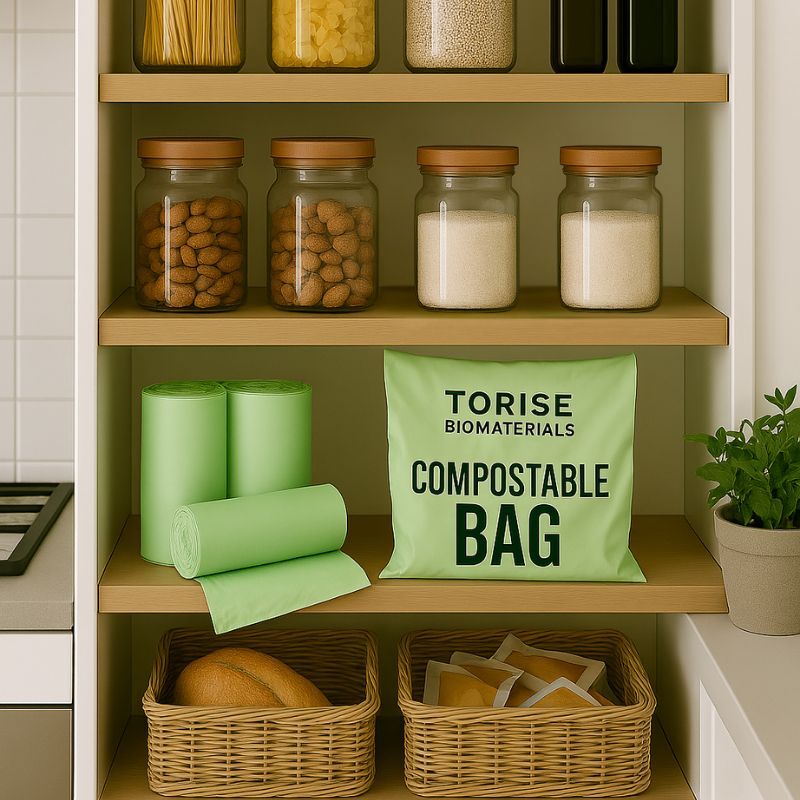
Credit: www.torisegroup.com
Frequently Asked Questions
How Do I Clean Biodegradable Containers Properly?
To clean biodegradable containers, use mild soap and warm water. Avoid harsh chemicals or abrasive scrubbers that may damage them. Gently wipe or rinse to remove food residue. Proper cleaning extends their lifespan and maintains their eco-friendly properties.
Can Biodegradable Containers Be Reused Safely?
Yes, biodegradable containers can be reused if cleaned properly. Avoid using them for hot or oily foods repeatedly. Reuse helps reduce waste but ensure the container remains intact and odor-free before reuse.
How To Store Biodegradable Containers Correctly?
Store biodegradable containers in a cool, dry place away from direct sunlight. Keep them airtight to prevent moisture and contamination. Proper storage preserves their quality and biodegradability for longer use.
Are Biodegradable Containers Microwave Safe?
Most biodegradable containers are microwave safe, but check the product label first. Avoid overheating as it can weaken the material. Use microwave-safe lids or covers to prevent spills during heating.
Conclusion
Maintaining biodegradable containers helps protect the environment. Clean them gently after each use. Avoid harsh chemicals that can damage the material. Store containers in a dry, cool place. Proper care extends their life and usefulness. Small efforts make a big difference.
Keep using and caring for these eco-friendly options. Your actions support a greener planet. Simple steps lead to lasting benefits for all.