
Are you using biodegradable containers but unsure how to keep them in the best shape? Maintaining these eco-friendly options is easier than you think, and doing it right can save you money and help the planet.
You’ll discover simple, practical tips that make your biodegradable containers last longer and work better. Ready to get the most out of your green choices? Keep reading to find out how!
Choosing The Right Containers
Biodegradable containers are eco-friendly and help reduce waste. Picking the right ones ensures they serve their purpose well.
Consider the materials and durability when selecting biodegradable containers. These factors impact their effectiveness and lifespan.
Materials To Consider
Different materials offer various benefits. It is important to know which ones suit your needs best.
Common materials include plant fibers, cornstarch, and recycled paper. Each type has its own advantages and limitations.
- Plant fibers are strong and compostable.
- Cornstarch is versatile and breaks down quickly.
- Recycled paper is easy to source and biodegradable.
Durability Factors
Durability affects how well containers hold up during use. It is crucial for maintaining their integrity.
Consider factors like moisture resistance and strength. These determine how containers perform under different conditions.
- Moisture resistance ensures containers do not break when wet.
- Strength helps them carry heavy items without tearing.
- Temperature tolerance allows use with hot or cold foods.
Credit: www.torisegroup.com
Cleaning Techniques
Maintaining biodegradable containers helps them last longer and stay safe. Proper cleaning keeps them free from bacteria and damage.
Use gentle cleaning methods to protect the container’s material. Avoid harsh treatments that can cause wear or pollution.
Hand Washing Tips
Wash biodegradable containers by hand using warm water. This prevents damage from strong machine cycles.
Use a soft sponge or cloth to clean the containers. Scrub gently to remove food residue without scratching.
- Rinse with warm water before washing
- Use mild dish soap with no strong scents
- Clean all sides and corners carefully
- Dry with a soft towel or air dry
Avoiding Harsh Chemicals
Do not use bleach or strong detergents on biodegradable containers. These chemicals can break down the materials.
Choose natural or gentle cleaners that are safe for compostable products. This protects both the container and the environment.
- Skip bleach and ammonia-based cleaners
- Use mild, plant-based soaps instead
- Check labels for eco-friendly ingredients
- Rinse thoroughly to remove all soap
Proper Storage Methods
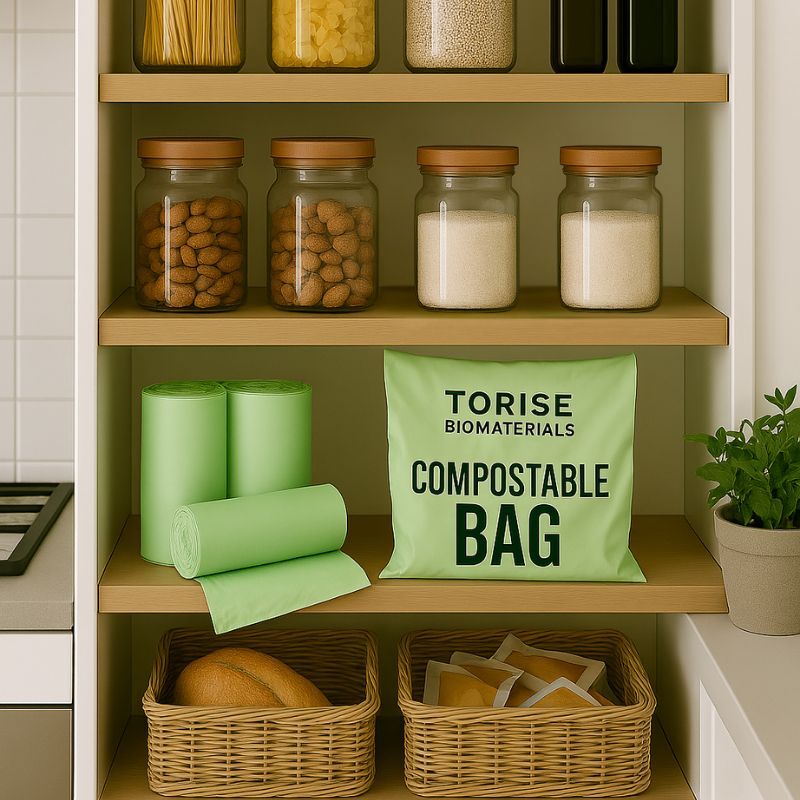
Biodegradable containers need careful storage to last longer. Proper storage keeps them strong and safe.
Storing these containers right helps avoid damage and preserves their natural breakdown features.
Temperature Control
Keep biodegradable containers in cool, stable places. High heat can make them weaken or melt.
Low temperatures help containers keep their shape and durability for longer times.
- Store containers away from direct sunlight
- Keep the storage area between 15°C and 25°C (59°F to 77°F)
- Avoid hot places like near ovens or heaters
Avoiding Moisture Damage
Moisture can weaken biodegradable containers and cause mold growth. Keep them dry.
Use dry storage areas and protect containers from rain or spills to avoid damage.
- Store containers in a dry room with good air flow
- Use sealed boxes or plastic covers to keep moisture out
- Check containers regularly for damp spots or mold
Credit: www.packagingdigest.com
Extending Container Lifespan
Biodegradable containers break down naturally over time. Taking care of them can make them last longer. This helps reduce waste and saves money.
Simple actions can keep containers strong and useful. Check them often and fix small problems fast.
Regular Inspections
Look at containers regularly to find cracks or weak spots early. Inspect before and after use to catch damage fast.
Check for discoloration or signs of mold. These can show that the container is breaking down too soon.
- Inspect lids and seals for tightness
- Look for holes or tears in the material
- Note any changes in texture or smell
- Keep a log of inspection dates and findings
Repairing Minor Damages
Fix small cracks or holes quickly to prevent bigger damage. Use safe, eco-friendly tape or glue made for biodegradable materials.
Clean the area before repair to help the patch stick well. Avoid harsh chemicals that can harm the container’s material.
- Use water-based adhesives for repairs
- Apply tape on both sides of the damage
- Allow time for glue to dry fully
- Replace containers if damage is too large
Disposal And Composting
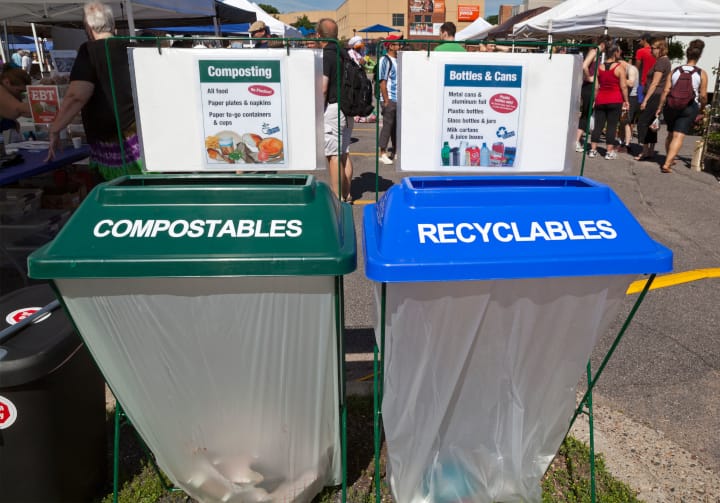
Biodegradable containers are made to break down naturally. Proper disposal helps the environment.
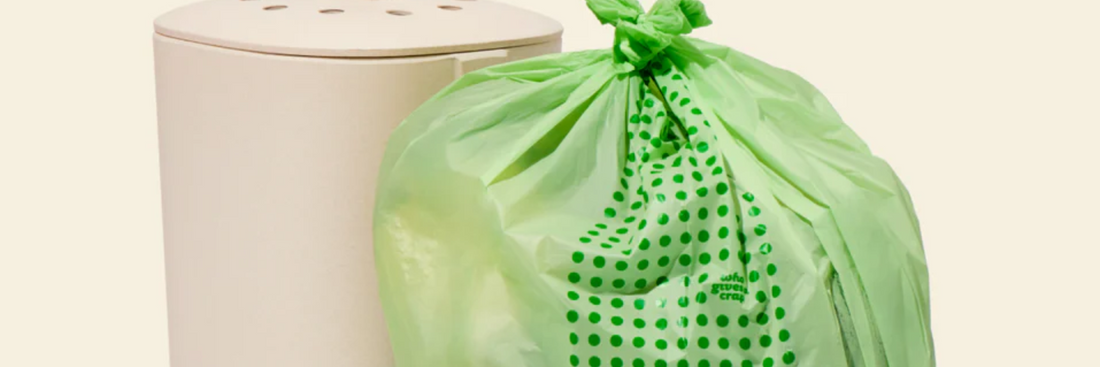
Composting these containers turns waste into useful soil. This reduces landfill use and pollution.
Composting Guidelines
Check if the container is certified compostable. Not all biodegradable containers break down the same way.
Remove any food residue before composting. Clean containers break down faster and better.
- Use a home or industrial composting system
- Keep compost moist and aerated
- Break containers into small pieces
- Avoid composting with plastic or metal parts
Environmental Impact
Biodegradable containers reduce plastic waste. They lower pollution when disposed of properly.
Composting helps return nutrients to the soil. It supports plant growth and reduces greenhouse gases.
- Less trash in landfills
- Reduced carbon footprint
- Improved soil health
- Supports sustainable waste management
Credit: www.kimecopak.ca
Frequently Asked Questions
How Do I Clean Biodegradable Containers Properly?
Use mild soap and warm water to clean biodegradable containers. Avoid harsh chemicals and abrasive scrubbers to maintain their integrity. Hand washing is recommended to prolong their lifespan and ensure they remain eco-friendly.
Can Biodegradable Containers Be Reused Safely?
Yes, biodegradable containers can be reused if cleaned gently. Avoid using them for hot or acidic foods multiple times. Reusing helps reduce waste but do not overuse to prevent breakdown and contamination.
How Should I Store Biodegradable Containers?
Store biodegradable containers in a cool, dry place away from direct sunlight. Avoid moisture and heat, which can accelerate their decomposition. Proper storage helps maintain their durability and usability for longer.
Are Biodegradable Containers Compostable At Home?
Many biodegradable containers are compostable at home but check the label first. They break down faster in industrial compost facilities. Home composting requires proper conditions like temperature, moisture, and aeration for effective decomposition.
Conclusion
Maintaining biodegradable containers keeps them useful longer. Clean them gently with mild soap and water. Avoid harsh chemicals that break down materials fast. Store containers in dry, cool places to prevent damage. Proper care helps reduce waste and protect the environment.
Small steps make a big difference in daily life. Choose eco-friendly products and treat them well. Your efforts support a cleaner, greener planet for all. Easy habits lead to lasting benefits. Keep biodegradable containers in good shape and use them often.