
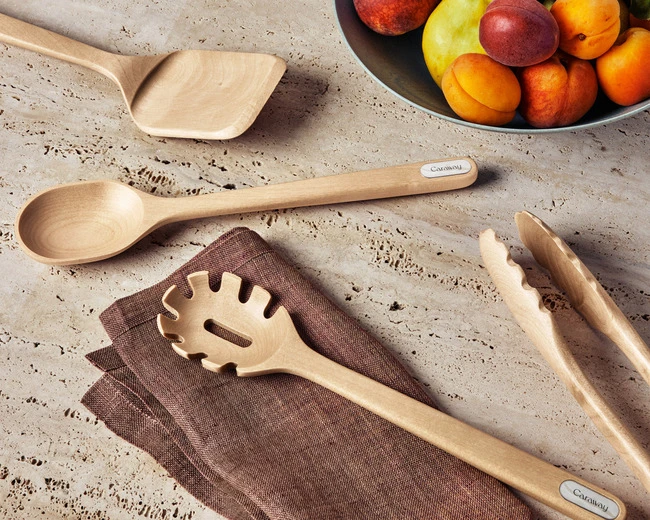
If you love cooking with bamboo utensils, you know how special they are. They’re gentle on your cookware, eco-friendly, and add a natural touch to your kitchen.
But to keep them looking great and lasting longer, you need to care for them the right way. Imagine your bamboo spoons and spatulas staying smooth, strong, and free from cracks for years. You’ll discover simple and effective tips to maintain your bamboo utensils so they stay as good as new.
Keep reading to unlock the secrets that will protect your favorite kitchen tools every time you cook.

Credit: www.bambuhome.com
Choosing Quality Bamboo Utensils
Bamboo utensils are eco-friendly and durable. Choosing the right ones ensures they last longer.
Focus on quality when selecting bamboo utensils for cooking. Quality utensils make cooking easier and more enjoyable.
Types Of Bamboo Utensils
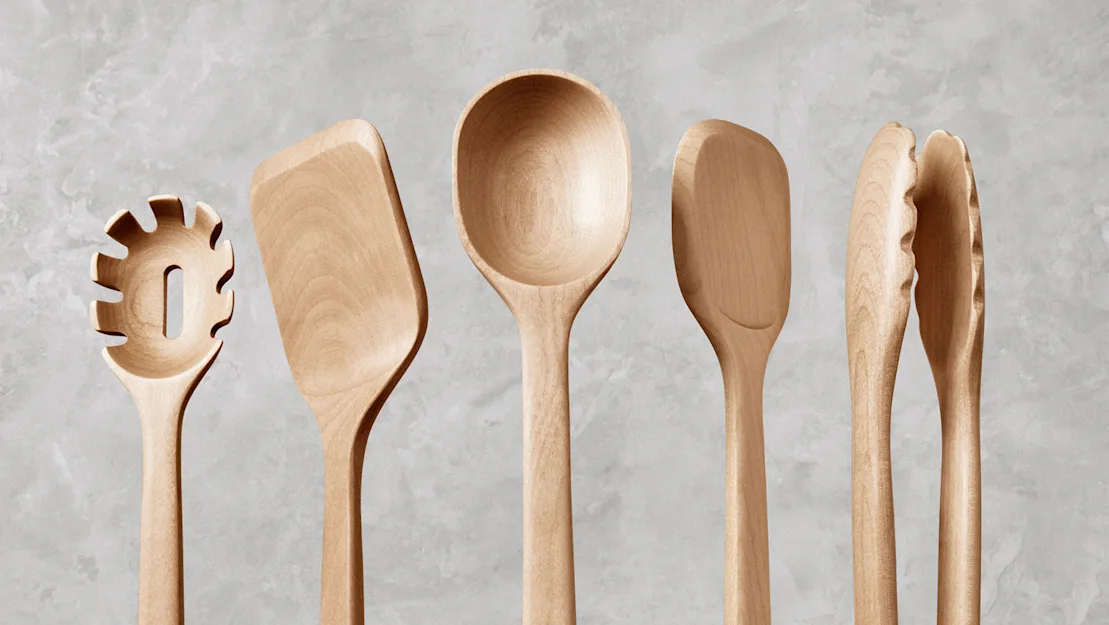
Bamboo utensils come in various types. Each serves a unique purpose in the kitchen.
- Spoons: Great for stirring and serving.
- Spatulas: Useful for flipping and scraping.
- Tongs: Perfect for gripping hot food.
- Forks: Ideal for mixing and tossing salads.
Signs Of Good Craftsmanship
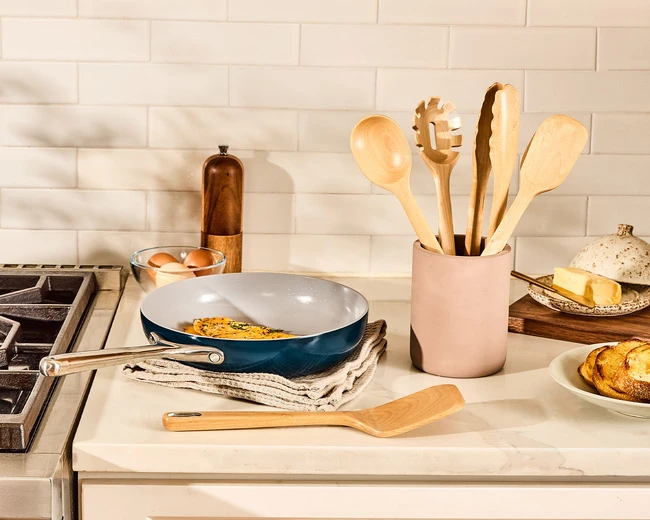
Good craftsmanship is key to durable bamboo utensils. Look for smooth finishes and sturdy construction.
Check for even color and absence of cracks. These signs indicate high-quality craftsmanship.
- Even color throughout the utensil
- Smooth edges and surfaces
- No visible cracks or splinters
- Strong and sturdy feel
Credit: www.carawayhome.com
Cleaning Bamboo Utensils
Bamboo utensils need special care to last long. Cleaning them right keeps them safe for cooking.
Use gentle cleaning methods to avoid damage. This guide shows how to clean bamboo utensils well.
Hand Washing Techniques
Wash bamboo utensils by hand with warm water and mild soap. Avoid soaking them for too long.
Use a soft sponge or cloth to clean gently. Scrub away food bits without scratching the surface.
Avoiding Harsh Chemicals
Do not use bleach or strong detergents on bamboo utensils. These chemicals can harm the wood.
Stick to natural or mild soaps to keep your utensils safe and clean. Harsh chemicals can cause cracks.
Drying Properly
After washing, dry bamboo utensils with a clean towel. Do not leave them wet or in water.
Let utensils air dry fully before storing. Proper drying stops mold and keeps bamboo strong.
Seasoning Bamboo Utensils
Bamboo utensils are a great choice for cooking. They are light, strong, and eco-friendly. To keep them in good shape, seasoning is important.
Seasoning helps protect bamboo utensils from water and stains. It also keeps them smooth and safe to use with food.
Why Seasoning Matters
Seasoning bamboo utensils stops water from soaking in. This prevents cracking and warping. It also stops germs from growing.
Without seasoning, bamboo can dry out and break faster. Seasoning keeps the wood strong and lasts longer.
Best Oils To Use
Choose natural oils that are safe for cooking utensils. These oils soak into bamboo and protect it well.
- Mineral oil: Food-safe and easy to find
- Coconut oil: Natural and has a mild smell
- Walnut oil: Good for deep conditioning
- Beeswax mixed with oil: Adds extra protection
How To Apply Seasoning
Clean the bamboo utensil with warm water and dry it well. Avoid soaking it in water before seasoning.
Use a clean cloth or paper towel to rub the oil into the bamboo. Cover all surfaces evenly with a thin layer.
- Let the oil soak in for a few hours or overnight
- Wipe off any extra oil with a dry cloth
- Repeat the process every few weeks to keep utensils protected
- Store utensils in a dry place after seasoning
Storage Tips For Longevity
Bamboo utensils are strong and eco-friendly. Proper storage helps them last longer.
Storing bamboo utensils correctly stops damage and keeps them safe for cooking.
Avoiding Moisture And Heat
Keep bamboo utensils away from water and heat. Moisture can cause warping or mold.
Heat can dry out bamboo and make it crack. Store utensils in a cool, dry place.
- Do not leave utensils in wet sinks
- Keep away from stoves and ovens
- Dry utensils completely before storing
Proper Ventilation
Good airflow prevents moisture buildup. Store bamboo utensils in ventilated areas.
A kitchen drawer with holes or a hanging rack helps air circulate around utensils.
- Use open shelves or racks
- Avoid sealed containers without airflow
- Let utensils dry in the air before storage
Using Protective Covers
Protective covers keep bamboo utensils safe from dust and damage. Use cloth or silicone covers.
Covers also help prevent scratches and stains on the utensils’ surface.
- Choose breathable fabric covers
- Avoid plastic covers that trap moisture
- Clean covers regularly to keep utensils fresh
Handling Repairs And Damage
Bamboo utensils need care to last long. Damage like cracks can happen with use. Fixing small issues early keeps utensils safe and useful.
Knowing when to fix or replace your bamboo tools helps keep your kitchen clean and safe.
Fixing Small Cracks
Small cracks can appear from heat or drying out. Fix these cracks quickly to stop them from growing.
Use food-safe glue to seal cracks. Apply a small amount inside the crack and press the wood together. Let it dry for 24 hours.
- Clean the utensil before fixing
- Use food-safe glue only
- Clamp or press the cracked area
- Let glue dry fully before use
- Sand gently if rough spots remain
When To Replace Utensils
Replace bamboo utensils if cracks are deep or large. Broken pieces can harbor bacteria or cause injury.
Also replace if the utensil smells bad or looks very worn. Old bamboo may lose strength and safety.
- Deep cracks that do not repair well
- Splintered or broken parts
- Persistent bad smells
- Warped or very rough surfaces
- Signs of mold or rot
Credit: www.carawayhome.com
Benefits Of Well-maintained Bamboo Utensils
Bamboo utensils are popular for cooking because they are light and strong. Taking care of them helps keep their look and function.
Keeping bamboo utensils clean and dry makes them last longer. This protects your health and the environment.
Health And Safety
Clean bamboo utensils reduce the risk of bacteria and mold. Proper care stops cracks where germs can hide.
Well-maintained utensils do not absorb food smells or stains. They keep your food safe and tasty.
- Wash with mild soap and warm water
- Dry utensils completely before storing
- Oil utensils regularly to prevent drying
- Avoid soaking bamboo in water
Sustainability And Eco-friendliness
Bamboo grows fast and needs little water. Using bamboo utensils helps protect forests and reduce waste.
Well-maintained bamboo utensils last longer. This means fewer replacements and less trash in landfills.
- Bamboo is a renewable resource
- Durable utensils reduce plastic use
- Proper care lowers environmental impact
- Biodegradable when disposed of correctly
Frequently Asked Questions
How Do I Clean Bamboo Utensils Properly?
Clean bamboo utensils with warm water and mild soap. Avoid soaking them for long periods. Dry immediately with a towel to prevent warping and cracking.
Can Bamboo Utensils Go In The Dishwasher?
No, avoid putting bamboo utensils in the dishwasher. High heat and water exposure can cause splitting and damage the bamboo surface.
How Often Should I Oil Bamboo Utensils?
Oil bamboo utensils once a month or when they look dry. Use food-safe mineral oil to keep them moisturized and prevent cracking.
Why Do Bamboo Utensils Crack Or Warp?
Cracking or warping occurs from prolonged water exposure or drying too fast. Proper cleaning and regular oiling help maintain their shape and durability.
Conclusion
Taking care of bamboo utensils is simple and important. Clean them gently with warm water and mild soap. Avoid soaking or putting them in the dishwasher. Dry them well to stop cracks or mold. Oil your utensils often to keep them smooth and strong.
Good care helps bamboo last longer and stay safe for cooking. Small steps make a big difference. Enjoy cooking with your bamboo tools every day.