
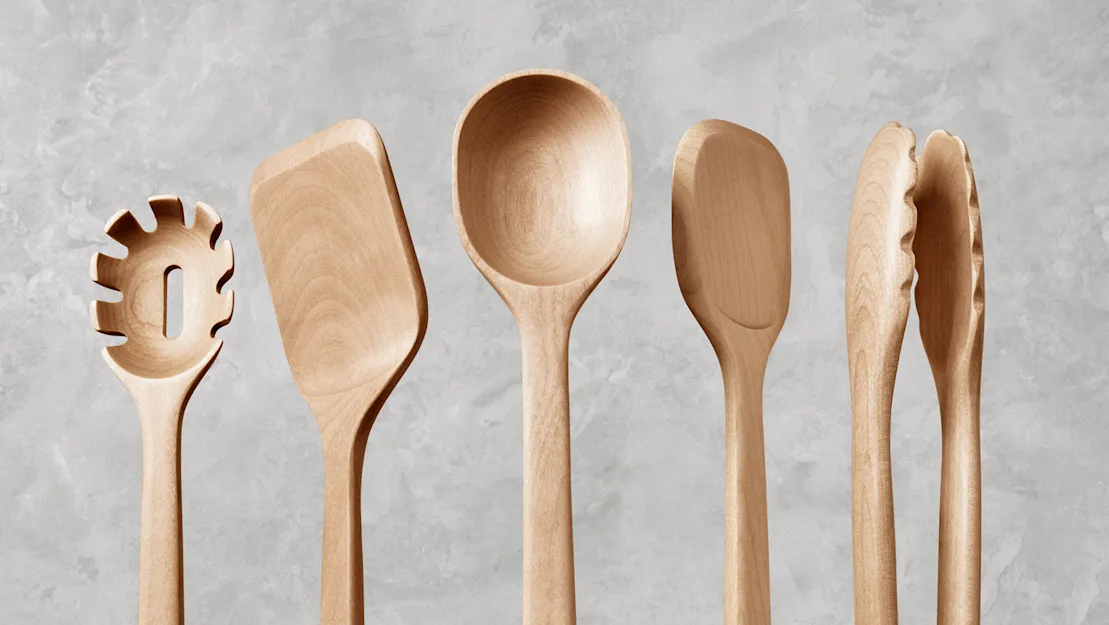
If you love using bamboo utensils, you want them to last long and stay looking great. But do you know the simple steps to keep them in perfect shape?
Taking care of your bamboo kitchen tools isn’t hard, and with the right tips, you can avoid cracks, stains, and odors. You’ll discover easy and effective ways to maintain your bamboo utensils so they stay strong and beautiful every day.
Keep reading to learn how to protect your investment and enjoy your bamboo tools for years to come!

Credit: themmluxe.com
Choosing Quality Bamboo Utensils
Choosing good bamboo utensils helps them last longer. Quality tools are safer and easier to use.
Look for utensils made from strong bamboo and smooth finishes. This keeps your kitchen tools in great shape.
Types Of Bamboo Utensils
Bamboo utensils come in many types. Each type has a special use in the kitchen.
- Spoons: Good for stirring and serving food.
- Spatulas: Perfect for flipping and mixing dishes.
- Chopsticks: Used for eating and cooking Asian dishes.
- Salad tongs: Help toss salads easily.
- Cutting boards: Great for chopping fruits and vegetables.
Signs Of Good Craftsmanship
Good bamboo utensils show careful work. They feel smooth and have no rough edges.
Check if the color is even and natural. The shape should be balanced and easy to hold.
- No cracks or splits in the bamboo
- Well-sanded surfaces without splinters
- Uniform color with no dark or soft spots
- Strong joints if pieces are joined
- Lightweight but sturdy feel
Credit: woodenedgestudios.com
Cleaning Bamboo Utensils
Bamboo utensils are eco-friendly and durable. Proper cleaning keeps them safe and long-lasting.
Cleaning bamboo well prevents damage and avoids bacteria growth. Use gentle methods to keep them in good shape.
Hand Washing Techniques
Always wash bamboo utensils by hand. Avoid dishwashers because heat and water pressure can cause cracks.
- Use warm water and a soft sponge or cloth.
- Scrub gently to remove food residue.
- Rinse thoroughly to clear soap and dirt.
- Clean soon after use to prevent stains and odors.
Avoiding Harsh Detergents
Strong detergents can damage bamboo’s surface and remove natural oils. Use mild soaps instead.
| Detergent Type | Effect on Bamboo |
| Mild Dish Soap | Safe and gentle cleaning |
| Harsh Chemicals | May cause drying and cracking |
| Bleach or Abrasives | Damage fibers and color |
Drying Properly
Dry bamboo utensils quickly to avoid mold and warping. Use air drying or towel drying methods.
- Wipe utensils with a dry cloth immediately after washing.
- Stand them upright to air dry in a well-ventilated area.
- Do not soak bamboo in water for long periods.
- Keep away from direct sunlight to prevent fading.
Preventing Damage And Cracks
Bamboo utensils are strong but need care to last long. Preventing damage and cracks keeps them useful and safe.
Simple habits help keep your bamboo tools in good shape. Avoid actions that can cause breaks or splits.
Avoiding Prolonged Soaking
Leaving bamboo utensils in water for a long time can make them swell and crack. It also allows bacteria to grow inside.
- Wash utensils quickly with mild soap and warm water.
- Do not leave them in the sink or water bowl after use.
- Dry them immediately with a clean cloth.
- Store them in a dry place away from moisture.
Keeping Away From Extreme Heat
Heat can dry out bamboo and cause cracks or warping. Avoid placing utensils near hot stoves or in direct sunlight.
| Heat Source | Effect on Bamboo | Care Tips |
| Stove or Oven | Dries and cracks wood | Keep utensils away from direct heat |
| Dishwasher | Exposes to high heat and water | Hand wash only, avoid dishwasher use |
| Sunlight | Fades color and dries wood | Store in shaded or cool areas |
Conditioning Bamboo Utensils
Conditioning bamboo utensils keeps them strong and long-lasting. It protects the bamboo from drying out and cracking.
Using the right oils and applying them regularly helps maintain the utensils’ natural beauty and safety.
Using Food-safe Oils
Choose oils that are safe for food contact to condition bamboo utensils. These oils soak into the bamboo and create a protective layer.
- Mineral oil is a popular choice because it does not go rancid.
- Coconut oil works well but may need more frequent application.
- Walnut oil is natural but watch for allergies.
- Beeswax mixed with oil adds extra protection.
Frequency Of Oiling
How often you oil bamboo utensils depends on use and washing habits. Regular oiling stops cracks and warping.
| Use Level | Oiling Frequency |
| Daily Use | Once a week |
| Weekly Use | Once every two weeks |
| Occasional Use | Once a month |
Storing Bamboo Utensils
Proper storage of bamboo utensils keeps them in good shape for a long time. It helps prevent damage and maintains their natural look.
Storing bamboo utensils in the right way protects them from cracks and warping. This guide explains easy storage tips.
Best Storage Practices
Keep bamboo utensils dry and clean before storing. Avoid stacking them tightly to allow air flow. Use a drawer or container that keeps dust away.
- Store utensils in a cool, dry place
- Use a utensil holder with holes for air circulation
- Separate large and small utensils to prevent scratches
- Avoid plastic bags or sealed containers that trap moisture
Avoiding Moisture Build-up
Moisture can cause bamboo to swell and crack. It also allows mold to grow. Keep bamboo utensils dry and well-ventilated to avoid these problems.
| Storage Method | Effect on Moisture |
| Closed plastic container | Traps moisture, bad for bamboo |
| Open utensil holder | Allows air flow, keeps dry |
| Drawer with ventilation | Reduces moisture build-up |
| Sealed bags | Causes dampness and mold |
Credit: www.carawayhome.com
Troubleshooting Common Issues
Bamboo utensils are durable but need care to last long. Some problems may appear with regular use.
Learn simple ways to fix stains, odors, and small cracks. These tips keep your utensils looking good.
Removing Stains And Odors
Stains and smells can stick to bamboo utensils after cooking. Cleaning them quickly helps avoid damage.
Use natural ingredients to clean and freshen your utensils without harming the bamboo.
- Rub the utensil with lemon juice or white vinegar to remove stains.
- Sprinkle baking soda on the surface, then scrub gently to remove odors.
- Rinse with warm water and dry completely before storing.
Fixing Minor Splits
Small splits or cracks can appear in bamboo utensils over time. Fixing them quickly stops bigger damage.
Use simple tools and materials to repair splits and keep your utensils strong.
- Clean the split area with a dry cloth.
- Apply food-safe wood glue into the crack.
- Press the split parts together and hold with a clamp or rubber band.
- Let it dry for 24 hours before use.
Frequently Asked Questions
How Do I Clean Bamboo Utensils Safely?
Clean bamboo utensils with mild soap and warm water. Avoid soaking them for long periods to prevent cracking. Dry immediately with a towel to maintain durability and hygiene.
Can Bamboo Utensils Be Washed In A Dishwasher?
No, bamboo utensils should not be washed in a dishwasher. High heat and moisture can cause warping and cracking, reducing their lifespan.
How Often Should I Oil Bamboo Utensils?
Oil bamboo utensils once a month using food-safe mineral oil. This helps maintain moisture, prevents drying, and extends their usability and appearance.
Why Do Bamboo Utensils Crack Or Split?
Bamboo utensils crack due to excessive moisture, heat, or lack of oiling. Proper cleaning and regular oiling prevent splitting and keep them in good condition.
Conclusion
Bamboo utensils need care to last longer. Clean them gently after use. Dry them thoroughly to prevent damage. Store in a dry place. Avoid soaking in water. Use mineral oil occasionally to maintain shine. These steps help keep utensils in top shape.
Enjoy your eco-friendly kitchen tools for years. Simple care goes a long way. Happy cooking!