
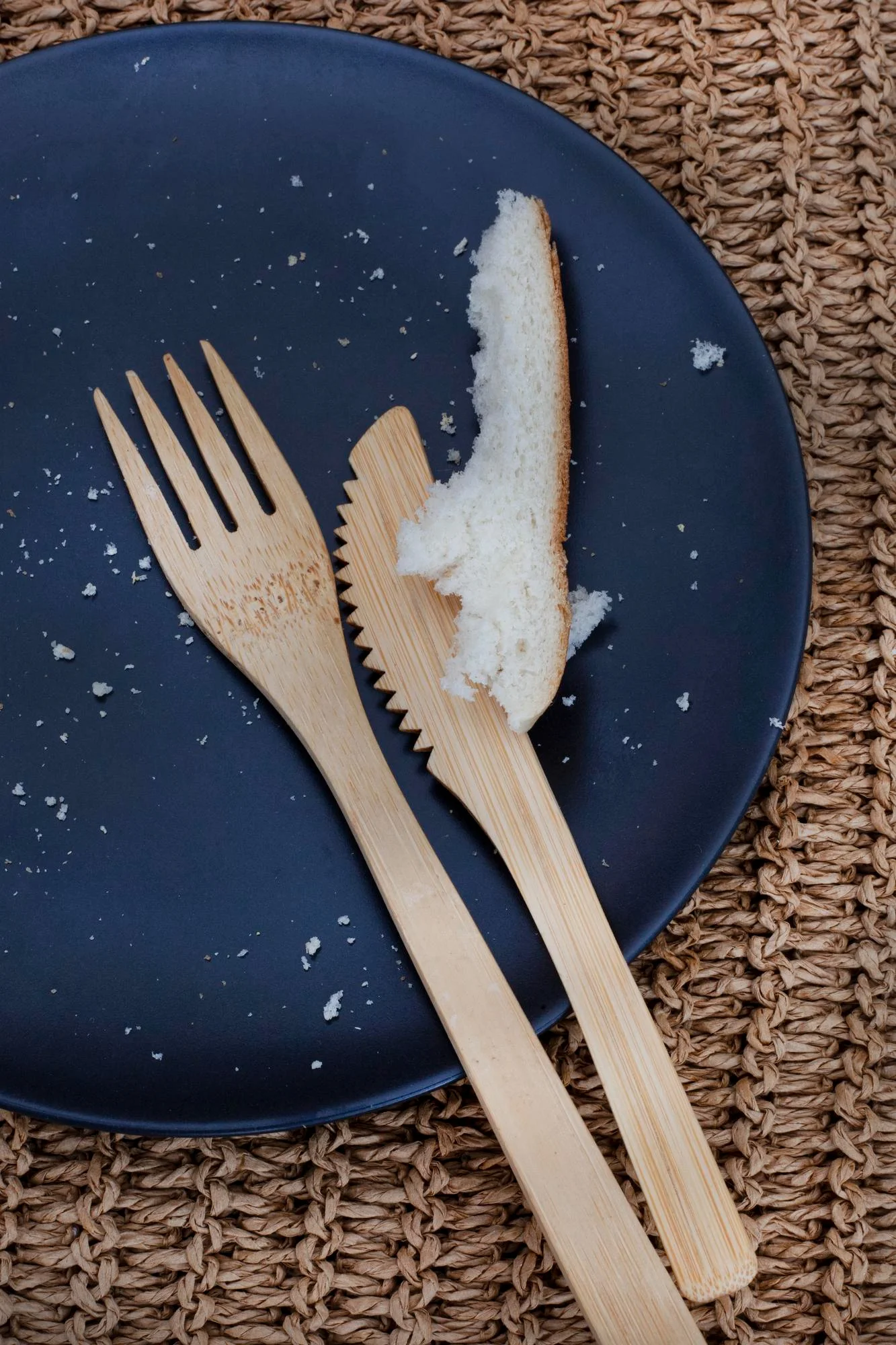
If you own bamboo utensils, you know how charming and eco-friendly they are. But are you sure you’re taking the right steps to keep them in great shape?
Proper care can make your bamboo utensils last longer, stay beautiful, and stay safe for your kitchen. You’ll discover simple, practical tips that anyone can follow. Keep reading, and learn how to protect your bamboo tools so they continue to serve you well every day.
Credit: www.carawayhome.com
Choosing Quality Bamboo Utensils
Bamboo utensils are eco-friendly and durable. Choosing the right ones is important for longevity.
High-quality bamboo utensils will last longer and perform better in the kitchen. Here is how to choose them wisely.
Types Of Bamboo Utensils
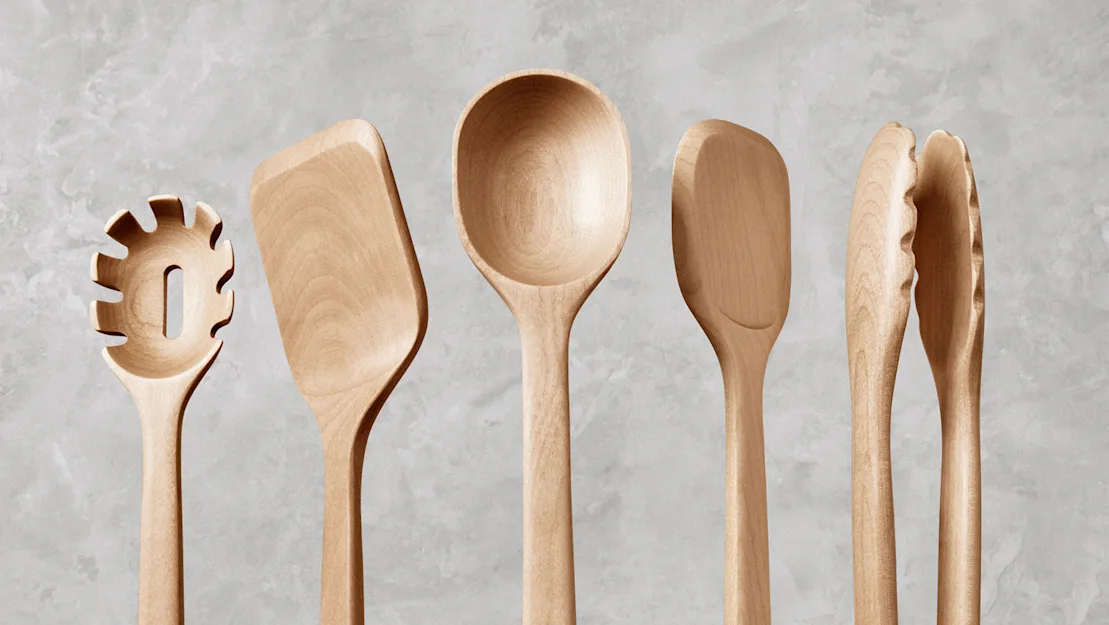
Bamboo utensils come in various types. Each serves a different purpose in the kitchen.
- Spoons: Ideal for stirring soups and sauces.
- Spatulas: Great for flipping pancakes and burgers.
- Tongs: Useful for handling salads and grilling.
- Chopsticks: Perfect for Asian dishes and noodles.
Signs Of Durable Bamboo
Durable bamboo utensils will last longer and resist wear. Look for these signs to ensure durability.
- Smooth surface: No rough edges or splinters.
- Uniform color: Consistent color indicates quality.
- Thick material: Ensures strength and durability.
- Proper finish: Sealed to prevent moisture absorption.
Cleaning Bamboo Utensils
Bamboo utensils are strong and eco-friendly. Keeping them clean is important for safety and long use.
Cleaning bamboo right stops cracks and keeps the wood smooth. Follow simple steps to care for your utensils.
Proper Washing Techniques
Wash bamboo utensils by hand using warm water and mild soap. Avoid soaking them in water for a long time.
Use a soft sponge or cloth to clean all surfaces gently. This helps keep the bamboo from scratching or breaking.
Avoiding Harsh Chemicals
Do not use bleach or strong detergents on bamboo utensils. These chemicals can damage the wood and make it unsafe.
Stick to gentle, natural cleaning products. Harsh chemicals also remove the natural oils that protect bamboo.
Drying Tips
After washing, dry bamboo utensils with a clean towel. Do not leave them wet or in a damp place.
Let the utensils air dry completely before storing. This prevents mold and keeps the bamboo strong.
Seasoning And Oiling Bamboo
Bamboo utensils need care to last long. Seasoning and oiling keep them strong and good-looking.
These steps protect bamboo from cracking and drying out. They also keep the wood smooth.
Best Oils For Bamboo Care
Pick oils that are safe for food and absorb well. Avoid oils that can turn sticky or rancid.
- Mineral oil is popular and safe for bamboo.
- Coconut oil works well but use refined type.
- Walnut oil is natural but watch for allergies.
- Beeswax mixed with oil adds extra protection.
How Often To Oil
Oil bamboo utensils regularly to keep them healthy. Frequency depends on use and washing.
Oiling every 1 to 2 months works well for most utensils. If used daily, oil more often.
Step-by-step Oiling Process
Start with clean, dry utensils. Wash with mild soap and dry fully before oiling.
- Put a small amount of oil on a soft cloth.
- Rub the oil evenly over the entire surface.
- Let the oil soak in for 20 to 30 minutes.
- Wipe off any extra oil with a clean cloth.
- Let utensils dry completely before using or storing.

Credit: www.bambuhome.com
Storage Tips For Bamboo Utensils
Bamboo utensils need proper care to last long. Storing them right keeps them strong and clean.
Good storage stops damage and keeps bamboo looking fresh. Follow simple tips to store them well.
Ideal Storage Conditions
Store bamboo utensils in a dry place with good air flow. Avoid places with strong sunlight or heat.
Keep utensils away from direct heat sources like stoves or ovens. Use a drawer or container that allows air movement.
- Choose a cool, dry spot
- Use a breathable container or holder
- Keep away from direct sunlight
- Avoid heat sources nearby
Avoiding Moisture Damage
Moisture can cause bamboo to warp or grow mold. Always dry utensils fully before storing.
Do not leave bamboo utensils in water or damp places. Use a towel to dry them well after washing.
- Dry utensils completely before storage
- Do not soak in water
- Store in a well-ventilated area
- Check regularly for any signs of mold
Repairing Minor Damage
Bamboo utensils can get small cracks or splinters after use. Fixing these minor damages helps them last longer.
Careful repair keeps your bamboo tools safe and smooth for cooking. You can do simple fixes at home.
Fixing Cracks And Splinters
Small cracks or splinters in bamboo utensils need quick attention. This stops damage from getting worse.
Use wood glue to fill cracks. Press the crack gently and hold it until dry. For splinters, sand the area smooth.
- Clean the utensil before repair
- Apply a small amount of wood glue to cracks
- Clamp or hold the area for 30 minutes
- Sand splinters gently to smooth edges
- Let the utensil dry completely before use
Sanding Techniques
Sanding removes rough spots and splinters from bamboo utensils. It keeps the surface smooth and safe.
Use fine-grit sandpaper for best results. Sand lightly along the grain of the bamboo to avoid damage.
- Start with 220-grit sandpaper for rough areas
- Finish with 320-grit sandpaper for smoothness
- Wipe dust off with a dry cloth after sanding
- Apply food-safe oil to protect the bamboo
Avoiding Common Mistakes
Bamboo utensils are strong and eco-friendly, but they need care. Avoiding mistakes helps keep them safe and useful for a long time.
Small actions can harm bamboo utensils. Learn what not to do to protect your kitchen tools.
What Not To Do With Bamboo Utensils
Do not soak bamboo utensils in water for a long time. Water can make the bamboo swell and crack.
Avoid putting bamboo utensils in the dishwasher. The heat and strong detergents can damage them.
- Do not use harsh cleaning chemicals
- Never leave utensils in wet sinks
- Avoid cutting or chopping on bamboo utensils
- Do not expose bamboo to direct sunlight for long
Extending Lifespan Through Care
Clean bamboo utensils with warm water and mild soap. Dry them quickly with a towel to stop water damage.
Apply a small amount of food-safe mineral oil or bamboo oil once a month. This keeps the bamboo smooth and prevents cracks.
- Hand wash only, no dishwasher
- Dry immediately after washing
- Store in a dry place
- Oil regularly to keep moisture balance

Credit: www.anzhucraft.com
Frequently Asked Questions
How Do I Clean Bamboo Utensils Properly?
Clean bamboo utensils with warm water and mild soap immediately after use. Avoid soaking them to prevent warping. Dry thoroughly with a towel to maintain their durability and appearance.
Can Bamboo Utensils Be Washed In A Dishwasher?
No, avoid washing bamboo utensils in a dishwasher. High heat and moisture can cause cracking and splitting. Hand washing is the best way to preserve their quality.
How Often Should I Oil Bamboo Utensils?
Oil bamboo utensils once a month with food-safe mineral or coconut oil. This keeps the wood hydrated, prevents cracking, and extends their lifespan.
Why Do Bamboo Utensils Crack Or Split?
Cracking occurs due to excessive moisture, heat, or drying out. Proper cleaning, drying, and regular oiling help prevent damage and maintain strength.
Conclusion
Taking care of bamboo utensils is simple and rewarding. Clean them gently with mild soap and warm water. Dry them well to avoid cracks and mold. Oil them regularly to keep the bamboo smooth and strong. Store utensils in a dry place, away from direct sunlight.
This care helps bamboo last longer and stay beautiful. Small steps make a big difference. Enjoy your bamboo utensils for many meals to come.