
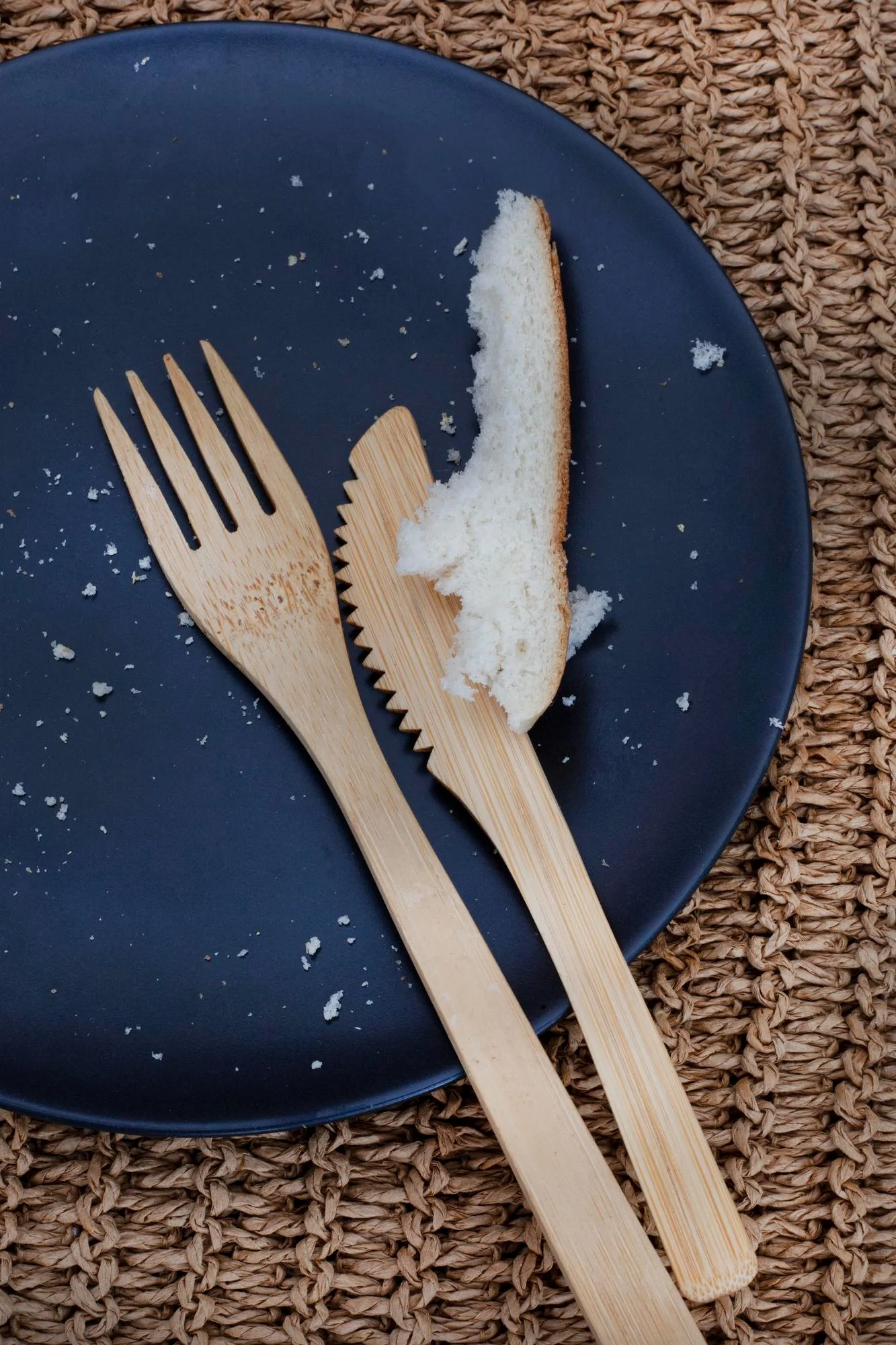
You’ve invested in bamboo utensils because you care about your kitchen and the environment. But do you know the simple steps to keep them looking fresh and lasting longer?
Taking care of bamboo utensils isn’t hard, but a few easy habits can make all the difference. If you want your bamboo spoons, forks, and cutting boards to stay strong and beautiful, this guide is for you. Keep reading to discover how to maintain your bamboo utensils the right way—so they serve you well meal after meal.
Choosing Quality Bamboo Utensils
Bamboo utensils are a great choice for your kitchen. They are eco-friendly and durable. Choosing the right bamboo utensils ensures they last longer and work well.
Quality bamboo utensils do not splinter or warp. They feel smooth and sturdy in your hands. Here’s how to pick the best ones for your needs.
Check The Material
Look for utensils made from 100% bamboo. Avoid mixed materials. Pure bamboo is stronger and more sustainable.
Bamboo should be treated with natural oils. This keeps the utensils smooth and prevents drying out.
Inspect The Finish
Quality utensils have a smooth finish. Run your hand over the surface. It should not have rough spots or splinters.
The finish should be free from cracks. Cracks can harbor bacteria and weaken the utensil.
Consider The Design
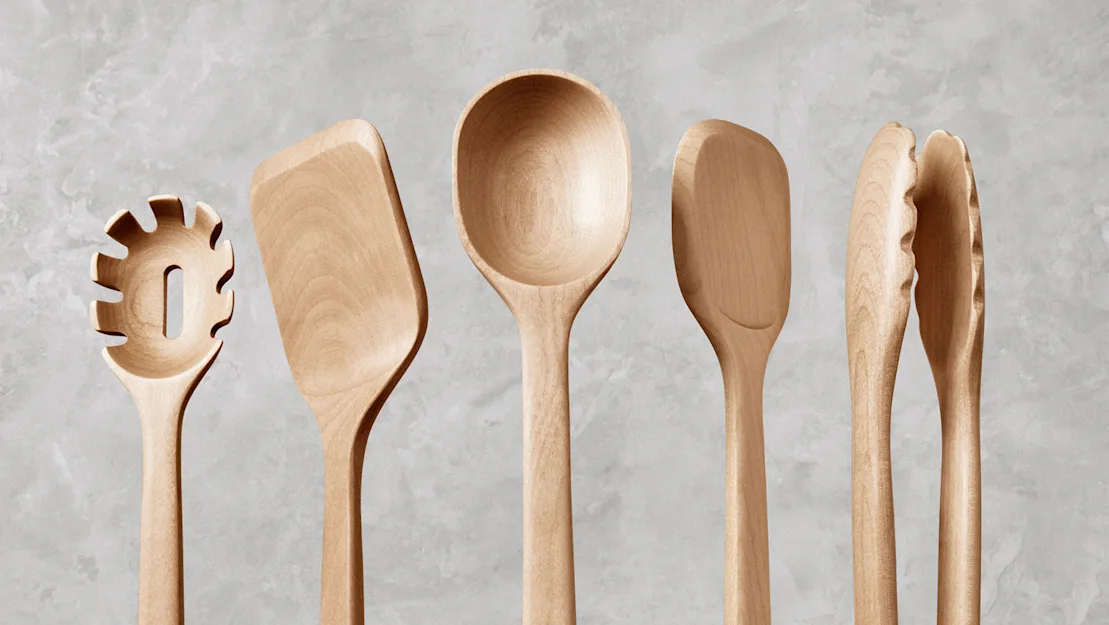
Choose a design that suits your cooking style. Bamboo spoons, spatulas, and tongs are common choices.
- Spoons for stirring sauces and soups
- Spatulas for flipping pancakes
- Tongs for serving salads
Evaluate The Price
Higher prices often mean better quality. Invest in utensils that will last. Cheap options may break or wear out quickly.
Consider buying a set for better value. Sets often include various utensils you can use for different tasks.

Credit: www.bambuhome.com
Cleaning Bamboo Utensils
Bamboo utensils are strong and eco-friendly. Proper cleaning keeps them safe and lasts long.
Cleaning bamboo carefully stops cracks and keeps the wood smooth. Use gentle ways to wash them.
Hand Washing Techniques
Wash bamboo utensils by hand to avoid damage. Use warm water and a soft sponge or cloth.
Clean all sides gently. Rinse well to remove all soap and food bits.
Avoiding Soaking
Do not soak bamboo utensils in water. Soaking can make the wood swell and crack.
Dry the utensils quickly after washing to keep them in good shape.
Using Mild Detergents
Use mild dish soap to clean bamboo utensils. Harsh detergents can damage the wood.
Choose gentle soaps that do not contain bleach or strong chemicals.
Drying And Storing
Bamboo utensils need special care to last longer. Drying and storing them right keeps them strong and clean.
Proper drying and storage help stop cracks and mold. This guide explains simple ways to care for bamboo tools.
Proper Air Drying
After washing bamboo utensils, dry them with a clean cloth. Then, leave them in open air to dry fully.
Do not put bamboo in direct sunlight for long. It can make the wood dry too fast and crack.
- Use a towel to remove extra water
- Place utensils on a drying rack
- Keep them in a well-ventilated area
Avoiding Humid Environments
Keep bamboo utensils away from damp places. Humidity can cause mold and weaken the wood.
Do not store bamboo near sinks or dishwashers. These areas often have high moisture levels.
- Choose dry, cool spots for storage
- Use moisture absorbers if needed
- Check utensils often for signs of mold
Safe Storage Practices
Store bamboo utensils in a clean, dry place. Use drawers or containers that allow air to flow.
Avoid stacking heavy items on top of bamboo. This keeps them from bending or breaking.
- Use utensil holders with holes or gaps
- Keep them separate from metal tools
- Store upright to prevent warping
Oiling Bamboo Utensils
Bamboo utensils need care to last long and stay strong. Oiling them protects the wood and keeps it from drying out.
Applying oil helps bamboo resist water and stains. It also keeps the utensils looking fresh and smooth.
Choosing The Right Oil
Use food-safe oils to keep your bamboo utensils safe for cooking. Avoid oils that can go bad or smell strong.
- Mineral oil is a popular choice because it is safe and does not spoil.
- Coconut oil works well but can leave a mild scent.
- Walnut oil is natural but may cause allergies for some people.
- Beeswax mixed with oil can add extra protection.
Frequency Of Oiling
Oiling often keeps bamboo utensils in good shape. New utensils need more oiling at first.
- Oil new utensils before first use.
- Apply oil every few weeks if you use them daily.
- For less use, oil every few months.
- Look for dryness or cracks as signs to oil.
Application Tips
Clean utensils before oiling. Use a soft cloth or brush to apply oil evenly.
- Use a clean, dry cloth to rub oil into the bamboo.
- Cover all sides and edges for full protection.
- Let oil soak in for several hours or overnight.
- Wipe off extra oil with a clean cloth after soaking.
- Do not soak utensils in water after oiling.
Preventing Cracks And Splits
Bamboo utensils look great and last long if you care for them well. Cracks and splits can happen if you do not handle them properly.
Taking simple steps can keep your bamboo utensils strong and smooth for years.
Avoiding Extreme Temperatures
Bamboo is sensitive to very hot or cold conditions. Extreme heat can dry it out and cause cracks.
Cold temperatures can make bamboo brittle and easy to split. Keep bamboo utensils away from ovens, microwaves, and freezers.
- Do not soak bamboo utensils in hot water for a long time
- Wash with warm water, not boiling
- Dry utensils at room temperature, not near heaters
- Store in a dry, cool place, away from sunlight
Handling With Care
Handle bamboo utensils gently to avoid damage. Rough use can cause small cracks that grow bigger over time.
Use utensils for their intended purpose and avoid bending or twisting them.
- Do not drop or hit bamboo utensils on hard surfaces
- Use a soft sponge to clean them
- Avoid sharp knives on bamboo handles
- Regularly oil utensils with food-safe oil to keep them strong

Credit: www.anzhucraft.com
Removing Odors And Stains
Bamboo utensils are eco-friendly and durable. They can absorb odors and stains from food.
Cleaning them properly keeps them fresh and looking good for a long time.
Natural Deodorizers
Natural deodorizers help remove bad smells from bamboo without harsh chemicals. They are safe and easy to use.
Common natural deodorizers include lemon, baking soda, and vinegar. Each works well to freshen bamboo utensils.
- Lemon:Rub lemon juice on the utensil. Let it sit for 5 minutes, then rinse.
- Baking Soda:Make a paste with water. Apply to the utensil, scrub gently, then wash off.
- Vinegar:Wipe with white vinegar. Let it sit for a few minutes, then rinse well.
Stain Removal Methods
Stains on bamboo utensils come from sauces and strong foods. Removing stains keeps the wood clean and smooth.
Use gentle scrubbing and natural cleaners to avoid damage. Avoid soaking bamboo for too long to prevent warping.
- Salt and Lemon:Sprinkle salt on stains. Rub with lemon half, then rinse.
- Baking Soda Paste:Mix baking soda and water. Apply, scrub lightly, then wash off.
- Warm Soapy Water:Use mild soap and warm water to clean stains. Dry quickly after washing.
When To Replace Bamboo Utensils
Bamboo utensils are strong and last a long time. They need care to stay useful.
You should know when to replace them to keep cooking safe and easy.
Visible Cracks Or Splits
Cracks let bacteria hide and grow. They can also cause splinters.
Replace utensils as soon as you see cracks or splits on the surface.
Rough Or Worn Surfaces
When the surface feels rough, it can stick to food and be hard to clean.
Replace utensils if sanding or oiling does not smooth the surface again.
Foul Odors Or Stains
Strong smells or stains may mean the bamboo absorbed food or bacteria.
If washing does not remove the smell or stains, it is time to replace them.
Loose Or Broken Parts
Utensils with loose handles or broken parts can be unsafe to use.
Replace any utensil with broken parts to avoid accidents in the kitchen.
After Long Use Without Proper Care
If you use bamboo utensils for many years without oiling or drying them well, they may weaken.
Consider replacing them regularly to keep your kitchen tools safe and strong.
Credit: www.carawayhome.com
Frequently Asked Questions
How Do I Clean Bamboo Utensils Properly?
Clean bamboo utensils with warm soapy water. Avoid soaking them to prevent swelling. Dry immediately with a towel to maintain durability and hygiene.
Can Bamboo Utensils Be Put In A Dishwasher?
No, avoid dishwashers. High heat and water pressure can warp or crack bamboo utensils. Hand washing is safest for longevity.
How Often Should I Oil Bamboo Utensils?
Oil bamboo utensils monthly with mineral or food-safe oil. This helps prevent drying, cracking, and keeps the wood smooth and shiny.
Why Do Bamboo Utensils Crack Or Split?
Cracking occurs due to excessive moisture or dryness. Avoid soaking and store utensils in a dry place to maintain their integrity.
Conclusion
Caring for bamboo utensils keeps them strong and lasting long. Clean them with warm water and mild soap right after use. Avoid soaking or putting them in the dishwasher. Dry them well to stop cracks and mold. Oil them sometimes to keep the bamboo smooth and fresh.
Small steps protect your utensils and help the environment. Simple care makes bamboo a smart choice for your kitchen. Keep these tips in mind for daily use. Your bamboo utensils will stay beautiful and useful. Easy and natural care pays off every day.