
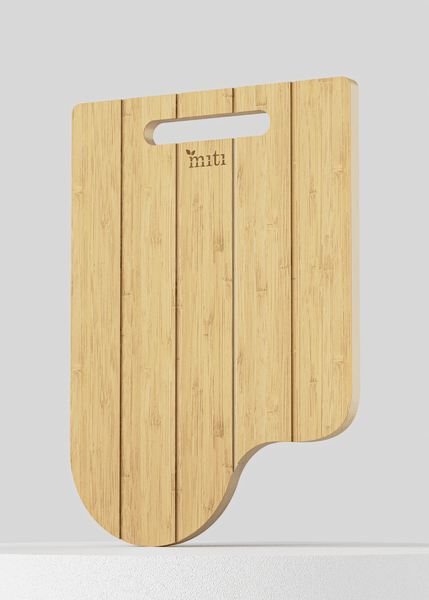
Your bamboo cutting board is more than just a kitchen tool—it’s an investment in your cooking and your home’s style. But without proper care, it can crack, warp, or harbor bacteria.
You might be wondering how to keep it looking fresh and lasting longer without spending hours on maintenance. This guide will show you simple, effective ways to maintain your bamboo cutting board so it stays strong, clean, and safe for every meal you prepare.
Keep reading, and you’ll discover easy tips that protect your board and make your kitchen routine smoother.
Choosing Quality Bamboo Boards
Bamboo cutting boards are popular for their durability and eco-friendliness. Choosing the right one ensures long-lasting use and efficiency in the kitchen.
Understanding the types and construction of bamboo boards helps in making an informed purchase.
Types Of Bamboo Boards
Bamboo boards come in different styles to suit various kitchen needs. Knowing these types helps in selecting the best board for your cooking style.
- Flat-grain boards are smooth and easy to clean.
- End-grain boards are thicker and more durable.
- Edge-grain boards offer a balance of strength and aesthetics.
Signs Of Durable Construction
Durable bamboo boards have certain features that ensure they last longer. Observing these features helps in choosing a sturdy board.
- Look for boards with no visible glue lines.
- Check for a smooth finish with no rough spots.
- Ensure the board has a uniform thickness.

Credit: www.keecheehome.com
Daily Cleaning Techniques
Keeping bamboo cutting boards clean every day helps them last longer. It also keeps your food safe from germs.
Using the right cleaning methods stops damage and keeps the board looking good.
Proper Washing Methods
Wash bamboo cutting boards with warm water and mild soap. Use a soft sponge or cloth to clean the surface gently.
Rinse the board well to remove all soap. Dry it with a clean towel and let it air dry standing up to avoid moisture buildup.
- Use warm water, not hot water
- Choose mild dish soap
- Clean with a soft sponge or cloth
- Rinse thoroughly to remove soap
- Dry with a towel and air dry upright
Avoiding Harsh Chemicals
Do not use bleach or strong detergents on bamboo boards. These chemicals can damage the wood and make it unsafe for food.
Stick to natural or gentle cleaning products. Avoid soaking the board in water for a long time to keep it from cracking or warping.
- No bleach or harsh detergents
- Avoid soaking the board in water
- Use natural or gentle cleaning products
- Keep the board dry after washing
Preventing Warping And Cracking
Bamboo cutting boards are strong but can warp or crack if not cared for well. Proper care keeps them flat and smooth.
Moisture and heat cause damage to bamboo boards. Using the right drying and storage methods helps avoid problems.
Ideal Drying Practices
Dry bamboo boards quickly after washing to stop water damage. Leaving them wet can cause warping and cracks.
Use a clean towel to wipe off water. Stand the board upright to let air dry both sides evenly.
- Wipe off excess water immediately
- Stand board on its edge to dry
- Air dry in a cool, ventilated area
- Avoid direct sunlight or heat sources
Storage Tips
Store bamboo boards where air can flow around them. Tight spaces hold moisture and cause damage.
Keep boards away from heat or damp areas. This stops wood fibers from shrinking or swelling unevenly.
- Store board upright, not flat
- Use a dry place with good air flow
- Keep away from stoves or dishwashers
- Apply mineral oil regularly to protect surface

Credit: www.amazon.com
Regular Conditioning
Regular conditioning keeps bamboo cutting boards strong and safe. It stops the wood from drying and cracking.
Conditioning also helps prevent stains and odors. This care extends the life of your bamboo board.
Using Mineral Oil
Mineral oil is safe and easy to use on bamboo boards. It soaks into the wood and keeps it moist.
Apply mineral oil with a clean cloth. Rub it over the whole board surface, front and back.
- Use food-grade mineral oil only
- Apply a thin, even layer
- Let the oil soak for a few hours or overnight
- Wipe off any extra oil before use
Frequency Of Oiling
Oiling frequency depends on how often you use the board. Regular use needs more frequent oiling.
Check the board for dryness or light color. These signs show it needs oil.
- Oil new boards before first use
- For daily use, oil once a week
- For occasional use, oil once a month
- Always oil if the board looks dry
Removing Stains And Odors
Bamboo cutting boards are strong but can hold stains and smells. Cleaning them well keeps them fresh and safe.
Using natural ways to clean helps protect the bamboo. Deep cleaning removes tough dirt and odors deep inside.
Natural Cleaning Solutions
Bamboo boards clean well with simple, natural ingredients. These solutions remove stains and neutralize odors without damage.
Common natural cleaners include lemon juice, baking soda, and vinegar. They are safe and easy to use at home.
- Lemon juice:Rub lemon on the board to lighten stains and kill bacteria.
- Baking soda:Sprinkle and scrub gently to remove odors and dirt.
- White vinegar:Spray or wipe on the board to disinfect and freshen.
Deep Cleaning Procedures
Deep cleaning removes stubborn stains and smells from bamboo boards. It works best with a little time and effort.
Use warm water and mild soap for regular washing. For deep cleaning, use natural cleaners and let them sit before rinsing.
- Mix baking soda and water to make a paste.
- Spread the paste on stains and let it sit for 10 minutes.
- Scrub the board gently with a soft brush or cloth.
- Rinse with warm water and dry with a towel.
- For odors, wipe the board with vinegar and air dry.

Credit: www.listful.com
Avoiding Bacterial Growth
Bamboo cutting boards can harbor bacteria if not cleaned properly. Keeping them clean stops germs from spreading.
Regular care helps maintain hygiene and keeps your kitchen safe.
Sanitizing Methods
Sanitize bamboo boards after each use to kill bacteria. Use natural cleaners that do not damage the wood.
Vinegar and hydrogen peroxide are safe options to clean and disinfect your board.
- Spray white vinegar on the board and let it sit for a few minutes.
- Rinse with hot water and dry with a clean cloth.
- Apply hydrogen peroxide for tougher bacteria and rinse well.
- Never soak bamboo boards in water; it can cause damage.
Safe Cutting Practices
Use separate bamboo boards for different foods to avoid cross-contamination. For example, one for meat and one for vegetables.
Clean your hands and knives before cutting to keep the board cleaner longer.
- Use different boards for raw meat and fresh produce.
- Wash the board immediately after use.
- Dry the board completely before storing it.
- Check the board for deep cuts that can trap bacteria and replace if needed.
When To Replace Bamboo Boards
Bamboo cutting boards last a long time with care. Still, they do wear out. Knowing when to replace your board keeps your kitchen safe and clean.
Replacing a bamboo board at the right time stops bacteria build-up. It also helps keep your food preparation smooth and healthy.
Signs Of Wear And Damage
Look for cracks or deep cuts on the surface. These can trap dirt and germs. Warping or splitting means the board is no longer safe to use.
- Cracks and deep grooves
- Splitting or warping
- Discoloration or stains that won’t wash away
- Unpleasant odors that do not go away
- Rough surface that damages knives
When you see these signs, it is time to replace the board. Using damaged boards can cause food contamination.
Choosing A New Board
Pick a bamboo board with tight grain and smooth surface. This type lasts longer and is easier to clean. Choose a size that fits your kitchen space and cooking needs.
- Look for eco-friendly bamboo
- Choose a thickness of at least 1 inch
- Pick a board with juice grooves if you cut fruits or meats
- Check for smooth edges to protect your hands
Proper choice helps keep your kitchen safe. It also makes food preparation easier and more enjoyable.
Frequently Asked Questions
How Often Should I Oil My Bamboo Cutting Board?
You should oil your bamboo cutting board once a month. Use food-safe mineral oil to keep it hydrated and prevent cracking.
Can Bamboo Cutting Boards Be Washed In A Dishwasher?
No, avoid dishwashers. Bamboo boards can warp or crack from high heat and water pressure. Hand wash with mild soap.
How Do I Remove Stains From Bamboo Cutting Boards?
Use a mixture of lemon juice and salt. Scrub gently, rinse with warm water, and dry thoroughly to remove stains.
What Is The Best Way To Dry A Bamboo Cutting Board?
Dry your board immediately after washing. Use a clean towel and stand it upright to air dry completely.
Conclusion
Maintaining bamboo cutting boards keeps them strong and safe to use. Clean them gently with mild soap and warm water right after use. Avoid soaking or putting them in the dishwasher to prevent damage. Dry boards well to stop cracks or warping.
Regular oiling with food-safe oil helps keep the surface smooth and prevents drying out. Small cuts can be sanded lightly to stay fresh. Caring for your bamboo board this way saves money and makes cooking more enjoyable. Simple steps bring long-lasting quality to your kitchen tools.