
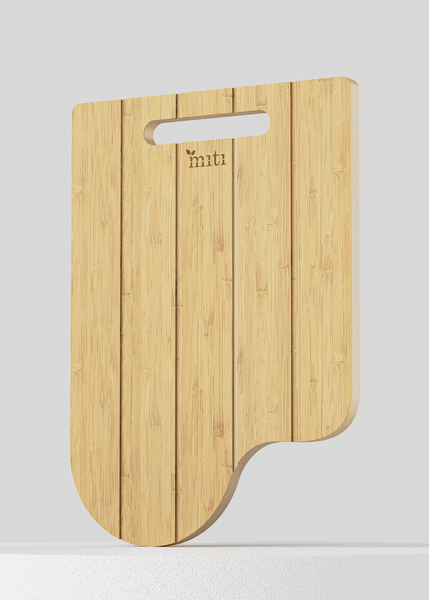
Your bamboo cutting board is more than just a kitchen tool—it’s a durable, eco-friendly companion that helps you prepare meals every day. But are you giving it the care it needs to stay in top shape?
If you want your bamboo board to last longer, resist cracks, and keep looking fresh, knowing how to maintain it properly is key. You’ll discover simple, effective tips that protect your board and make your cooking experience smoother. Keep reading to unlock the secrets to keeping your bamboo cutting board in perfect condition—your kitchen will thank you!
Choosing The Right Bamboo Board
Bamboo cutting boards are both durable and eco-friendly. Choosing the right one can improve your cooking experience. Consider the following factors to make an informed decision.
Types Of Bamboo Boards
There are several types of bamboo cutting boards available. Each type has its own unique features and benefits.
- Standard bamboo boards: Basic and affordable, suitable for everyday use.
- End-grain bamboo boards: More durable, ideal for heavy chopping tasks.
- Edge-grain bamboo boards: Smooth surface, easy to clean and maintain.
Features To Look For
When choosing a bamboo cutting board, look for features that suit your needs. This will help you find a board that lasts longer and performs better.
- Size: Ensure the board fits your kitchen space and cutting needs.
- Thickness: Thicker boards offer more stability and longevity.
- Finish: A well-finished board is less prone to cracking and warping.
- Non-slip base: Provides safety during cutting tasks.

Credit: www.amazon.com
Cleaning Bamboo Boards
Bamboo cutting boards need regular cleaning to stay safe and last longer. Proper care stops bacteria and keeps the board looking good.
Use simple cleaning steps after each use. This helps keep your bamboo board fresh and ready for the next meal.
Daily Cleaning Routine
Clean your bamboo board right after you finish using it. Use warm water and mild soap to wash the surface.
Rinse well and dry the board with a clean towel. Always stand it up to air dry fully before storing it.
- Wash with warm water and mild soap
- Rinse thoroughly to remove soap
- Dry with a clean towel
- Stand upright to air dry completely
Dealing With Stains And Odors
Stains and smells can form if food stays on the board too long. Clean these with natural ingredients you find at home.
Use lemon juice or baking soda paste to scrub the board gently. Let it sit for a few minutes, then rinse and dry.
- Rub lemon juice on stains to bleach them
- Make a paste with baking soda and water
- Scrub stains and odors with the paste
- Let it sit for 5 minutes before rinsing
- Dry the board fully after cleaning
Drying And Storage Tips
Keeping your bamboo cutting board dry and stored properly helps it last longer. Wet boards can warp or grow mold.
Good drying and storage habits keep your board safe and clean for daily use.
Proper Drying Techniques
After washing, dry your bamboo board right away. Leaving it wet can cause damage.
Use a clean towel to wipe off water from all sides. Air drying works best if the board stands upright.
- Wipe with a dry cloth immediately after washing
- Stand the board vertically to air dry fully
- Avoid laying the board flat on wet surfaces
- Do not leave the board in direct sunlight
Best Storage Practices
Store your bamboo cutting board in a dry place. Avoid spots with high humidity or heat.
Keep the board where air flows well to prevent moisture buildup and mold growth.
- Place the board upright or on a rack for airflow
- Keep it away from the stove or dishwasher
- Do not stack heavy items on top of the board
- Use a food-safe oil to protect the surface regularly

Credit: www.amazon.com
Oiling And Conditioning
Bamboo cutting boards need regular care to stay strong and last long. Oiling and conditioning keep the wood healthy.
Proper oiling prevents cracks and helps the board resist water damage. It also keeps the surface smooth for easy cleaning.
Why Oil Matters
Oil protects bamboo from drying out and cracking. Without oil, the board can split or warp over time.
Oiling also stops water from soaking in. This reduces bacteria growth and keeps your board safer to use.
- Prevents cracks and warping
- Stops water absorption
- Reduces bacteria growth
- Keeps surface smooth and easy to clean
How To Apply Oil Correctly
Choose food-safe mineral oil or a special cutting board oil. Avoid cooking oils that can go bad.
Clean and dry your board before oiling. Apply oil with a soft cloth, covering all surfaces evenly.
- Pour a small amount of oil on the board
- Use a clean cloth to rub oil into the bamboo
- Let the oil soak in for a few hours or overnight
- Wipe off any extra oil with a dry cloth
- Repeat every few weeks or when the board looks dry
Avoiding Damage
Bamboo cutting boards are strong but need care to last long. Avoiding damage helps keep their look and function.
Simple steps can protect your board from cracks, warping, and cuts. This guide shows how to keep it safe.
Preventing Cracks And Warping
Cracks and warping happen when the board gets too dry or too wet. Keep the board balanced to avoid damage.
Do not soak the board in water. Wipe it clean and dry it right away after washing.
- Wash with warm, soapy water quickly
- Dry with a towel immediately
- Oil the board regularly to keep moisture
- Store in a dry, cool place away from heat
Safe Cutting Practices
Cutting safely protects your bamboo board from deep cuts and scratches. Use the right tools and techniques.
Avoid cutting with very sharp or serrated knives that can damage the surface quickly. Use smooth, steady cuts.
- Use sharp knives for clean cuts
- Cut on the board gently without pressing hard
- Avoid chopping bones or hard materials
- Clean the board after each use to prevent stains
Repairing Minor Damages
Bamboo cutting boards can get small scratches and cracks with daily use. Fixing these minor damages helps keep the board safe and looking good. Regular care extends the life of your bamboo board.
Use simple tools and natural products to repair your board. This guide shows easy ways to fix scratches and cracks properly.
Sanding Scratches
Light scratches on bamboo boards can be removed by sanding. Use fine-grit sandpaper to smooth the surface gently. Sanding helps restore the board’s finish and removes rough spots.
Always sand in the direction of the bamboo grain. After sanding, wipe off dust with a damp cloth. Let the board dry completely before using it again.
- Choose 220-grit sandpaper for best results
- Sand lightly with even strokes along the grain
- Clean off dust with a damp cloth
- Dry board fully before use
Sealing Small Cracks
Small cracks can trap moisture and bacteria. Seal these cracks to keep the board safe. Use food-safe mineral oil or beeswax to fill the cracks and protect the bamboo.
Apply the oil or wax with a clean cloth. Press it into the cracks and let it soak for several hours. Wipe off any extra oil or wax before using the board.
- Choose food-safe mineral oil or beeswax
- Apply with a soft cloth
- Press oil or wax into cracks
- Let soak for 4-6 hours
- Remove excess before use
When To Replace Your Board
Bamboo cutting boards are strong but not forever. You need to know when to replace them. Using old boards can cause problems.
Replacing your board at the right time keeps your kitchen safe and clean. It also helps your food taste better.
Signs Of Wear
Look for cracks, deep cuts, or warping on your board. These signs mean the board is breaking down. Worn boards can hide germs in cracks.
- Cracks or splits in the bamboo surface
- Deep knife marks that are hard to clean
- Warping or bending of the board
- Discoloration that doesn’t wash off
Health And Safety Considerations
Old bamboo boards can trap bacteria and germs. This can make your food unsafe. It is best to replace boards that are unsafe.
Keep your kitchen clean by changing boards that are damaged. Using a safe board helps avoid food poisoning and other health risks.
- Replace boards with deep cuts to avoid bacteria build-up
- Do not use boards that smell bad or have mold
- Switch boards after heavy use or damage
- Keep boards dry and clean to extend life

Credit: forest-decor.com
Frequently Asked Questions
How Often Should I Oil My Bamboo Cutting Board?
You should oil your bamboo cutting board once a month. This prevents drying and cracking. Use food-grade mineral oil for best results. Regular oiling keeps the board smooth and extends its lifespan.
Can Bamboo Boards Be Washed In A Dishwasher?
No, bamboo cutting boards should not go in the dishwasher. Excess water and heat can warp and crack the board. Hand wash with mild soap and warm water instead. Dry immediately after washing to maintain quality.
How To Remove Stains From Bamboo Cutting Boards?
To remove stains, sprinkle coarse salt and rub with a lemon half. Let it sit for five minutes, then rinse with warm water. This natural method effectively lifts stains without damaging the bamboo surface.
Is Bamboo More Hygienic Than Other Wood Boards?
Yes, bamboo has natural antibacterial properties. It resists bacteria better than many other woods. Proper cleaning and maintenance further ensure a hygienic cutting surface for food preparation.
Conclusion
Proper care keeps bamboo cutting boards strong and safe. Clean them with warm water and mild soap after use. Dry boards quickly to stop cracks and warping. Oil them regularly to keep the wood from drying out. Avoid soaking boards in water or placing them in the dishwasher.
These simple steps help your board last longer and stay fresh. Enjoy cooking with a clean, well-maintained bamboo cutting board every day. Small habits make a big difference. Take care, and your board will serve you well.