
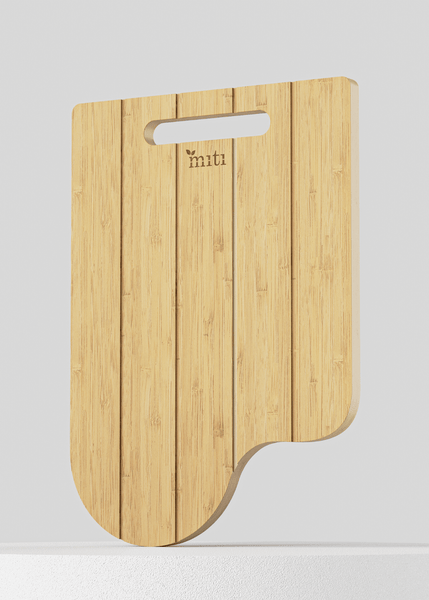
Your bamboo cutting board is more than just a kitchen tool—it’s an investment in your cooking experience. But if you don’t take care of it properly, it can crack, stain, or even harbor bacteria.
Want to keep your board looking fresh and lasting for years? You’re in the right place. You’ll discover simple, effective ways to maintain your bamboo cutting board so it stays strong, clean, and ready for every meal. Keep reading to unlock easy tips that protect your board and make your kitchen safer.

Credit: www.amazon.com
Choosing The Right Bamboo Board
Bamboo cutting boards are durable and eco-friendly. Choosing the right one ensures long-lasting use and a good kitchen experience.
Consider the types and features of bamboo boards to find the best fit for your needs.
Types Of Bamboo Boards
Bamboo boards come in various styles. Each type has its benefits and uses.
- Solid bamboo boards are strong and sturdy.
- Layered bamboo boards are lightweight and flexible.
- End-grain bamboo boards are gentle on knives.
Features To Look For
Good features can enhance your cutting board experience. Pay attention to details that matter.
Look for these features to ensure quality and practicality in your bamboo board.
- Non-slip grip to keep the board stable.
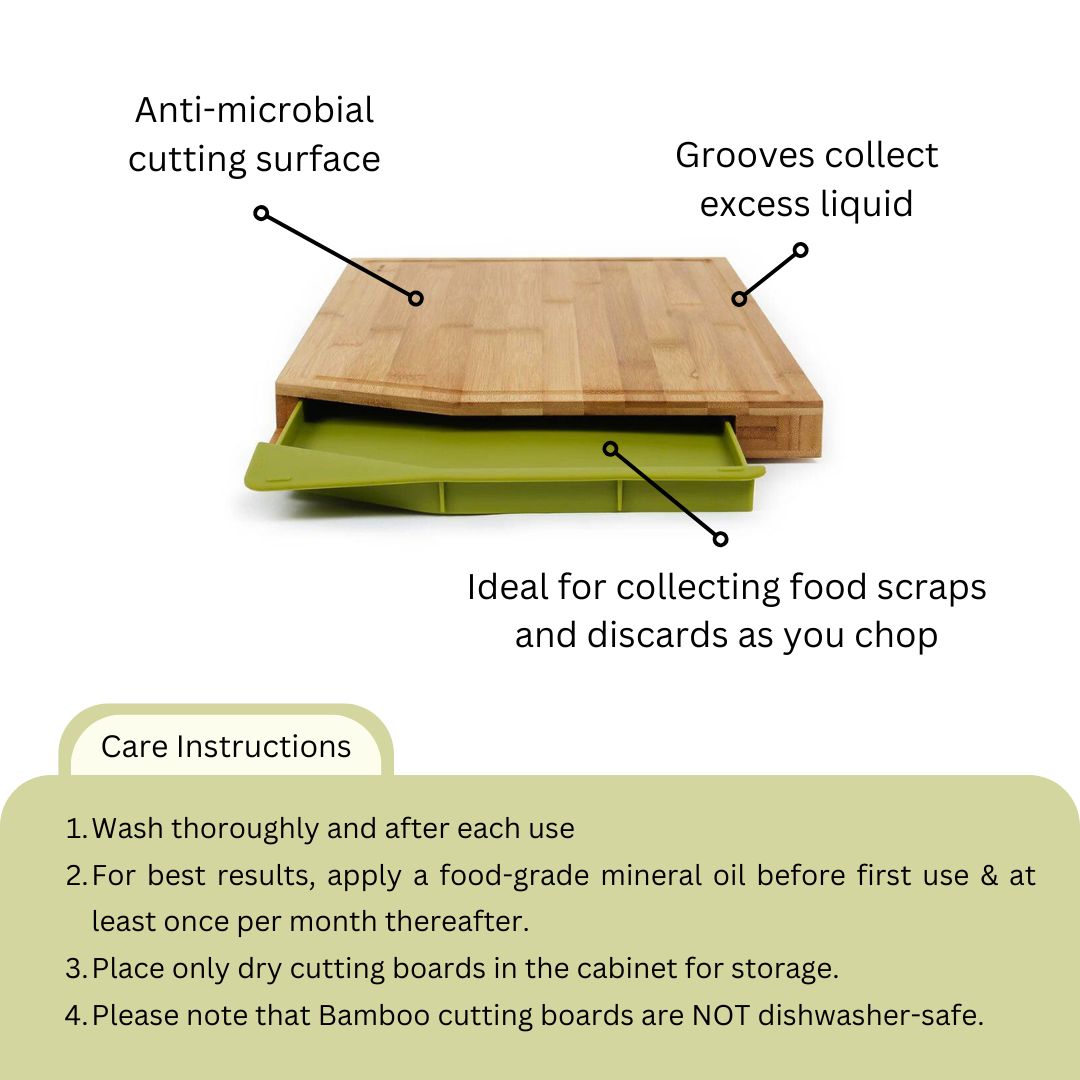
- Juice grooves to catch liquids.
- Handles for easy carrying.
- Natural finish for a smooth surface.

Credit: www.amazon.com
Daily Cleaning Tips
Keeping your bamboo cutting board clean every day helps it last longer. Daily cleaning removes food particles and prevents stains.
Use simple cleaning steps to protect the bamboo surface and keep it safe for food.
Proper Washing Methods
Wash your bamboo cutting board right after use. Use warm water and mild dish soap. Clean both sides to avoid warping.
Do not soak the board in water. This can cause the bamboo to swell and crack. Instead, rinse and wipe it quickly.
- Use a soft sponge or cloth
- Rinse with warm water
- Dry with a clean towel immediately
- Air dry upright to avoid moisture buildup
Avoiding Harsh Chemicals
Do not use bleach or strong cleaners on bamboo boards. Harsh chemicals can damage the surface and affect food safety.
Stick to gentle soaps and natural cleaning options. These keep your board clean without harm.
- Avoid bleach and ammonia-based cleaners
- Use mild dish soap only
- Try a vinegar solution for extra cleaning
- Rinse well to remove all soap residues
Deep Cleaning Techniques
Keeping your bamboo cutting board clean helps it last longer. Deep cleaning removes dirt and germs hidden in the wood.
Regular cleaning is not enough for tough stains and smells. Use special methods to keep your board fresh and safe.
Removing Stains
Stains can come from fruits, vegetables, or meat juices. Clean them quickly to avoid permanent marks.
Use a paste made of baking soda and water. Apply it to the stain and scrub gently with a soft brush.
- Make a thick paste with baking soda and water
- Spread the paste on the stain
- Scrub gently with a soft brush or cloth
- Let it sit for 5 minutes
- Rinse well with warm water
- Dry the board completely with a towel
Deodorizing The Board
Bamboo boards can absorb strong smells from food. Remove odors to keep your kitchen smelling fresh.
Rub lemon juice over the board. The natural acid helps neutralize bad smells.
- Cut a lemon in half
- Rub the lemon all over the board
- Let it sit for 5 to 10 minutes
- Rinse with warm water
- Dry completely with a towel
Drying And Storage
Keeping your bamboo cutting board dry helps it last longer. Proper storage stops damage and keeps it safe.
Moisture can cause bamboo to warp or crack. You need to dry and store it well after use.
Preventing Warping
Warping happens when bamboo absorbs too much water. Dry your board fully after washing.
Use a clean towel to wipe off water. Stand the board upright to air dry both sides.
- Do not leave the board soaking in water.
- Avoid drying it flat on a wet surface.
- Keep it away from direct heat or sunlight.
Best Storage Practices
Store your bamboo cutting board in a dry place. Good air flow helps keep it fresh.
Keep the board off damp surfaces. Use a rack or stand to store it vertically.
- Avoid stacking heavy items on top of the board.
- Do not store in a closed container if still damp.
- Clean and dry the board before storing.
Regular Maintenance
Keeping your bamboo cutting board in good shape takes regular care. This helps the board last longer and stay safe to use.
Simple steps like oiling and sanding keep the surface clean and smooth. These actions protect the bamboo from drying out and cracking.
Oiling Your Bamboo Board
Oiling your bamboo board keeps it from drying and cracking. Use food-safe mineral oil to protect the wood.
Apply oil evenly using a soft cloth. Let it soak in for a few hours or overnight. Wipe off any extra oil before use.
- Use food-safe mineral oil only
- Apply oil once a month or after washing
- Let oil soak in fully for best results
- Wipe off excess oil before storing
Sanding For Smooth Surface
Sanding removes scratches and rough spots on your bamboo board. It keeps the surface smooth and safe for cutting.
Use fine-grit sandpaper and sand gently along the grain. Clean the board after sanding and apply oil to finish.
- Choose 120 to 220 grit sandpaper
- Sand in the direction of the bamboo grain
- Remove dust with a damp cloth
- Oil the board after sanding for protection
Handling Common Issues
Bamboo cutting boards are strong but need care to last long. They can crack, split, or grow mold if not handled right.
Knowing how to fix these issues helps keep your board safe and clean for food preparation.
Fixing Cracks And Splits
Cracks and splits happen when bamboo dries out or gets too wet. Small cracks can be repaired easily to prevent them from growing.
Use food-safe wood glue to fill cracks. Clamp the board until glue dries. Sand the area gently to smooth it.
- Clean the board and dry it fully before repair
- Apply food-safe wood glue inside cracks
- Clamp the board to hold cracks tight
- Wait 24 hours for glue to dry
- Sand the repaired spot with fine sandpaper
- Oil the board to keep bamboo hydrated
Dealing With Mold And Mildew
Mold and mildew can grow if the board stays wet too long. Clean the board quickly to stop mold from spreading.
Use vinegar or lemon juice to kill mold naturally. Rinse well and dry the board in the sun or a dry place.
- Mix equal parts white vinegar and water
- Wipe the board with the solution
- Let it sit for 5-10 minutes
- Rinse the board with warm water
- Dry the board completely in sunlight
- Oil the board to protect bamboo fibers
Tips For Longevity
Bamboo cutting boards are strong and eco-friendly. Taking care of them helps keep them useful for many years.
Simple habits can stop damage and keep your board looking fresh and clean.
Avoiding Excessive Moisture
Too much water can make bamboo boards swell or crack. Avoid soaking the board in water for a long time.
After washing, dry the board right away with a towel. Let it air dry standing up to keep both sides dry.
- Wash with warm, soapy water quickly
- Do not put in dishwasher
- Dry with a towel immediately
- Store upright to air dry fully
Using Both Sides Evenly
Using only one side causes uneven wear. This can lead to cracks or warping over time.
Flip your bamboo board often. This spreads out the cuts and pressure on both sides.
- Cut on both sides regularly
- Rotate the board for even use
- Check for deep cuts and sand if needed
Credit: www.neoflamshop.com
Frequently Asked Questions
How Often Should I Oil My Bamboo Cutting Board?
You should oil your bamboo cutting board once a month. This prevents cracking and keeps the wood hydrated. Use food-grade mineral oil for best results. Regular oiling extends the board’s lifespan and maintains its smooth surface.
Can I Wash Bamboo Cutting Boards With Soap?
Yes, wash bamboo cutting boards with mild soap and warm water. Avoid soaking or using harsh detergents. Dry immediately with a towel to prevent warping. Proper washing keeps the board clean without damaging its surface.
How Do I Remove Stains From Bamboo Boards?
To remove stains, sprinkle baking soda on the board. Scrub gently with a damp cloth or sponge. Rinse and dry thoroughly. This natural method brightens the board and removes odors without harming the bamboo.
Is It Safe To Put Bamboo Boards In The Dishwasher?
No, avoid putting bamboo cutting boards in the dishwasher. High heat and water exposure cause warping and cracking. Hand wash and dry immediately to maintain the board’s shape and durability.
Conclusion
Taking care of bamboo cutting boards keeps them strong and clean. Clean boards with warm water and mild soap after use. Dry them well to stop cracks and warping. Rub food-safe oil on the board regularly to keep it smooth.
Avoid soaking or putting boards in the dishwasher. These simple steps extend the life of your bamboo board. Enjoy cooking with a fresh, safe surface every time. Small efforts bring big results. Keep your bamboo board looking great for years.