
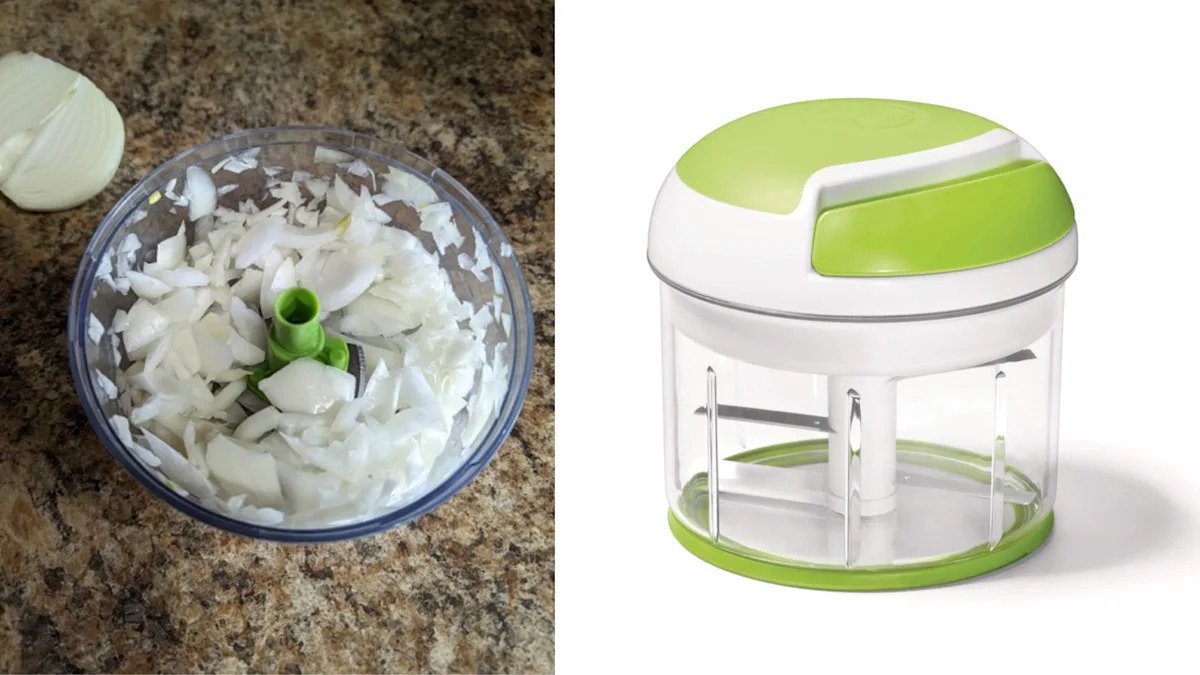
Are you tired of your vegetable chopper losing its sharpness or getting stuck right when you need it most? Keeping your chopper in top shape not only saves you time but also ensures your veggies are cut perfectly every single time.
You’ll discover simple and effective ways to clean, sharpen, and maintain your vegetable chopper so it works like new for years to come. Stick with me, and you’ll never have to struggle with a dull or messy chopper again!

Credit: wiproappliances.com
Choosing The Right Vegetable Chopper
Picking the right vegetable chopper makes kitchen work faster and easier. It helps you cut vegetables into uniform pieces safely.
Different choppers suit different needs. Knowing types and materials helps you find the best one for your kitchen.
Types Of Choppers
Vegetable choppers come in many styles. Each type offers a unique way to cut or slice vegetables.
- Manual Choppers:Use hand pressure to chop. They are simple and need no electricity.
- Electric Choppers:Powered by a motor to chop quickly. Good for large amounts.
- Mandoline Slicers:Slice vegetables thinly and evenly. Great for salads and garnishes.
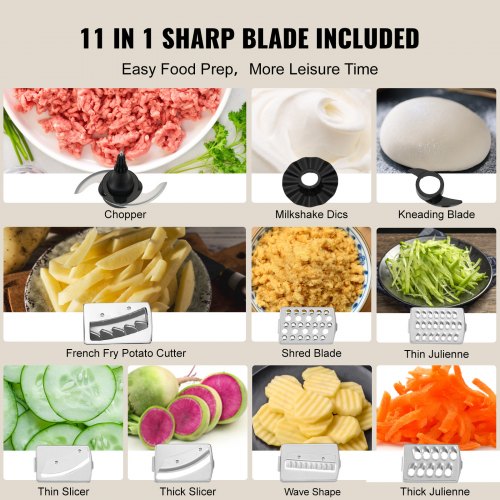
- Multi-Blade Choppers:Have several blades to cut different shapes and sizes.
Choose a type that fits how often and how much you chop. Manual choppers are good for small tasks. Electric ones save time for big jobs.
Material And Quality Considerations
Material affects the chopper’s durability and safety. Look for strong, easy-to-clean materials that last long.
- Stainless Steel Blades:Stay sharp longer and resist rust.
- Plastic Body:Lightweight but check for BPA-free plastic to stay safe.
- Glass Containers:Strong and do not stain or hold odors.
- Rubber Handles:Provide a good grip to prevent slipping.
Good quality materials make chopping safer and keep the chopper working well. Avoid cheap plastics that break easily or dull blades.
Regular Cleaning Practices
Keeping your vegetable chopper clean is important for safety and performance. Regular cleaning stops germs and keeps the blades sharp.
Cleaning your chopper after every use helps it last longer and work better. It also prevents food from sticking and causing stains.
Cleaning After Each Use
Wash the chopper parts right after chopping vegetables. This prevents food from drying and sticking to the blades and container.
Use warm water and mild soap to clean all removable parts. Rinse well and dry with a soft cloth to avoid rust or damage.
- Disassemble the chopper carefully
- Use a brush to clean the blades safely
- Wash the container and lid thoroughly
- Dry all parts before storing
Removing Stubborn Residue
Some bits of vegetables may stick to the blades or corners. Soak the parts in warm soapy water for a few minutes to loosen the residue.
Use a soft brush or toothpick to remove stuck pieces gently. Avoid using sharp tools that can damage the blades or plastic parts.
- Soak parts in warm water with soap
- Use a soft brush to scrub stuck food
- Clean hard-to-reach corners carefully
- Rinse and dry completely before use
Proper Drying Techniques
Keeping your vegetable chopper dry helps it last longer. Drying stops rust and bacteria growth.
Learn the best ways to dry your chopper safely after cleaning. This keeps it ready to use.
Air Drying Vs. Towel Drying
Air drying lets water evaporate naturally from your vegetable chopper. It is gentle and stops scratches.
Towel drying uses a clean cloth to wipe off moisture quickly. This prevents water spots and speeds drying.
- Air drying is hands-free but takes longer.
- Towel drying is fast but needs a soft cloth.
- Use air drying for parts with small crevices.
- Towel dry flat surfaces to avoid water marks.
Avoiding Moisture Build-up
Moisture build-up can cause rust and mold on your chopper. Dry it fully before storing.
Store your chopper in a dry place with good air flow. Avoid sealed containers with trapped moisture.
- Remove all water from blades and handles.
- Use a drying rack or stand to keep parts separate.
- Check for hidden water in small parts or hinges.
- Wipe down after each use to stop moisture.
Sharpening The Blades
Keeping the blades of your vegetable chopper sharp makes cutting easier. Sharp blades cut vegetables cleanly and safely.
Dull blades can crush vegetables and slow down your work. Regular sharpening keeps your chopper effective.
Using A Sharpening Stone
Use a sharpening stone to restore the blade’s edge. Wet the stone with water before starting.
Hold the blade at a 20-degree angle to the stone. Slide the blade across the stone in one direction.
- Keep the angle steady for a sharp edge
- Sharpen both sides of the blade evenly
- Use light pressure to avoid damage
- Rinse the blade and dry it after sharpening
Frequency Of Sharpening
Sharpen the blades based on how often you use the chopper. Heavy use needs more frequent sharpening.
If you use the chopper weekly, sharpen the blades once every month. For daily use, sharpen every two weeks.
- Light use: sharpen every 2-3 months
- Moderate use: sharpen monthly
- Heavy use: sharpen every 1-2 weeks
Safe Storage Solutions
Keeping your vegetable chopper safe helps it last longer. Proper storage stops damage and keeps blades sharp.
Safe storage also protects you from accidents. Store your chopper carefully after cleaning and drying it.
Blade Covers And Sheaths
Blade covers or sheaths protect the sharp edges of your vegetable chopper. They prevent cuts and keep blades from dulling.
Use covers made for your chopper model. Clean the blades before putting on covers to stop rust and dirt buildup.
- Choose durable plastic or silicone covers
- Fit covers snugly to avoid slipping
- Remove covers before washing the chopper
- Replace damaged covers to maintain safety
Optimal Storage Locations
Pick a dry, cool place to store your vegetable chopper. Avoid humid areas to stop rust and blade damage.
Keep your chopper away from children and pets. Store it where you can reach it easily but safely.
- Use a kitchen drawer with dividers to separate the chopper
- Store on a shelf with a non-slip mat
- Keep it in a dedicated container or box
- Avoid stacking heavy items on top of the chopper
Preventing Rust And Corrosion
Rust and corrosion can damage your vegetable chopper over time. It makes the blades dull and weak. Protecting your chopper keeps it safe and working well.
Simple care steps can stop rust from forming. Cleaning and drying your chopper after each use helps a lot. Let’s look at how to protect it with oils and spot early signs of rust.
Applying Protective Oils
Using protective oils can stop moisture from causing rust. Light oils create a thin layer on the metal. This layer keeps water away and prevents corrosion.
Apply oil after cleaning and drying your vegetable chopper. Use food-safe oils like mineral oil or vegetable oil. Rub a small amount on the blades and metal parts with a soft cloth.
- Clean and dry the chopper first
- Use a soft cloth to apply oil
- Choose food-safe oils only
- Apply a thin, even layer
- Wipe off extra oil to avoid stickiness
Recognizing Early Signs Of Rust
Check your vegetable chopper often for rust. Early rust looks like small brown or red spots on the metal. It may feel rough or flaky in these areas.
Rust can start in hidden spots like under the blades or near joints. Catching rust early stops it from spreading. Clean the rust spots with a soft brush or cloth. Then apply protective oil to protect the metal.
- Look for small brown or red spots
- Feel for rough or flaky areas
- Inspect hidden parts carefully
- Clean spots gently to remove rust
- Apply oil after cleaning
Handling With Care
Taking good care of your vegetable chopper helps it last longer. Handle it gently to keep the blades sharp and safe.
Proper use and cleaning prevent damage. This guide explains how to care for your chopper.
Avoiding Hard Foods
Do not chop very hard foods with your vegetable chopper. Hard foods can damage the blades or break the parts.
Stick to soft vegetables like tomatoes, cucumbers, and onions. Avoid cutting nuts, frozen vegetables, or thick roots.
- Do not use for hard nuts or ice
- Avoid chopping frozen vegetables
- Skip tough roots like carrots or beets if very thick
- Use the chopper only for fresh, soft vegetables
Proper Handling Techniques
Hold the vegetable chopper firmly but gently. Do not force the blades to cut through food.
Clean the chopper carefully after each use. Use mild soap and avoid hard scrubbing to protect the blades.
- Grip handles securely when chopping
- Do not push hard on the blades
- Wash with warm water and mild soap
- Dry completely before storing
- Store in a safe place away from heavy items
Credit: www.vevor.ca
Regular Maintenance Checks
Regular maintenance keeps your vegetable chopper working well. It helps avoid problems and makes the chopper last longer.
Check your chopper often. This keeps it safe and easy to use every time.
Inspecting For Damage
Look over your vegetable chopper for any cracks or broken parts. Damage can make it unsafe or stop it from working well.
Check the blades carefully. Dull or bent blades need fixing or replacing to chop properly.
- Examine plastic parts for cracks or chips
- Check metal blades for rust or bends
- Look at the handle and base for wear
- Test if moving parts work smoothly
Tightening Loose Parts
Loose screws or parts can cause the chopper to wobble or break. Tighten any loose parts to keep it steady and safe.
Use the right tools to tighten bolts or screws. Check all parts after cleaning or use.
- Check screws on handles and base
- Tighten bolts holding the blades
- Secure any loose plastic covers
- Make sure the chopping grid is fixed well
When To Replace Your Chopper
Knowing when to replace your vegetable chopper is important. It keeps your kitchen safe and efficient.
Using a damaged chopper can cause accidents or poor results. Watch for signs that show it is time for a new one.
Signs Of Irreversible Damage
Irreversible damage means the chopper cannot be fixed. This damage can affect safety and performance.
Look for cracks, broken parts, or rust on blades. These signs show the chopper is no longer safe to use.
- Cracked or broken plastic parts
- Dull or rusty blades that do not sharpen
- Loose or missing components
- Handles that no longer lock firmly
Evaluating Cost-effectiveness
Think about the cost of fixing your chopper. If repairs cost more than a new one, replacement is better.
Compare prices and how long your chopper will last after repair. This helps you decide if replacement saves money.
- Check repair costs for parts and labor
- Estimate how long the chopper will work after repair
- Compare repair cost to the price of a new chopper
- Consider safety and reliability after repair

Credit: hytekfoodequipments.com
Frequently Asked Questions
How Often Should I Clean My Vegetable Chopper?
Clean your vegetable chopper after every use. This prevents food buildup and keeps blades sharp. Regular cleaning ensures hygiene and extends the chopper’s lifespan.
What Is The Best Way To Sharpen Vegetable Chopper Blades?
Use a blade sharpener or honing tool designed for small kitchen blades. Sharpen blades carefully to maintain efficiency and safety. Avoid using dull blades to prevent uneven chopping.
Can I Put My Vegetable Chopper In The Dishwasher?
Check the manufacturer’s instructions first. Some choppers are dishwasher-safe, while others require hand washing. Hand washing preserves blade sharpness and prevents damage to plastic parts.
How Do I Prevent Rust On My Vegetable Chopper Blades?
Dry blades thoroughly after washing to prevent rust. Store the chopper in a dry place. Applying a light coating of food-safe oil can also protect metal parts.
Conclusion
Maintaining your vegetable chopper keeps it working well for a long time. Clean it after every use to avoid dirt and rust. Always dry the parts carefully to stop moisture damage. Store the chopper in a dry, safe place. Sharpen the blades regularly to keep cutting easy and smooth.
Small efforts can save you money and time later. Enjoy fresh, chopped vegetables with less hassle every day. Simple care makes a big difference. Keep your chopper ready for any cooking task.